Full Article
about El Bosque
Main gateway to the Sierra de Grazalema Natural Park and known for its fish farm; green setting with a trout river and a botanical garden
Hide article Read full article
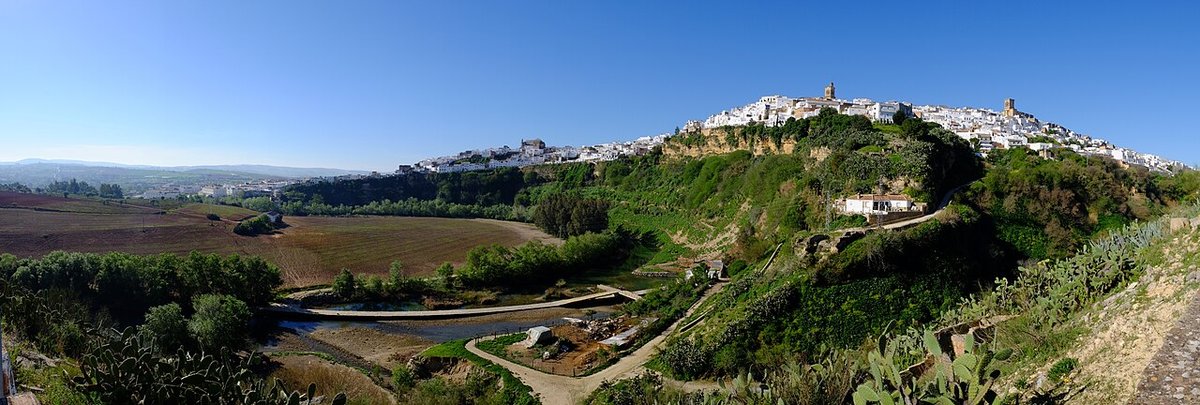
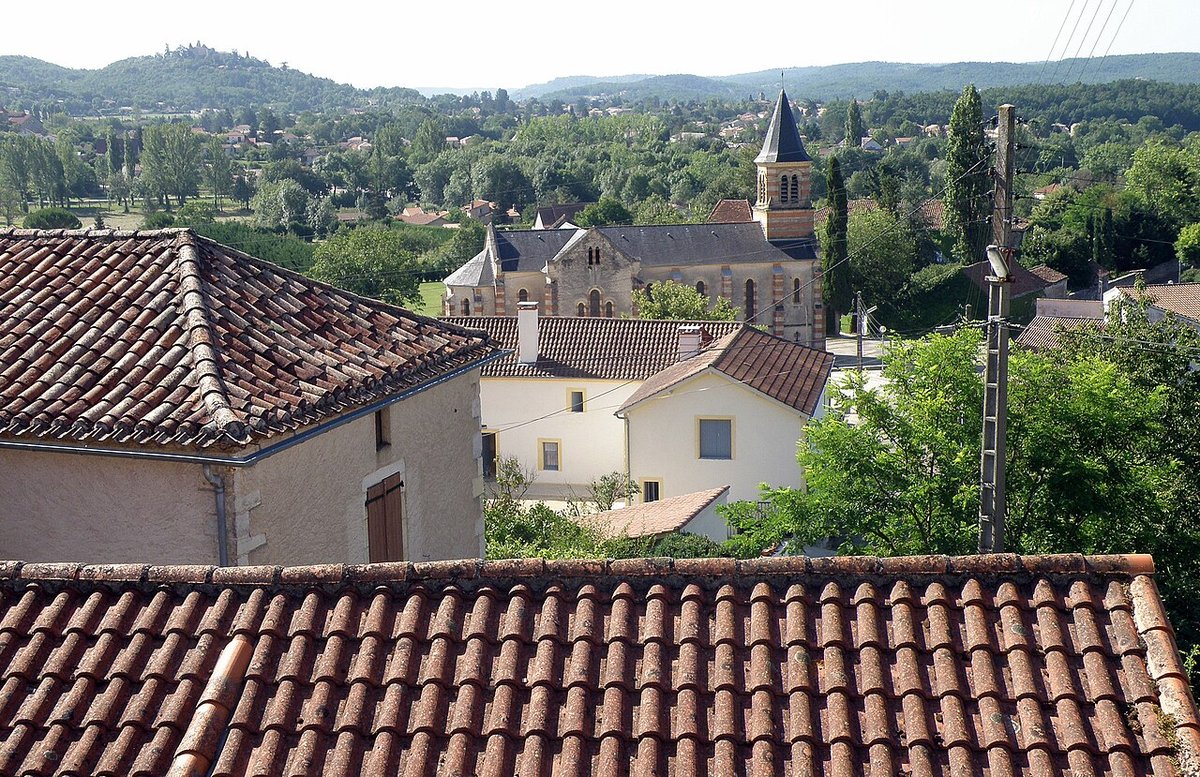
At nine in the morning, mist still clings to the Majaceite valley like a damp blanket. Anyone coming for tourism in El Bosque is likely to begin the day this way, with the river half hidden and the sound of water running over rounded stones. From the road bridge, the Majaceite looks leaden and almost still, but step closer and there is a constant murmur that follows the footpath leading down to Benamahoma. It is around six kilometres on foot beside the water, between ferns and willows.
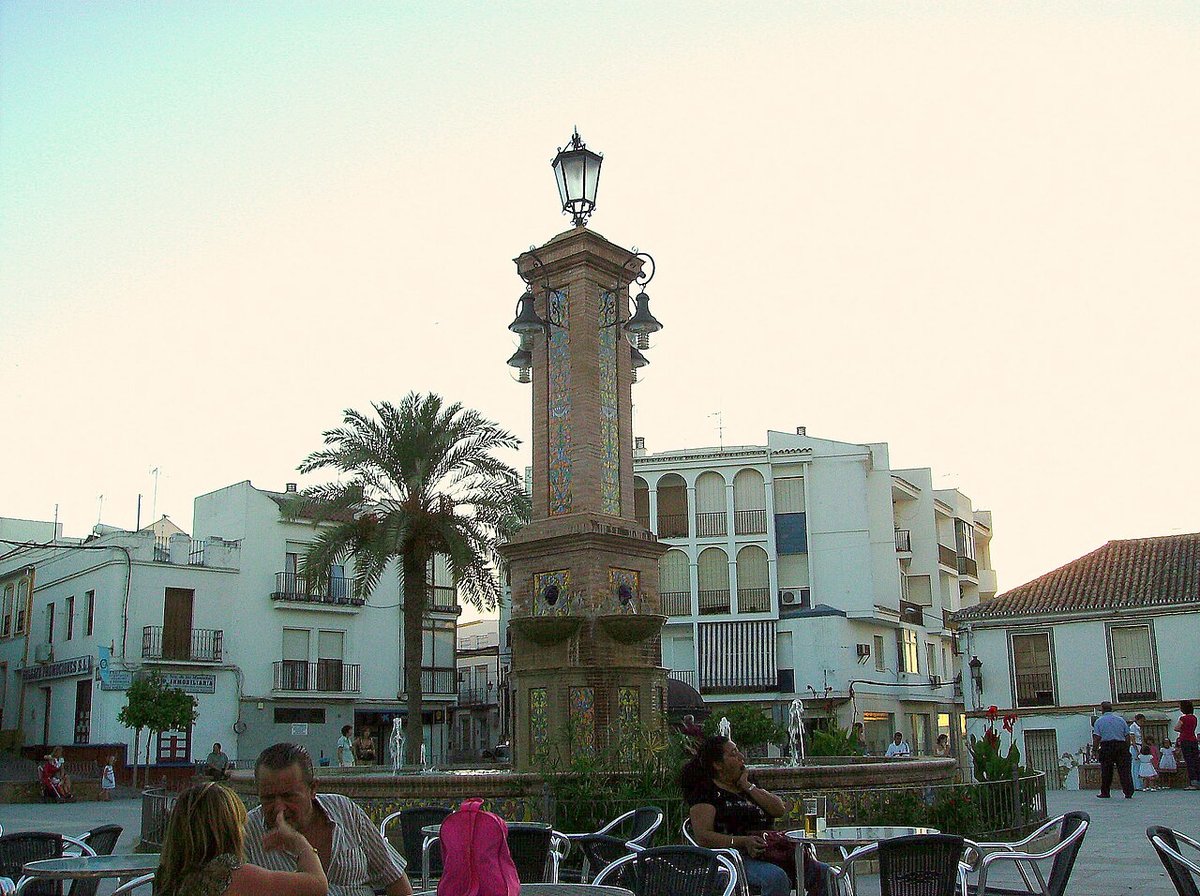
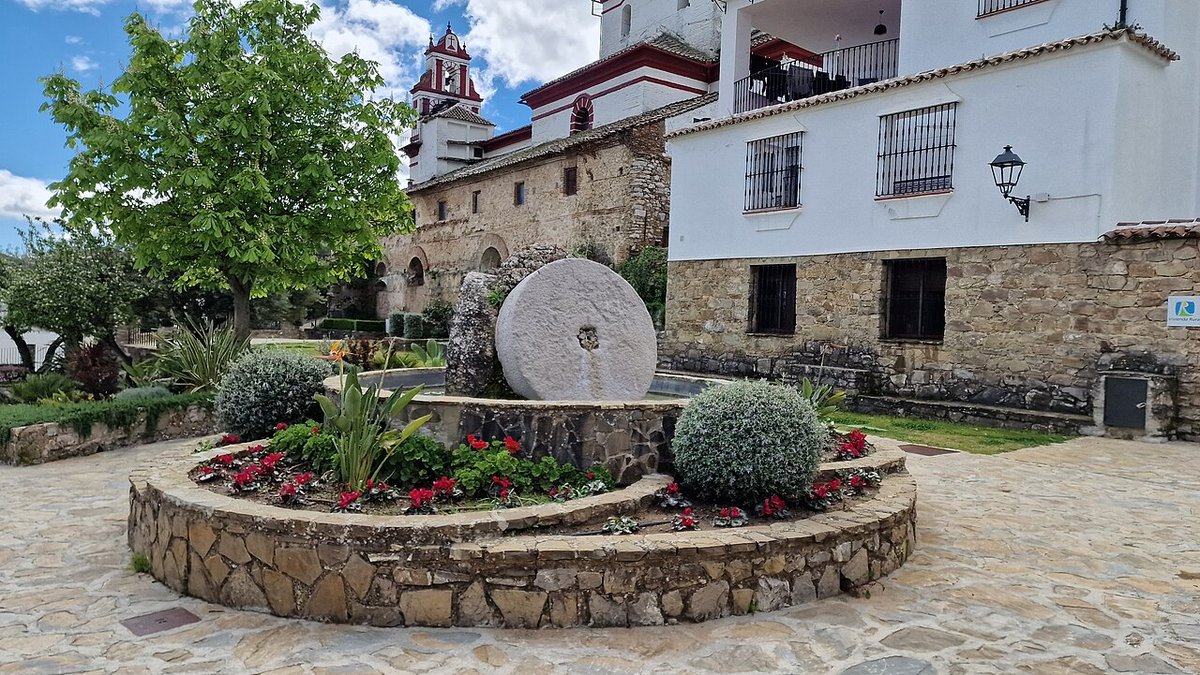
The village wakes slowly. First lights appear in kitchens and the smell of burning wood mixes with bread coming out of the oven early in the morning. In the square, the bandstand has not been used for years, yet its reddish metal roof remains, creaking when the south wind blows. At that hour neighbours cross Calle Mayor unhurriedly, some carrying a bag of bread, others with a fishing rod ready.
When the river sets the pace
The Majaceite is well known among anglers because trout can still be found here, at a notably southern point of the peninsula for this fish. The water runs cold even in winter. In the quieter pools, silver flashes sometimes appear when a fish moves close to the surface.
The river is more than a place to fish. It marks the natural edge of the village and opens the way into the Parque Natural de la Sierra de Grazalema. Take the path that begins near the old mill and you enter a riverside woodland that changes markedly with the seasons. There are tall alders, damp trunks coated in moss and branches leaning over the water. On calm days, little can be heard beyond the river itself and the occasional bird hidden among the leaves.
The mill still stands and is used from time to time to grind grain, though it is not always operating. If it happens to be open, the air usually carries the scent of freshly milled flour and damp timber. This is not a staged attraction or a backdrop arranged for photographs. It is a working building that continues to serve a purpose.
The scent of goat and hillside
Follow Calle Ancha uphill, pass the church of Guadalupe and continue towards the road that leads to the cemetery. From there, the air changes. There is wet earth, cork oak resin and the sharp smell that drifts from livestock.
On the nearby slopes graze payoya goats, closely associated with this part of the sierra. Their milk is used to make cheeses that are well known across the province. They are usually matured for weeks or months in humid curing rooms. When ready, they have a greyish rind and a firm interior with a strong flavour closely linked to the local pastures.
In the height of summer, the heat does this type of cheese no favours. In autumn or winter it is generally found with a better texture and deeper taste.
When it rains, it really rains
The Sierra de Grazalema is one of the wettest areas in the south of the peninsula, and El Bosque lives in step with that climate. It shows in roofs covered with moss, in the darkened stones of façades and in the way gutters rattle when a heavy shower falls.
Residents speak of storms that arrive some springs and cause the Majaceite to swell within hours. The river shifts from a murmur to a continuous roar, brown and fast.
Because of that rainfall, the landscape stays green even when summer tightens its grip elsewhere in the province. Even so, in winter it is wise to bring footwear with a good grip. Many paths become slippery and mud appears as soon as you leave the paved streets.
Domingo de piñata and other unusual days
Carnival follows its own rhythm here. Instead of large troupes or big stages, what is usually celebrated is the so called domingo de piñata, the Sunday after the main carnival days. Children dress up as whatever they choose, a cape, a cardboard helmet, a pair of wellington boots, and walk through the streets singing a song that each person seems to remember slightly differently. At the end, in the square, sweets are thrown from the town hall balcony. The noise lasts only a short while.
At the beginning of summer, there is also a romería dedicated to San Antonio. A romería is a traditional pilgrimage style celebration, often combining religious devotion with a day in the countryside. People head up towards a rural area in the sierra, usually in cars decorated with branches or on foot if the weather allows. For several hours, the village is almost empty.
How to arrive and when to return
The road coming from Grazalema winds considerably before descending into the valley. It is best taken calmly, especially for those unfamiliar with the area or after rain.
There are also buses linking El Bosque with other towns in the province, stopping at the entrance to the village.
Spring is often a good time to come. The river carries water, the countryside is green and temperatures remain mild. August changes the atmosphere noticeably, with more traffic and more people heading towards the sierra. In November, by contrast, the pace slows again and chestnut trees begin to drop their fruit along the edges of the paths. The river remains, sounding just as it always has.