Full Article
about El Gastor
Known as the Balcony of the White Villages for its panoramic views; a quiet town of deep-rooted traditions and crafts.
Hide article Read full article
A village shaped by its setting
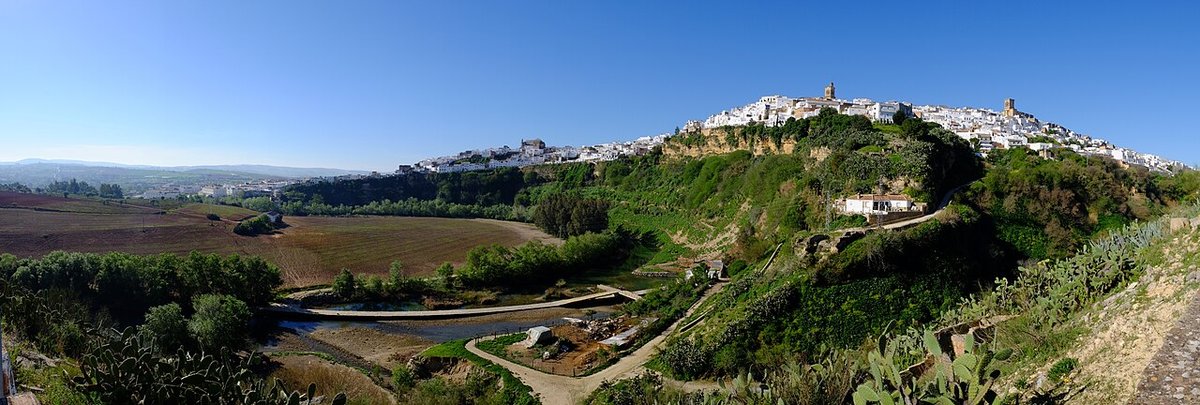
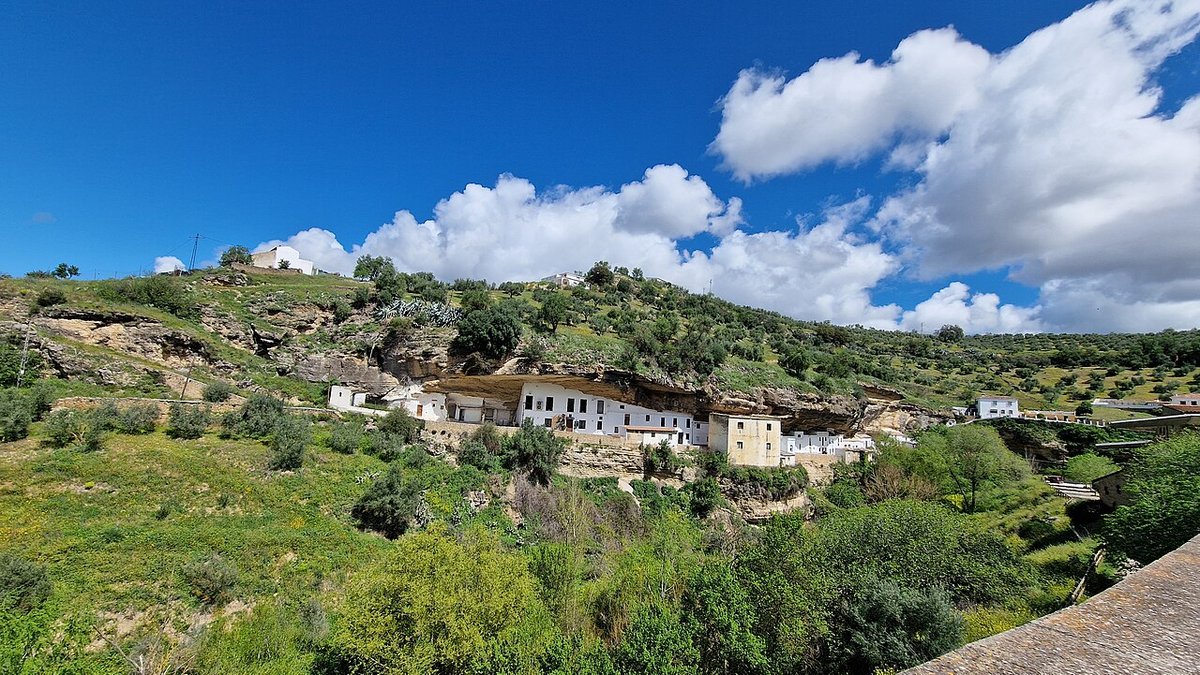
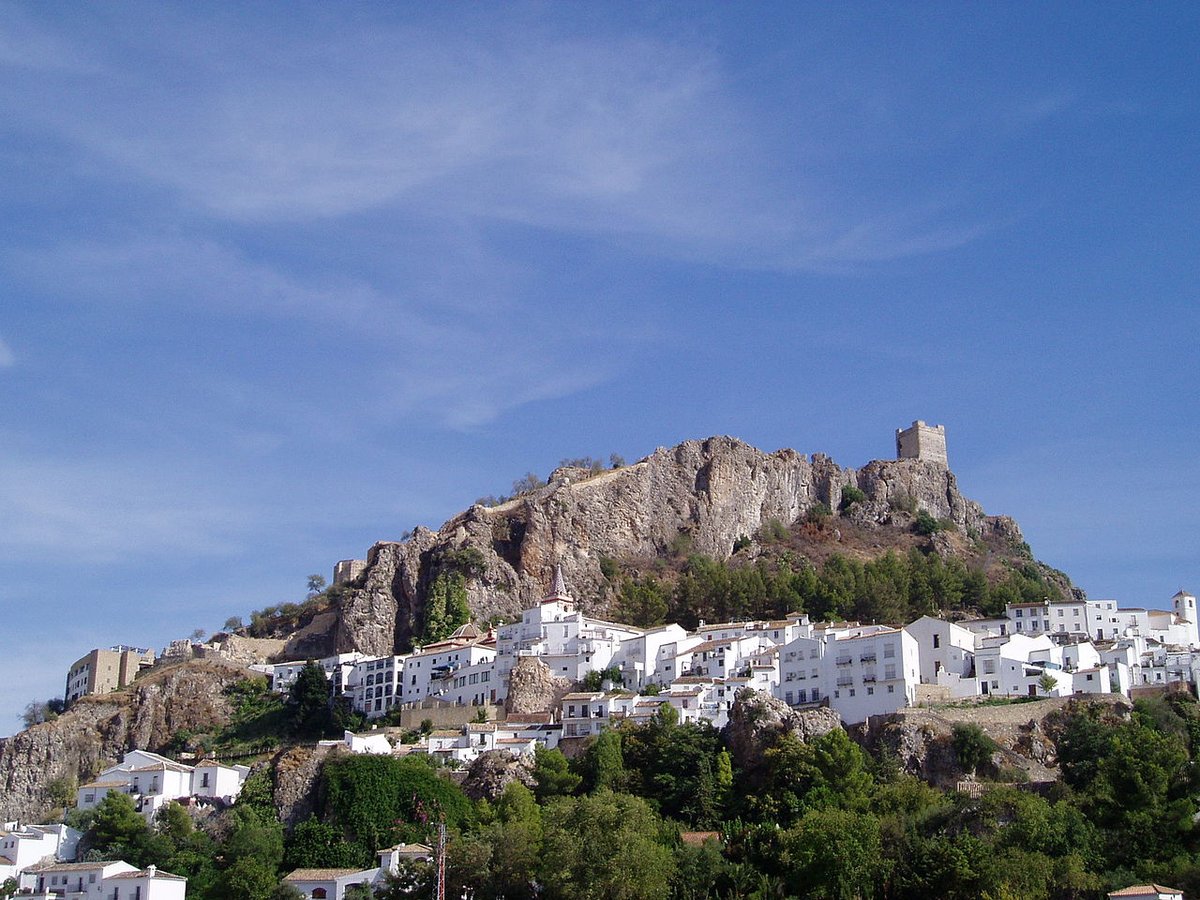
Tourism in El Gastor makes more sense once its location comes into view. The village sits at around 520 metres above sea level, on an open hillside in the Sierra de Cádiz, facing the Zahara‑El Gastor reservoir with the mountains of Grazalema behind it. That position explains much of how it looks and feels. Streets climb and dip, white houses step down the slope, and viewpoints open onto a wide landscape that feels less enclosed than in many other mountain villages.
With just under 1,700 inhabitants, El Gastor still operates as a small community. People know each other, daily life gathers in the square, and the rhythm remains steady for much of the year. In summer that pace shifts slightly, when more visitors arrive and former residents return.
The village core and its viewpoints
At the centre of the town stands the parish church of San José. The current building dates from the 18th century, though it has been altered over time. Its architecture is simple, in line with many rural churches of the period, with a restrained façade and an interior where local devotion matters more than major artistic pieces.
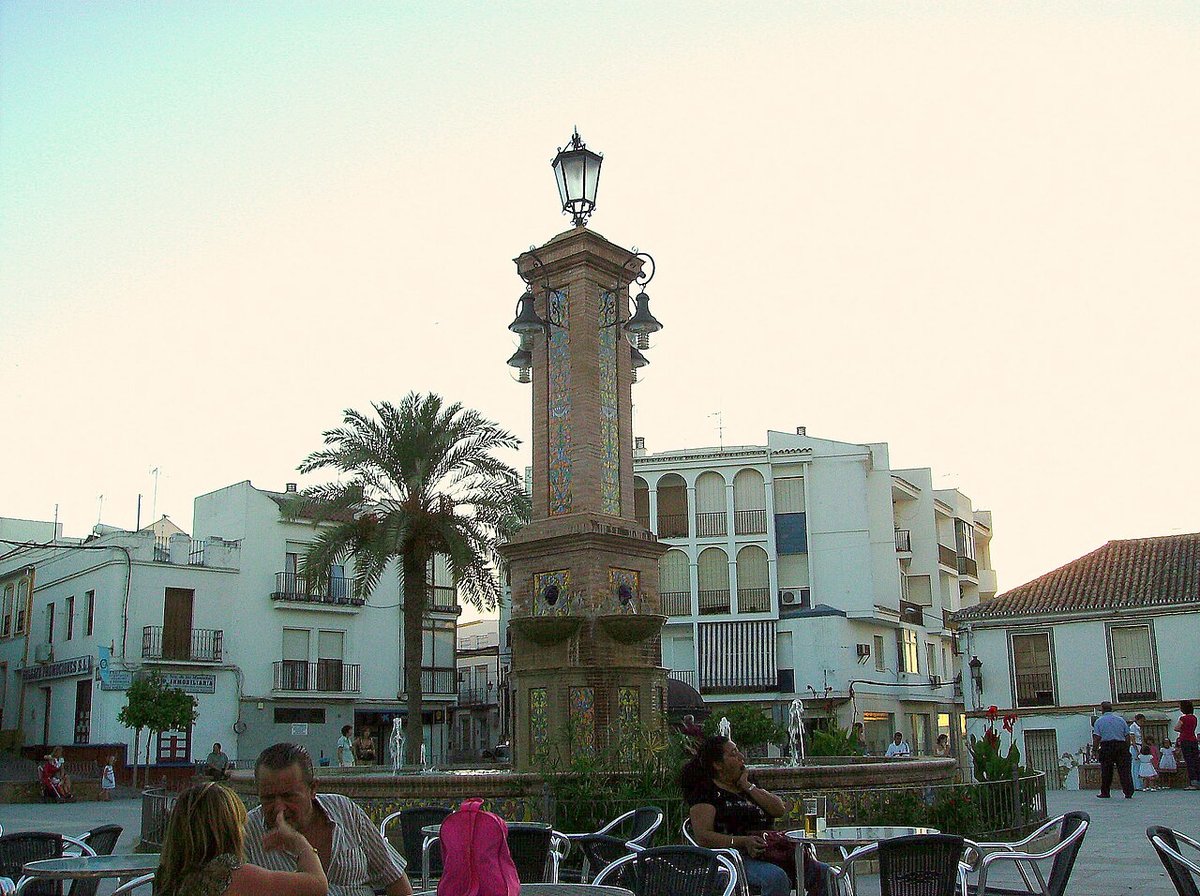
Around it spreads the historic core. The streets are narrow and, in places, quite steep. Houses are whitewashed, with iron window grilles and small balconies. It is not a monumental town in the strict sense, yet it retains the scale and layout of an agricultural settlement. The Plaza de la Constitución acts as the main meeting point, where much of everyday life unfolds.
El Gastor is also known for its “balcones”, natural viewpoints scattered across the village. From these spots the view opens towards the reservoir and, on clear days, towards the limestone ridges that mark the edge of the Grazalema natural park. The sense of space is one of the defining features here.
Within the municipal area there are signs of very early human presence. Dolmens and prehistoric remains have been documented, although they do not form a single visitable site and are often difficult to locate without a good knowledge of the terrain.
El Peñón and the surrounding paths
The most recognisable landmark in the area is the Peñón de El Gastor, a rocky outcrop rising beside the reservoir. From below it appears steeper than it is. The path to the top does involve a climb, but it is usually completed in a relatively short time and gives a clear sense of the surrounding geography. On one side lie the mountain systems of Grazalema, on the other the softer hills of inland Cádiz.
The wider area is crossed by rural paths that link El Gastor with other villages in the Sierra. Many of these routes form part of longer itineraries associated with the Ruta de los Pueblos Blancos, a network of white villages across the region, although most visitors tend to walk shorter stretches.
The terrain can be uneven, and in certain seasons there is little shade, so carrying water and wearing suitable footwear is important. To the north and east, the landscape becomes more rugged, with limestone formations and Mediterranean scrub. In higher areas it is common to see griffon vultures riding thermal currents overhead.
Food from the Sierra
Local cooking follows the patterns of the Sierra de Cádiz. The dishes are substantial, originally designed to sustain agricultural work. Olive oil from the area features heavily, along with slow-cooked stews, migas, and game-based recipes when in season.
It is not a cuisine built on elaborate techniques. Instead, it reflects the use of nearby produce and straightforward preparation, traditions that still continue in many households.
Festivities and everyday life
San José, the village’s patron saint, is celebrated in March with religious events and activities organised by the local council and community groups. It is one of the moments when the village gathers around shared traditions.
During the summer, especially in August, the atmosphere changes. Many people who live elsewhere return, and the population temporarily increases, bringing more activity to the streets and squares.
Semana Santa, or Holy Week, is observed in a more restrained way than in larger cities. Processions move through the narrow streets of the old town, maintaining a quieter tone.
In autumn, as the olive harvest begins, activities linked to olive oil and agricultural products often take place, although these vary from year to year.
Reaching El Gastor
El Gastor lies just over 80 kilometres from the city of Cádiz. The usual approach follows the A‑384 and A‑382 before joining the A‑373 towards the mountains. The final stretch runs along local roads with bends typical of the area, so the journey tends to be taken at a steady pace.
Once in the village, it is generally more practical to park in the lower part and continue on foot through the centre, where the steep and narrow streets are part of the experience.