Full Article
about Prado del Rey
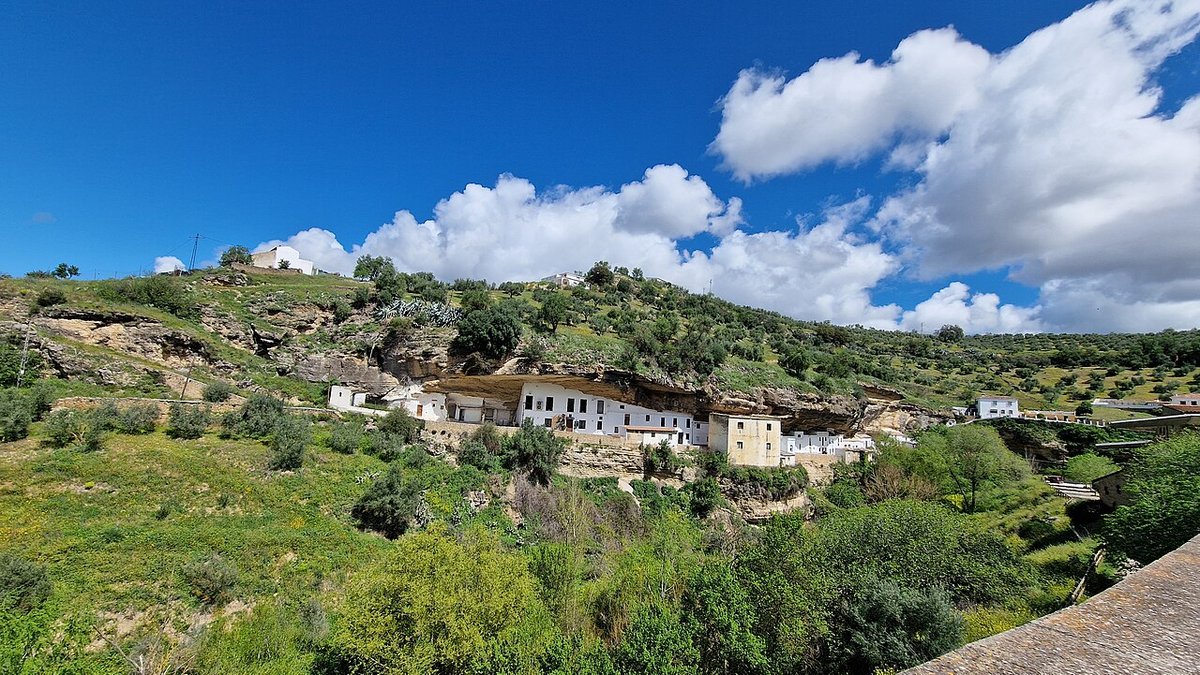
Mountain town known for its honey and leatherwork; founded by Carlos III with a modern grid layout.
Hide article Read full article
A village that wakes with the bees
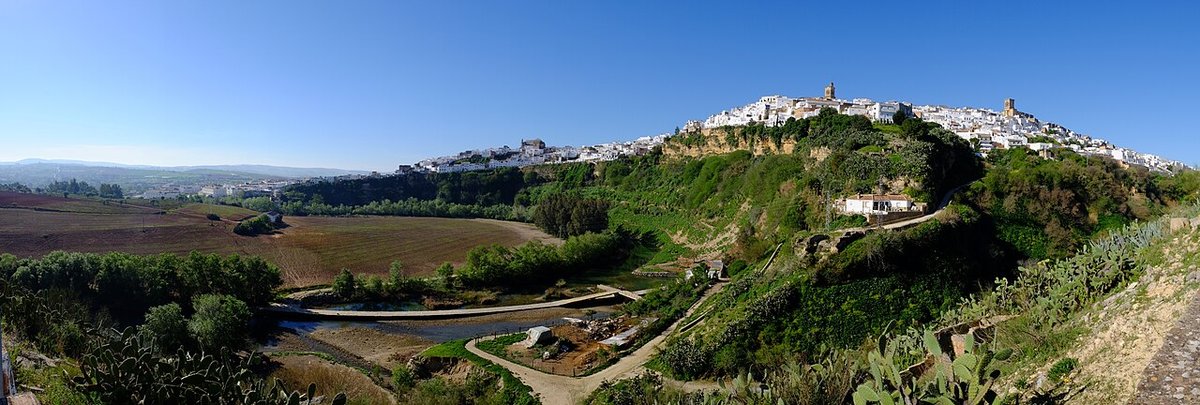
The bees are up before anyone else. At six in the morning, when mist still clings to the pine woods of Grazalema, the hum from the hives around Prado del Rey sounds like a distant engine. Honey has sustained the village for generations. Prado del Rey itself dates from the 18th century, when the Crown promoted new settlements in this part of the sierra and several settler families arrived to make a life on these gentle hills between cork oak groves.
That sense of origin still shapes the place. It is a village with a practical rhythm, tied to land and seasons, where work has long been close to home and closely observed. Even today, the presence of beekeeping lingers in small details, in conversations, in the landscape itself.
Morning light and changing scents
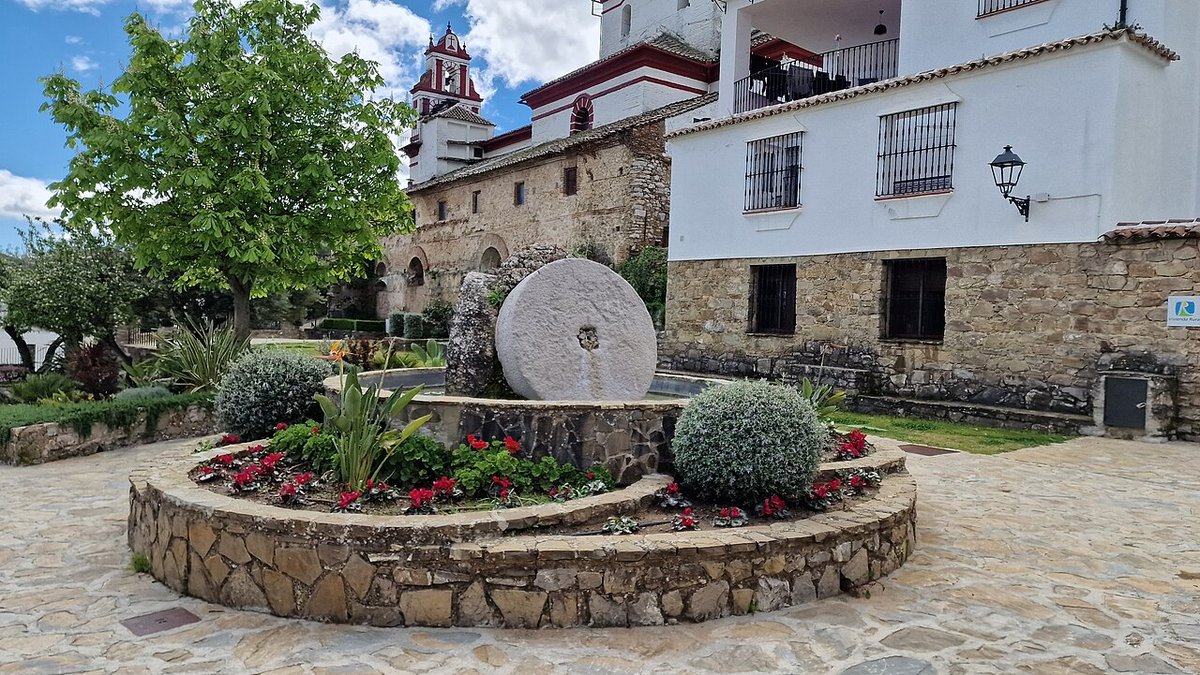
Walk up Calle Nueva, the main street, and the air shifts as you go. Early on it carries the smell of fresh bread and pine resin. Later, as the sun warms the stone, the scent turns drier, almost medicinal, with rosemary and thyme crushed underfoot. The white houses, laid out in a grid according to the planning ideas of the time, reflect the light so intensely at midday that it makes you narrow your eyes.
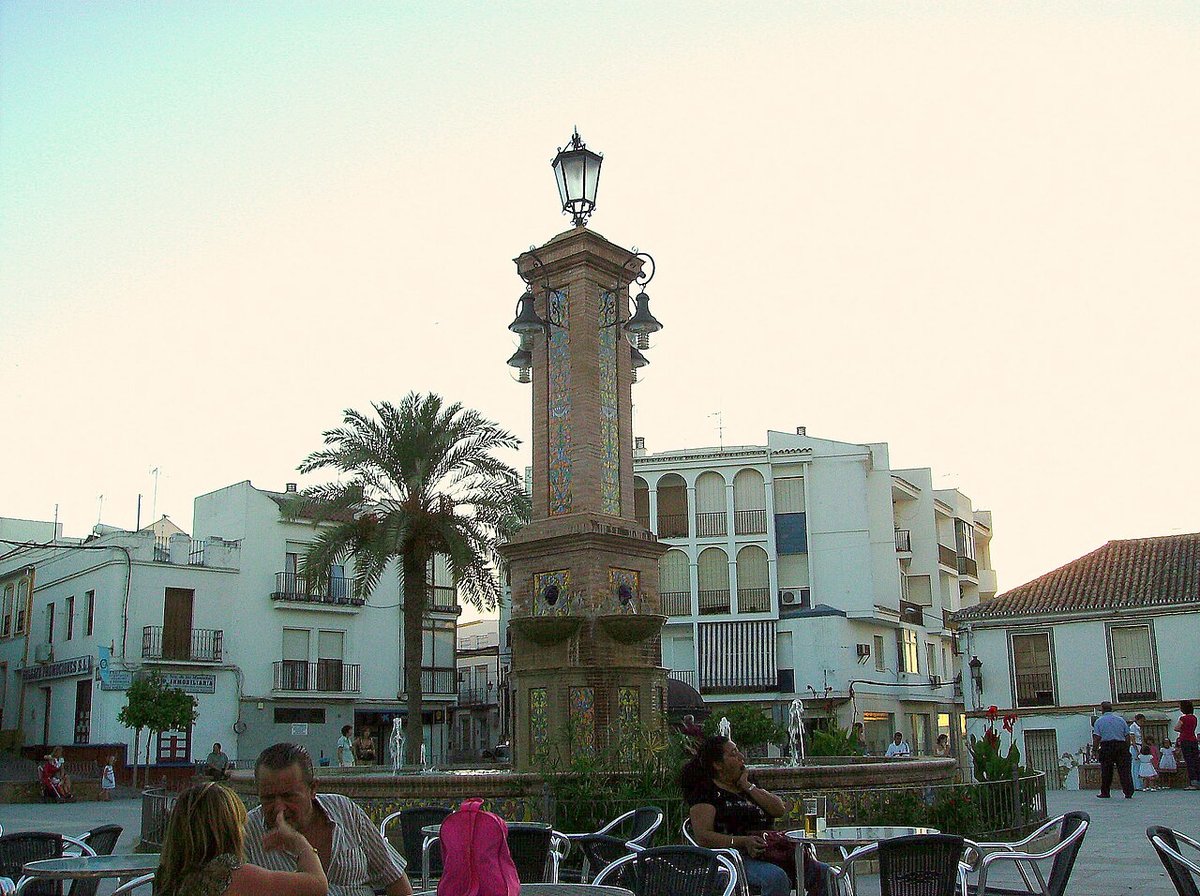
Orange trees appear on many corners. When they are in blossom, the scent of azahar, orange blossom, hangs in the air so heavily that it can feel almost overwhelming after a while. It is a good moment to wander slowly through the centre. Voices drift out from interior courtyards, someone beats a rug over a balcony, children run across the square chasing a ball while older residents lean against a sunlit wall, watching without much urgency.
Nothing feels staged. The layout may be orderly, but daily life spills into the streets in a way that softens the geometry.
Trades written into the streets
There is a small marked route through the village, indicated by ceramic tiles, that recalls Prado del Rey’s leatherworking past. Scenes of tanning and stitching appear on walls, a reminder that for decades leather was one of the most common trades here. From the second half of the 20th century there were many workshops. Fewer remain today, yet the tradition has not disappeared. At times, there is still a faint sweet smell of leather mixed with soap.
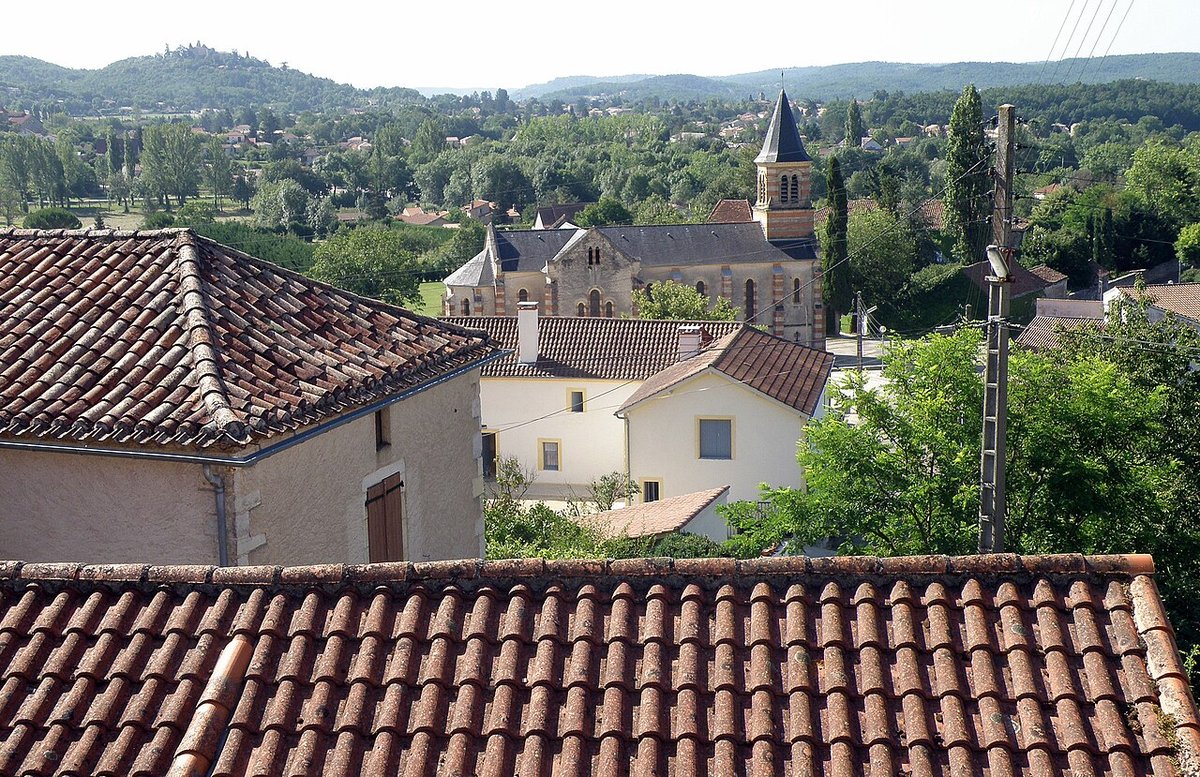
Follow Calle de la Amargura, the name is exactly as it sounds, and it leads to the church of Nuestra Señora de las Mercedes. It is not a monumental building, but the forecourt is often lively. In the afternoon, light enters low through the main door and stretches across the interior, while the bells mark the hour. At that time of day there is usually someone sitting on the stone benches outside, facing the outline of the sierra.
The village does not present its history through grand statements. It comes through fragments like these, small clues embedded in walls, streets and routines.
Flavours shaped by the land
When autumn arrives, Prado del Rey often dedicates several days to honey. Stalls appear with jars in different shades, light amber, gold, others almost reddish, depending on the flowers of the surrounding hills. Honey from this area tends to be darker, with a flavour that recalls the scrubland vegetation.
Seasonality shows clearly in local cooking. Habas con carne, broad beans with meat, are more common when the cold sets in. Tagarninas, a wild thistle that sprouts after the first rains, find their way into stews towards the end of winter. In many kitchens, a simple potato stew arrives at the table carrying the scent of paprika and cumin that fills the room even before the first taste.
These dishes are not presented as specialities in a formal sense. They are part of a cycle, appearing and disappearing with the months, tied to what the land offers at any given time.
Walking through layers of time
Around three kilometres from the village centre, along a dirt track that winds through fields, lie the remains of Iptuci, an ancient settlement that once had a Roman presence. It is not a monumental site or heavily restored. Low walls, scattered stones and silence define the place. Nearby, there are structures linked to old salt works, which for a long time used a simple system of channelling water and letting the sun do the rest.
Continue up the hillside, preferably early in the day before the heat builds, and you reach the castle of Matrera. What remains today is limited, part of a tower and some stretches of wall. From the top, the position becomes clear. The valley opens towards the west and, when the air is clear, the view extends far across the countryside. For centuries, this was a strategic point along a shifting frontier between kingdoms.
The walk brings together different layers of the area’s past without much interpretation. The setting speaks more through its openness and its quiet than through explanation.
Timing your visit
March is often a good time to see Prado del Rey. The sierra fills with wildflowers and the days grow longer without the intensity of summer heat. It is also when the surrounding paths are at their most inviting for walking.
In August, the sun becomes strong from mid-morning onwards. Early starts make a difference, and longer walks are better left until later in the day. If a local fair or a busy weekend fills the centre, it only takes a short wander into quieter streets to find the village’s usual pace again. Conversations drop to a murmur, shutters sit half closed, and that steady hum of bees continues in the background, even when it has almost faded from notice.