Full Article
about Setenil de las Bodegas
A town unique for its houses built beneath the overhanging rock; one of Andalusia’s most photographed and distinctive destinations.
Hide article Read full article
Setenil, o cuando tu tejado pesa mil toneladas
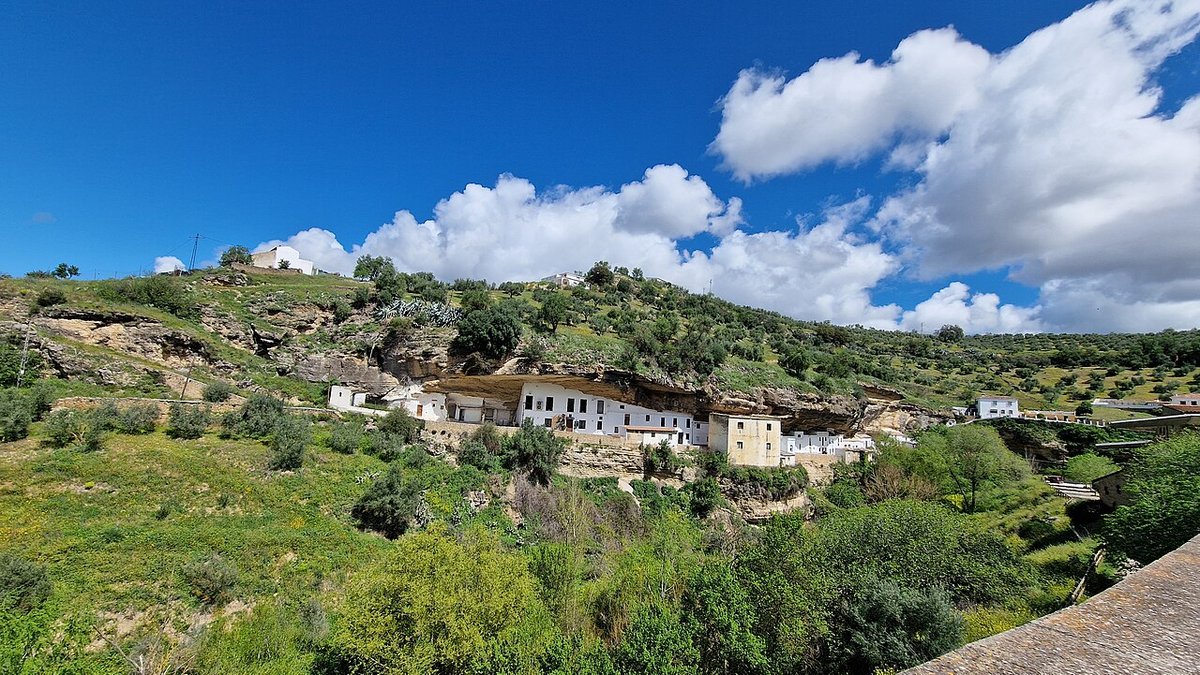
Llegas a Setenil de las Bodegas y la primera reacción es de extrañeza. Es como si alguien hubiera construido un bar encajonado bajo el voladizo de un garaje, pero a lo bestia. Aquí no hay calles con casas, hay una losa de roca viva con una calle debajo. Y punto. La gente puso la fachada donde el monte se abría y dijo "esto vale".
Esa es la gracia real del pueblo. No es un decorado, fue la solución más lógica para no pasar frío en invierno ni calor en verano. La roca es el mejor aislante que encontraron.
Cómo se vive bajo la piedra
La calle Cuevas del Sol es la postal. El techo de roca está tan bajo que inconscientemente agachas la cabeza al pasar. La sensación es rara, pero te acostumbras rápido.
La mayoría de las viviendas no son cuevas excavadas. Son los huecos naturales del cañón del río Trejo que se cerraron con una pared. Un arreglo de andar por casa, pero que lleva siglos funcionando. El interior mantiene una temperatura estable sin necesidad de aire acondicionado moderno.
Es un urbanismo sin planos, puro sentido común rural. El resultado cambia por completo cómo se experimenta el pueblo: pasas de la luz cegadora a la sombra total en tres pasos, y el sonido rebota de forma distinta. Aquí lo construido y lo natural son literalmente lo mismo.
Una fortaleza que costó tomar
Setenil no era un sitio fácil de conquistar. Durante el siglo XV, marcó la frontera entre el reino nazarí de Granada y Castilla, y aguantó sitio tras sitio.
Su propia topografía era su mejor defensa. El núcleo original se protegía con los cortados del río, haciendo que atacantes tuvieran que enfrentarse al terreno además de a los muros.
Cuentan que el nombre viene de septem nihil ("siete veces nada"), por los siete asedios fallidos antes de que cayera en 1484. Los historiadores discuten el dato, pero en el pueblo la historia se repite.
Quedan restos del castillo, sobre todo la torre del homenaje. Subir hasta ella ayuda a entender la estrategia: desde arriba se controla todo el valle del Trejo. Vista desde ahí arriba, comprendes por qué costó tanto rendir este lugar.
Comer como se trabaja: fuerte y tarde
La cocina por aquí es la de la sierra, contundente y pensada para recuperar fuerzas después de una jornada en el campo.
Verás mucho plato de cuchara. Las sopas cortijeras son habituales, un guiso serrano con lo que haya. Las migas también, hechas con pan duro, aceite y algo de torreznillo para dar sabor.
En algunos sitios preparan masita frita, que sale humeante de la sartén y no suele durar mucho en la mesa.
Aviso práctico: los horarios son los horarios del sur. Si llegas a comer antes de las dos o a cenar antes de las nueve, es probable que encuentres las cocinas cerradas y tengas que esperar dando un paseo. Aquí se come cuando toca.
Escapar del circuito (es muy fácil)
Casi todo el mundo se queda en las dos calles de siempre: Cuevas del Sol y Cuevas de la Sombra. Están bien para la foto, pero se llenan rápido.
Para ver otra cosa solo hay que alejarse cien metros. Por encima del río Trejo salen senderos hacia la parte alta del pueblo. En cinco minutos cambia el paisaje.
Aparecen huertos pequeños, construcciones antiguas para gestionar el agua y cuevas-habitación más apartadas. Se nota el silencio. El espacio se abre.
También verás restos de molinos harineros que usaban la fuerza del río. Esos vestigios explican cómo funcionaba Setenil antes del turismo: agua, trigo y un terreno escarpado donde cada rincón útil tenía su oficio.
Lo que perdura cuando se van las fotos
Setenil llama la atención por sus calles bajo la roca, eso está claro. Pero lo interesante va más allá de lo obvio.
Lo que queda después es la sensación de un pueblo que lleva siglos negociando con su geografía sin dominarla del todo. No partieron la montaña; convivieron con ella.
En temporada alta o fin de semana, las calles principales colapsan. El espacio es limitado y todo se concentra ahí.
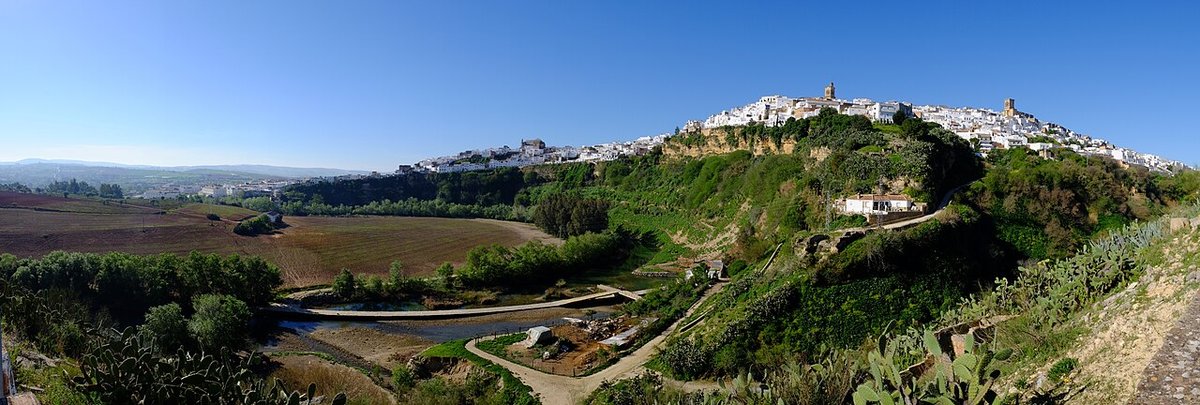
Pero basta subir un poco, alejarse del río y asomarse al valle para cambiar la perspectiva. Desde arriba, Setenil parece lo que siempre ha sido: un pueblo agrícola pegado a la roca, rodeado de olivares y resuelto con una ingeniería práctica y sin pretensiones.
Esa versión más tranquila sigue ahí, esperando a quien quiera apartarse unos minutos del camino principal