Full Article
about Torre Alháquime
Small mountain town with a bandit past and Arab defensive layout; maze-like streets and total quiet.
Ocultar artículo Leer artículo completo
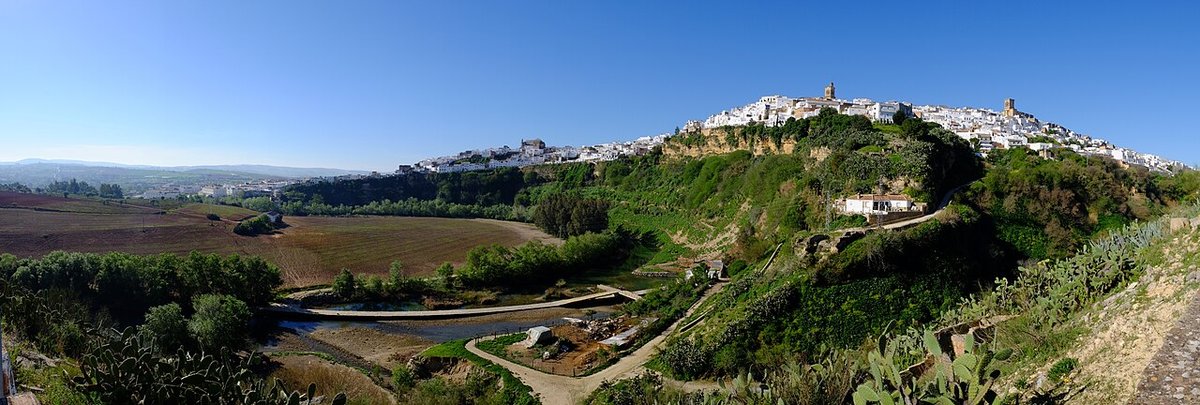
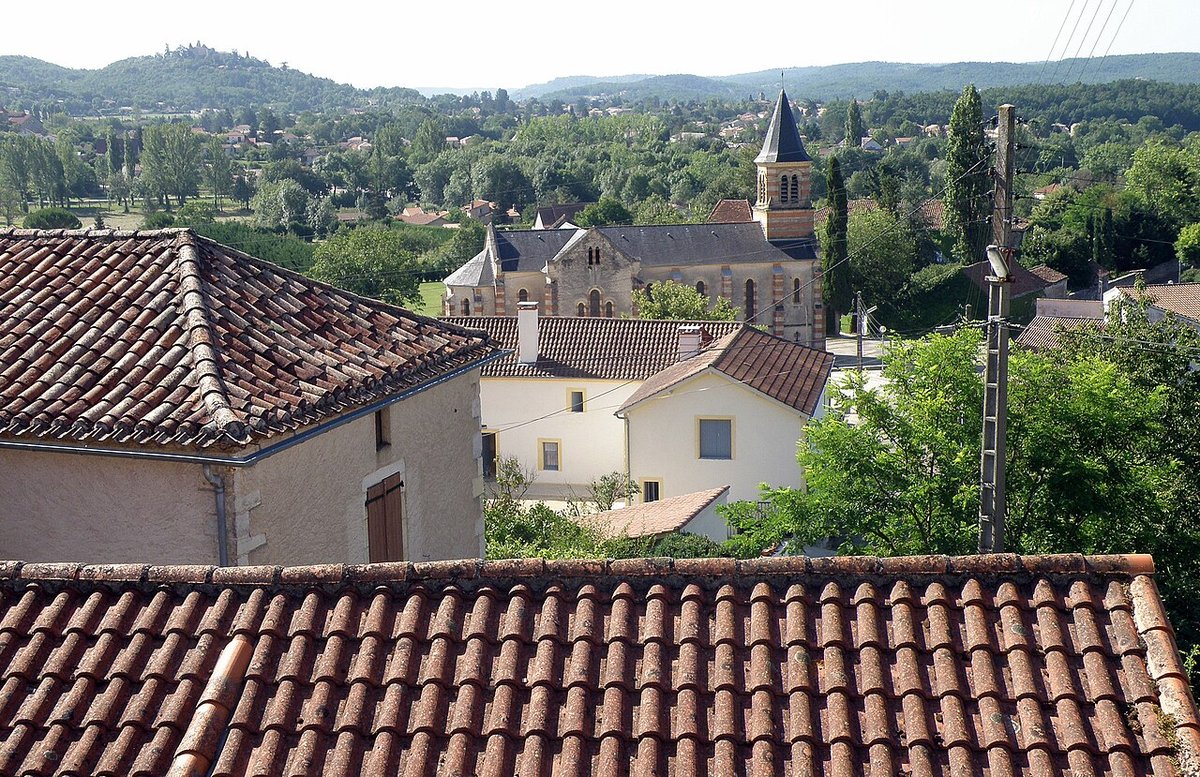
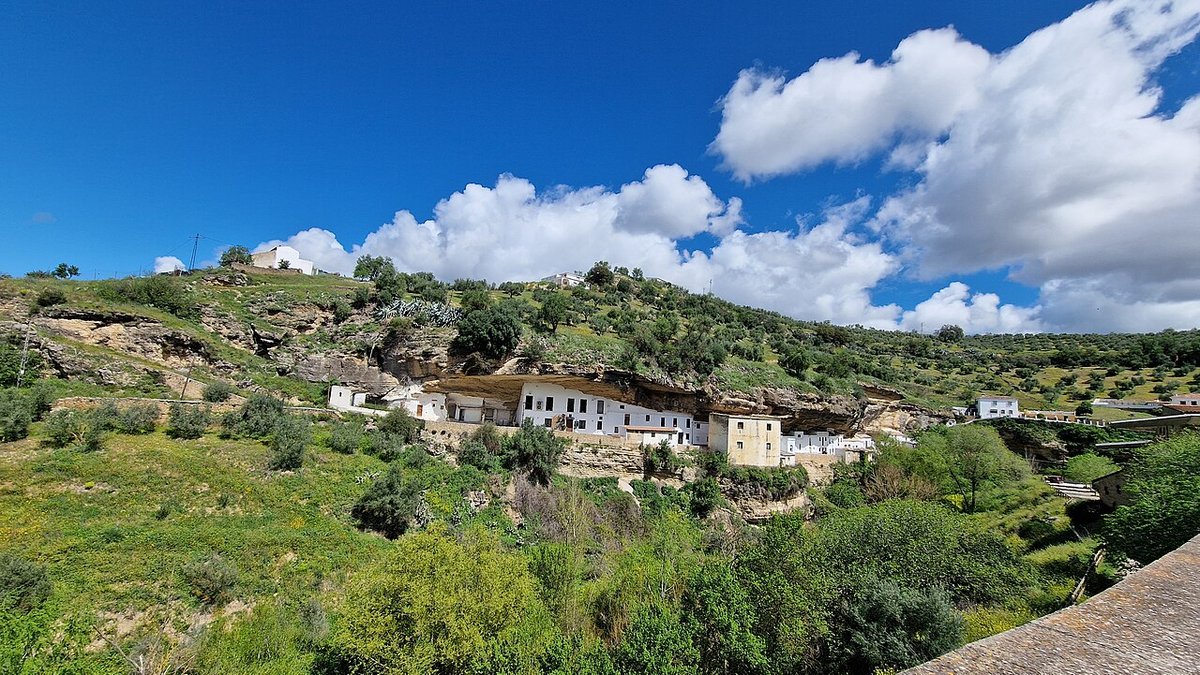
The village appears at 495 metres like a white afterthought on a green-brown carpet of olive trees. One moment the A-384 is winding through empty hills, the next a tight cluster of cuboid houses slides into view, their roofs almost touching. Torre Alhaquime is that rare thing on the tourist-saturated route between Ronda and Grazalema: a place the coach drivers ignore.
Park on the ring-road where the tarmac widens just enough for a right-hand-drive hire car, then walk. The first incline is gentle, past a row of garages still blackened by decades of engine oil. After thirty metres the street funnels to single-file, the temperature drops a degree, and the only sound is the echo of your own footsteps on stone polished smooth by centuries of boots rather than Instagram traffic.
What’s left of the tower that named the place
The Moors built a watchtower here in the twelfth century to keep an eye on the Guadalete valley; today its footprint is a crumbling wall plugged into somebody’s kitchen extension. No plaques, no turnstiles, just a half-remembered name that locals pronounce “Ah-KEE-may” while pointing vaguely uphill. Climb anyway, because the lane crests at a natural balcony where Olvera’s cliff-top castle floats six kilometres away and the Sierra de Líjar cuts a shark-fin silhouette against the sky. Sunrise photographers arrive with tripods and thermos flasks; everyone else is still asleep.
Inside the village the streets obey medieval logic: they bend to fit the rock rather than the wheeled suitcase. Whitewash flakes from corners, revealing ochre clay the colour of Cotswold stone after rain. Geraniums in tomato tins hang from wrought-iron grills; washing lines stretch across the gap so T-shirts dance at head height. A woman in a housecoat waters plants with a plastic jug, nods, and carries on. Tourism here is a curiosity, not a livelihood.
Lunch without an English subtitle
There are three bars and they all close by 16:30. Bar Chema, opposite the church, keeps a hand-written menu taped to the fridge: pinchitos morunos (pork skewers rubbed with cumin and mild paprika), migas serranas (fried breadcrumbs laced with chorizo crumbs), and a plate of local goat’s cheese served with membrillo that tastes like autumn condensed into jelly. A glass of mountain white from the Cádiz hinterland costs €2.50 and arrives straight from the cellar cool, not Arctic. Ask for tap water and they bring it; ask for a vegan option and you’ll get a sympathetic shrug. Spanish is useful, patience essential, cash compulsory – the nearest cashpoint is fifteen minutes away in Algodonales and it charges €1.75.
Sunday lunchtime everything shutters. Plan accordingly: buy bread and olives on Saturday evening, or be prepared to drive to the motorway service station near Arcos where toasted sandwiches masquerade as lunch.
Walking routes that don’t appear on the ordnance survey
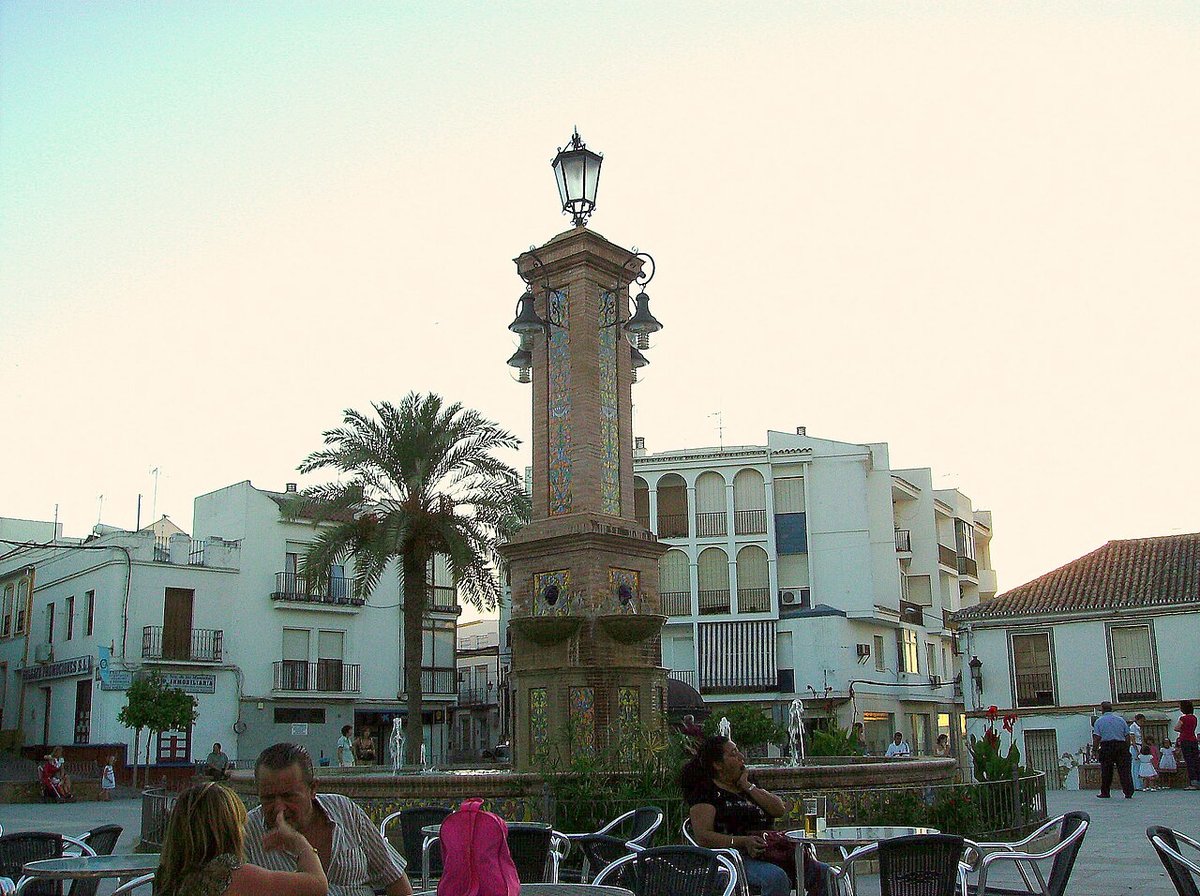
From the upper mirador a farm track heads east toward the Sierra de Líjar, signed only by a faded stripe of yellow paint on a telegraph pole. The path climbs 250 metres through olive terraces and disappears into rosemary-scented scrub. Thirty minutes up, the view opens west across the Guadalete basin, a wrinkled carpet of khaki and silver that looks like the Brecon Beacons on a heatwave day. Bootprints suggest locals use the route for evening constitutionals; you’re unlikely to meet anyone carrying a rucksack manufactured after 1995. Take water – the only fountain is back in the plaza and summer temperatures sit stubbornly in the mid-thirties from June to September.
Mountain-bikers also appear, puffing up tarmac lanes that average eight per cent gradients. The reward is a 12-kilometre glide down to Algodonales past fields of sunflowers that turn their backs to the road in late July.
Where to sleep – and why it isn’t in the village
Torre Alhaquime itself has no hotels. Accommodation is scattered among converted cortijos (farmsteads) within a ten-minute drive, usually signposted “alojamiento rural” in lettering that blends into the landscape. Cortijo el Guarda, three kilometres south, offers three rooms, a pool fed by mountain spring water and an English-speaking owner who moved from Surrey in 2004. Rates hover around €85 per night including breakfast bread still warm from the wood oven. Mobile signal drops to 3G the moment you cross the threshold; Vodafone users need to stand on the terrace and face north-east like a human weather vane.
Winter stays come with caveats: night temperatures can dip below five degrees and the narrow approach road turns greasy after rain. Chains are rarely needed, but a confident hand on a hair-pin bend helps.
Olive oil, fiestas and the smell of new bread
Visit during the third weekend of October and the village hall hosts a modest olive-oil fair. Plastic tables display metal jugs of emerald oil sharp enough to make the back of your throat tingle; bakers hand out tortas de aceite, paper-thin biscuits speckled with aniseed. Entry is free, tastings generous, and the mayor makes a ten-minute speech that even non-Spanish speakers can translate as “we’re proud of our liquid gold”. The event wraps up by 20:00 so farmers can be up at dawn for the harvest.
August brings the Feria de Nuestra Señora de la Antigua: fairground rides wedged into the football pitch, casetas pumping reggaeton until 04:00, and a temporary bar that serves iced fino sherry faster than beer. Accommodation prices don’t budge – there still aren’t enough visitors to trigger surge pricing – but light sleepers should book farther into the countryside.
Getting here without a Vespa
From Málaga airport it’s 130 kilometres, mostly dual-carriageway: A-357 past the limestone amphitheatre of El Chorro, then A-382 through vineyards that supply the sherry bodegas of Jerez. The final twenty minutes weave over roller-coaster hills where grain silos stand like exclamation marks. Total driving time is two hours if you resist the selfie temptation at every bend.
Public transport demands patience: trains to Jerez or Algeciras, a bus to Olvera, then a €18 taxi ride. Buses run twice daily except Sunday, when the service reverts to nil. Hire cars start at £28 a day in winter, £45 in Easter week; specify a compact – anything wider than 1.8 metres will force you to breathe in.
The honest verdict
Torre Alhaquime is not dramatic. It won’t give you cathedral chills or beach-bliss endorphins. What it offers is a calibration device for the Spanish rhythm: bread baked daily, plazas used for conversation instead of consumption, and a landscape that looks after 799 people plus the occasional stray traveller. Come if you’re passing, linger if you’ve remembered how to sit still. Leave before sundown and the village folds back into the hills like a book closing – quiet, unhurried, and easy to miss if you blink.