Full Article
about Ubrique
World leather capital between two natural parks; a white village wedged in the mountains with thriving crafts.
Hide article Read full article
Leather on the Air of the Sierra
The road from the coast into the Sierra de Cádiz is a sequence of curves and cork oak forests. On the final approach to Ubrique, another element mixes with the scent of damp earth and pine: the distinct, tannic smell of leather. It is a genuine marker of place. For over two centuries, the working of hides has been the central fact of this town, dictating its economy and leaving a physical imprint on its hillside layout.
Geography as a Workshop
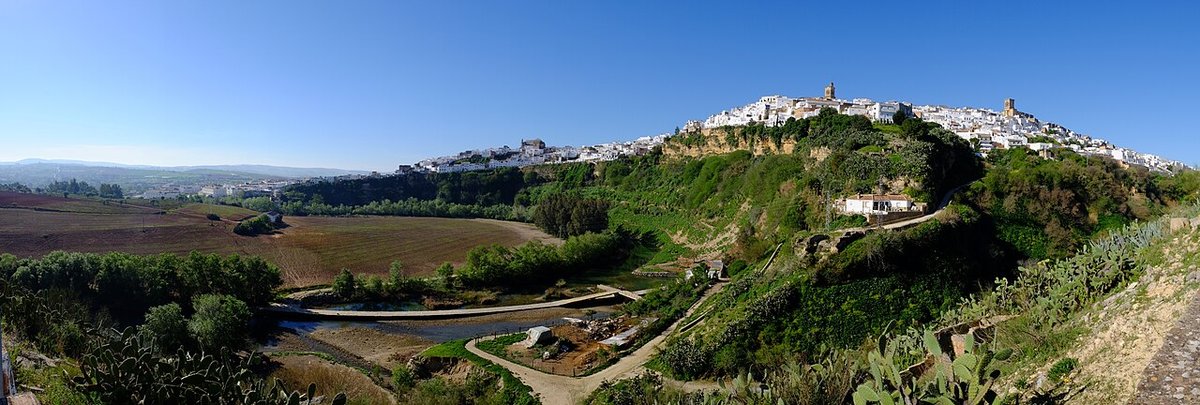
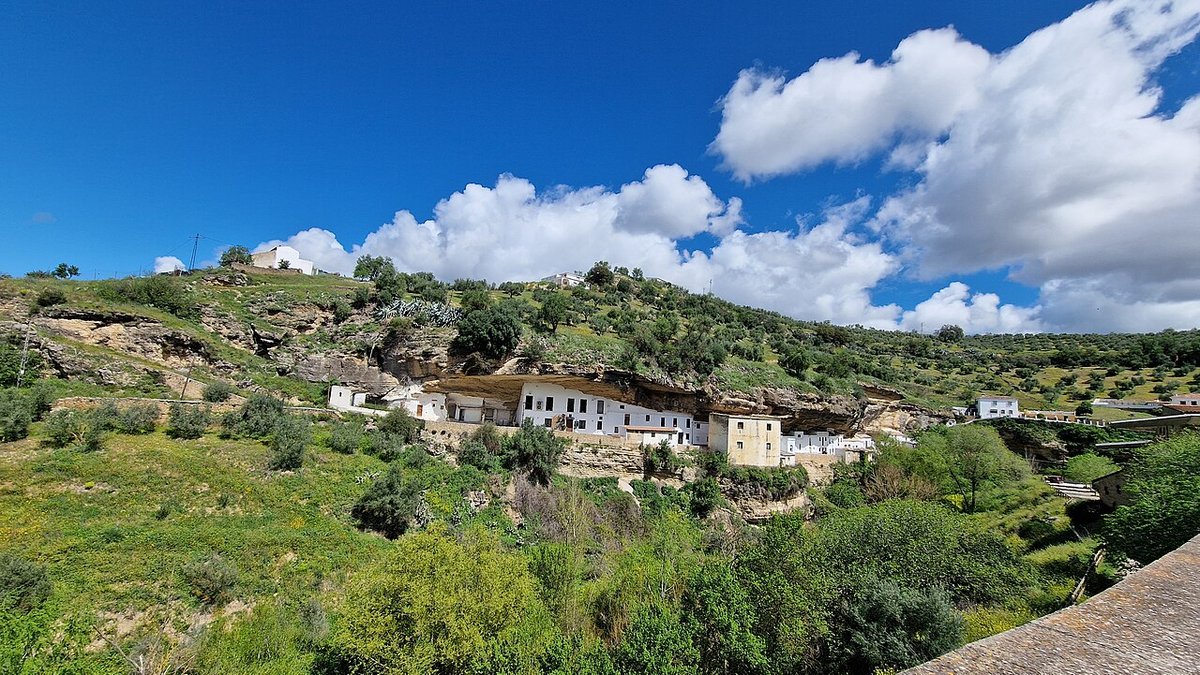
Ubrique had to build upwards. It occupies a steep slope at the confluence of two river valleys, with the peaks of the Sierra de Grazalema pressing close. Flat land was, and remains, a luxury. This topography directly shaped the leather trade. In its earlier, artisanal phase, drying hides required sunlight and air. Rooftops, small patios, and any available terrace became part of the production line. The work was integrated into the domestic space of the town, not confined to a distant industrial estate.
The transition to a more organised industry began in the 19th century and accelerated in the 20th. Workshops consolidated, and the production of specific goods—wallets, bags, technical articles—became systematised. While modern machinery now handles much of the heavy work, a walk through certain quarters still reveals open workshop doors. Inside, the older gestures persist: hand-cutting on thick wooden tables, the use of blade and mould, the dense aroma of cured skin. It is a continuous practice, not a museum piece.
Foundations at Ocuri
The Roman settlement of Ocuri, on a hill five kilometres from the modern town, provides a longer perspective. Its strategic position controlled routes between the coast and the serranía. The visible ruins include walls, cisterns, and a notable funerary columbarium—a circular structure for ash urns that is rare in this region. A stretch of the original Roman road, part of the route to Benaocaz, is still walkable. It is a tangible link to a time when this was a frontier zone, long before leather defined the local identity.
Urban Texture and Calendar
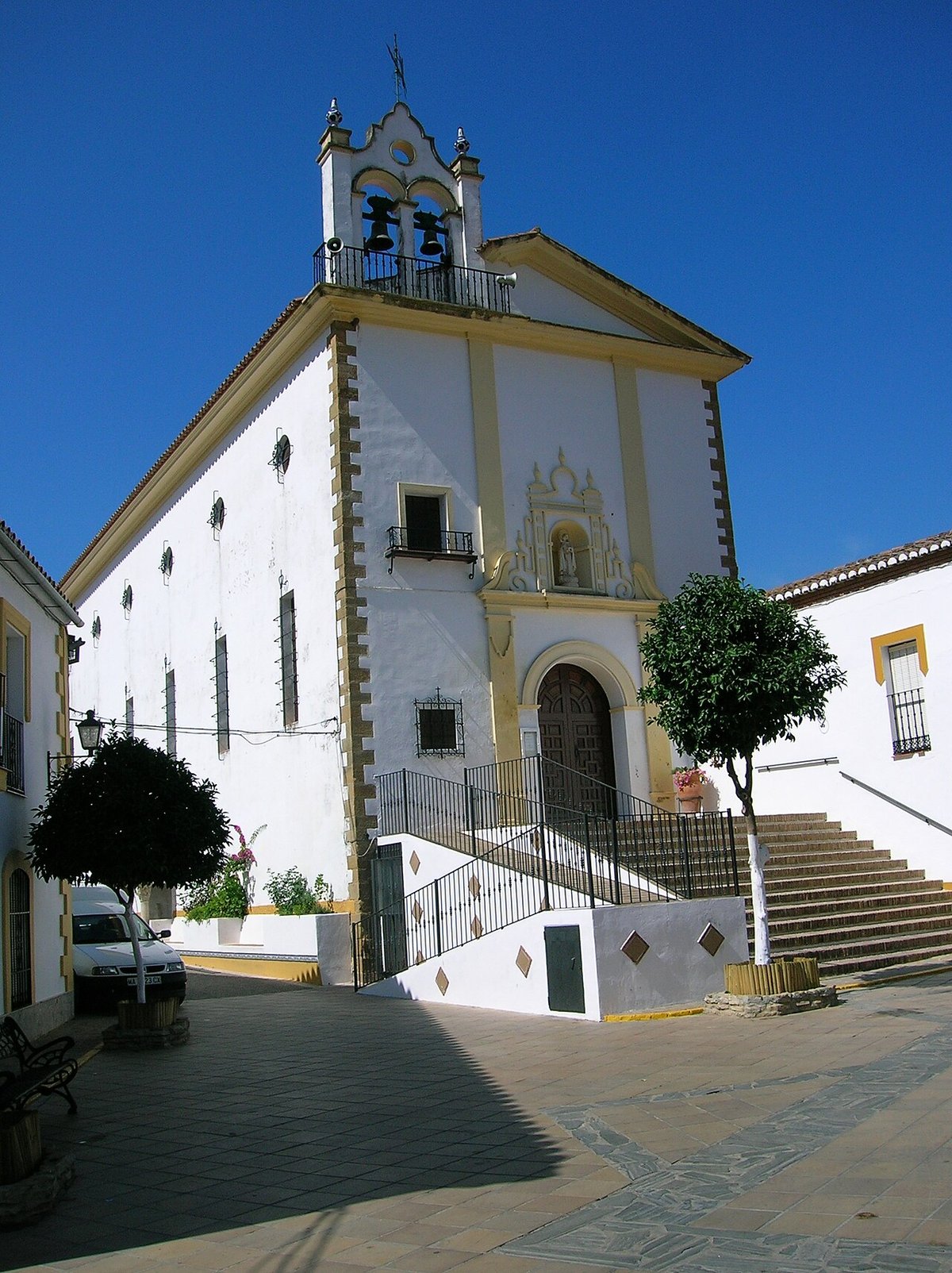
The historic core of Ubrique stretches between its two main churches. San Antonio, from the early 16th century, is the older. Its later Baroque tower is a local landmark. The 18th-century church of Nuestra Señora de la O reflects the town’s growth during that period. The San Juan neighbourhood, woven between them, is a maze of narrow streets and supporting arches that follow the severe gradient.
The annual rhythm here has two pronounced beats. Carnival has deep roots, expressed through satirical musical groups that perform in the streets. Holy Week processions navigate the steep inclines with a slow, deliberate pace suited to the terrain. Both events temporarily reshape the sound and movement of the town.
Viewpoints and Paths
To understand the setting, you need to see it from above. The peak of Simancón offers a panoramic view of how Ubrique sits at the junction of the Grazalema and Los Alcornocales natural parks. Several walking routes ascend from the town through cork oak forests, where the scars of periodic bark harvesting are visible on the trunks.
For a less demanding perspective, natural balconies along the Ubrique river valley provide a clear view of the town’s amphitheatre-like form. The layout makes sense only when seen in relation to the land that contains it.
A Table from the Mountains
The local cuisine is that of the sierra: straightforward and based on what the land yields. Berza serrana—a substantial stew—is common, as are tagarninas (wild thistles) when in season. Cured meats from local pigs and cheeses from sheep or goats grazing in the hills appear on most tables. The August fair sees these foods move from home kitchens into the public streets, accompanied by music and a particular communal energy.
Navigating the Slope
The town centre is best explored on foot, accepting the inevitable climbs and descents. A thorough walk can take two or three hours if you allow for the verticality. Practical footwear is advised. From Ubrique, marked paths lead into the surrounding countryside, including the aforementioned Roman road and routes following the river gorge. They offer a direct extension from the built environment into the natural one that has always sustained it.
In Ubrique, history is not layered in discrete sections but remains concurrent. The smell from a workshop vent, the path of a Roman road, and the line of a roof against the mountain are part of the same enduring conversation between place and livelihood.