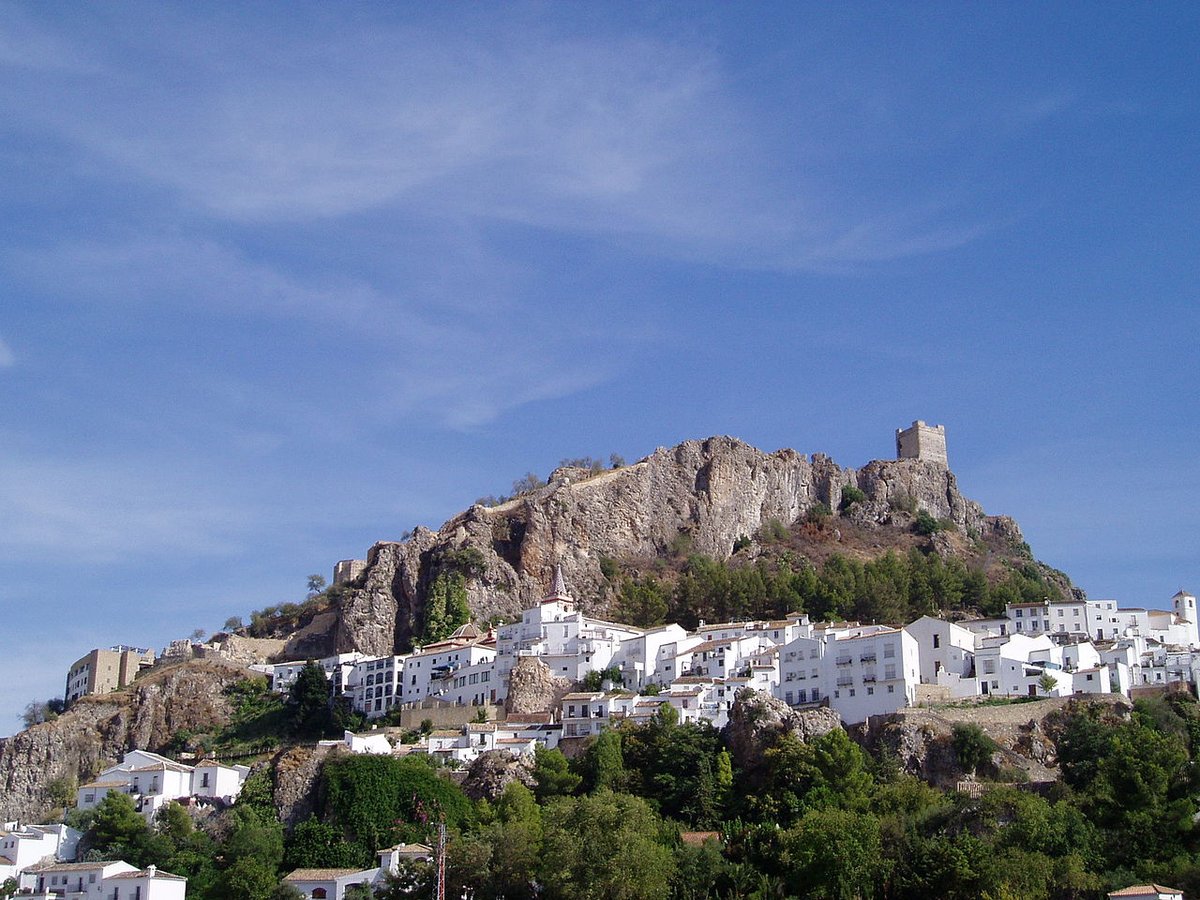
Alcazaba and Town (1).jpg
Andalucía · Passion & Soul

Zahara de la Sierra

The A-2300 corkscrews upwards for seven kilometres after the turn-off from Grazalema. Just when the hire-car's engine begins to protest, the road l...

1,344 inhabitants · INE 2025
500m Altitude

Why Visit

Mountain Castle and Tower of Homage Kayaking on the reservoir

Best Time to Visit

primaveraadamuz

Corpus Christi (June) Junio y Octubre

Things to See & Do
in Zahara de la Sierra

Heritage

  • Castle and Tower of Homage
  • Church of Santa María de la Mesa
  • artificial beach

Activities

  • Kayaking on the reservoir
  • Climb to the castle
  • Hiking in Garganta Verde

Full Article
about Zahara de la Sierra

A postcard-perfect village crowned by a castle above a turquoise reservoir; a historic-artistic ensemble of striking scenic beauty.

Ocultar artículo Leer artículo completo

The First Glimpse

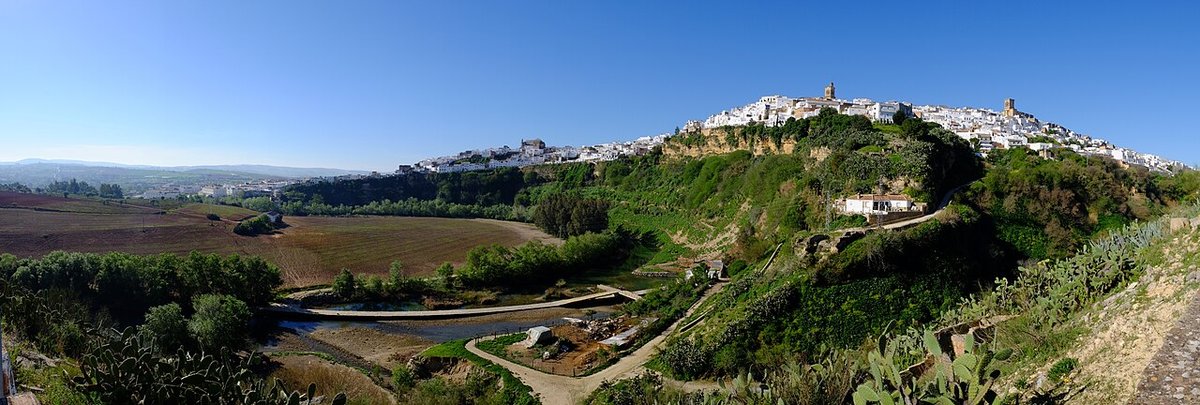
The A-2300 corkscrews upwards for seven kilometres after the turn-off from Grazalema. Just when the hire-car's engine begins to protest, the road levels and the village appears: a white fracture in the cliff-face, topped by a honey-coloured tower that seems to grow straight out of the limestone. Below it, the Zahara-El Gastor reservoir glints – sometimes jade, sometimes petrol-blue – depending on the cloud cover that rolls in faster here than anywhere else in southern Spain. Pull into the lay-by opposite the cemetery; mobile signal vanishes, but the view is free.

A Village That Still Belongs to Its Residents

Zahara’s permanent head-count hovers around 1,300, fewer than the number of British residents on some Costas. Yet the place feels alive rather than museum-like. Grandfathers still police the bench outside the Casa Consistorial; women emerge from doorways with plastic baskets of thyme and wild asparagus; the evening paseo takes place along the single traffic-free stretch between the two medieval arches. Tourism is welcome, not vital. A Monday morning in February can feel almost Alpine: wood smoke, church bell, silence. Come Saturday in April, coach parties from Seville clog the narrow upper streets for exactly ninety minutes – then vanish, leaving the plaza to the swallows.

The Uphill Bits

Park at the broken arch, Arco de la Villa, where the tarmac surrenders to cobbles. From here everything is gradient. The castle path starts politely enough, past geranium pots and a house selling home-made membrillo, then turns into a calf-burning staircase of fractured stone. Ten minutes, perhaps fifteen; no handrails, no health-and-safety signage, just the occasional arrow painted by the local hiking club. Trainers are essential; flip-flops will be punished.

At the summit the fortress rewards with a 270-degree platform: west across the reservoir’s tentacles, east into the Grazalema range where griffon vultures turn lazy circles. The tower itself is mostly air and memory – a few Nazarí battlements and a bell that still rings for festivals. The €3.50 ticket (buy it at the stone hut on the way up; cards accepted) also covers the tiny interpretation centre tucked inside a restored dwelling on the descent. There, a 3-D model explains why Zahara was the cork in the bottle between Granada and Seville during the 14th-century frontier wars. History lands harder after the climb.

Water, Thirst and Micro-Climate

Spain’s rainiest district is not in Galicia but here, inside the Grazalema biosphere reserve. Moist Atlantic air hits limestone and condenses; annual rainfall tops 2,200 mm. What this means for visitors: even when Seville bakes at 40 °C, Zahara can be 8–10 degrees cooler and suddenly wet. Pack a fleece in May, waterproof in October. The pay-off is greenery unheard of elsewhere in Andalucía: bracken on the upper slopes, oleander in the gullies, and the reservoir that never turns the milky turquoise of tourist brochures yet still photographs well at dawn.

Swimming is technically possible when levels are high enough, but the shore is stony and access involves a scramble through olive terraces. Locals prefer to kayak or paddle-board, launching from the campsite three kilometres south. Boards cost €15 an hour, paddles €12; the hire hut opens randomly outside July and August, so WhatsApp the number posted on the gate the evening before.

What to Eat Between Climbs

Forget international menus. Zahara’s bars cook what the sierra produces: payoya goat cheese, acorn-fed pork, mountain thyme honey. Order the sopa de siete ramales – a thick herb-and-bread soup originally made by shepherds with whatever seven plants they found on the drove-road. It tastes like liquid vegetation, surprisingly restorative after the castle scramble. Migas serranas, fried breadcrumbs laced with chorizo and grapes, appears at weekends; portions are modest by British standards, so add a media ración of grilled goat cheese drizzled with honey. The local white wine from Grazalema is light, almost Alsace-like; house glass rarely tops €2.50.

Al Lago on the main drag offers the only English menu card, but the cooking is serious: slow-braised bull’s tail with Pedro Ximénez, or artichoke hearts scrambled with wild mushrooms. A three-course lunch menu is €16 mid-week, wine included. Bar La Plaza, facing the church, keeps things simpler – toasted sandwiches, chips, cold Cruzcampo for children who refuse gazpacho. Most kitchens close by 16:00 and reopen at 20:00; plan accordingly or buy picnic bits at the tiny Ultramarinos on Calle San Juan (open till 14:00, siesta, then 17:30-20:30).

Walking Without the Crowds

The classic circuit to Puerto de los Acebuches starts 200 m beyond the cemetery. It’s a 7 km loop, 350 m of ascent, way-marked with green-and-white stripes. Allow two and a half hours, longer if you stop to watch vultures launching from the cliffs like hang-gliders. The path skirts the reservoir, climbs through dwarf oak, then contours back above the village – perfect for that aerial photograph without the castle scramble.

If you’ve booked ahead (essential at weekends), continue south to the Garganta Verde gorge: a 4 km descent into a 100 m chasm where griffons nest on ledges the size of dinner plates. Permits are free but capped at 120 people daily; apply online at the Junta de Andalucía portal, print the QR code, carry passport. After heavy rain the ranger closes the gate – check at the tourist office wedged under the town hall arcade.

Getting There, Getting Out

No railway arrives this high. Fly to Seville (two hours forty-five from Gatwick, Manchester or Bristol), pre-book a compact – not an SUV – because the final approach narrows to single-track with passing bays. Petrol stations are non-existent in the mountains; fill the tank at Villamartín, twenty minutes north. The drive itself is part of the theatre: cork-oak forests, limestone pinnacles, then the first sight of Zahara glued to its rock. Allow an hour and three-quarters from Seville airport, longer if you stop for the viewpoint at Puerto de las Palomas.

Public transport exists but requires monkish patience: one bus daily from Seville’s Plaza de Armas at 15:00, returning at 07:00 next morning. Useful only if you plan to sleep in the village and walk out again. Taxis from Ronda (45 min) cost around €70; book the return journey when you arrive because mobile reception inside the gorge is fictional.

When to Bail Out

Zahara repays two hours or two days, depending on enthusiasm for limestone and goat cheese. If the clouds drop below the castle, visibility shrinks to twenty metres and cobbles turn lethal. Retreat to Grazalema (25 min) for a coffee by a log fire, or continue to Ronda for the gorge you’ve already photographed. Sunday evenings feel sepulchral: last orders at 21:00, shutters down, only the streetlights and the bell tower for company. Plan to leave before the final bus departs, or book a room and embrace the silence.

Key Facts

Region
Andalucía
District
Sierra de Cádiz
INE Code
11042
Coast
No
Mountain
Yes
Season
primaveraadamuz

Livability & Services

Key data for living or remote work

2024
ConnectivityFiber + 5G
HealthcareHospital 23 km away
EducationHigh school & elementary
Housing~5€/m² rent · Affordable
Sources: INE, CNMC, Ministry of Health, AEMET

Official Data

Institutional records and open data (when available).

  • Castillo de Zahara
    bic Castillo/Fortaleza ~0.2 km
  • Iglesia de Santa María de la Mesa
    bic Edificio Religioso ~0.1 km
  • Panadería del Molino de Bocaleones
    bic Monumento ~2 km
  • Fábrica de Electricidad de Bocaleones
    bic Monumento ~2 km
  • Molino Harinero Bocaleones
    bic Monumento ~2 km
  • Molino de la Coronela
    bic Monumento ~2.7 km
Ver más (6)
  • Almazara el Vínculo
    bic Monumento
  • Cementerio de Zahara de la Sierra
    bic Monumento
  • Fuente de la Calera
    bic Monumento
  • El Pilar de Zahara I
    bic Monumento
  • Capilla de San Juan de Letrán
    bic Monumento
  • Fuente de la Higuera y Lavadero
    bic Monumento

Planning Your Visit?

Discover more villages in the Sierra de Cádiz.

View full region →

More villages in Sierra de Cádiz

Traveler Reviews