Full Article
about Chilluévar
Agricultural gateway to the sierra; quiet setting near the Guadalquivir.
Hide article Read full article
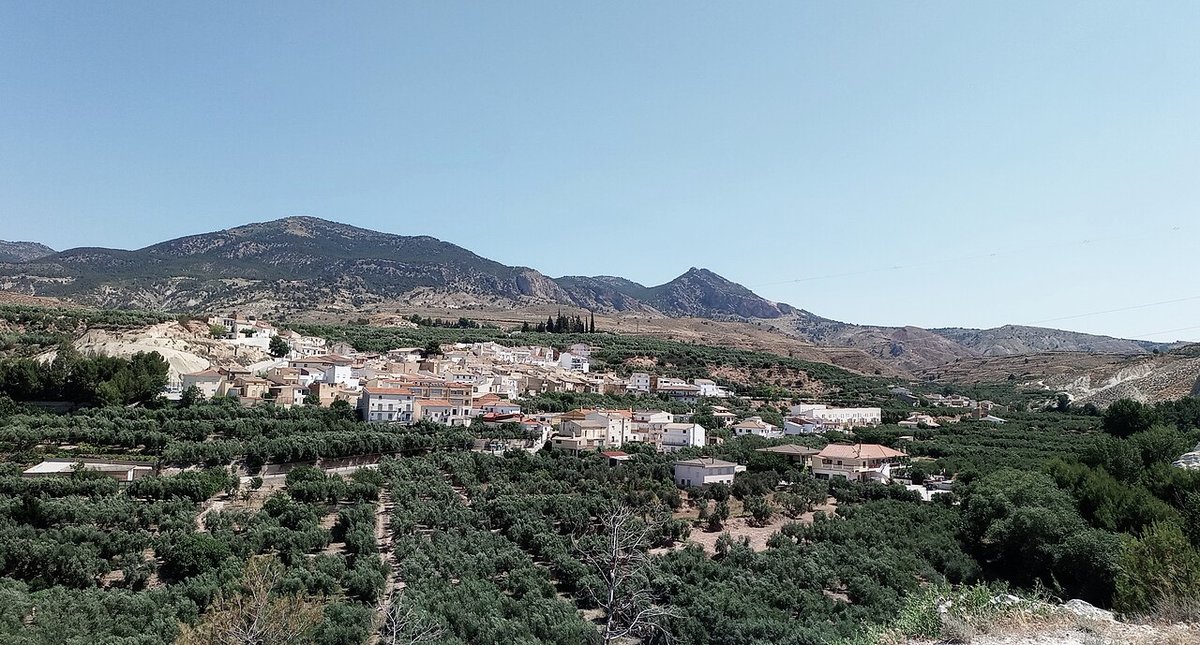
A Village That Appears Between the Olive Trees
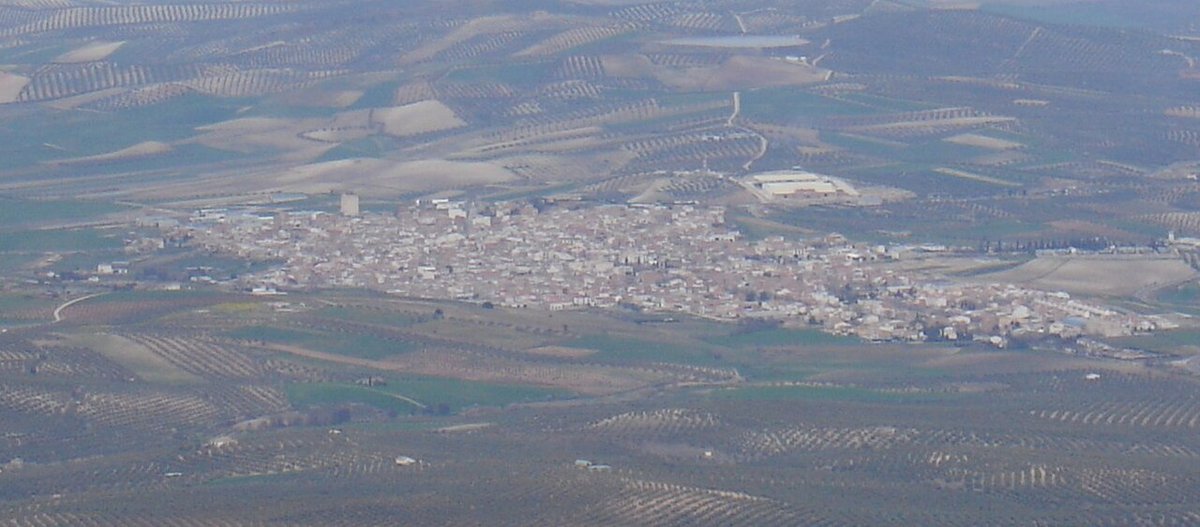
Some places you hear about for years before you ever see them. Others appear without warning, just as you are on your way somewhere else. Chilluévar tends to belong to the second group in the Sierra de Cazorla.
You drive through what feels like endless olive groves, take one more bend than expected, and suddenly the village is there. Quiet, unassuming, with very little noise around it.
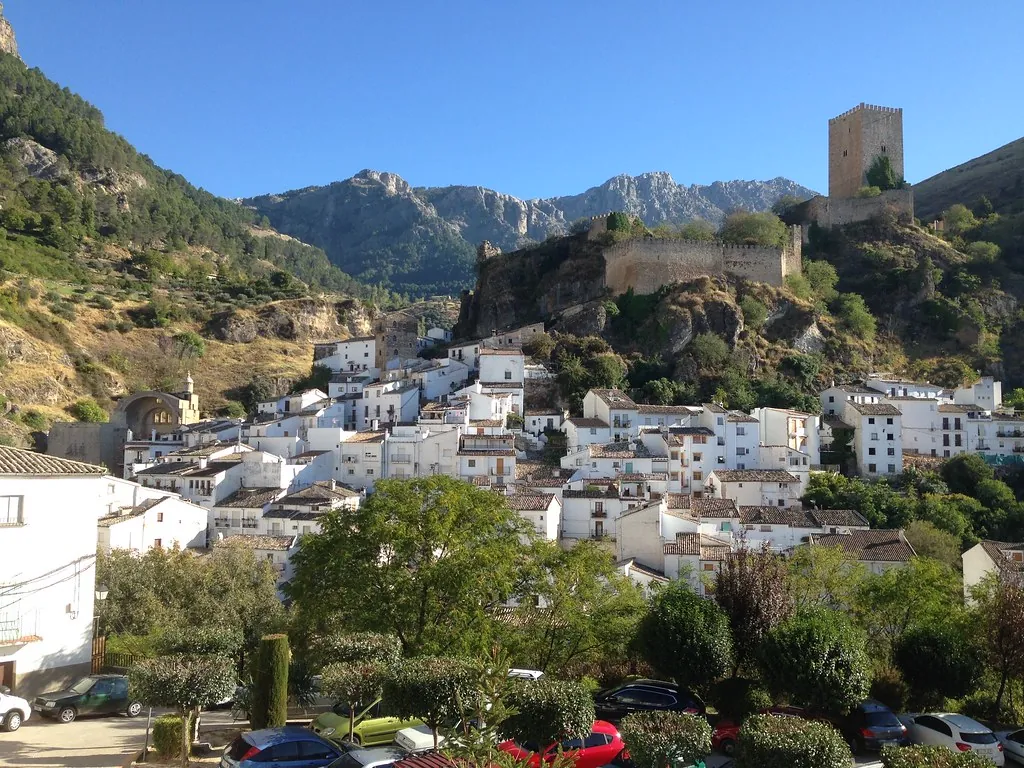
Chilluévar has around 1,300 inhabitants and lives mainly from the land. Here, the olive grove rules. The streets follow the pattern typical of this part of the province of Jaén: whitewashed houses, gentle slopes, neighbours still greeting each other across the road. It is not a place that arrives with big promises. And that, in many ways, is part of its appeal.
The Village and Its Surroundings
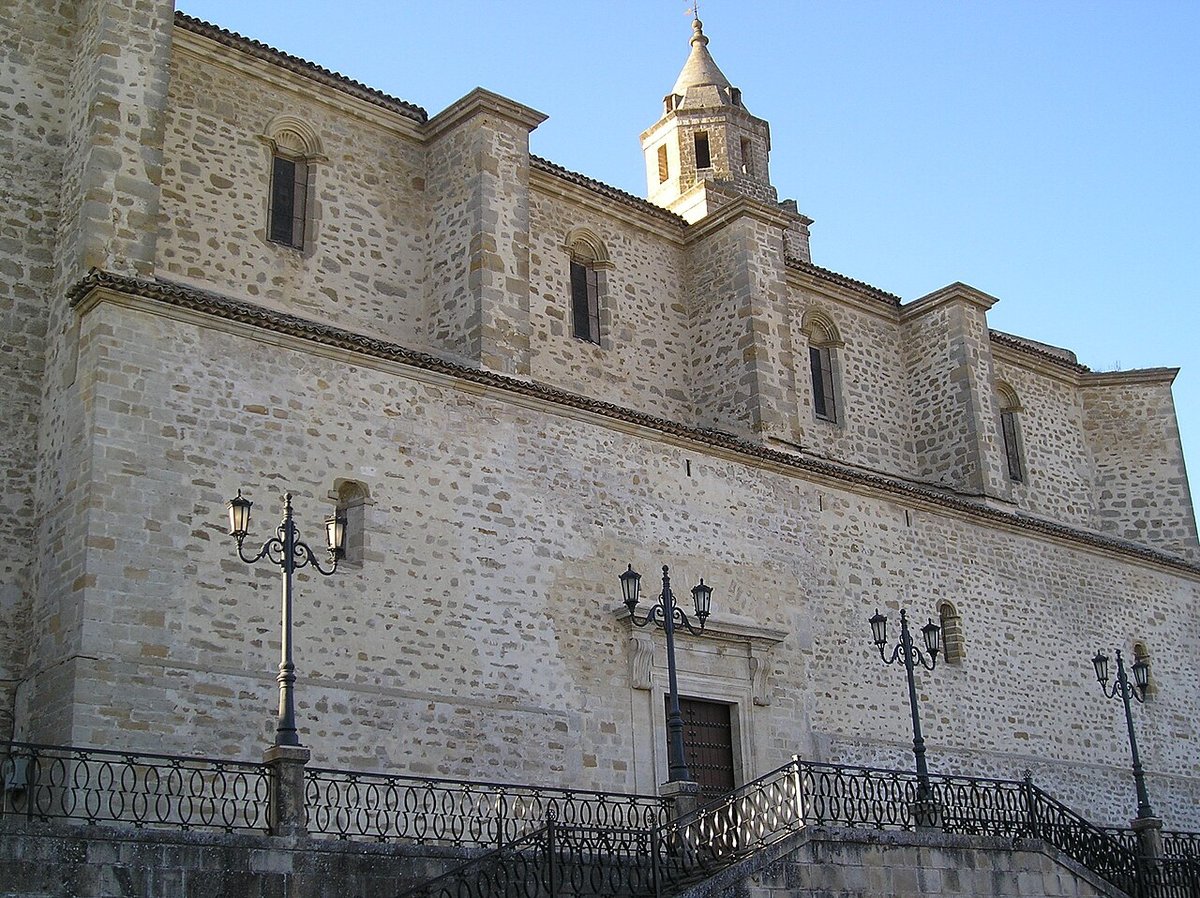
In the centre stands the parish church of San Andrés, one of the most recognisable buildings in Chilluévar. Built between the 16th and 17th centuries, it shows that transition between late Gothic and Renaissance styles found in many churches across the province. The tower can be seen from various points around the village and acts as a useful landmark when wandering through the streets.
The old centre can be explored quickly. Narrow streets, some with a noticeable incline, lead down towards the town hall area. By mid-afternoon there is usually a bit of movement: people stepping outside for fresh air, children running about, conversations drifting from doorway to doorway. In a city, scenes like this might pass unnoticed. In a small village, they set the rhythm of the day.
If you look closely, you can still spot a few larger houses. These date from the period when olive cultivation began to bring more prosperity to the village, especially from the 18th century onwards. They are not grand mansions, yet they reflect the agricultural story that continues to shape Chilluévar.
Then there is what surrounds the village, which in many ways is just as important as the centre itself: kilometres upon kilometres of olive trees. From almost any exit out of town, rural tracks lead straight into the groves. Some of these paths head towards small hermitages or scattered farmhouses. The ermita de San Isidro appears among the fields almost unexpectedly, a modest presence in a landscape dominated by agriculture.
Walking Without Complication
One of the practical pleasures of Chilluévar is that you do not need to plan a complicated excursion to enjoy a walk. Step out of the village and within minutes you are on a dirt track between olive trees.
These are not waymarked routes in the style of highly managed natural parks, yet they are straightforward enough. They are traditional agricultural tracks, the kind used by tractors during the harvest season. With water, a hat when the sun is strong, and a bit of common sense, there is little else required.
The landscape shifts noticeably with the seasons. In spring, grasses and wildflowers appear between the olive trees. In summer, everything turns drier and dustier. In winter, when the olive harvest begins, the countryside takes on a different energy. There is constant movement, people working among the trees, a reminder of what truly sustains this area.
The setting is simple but expansive. Long lines of silvery-green trees follow the curves of the land, and the sense of repetition becomes part of the experience. It is less about ticking off viewpoints and more about settling into the steady pattern of rural life.
Food Rooted in the Land
Cooking in Chilluévar revolves around what is close at hand: olive oil, local produce, recipes that do not require elaborate preparation.
Migas remain a familiar dish, particularly when the weather turns cooler. This traditional preparation, based on breadcrumbs or flour, often appears with pieces of meat or whatever is available that day. Hearty stews are common too, along with dishes linked to small game, which has long been present across the sierra.
There are also traditional sweets such as gachas dulces, typically prepared at certain times of the year. They are straightforward and filling, the kind of food that carries the scent of good olive oil from the kitchen. Nothing elaborate, just village cooking shaped by the seasons and by what the surrounding land provides.
In a place where olive oil underpins almost every recipe, the connection between agriculture and the table is clear. The groves outside the village are not a backdrop. They are the basis of daily life.
Local Festivals and Traditions
Celebrations in Chilluévar still feel very much like neighbourhood gatherings. The main festival honours San Andrés and traditionally takes place at the end of November. During those days, the pace of the village changes. There are processions, events organised by religious brotherhoods, and many people return because they have family ties here.
In May, the Cruces are celebrated. Decorative altars appear in different streets, prepared by local associations and residents who put considerable effort into their displays. It is a collective activity, with each group contributing its own interpretation.
A few days later comes San Isidro Labrador, closely linked to the agricultural world. As the patron saint of farmers, San Isidro holds particular importance in a municipality where almost everything revolves around olive cultivation. The romería, a traditional pilgrimage that usually involves a procession to the countryside, and the events surrounding the saint still carry weight in local life.
These festivities are not designed as spectacles for large crowds. They continue because the people of the village maintain them, year after year.
When to Go and How to Reach It
Chilluévar lies around 45 kilometres from the city of Jaén. The drive passes through large stretches of olive groves, so the landscape accompanies you for much of the journey. From Úbeda it is considerably closer, roughly a little over twenty minutes by car along regional roads.
As for timing, spring is often a pleasant season for walking in the surrounding countryside. After the summer, there is another appealing period. The heat begins to ease and the light over the olive groves changes, softening the tones of the landscape.
Chilluévar is not a destination of grand monuments or endless lists of attractions. Its scale is modest, its pace unhurried. What it offers is something quieter: a village shaped by olive trees, seasonal work and traditions that still belong, above all, to the people who live there.