Full Article
about Hinojares
The smallest municipality in the province; known for its semi-desert landscapes and salt flats.
Ocultar artículo Leer artículo completo
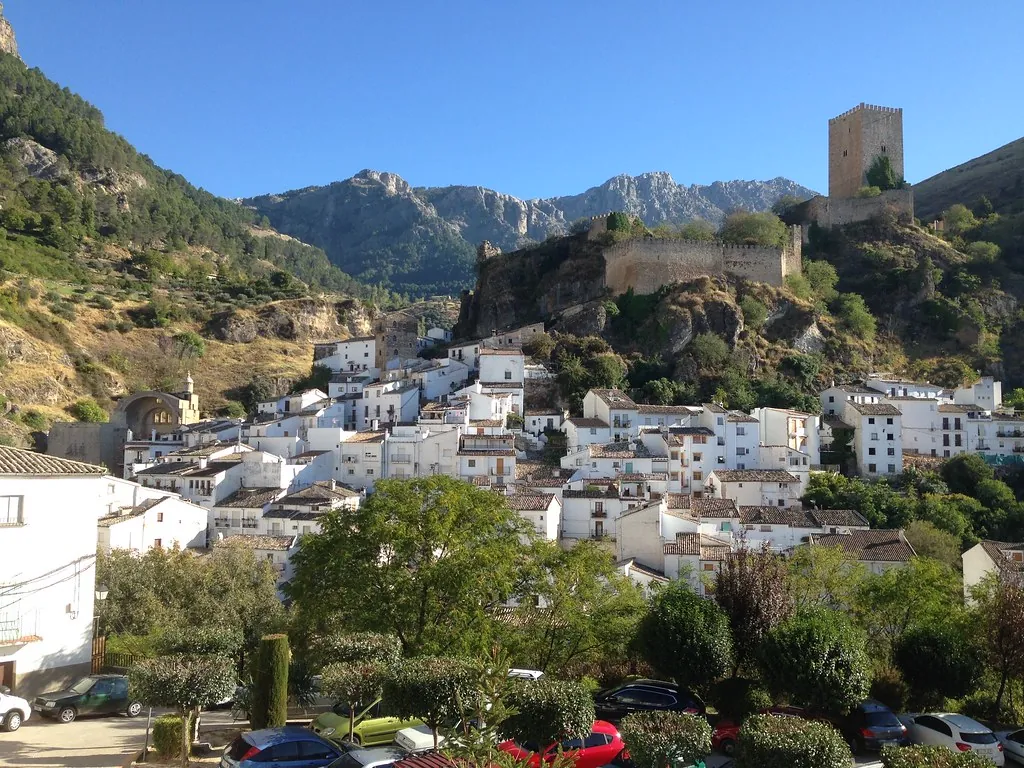
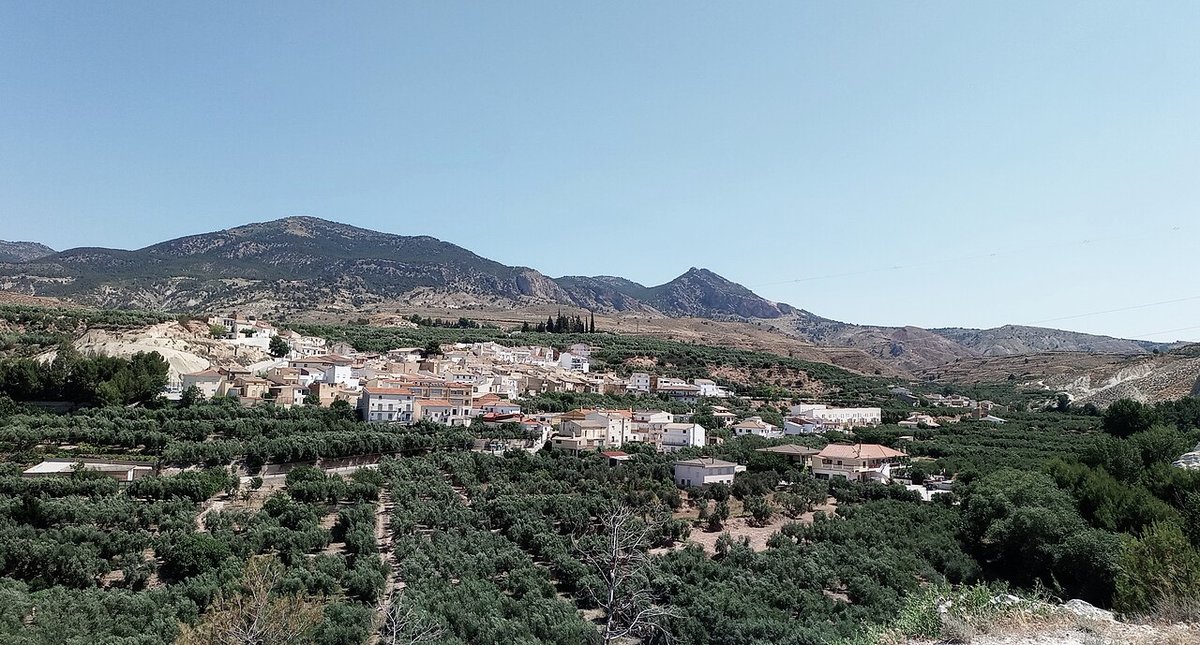
The church bell strikes seven and the sound ricochets off whitewashed walls, down narrow lanes barely wide enough for a donkey, and out across olive groves that shimmer silver in the morning light. Somewhere below, a dog barks once, then thinks better of it. In Hinojares, population 325, nobody wants to make too much noise before the sun has properly climbed over the ridge.
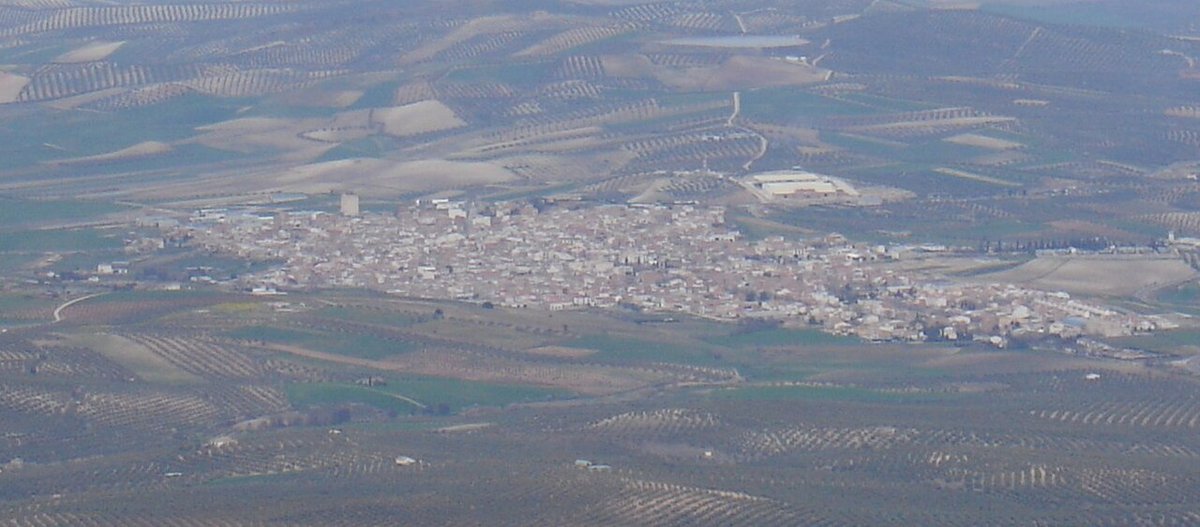
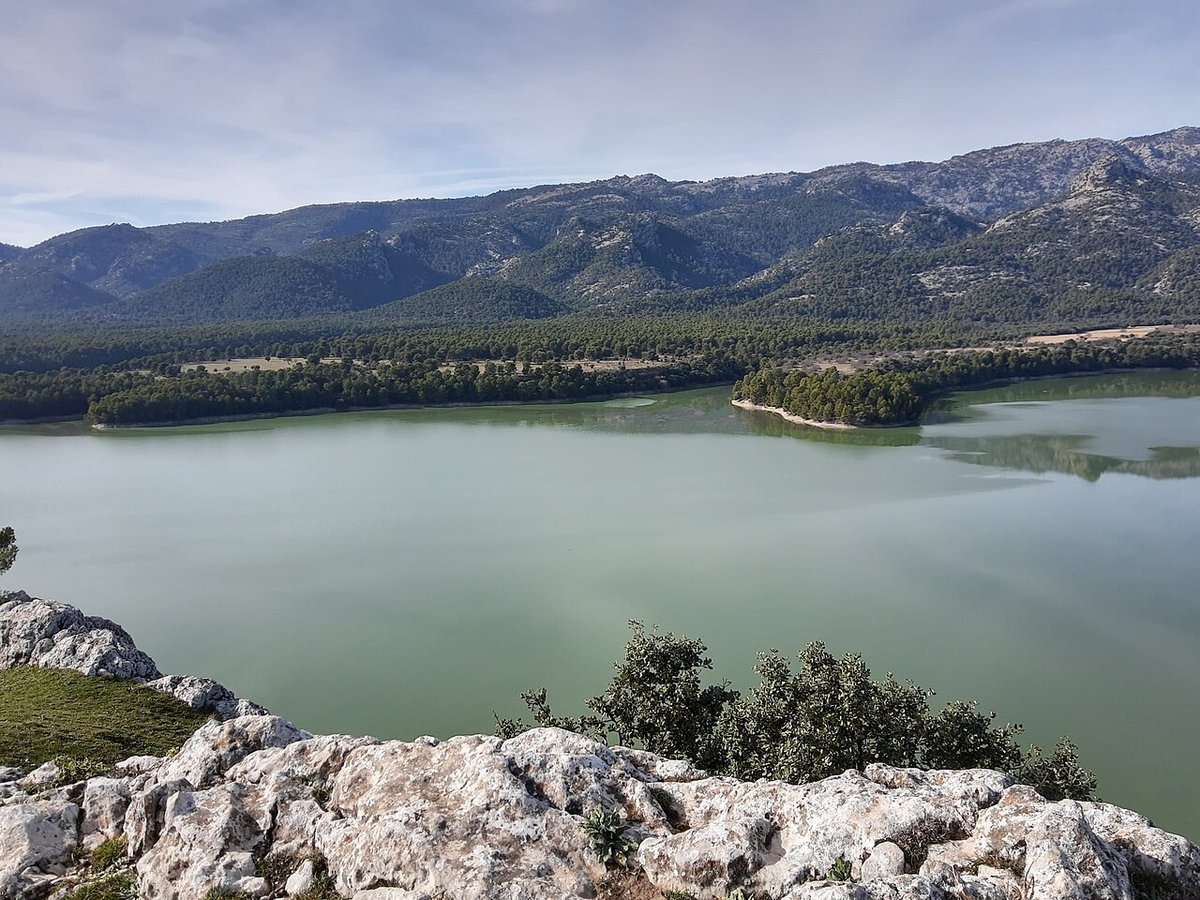
This miniature pueblo sits at 670 m on the southern lip of the Sierra de Cazorla, 130 km inland from Málaga. The village itself takes twenty minutes to circumnavigate at dawdling pace, yet the moment you step beyond the last house you are in Spain’s largest protected area: the Sierras de Cazorla, Segura y Las Villas Natural Park, 214,300 hectares of pine, oak and crag where ibex outnumber people. That ratio suits Hinojares fine. It has never marketed itself as a destination, more a staging post for anyone who prefers hoof beats and wing beats to beach-bar play lists.
Streets that remember the mule
No one arrives here by accident. After leaving the A-319 at La Iruela, the JA-7200 twists for 19 km through sandstone gorges where griffon vultures circle overhead and the tarmac narrows to a single polite lane. The first houses appear suddenly, perched above a small ravine, their roofs of Arab tile weathered to the colour of burnt toast. Parking is wherever you can squeeze a tyre into a recess – there are no meters, no wardens, and rarely more than three cars at a time.
Inside the village the gradient is gentle enough for pushchairs, but the cobbles demand sensible footwear. Electricity cables have been buried, so nothing interrupts the sky-line of chimney pots and the odd stork nest. Walls are thick, windows small, paint almost exclusively white. The only flourish is the occasional turquoise or mustard balcony added by a returning expat who discovered that council permission is usually a nod and a “ya está”. The overall effect is less chocolate-box, more working-farmyard: a place that happens to look good because it has never tried to.
The heart is the Plaza de la Constitución, really just a widening in the lane outside the parish church. The building is 16th-century, rebuilt after an earthquake, its tower clad in local stone the colour of digestive biscuits. The door stands open; inside, the air smells of candle wax and the floor slopes like a ship’s deck. Evening light filters through alabaster windows and lands on a statue of the Virgen de la Cabeza, patron of the surrounding hills. On ordinary days the only soundtrack is the creak of a slow-moving ceiling fan. On fiesta days – 15 August for the patronal, 8 September for the Virgen – the square fills with plastic tables, paper lanterns and a sound system that could wake the next province. Even then, things wrap up by 02:00; villagers need to be up for the goats.
Walking before the heat finds you
Trail markers are discreet: a stripe of yellow paint on a stone, a wooden post half hidden by rosemary. One of the shortest loops, the 4 km Ruta de la Fuente, starts behind the cemetery and climbs gently through abandoned terraces of olives and almonds. Black-eared wheatears flit from branch to branch; wild marjoram releases scent when trodden on. Halfway up, a stone trough still collects spring water – drinkable, though most hikers play safe and carry their own. The path tops out at a limestone lip where the Guadalquivir valley spreads south like a crumpled green blanket. On a clear morning you can pick out the white speck of Cazorla 25 km away and, beyond that, the hazy blue wall of the Subbética range.
Longer routes plunge deeper into the park. The Sendero de los Molinos follows the Rio Hinojares for 12 km, passing ruined watermills and pools deep enough for a brief plunge – remember that the water comes straight off the mountain and even in July is heart-attack cold. For a full day, the 18 km ascent of Gilillo (1,847 m) starts 6 km north of the village at the Puente de la Herrería. The trail gains 900 m through pine and then bare rock; the summit gives a 360-degree sweep that on haze-free days reaches the rooftops of Granada. Take more water than you think – there is none after the first hour and summer temperatures can touch 35 °C by 11:00.
What passes for lunch
Food is not why you come to Hinojares, but you will not go hungry. The only proper restaurant is attached to the Hotel Rural Valle del Turrilla on the edge of the village. Menu del día is €14 mid-week, €18 at weekends, and runs to grilled pork secreto, trout from the Borosa river, and a thistle-scrambled revuelto in spring. Chips arrive unless you specify otherwise; the kitchen will swap for roasted peppers without fuss. Vegetarians get a nod with a goat’s-cheese salad that is actually more cheese than leaf. Pudding is either flan or the local quince jelly with mató – a fresh cheese reminiscent of unsalted ricotta.
For self-caterers, the single grocery opens 09:00-13:30, reopens 17:30-20:30, and stocks UHT milk, tinned tuna, local chorizo and a surprisingly good Alhambra Reserva beer at €1.65 a bottle. Bread arrives at 10:30; if you want a baguette, be there by 11:00 or the supply is gone. There is no butcher: the next meat counter is in Cazorla, so flex your menu around eggs, beans and the excellent olive oil produced by the cooperative at neighbouring Huesa. A 500 ml tin costs €6 if you ask at the counter – bring cash, they do not take cards and the nearest ATM is a 25-minute drive away.
Seasons that change the deal
Spring is the kindest months. Daytime temperatures hover round 20 °C, nights cool enough for a jacket, and the Sierra erupts in rockrose and lavender. Bird activity is frantic: bee-eaters return from Africa in late March, golden orioles whistle from poplars, and griffon vultures ride thermals overhead. This is also when villagers burn the stubble in the olive groves; mornings can smell like a giant bonfire, and the haze softens photographs to postcard softness.
Autumn brings mushroom foraging. Locals head out at dawn with wicker baskets and the certainty that strangers will be watched. Slip an identification guide into your rucksack – nipping off a death cap will not win friends. The olive harvest starts in November; the cooperative presses at night and the air carries a green-grass scent that makes you hungry for bread. Expect occasional road closures as tractors drag nets across lanes.
Summer is honest-to-goodness hot. By midday the streets empty; even the swifts disappear to shade under roof tiles. Sensible schedules shift: walk at 07:00, siesta 14:00-17:00, re-emerge for beer at 19:00 when the church wall finally casts a stripe of shadow. Nights drop to 17 °C – perfect for sleeping but too cool for a pool party, which is why many rental cottages do not bother with one. If you must visit July-August, book a room with thick stone walls and shutters that close; air-conditioning is rare and fans merely push hot air around.
Winter is quiet. Daytime highs can reach 14 °C, but the moment the sun slips behind Gilillo the thermometer plummets. Log smoke drifts from chimneys; the bar lights its iron stove and conversation moves within a three-metre radius of it. Snow is infrequent below 1,000 m yet possible – a dusting in January 2021 cut power for six hours and turned the access road into a toboggan run. Chains are not obligatory, but hire companies at Málaga airport will supply them for €3 a day if you ask in advance.
Getting there, getting out
The fastest route from the UK is into Málaga before 12:00, collect a hire car and head north on the A-92. After 90 km leave at junction 284 for the JV-2302 through Úbeda’s olive sea. Total driving time is 2 h 30 min unless you meet a slow lorry on the mountain stretch – likely – in which case add 30 min. Petrol stations are scarce after Lupión; fill the tank while you can.
Public transport exists but feels like a prank: one ALSA bus leaves Úbeda at 06:45, reaches Hinojares at 08:20, and turns around at 14:30. Miss it and you are spending the night, whether you planned to or not. Taxis from Cazorla cost €35 if you negotiate in advance; Uber does not operate and the local taxi number goes to voicemail after 21:00.
When to book, when to leave
Accommodation totals three small hotels and a handful of cortijos converted into rentals. During patronal week (around 15 August) every bed is taken by returning families; reserve six months ahead or stay in Cazorla and day-trip. Easter is quieter but still busy by village standards. Outside those periods you can turn up in April or October and find space, though weekends fill with Spanish walkers who know the value of a €45 double room that includes breakfast cheese and a view of vultures.
Leave before checkout time drifts past 12:00; the proprietor may have disappeared to feed chickens and the key drop is an honesty box nailed to the door. Drive slowly out – the lane dips under overhanging reeds and a sudden pothole has been known to swallow a tyre whole. Once back on the A-319, the Sierra shrinks in the rear-view mirror and the wider world rushes in. Hinojares does not mind. It will still be there when the bell strikes seven tomorrow, and the dog will bark exactly once.