Full Article
about Huesa
A town of striking contrasts between plain and mountain, noted for its archaeological remains.
Ocultar artículo Leer artículo completo
The morning tractor convoy starts at seven. By half past, diesel fumes mingle with the scent of wild thyme as farmers head for groves that stretch beyond the horizon. This is daily life in Huesa, a workaday Andalusian village that measures its wealth not in tourists but in tonnes of picual olives—and where the siesta is still taken seriously.
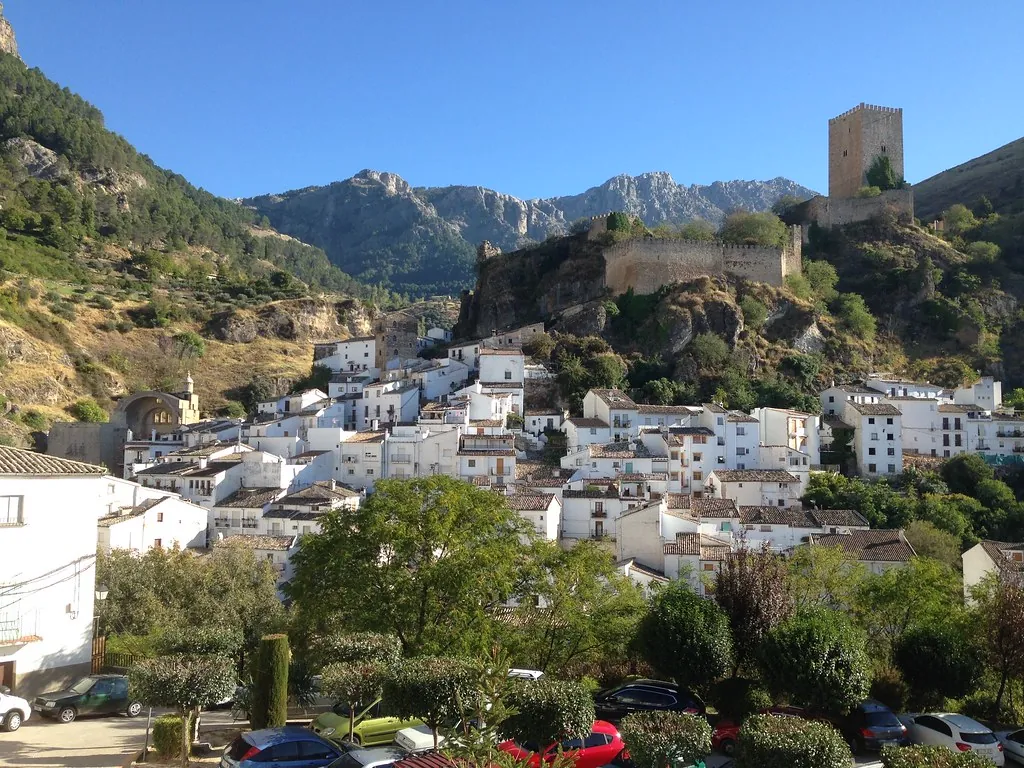
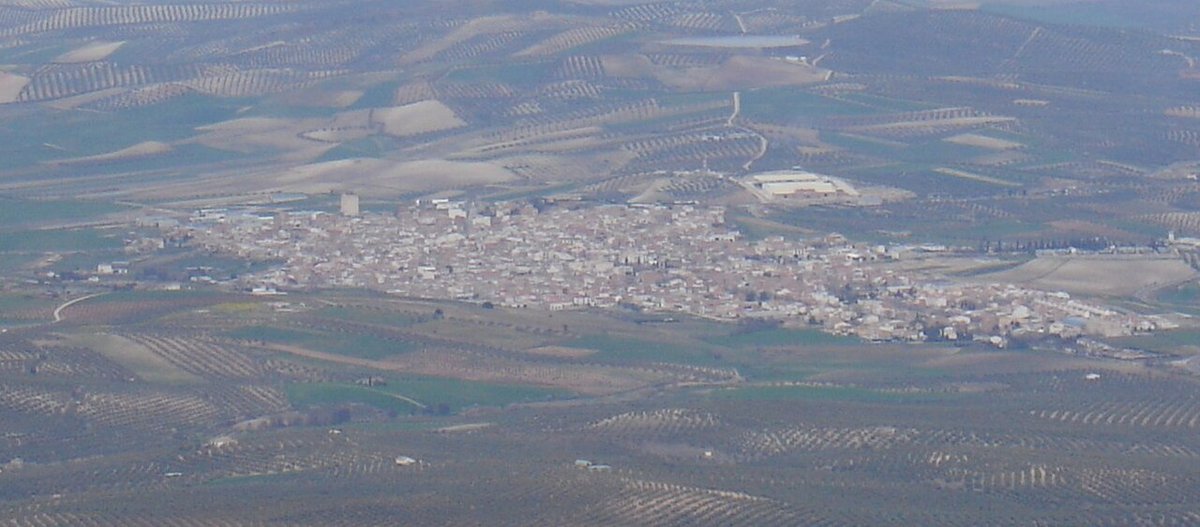
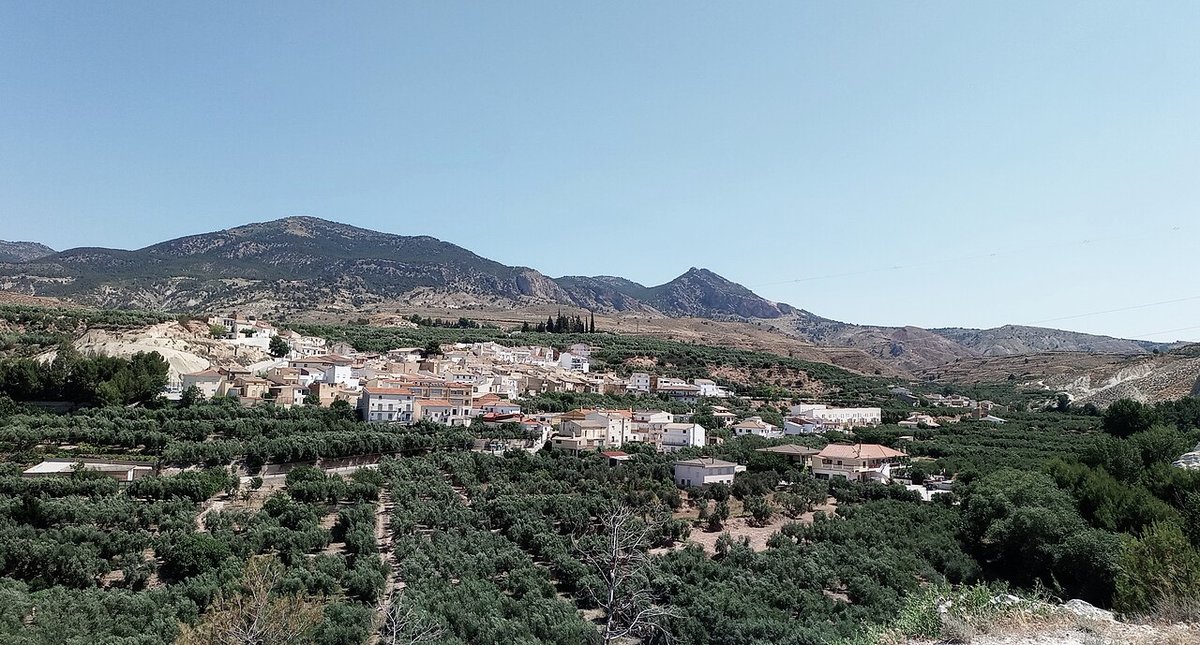
Perched at 655 m on the southern lip of the Sierra de Cazorla, the settlement commands a natural balcony over the Guadalquivir valley. From the upper barrio the view is almost monotonous: a rolling carpet of silver-green until the mountains bruise the sky. It is the sort of sight that makes map-makers reach for broader brushes, yet the uniformity is oddly soothing, especially when the wind sets the whole plantation rippling like a wheat field.
Stone, Iron and Olive Oil
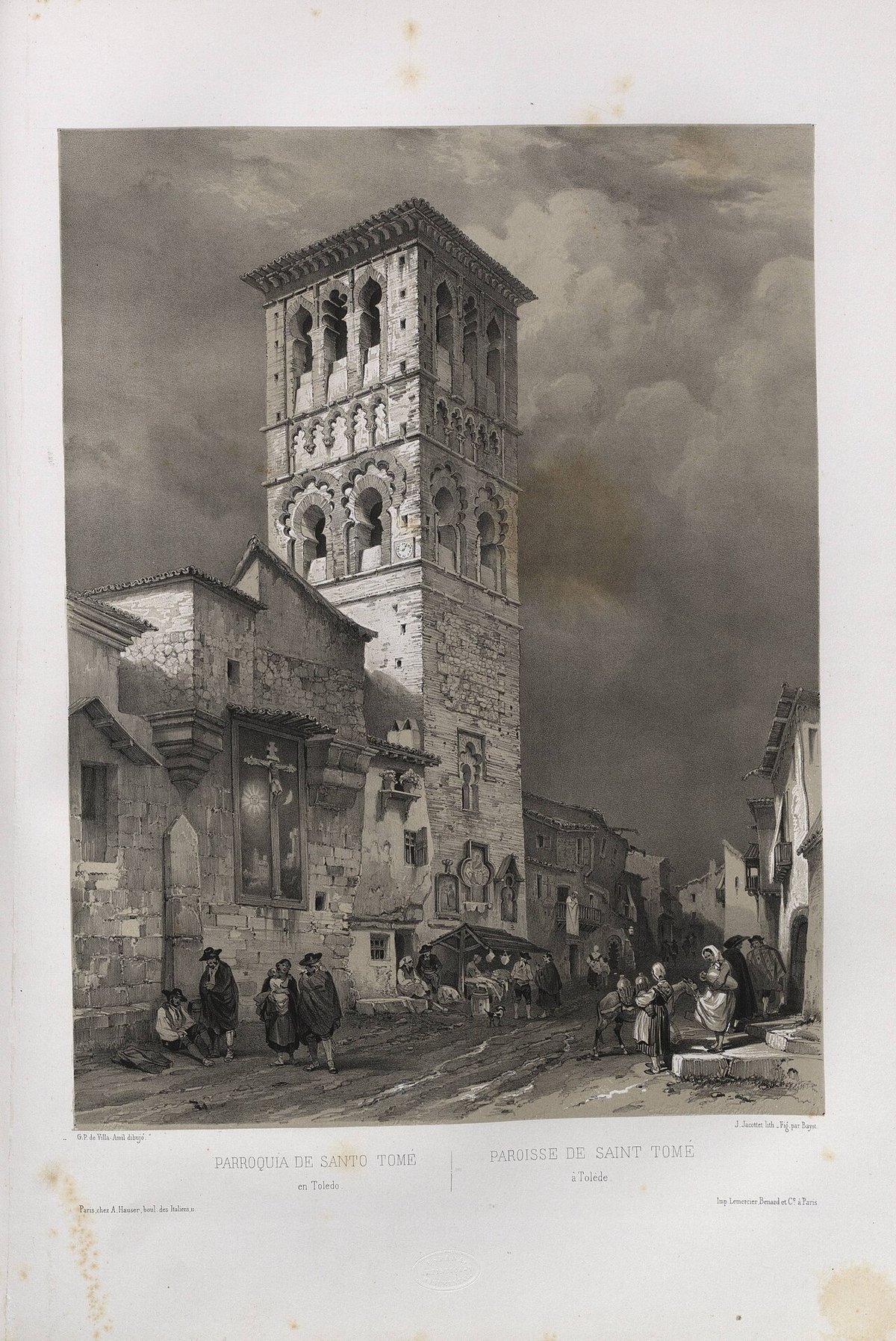
Architecture here is stubbornly practical. The sixteenth-century Iglesia de la Encarnación squats at the top of Calle Nueva, its Renaissance portal the only overt flourish in a town built for agricultural survival. Step inside and the temperature drops ten degrees; gilt retablos glint in the half-light while elderly women count rosaries in barely audible Spanish. Further down the lane, manor houses wear iron balconies thick with rust—some freshly painted, others flaking like old pastry. Their ground floors once stabled mules; today they garage Seat Ibizas and store nylon picking sacks.
Public space revolves around Plaza de la Constitución, a rectangle of cracked concrete shaded by three plane trees and a bandstand used twice a year. The ayuntamiento flies a faded EU flag beside the Andalusian tricolour, a quiet reminder that Brussels helped pay for the new irrigation pipes gurgling beneath the olives. Order a café solo at Bar Central and you will be charged €1.20, provided you stand at the counter; prices leap if the waiter has to walk to a terrace table.
Walking Among Million-Year-Old Seas
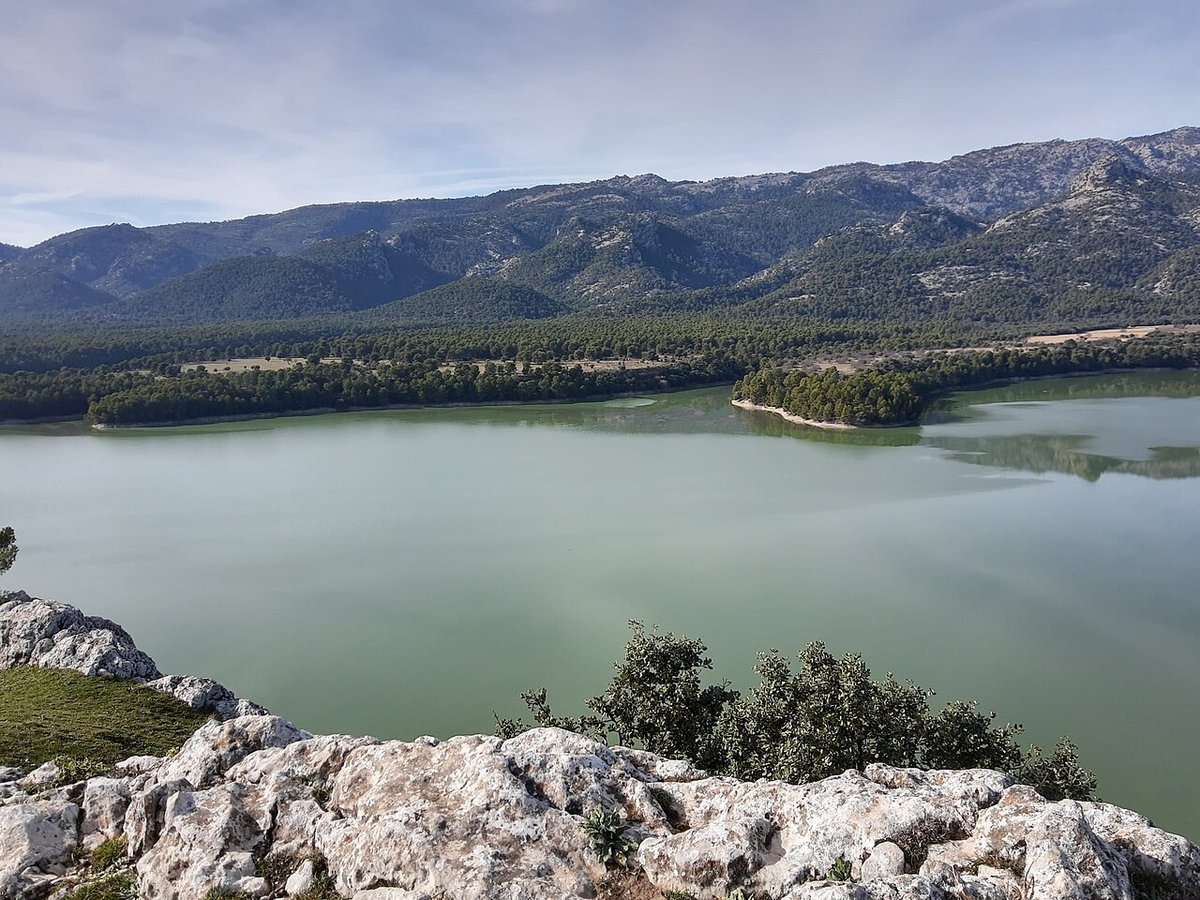
Leave the last houses behind and the landscape instantly reverts to something close to prehistory. A signed footpath, the Ruta de la Estrella, drops into the Cañada de la Cruz, a dry watercourse paved with limestone shards full of marine fossils—evidence that these hills once lay under a warm Tethys sea. The track climbs gently through rosemary and gorse, gaining 250 m in 4 km before meeting an old mule road that once carried snow to coastal sherries. June walkers should start early; by eleven the thermometer nudges 34 °C and shade is scarce. In March the same trail can be done in a fleece, with wild asparagus sprouting among the rocks and griffon vultures wheeling overhead like paper planes.
Serious hikers use Huesa as a budget alternative to Cazorla’s packed campsites. The park boundary lies 25 minutes north by car; from there the ascent to Cerrada de Elías gorge is one of Andalucía’s finest day walks, involving steel catwalks bolted to ochre cliffs and a waterfall that actually flows even in late summer. Back in the village, boots can be hosed down at the public lavadero, the old washing trough still fed by a Roman-era acequia.
What Arrives on the Plate
Food is calibrated to replace calories spent on hillsides. Breakfast might be tostada rubbed with tomato and topped with ventresca tuna, the bread soaked until it resembles a savoury bread-and-butter pudding. Lunch is heavier still: gazpacho de cuchara, a thick stew of beans, morcilla and mint rather than the chilled tomato soup Britons expect. The local olive oil—DOP Sierra de Cazorla—has a peppery kick that catches the throat; locals drizzle it over everything, including orange segments served as dessert. Vegetarians should ask for “migas de pastor” without the chorizo; the dish becomes a filling hash of fried breadcrumbs, garlic and grapes that tastes surprisingly like stuffing.
Evening menus revolve around whatever game the weekend hunt produces. Talarines de liebre, hand-cut pasta simmered with hare, appears from October to January; the sauce is dark, almost chocolatey, and needs half a litre of rough red to wash it down. If that sounds too medieval, most bars will oblige with grilled kid goat scented with thyme honey—sweet, smoky and mercifully light. Desserts are grandma-level comfort: torrijas soaked in syrup and cinnamon, or leche frita, squares of custard fried in olive oil that defy both logic and cholesterol counters.
When the Village Lets its Hair Down
Festivity arrives the first week of October, when the Virgen del Rosario is paraded through streets carpeted with rosemary sprigs. The population doubles as emigrants return from Barcelona and Madrid; spare rooms are commandeered, sofas claimed, and someone inevitably ends up asleep in the olive press. Daytime processions are solemn, but by midnight the plaza morphs into an open-air disco with a sound system that would shame a small festival. Bring earplugs unless you fancy reggaeton at aircraft-decibel levels until five in the morning.
Winter visitors, meanwhile, catch the tail end of olive harvest. From November to January the cooperative’s mill runs 24 hours; the air tastes of grass and green bananas, a sign that extra-virgin oil is being extracted at less than 27 °C. Visitors are welcome to watch, though the foreman will expect you to sample the first pour on crusty bread with nothing more than a pinch of salt. It is, locals claim, the original energy drink—one tablespoon sustains a picker until the two o’clock lunch bell.
Getting There, Staying Sane
Public transport is more theoretical than actual. One bus leaves Jaén at 14:15, arriving in Huesa at 16:00 after a milk-run through half the province. The return departs at six the following morning, which rather presumes you enjoy sleeping on park benches. Car hire is the sensible option: the A-315 threads south-east from Jaén through endless olive monoculture, then twists uphill for the final 12 km. Petrolheads will enjoy the switchbacks; vertigo sufferers should keep eyes front. In August the asphalt shimmers at 40 °C; December can bring morning frost, but snow rarely settles below 800 m.
Accommodation is limited to three guesthouses and a clutch of rural cortijos converted into self-catering cottages. Prices hover around €70 per night for a double with breakfast; expect Wi-Fi that works in one corner of the patio if the wind direction cooperates. There is no bank, no petrol station and, crucially, no cashpoint—stock up on euros in Cazorla or risk washing dishes to pay for dinner.
The Bottom Line
Huesa will not dazzle selfie-hunters. It offers no Moorish fortress, no boutique hammam, no Michelin stars—yet that is precisely its appeal. The village functions as it has for decades, adjusting to modernity at its own unhurried pace. Come for the olive oil straight from the centrifuge, stay for the dusk chorus of swallows and the realisation that, somewhere between the fossils and the fossil-fuel tractors, life has continued with admirable consistency. Arrive with a car, a sense of rhythm slower than broadband and an appetite for beans and wild boar, and Huesa will answer with empty trails, honest prices and a night sky still uncluttered by streetlights.