Full Article
about La Iruela
Cliff-top village beneath a Templar castle; sweeping Sierra views.
Hide article Read full article
Before the day begins
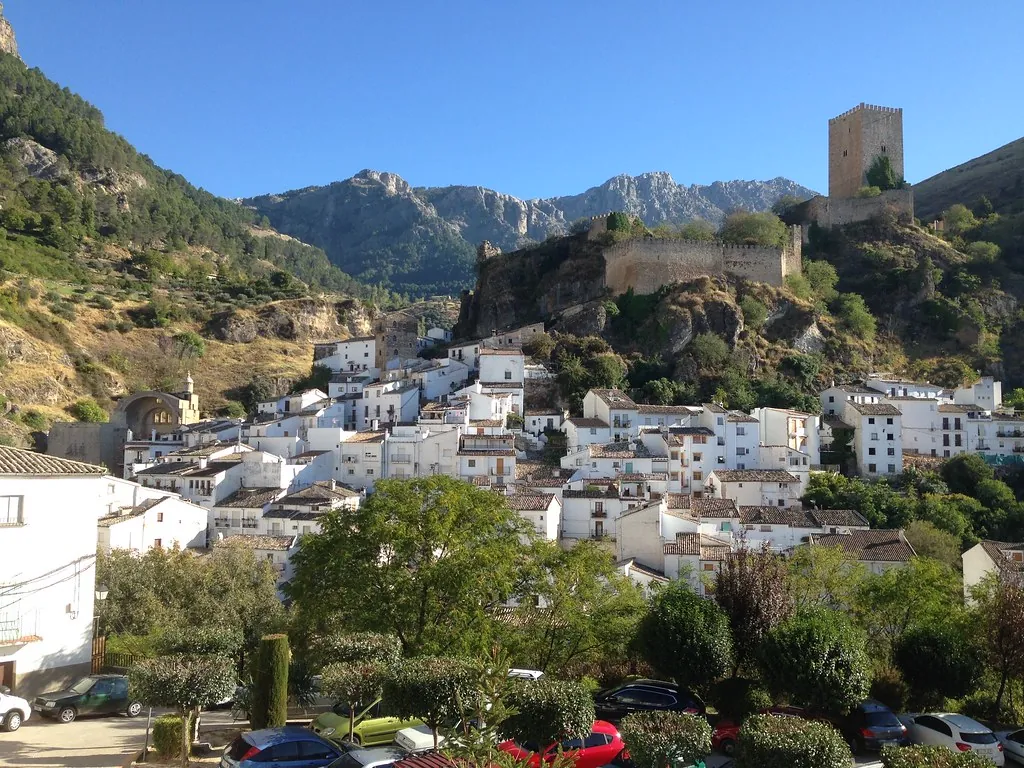
Before traffic starts climbing up from Cazorla, La Iruela is almost silent. Now and then a distant car passes, but mostly it is the wind moving through the pines on the hillside. Tourism in La Iruela tends to begin later, once the sun has reached the whitewashed walls and the castle stands out clearly against the rock.
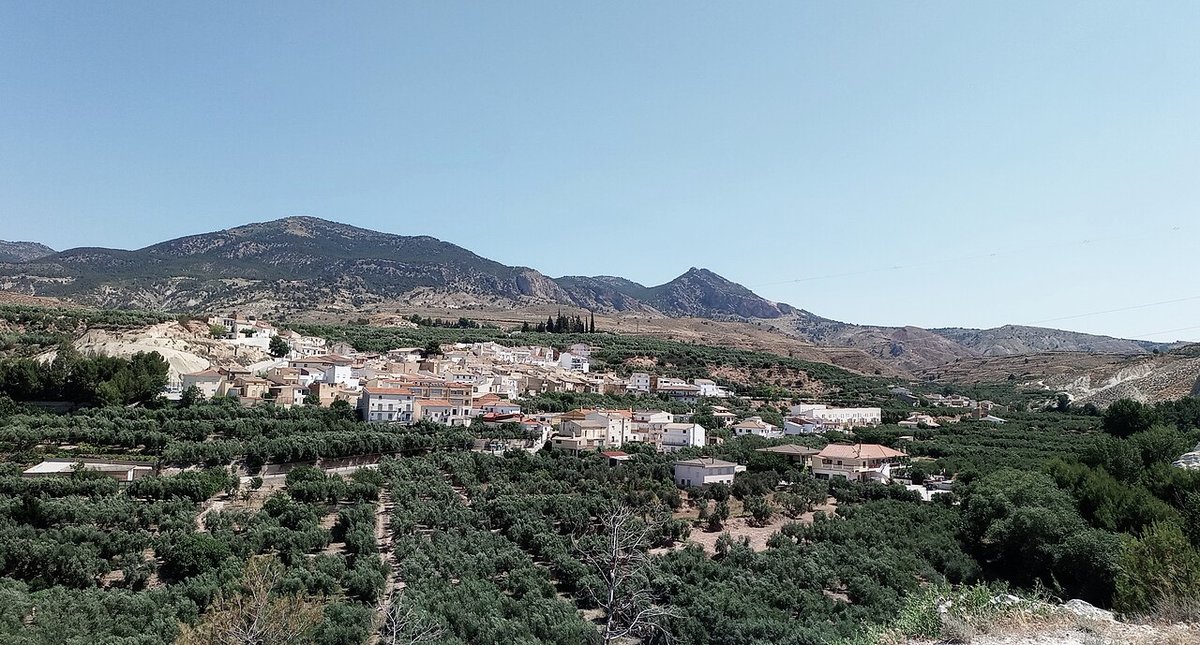
The village clings to the slope with a certain stubbornness. White façades, dark iron balconies, flowerpots watered early in the morning. Everything seems to slide downhill towards a valley filled with olive groves.
The castle on the rock
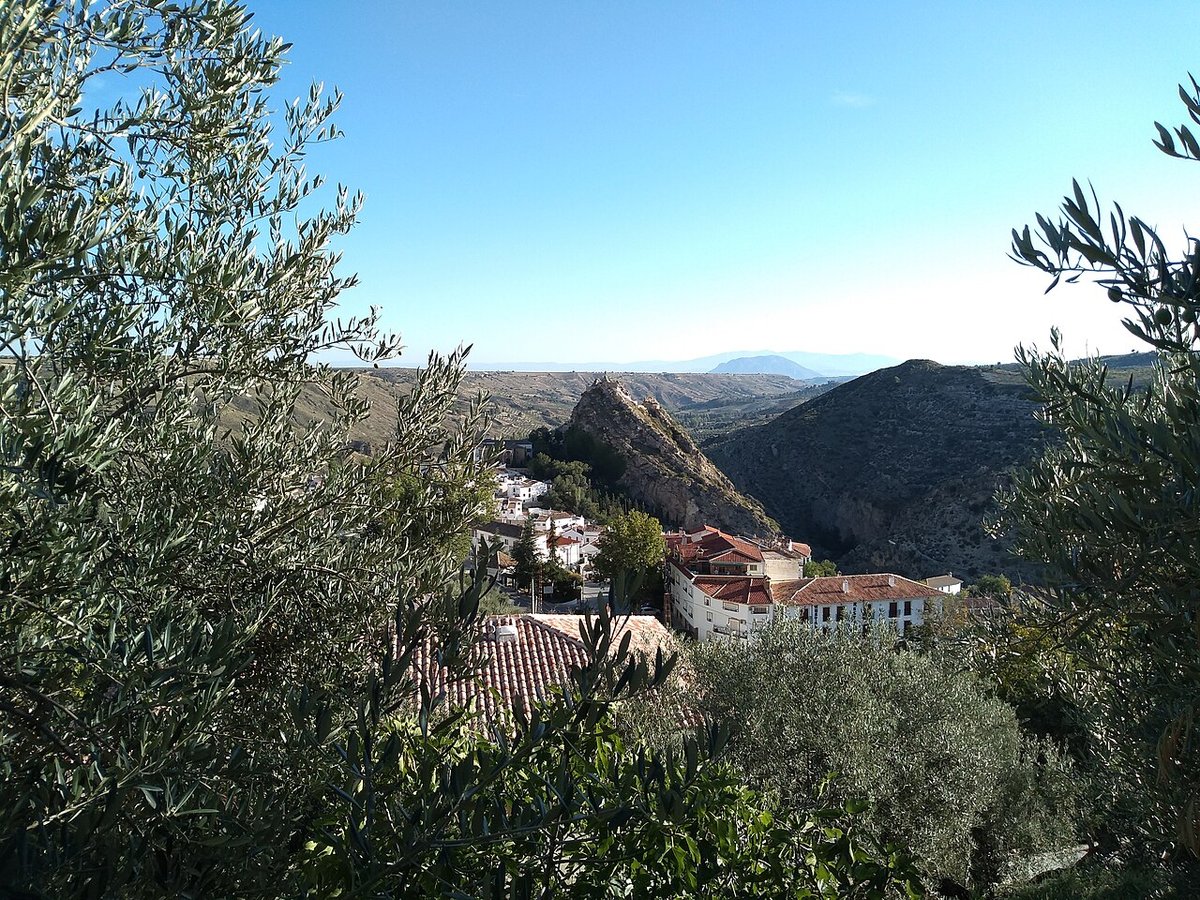
The castle dominates the view from above. Its outline is visible from a distance, even before reaching the village along the road that climbs from Cazorla.
It dates back to the medieval period, probably the 13th century. Today, stretches of wall, several towers and the ruins of a church remain, perched right at the edge. The whole structure sits on a very narrow rock, which explains its striking vertical appearance.
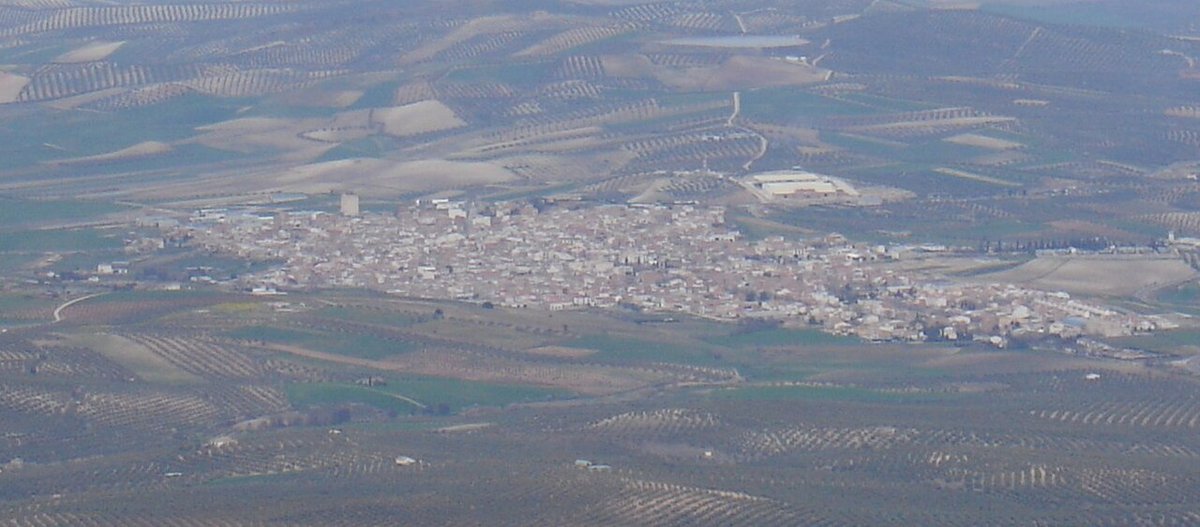
The climb up involves uneven steps and some stone ramps. It is worth taking slowly, especially in summer when the sun falls directly on the hillside. From the top, the landscape falls into place: a vast expanse of olive trees stretching westwards, and beyond them the dense green mass of the Sierra de Cazorla.
Streets that rise and twist
The centre of La Iruela is small and steep. Some streets feel more like stairways than roads. Others twist between tightly packed houses, with patches of shade even at midday.
The church of Santo Domingo de Silos appears suddenly as you turn a corner. It stands on a platform along the slope, almost suspended above the valley. Its structure combines Gothic and Renaissance elements, although what stands out most is its position.
Comfortable footwear makes a difference here. The paving stones are worn in places, and some slopes are steeper than they first appear.
Light over the valley
Towards the end of the day, the viewpoint near the castle fills with warm light. The olive groves take on a golden tone, while the pine forests in the distance darken into a solid green backdrop.
As the sun drops, the wind often picks up. Around that time, local residents come up for a walk or to look out over the valley for a few minutes before heading home.
In summer, this part of the day feels far more manageable than midday, when the heat presses down on the hillside.
Paths into the Sierra
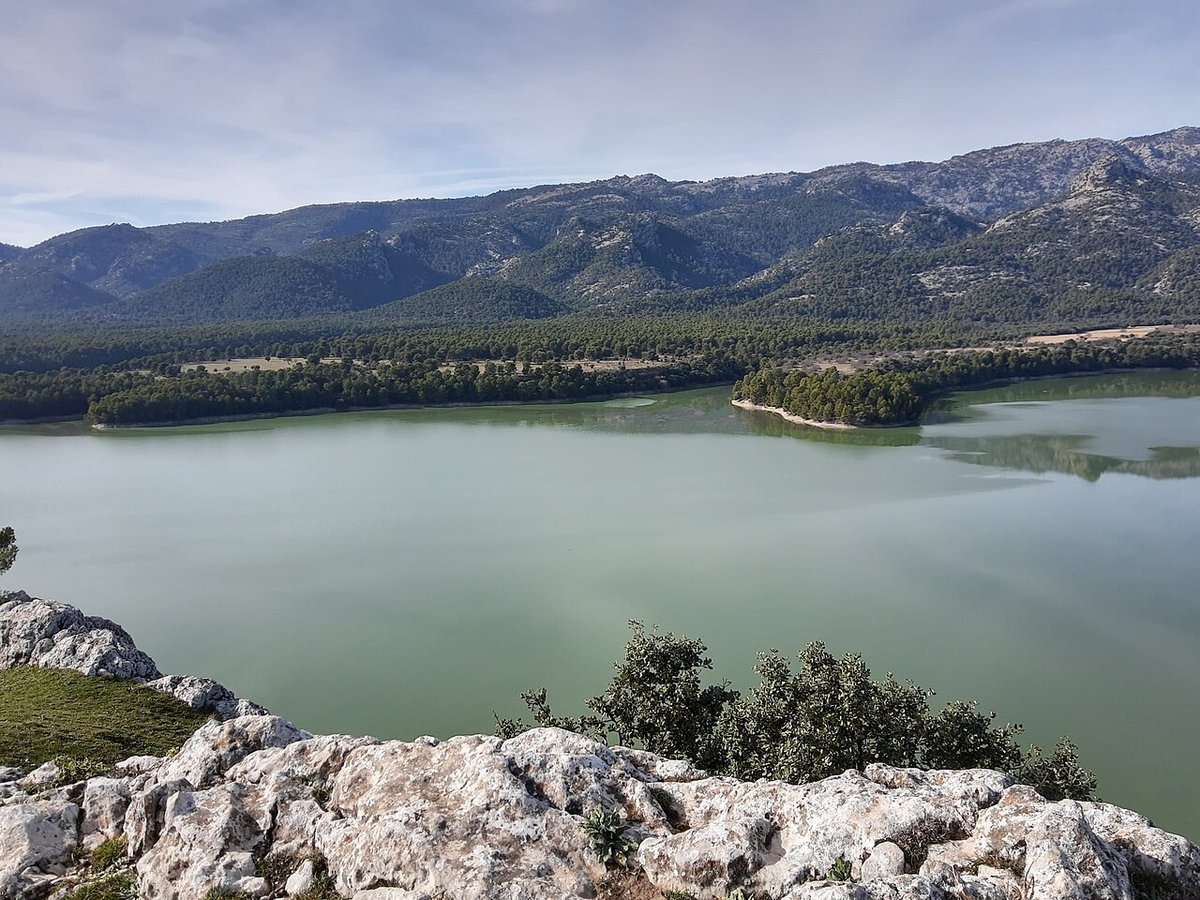
La Iruela sits right beside the Parque Natural de las Sierras de Cazorla, Segura y Las Villas, one of the largest protected areas in Spain. From within the municipality itself, paths lead out into pine forests and ravines.
Some routes are straightforward, following forest tracks. Others head into more rugged terrain. In winter, there can be mud and even some snow at higher altitudes, so it helps to check conditions before setting out.
Spring is often a good time to explore. The air carries the scent of resin and damp earth, and the heat has not yet become intense.
Local life and seasonal traditions
The local calendar still holds onto long-standing traditions. The summer festivities dedicated to Santo Domingo de Silos fill the streets for several days, usually at the beginning of August. In winter, bonfires are lit for San Antón, a custom widely observed in this part of the Sierra.
Autumn often brings gatherings centred on new olive oil and traditional mountain cooking. The surroundings shape what appears on the table: small game, cured meats, hearty stews and plenty of olive oil produced in the area.
Getting there and choosing the moment
From the city of Jaén, the journey is roughly one hundred kilometres. The road passes through olive groves for much of the way. The final stretch, near Cazorla, includes bends and climbs, though the surface is generally in good condition.
For a quieter visit, it is best to avoid long weekends and public holidays. La Iruela’s proximity to Cazorla means many people pass through at the same times. Early morning and late afternoon feel different. The wind can be heard in the Sierra again, and the streets settle back into near stillness.