Full Article
about Peal de Becerro
Important town with valuable Iberian remains such as the Toya Burial Chamber
Ocultar artículo Leer artículo completo
The guardian arrives on a moped. Twenty-four hours earlier you telephoned a man in the village who keeps the key to one of Europe’s most significant Iron-Age tombs; now he kicks up dust on the dirt track leading to Toya’s Iberian burial mound and waves you through a gate that hasn’t seen a coach party in years. No ropes, no audio guide, just a stone passage built seven centuries before the Romans arrived and a ceiling that still bears the smoke stains of Bronze-Age torches. Welcome to Peal de Becerro, a place where prehistory feels oddly current.
A village that remembers everything
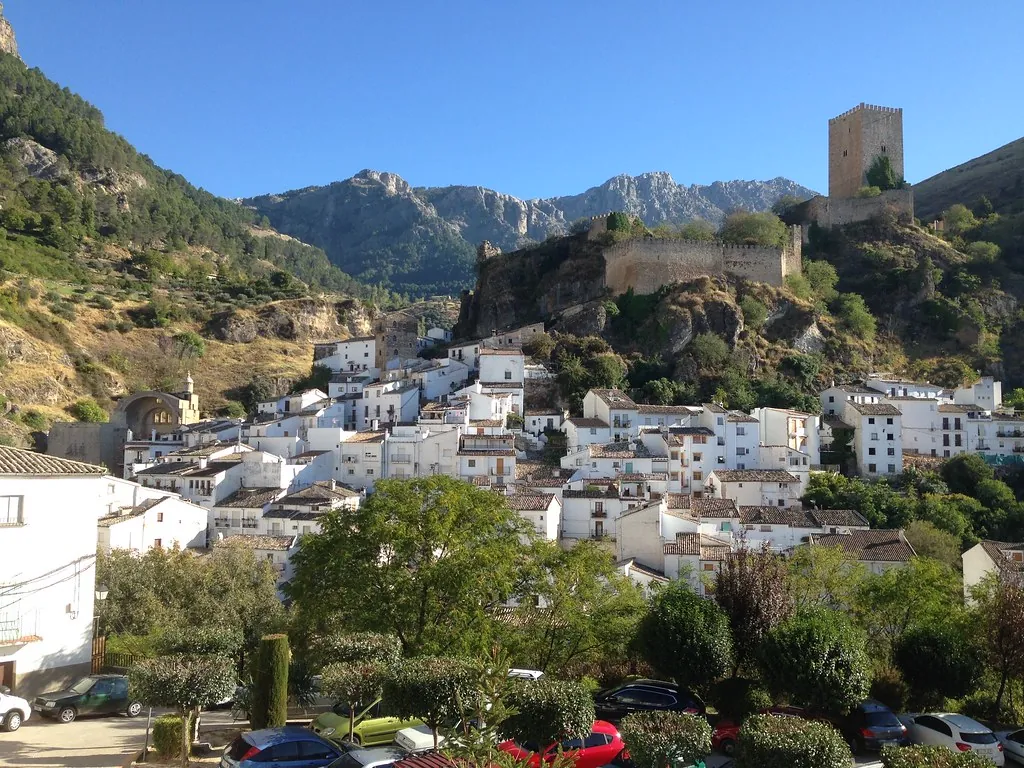
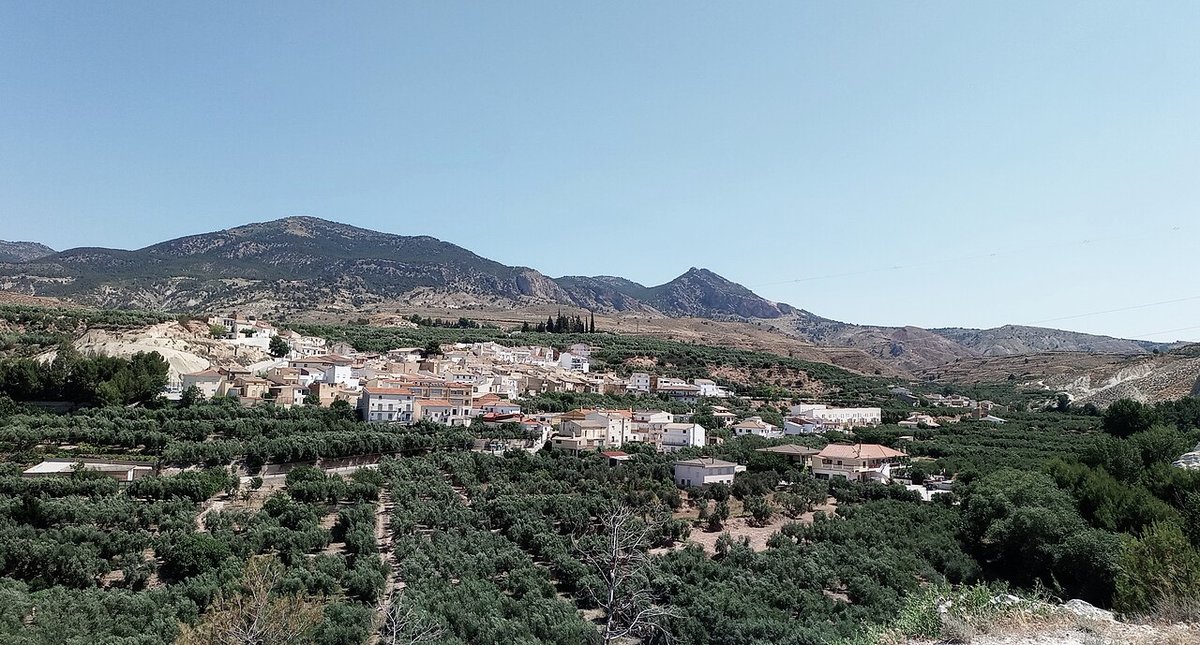
Set at 550 m on the last rolling ridge before the Sierra de Cazorla rears up, Peal carries 5,290 inhabitants and at least as many centuries of stories. Iberians chose the hill for its sight-lines across the Guadalquivir corridor, the Moors planted the first terraced olives, and 13th-century Castilians threw up the castle whose foundations now serve as an open-air mirador. None of it is packaged for mass consumption: explanatory panels stop at the second paragraph, opening hours are negotiable, and the nearest gift shop is twenty-five kilometres away in Cazorla town.
The layout is classic frontier Andalucía: whitewashed houses knit together by narrow calles just wide enough for a mule and a sun-shy cat. At the centre stands the Purísima Concepción church, its Renaissance portal squeezed between baroque add-ons paid for by wool money in the 1700s. Inside, the air smells of beeswax and old timber; carved choir stalls depict olives, wolves and the odd pomegranate, a quiet reminder that every fortune here has been rooted in the soil.
Walk uphill ten minutes and you reach the castle track. What remains is wall-base and attitude rather than turrets, but the 360-degree payoff is huge: west, an ocean of silver-green olive carpet rolls towards Úbeda; east, the first limestone crags of the natural park glint like broken plates. Stay for dusk and the village below turns the colour of burnt toffee while swifts stitch the sky overhead. Bring a jacket—even in July the breeze up here has teeth.
Oil, olives and the art of doing very little
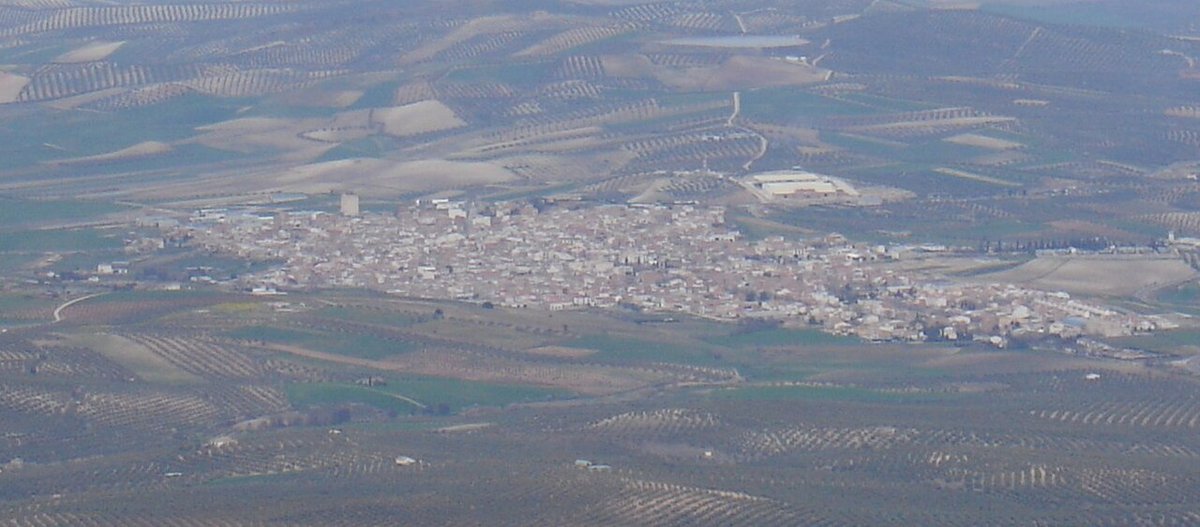
Peal’s real monument isn’t stone, it’s the 300-year-old olivos that surround it on every side. The local co-op, housed in a corrugated-steel shed on the road to Cazorla, presses fruit from October to January and will sell you a five-litre tin of extra-virgen for €38 if you arrive before noon. The oil is peppery enough to make you cough—locals call it picual—and tastes of tomato leaf and cut grass. Drizzle it over toasted village bread instead of butter and you understand why nobody here sees the point of tapas bars that serve anything more complicated than cured pork and a fried egg.
Mealtimes follow the sun. At 14:00 the streets empty; even the dogs retreat indoors while pans of migas—fried breadcrumbs laced with garlic, chorizo and a handful of grapes—simmer on enamel stoves. Foreign visitors expecting a menu del día in English are usually disappointed: the one restaurant that stays open all week, Mesón La Reja, lists secreto ibérico and gazpacho serrano in Spanish only, accepts cash only, and cheerfully explains that the pudding option is whatever Antonia baked this morning. Eat it; the piononos (sponge rolled with cinnamon custard) are worth the sugar rush.
Walking into empty country
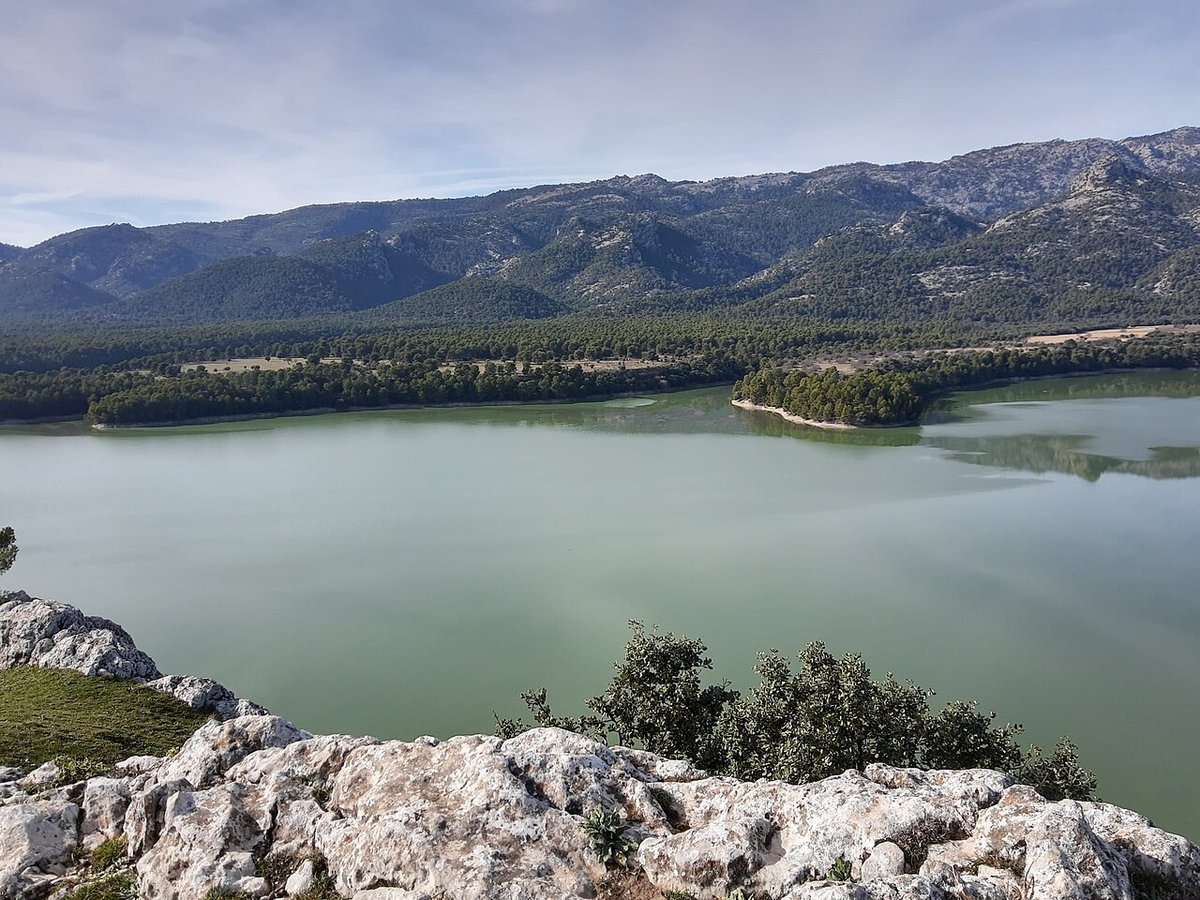
Peal works best as a base for short, self-planned hikes rather than as a destination in itself. The signed path to Cerro de las Banderillas leaves from the cemetery gate, climbs 400 m through rosemary and thyme, and delivers big-country solitude within forty minutes. Further afield, the Río Guadiana Menor has cut a limestone gorge laced with abandoned watermills; start at the hamlet of Arroyo Frío, eight kilometres up the A-319, and follow the riverbed until the cliffs close in and eagles start circling.
Serious walkers aiming for the high Sierra usually drive twenty minutes to the park gates at Torre del Vinagre; from there, the trail to Cerrada de Elías waterfalls is a nine-kilometre loop that never loses the sun and ends at a natural pool cold enough to numb feet in May. Whatever the brochures claim, signposting inside the park is patchy—OSM-based GPS tracks downloaded in Granada airport save a lot of back-tracking.
When the village lets its hair down
Festivity here is less flamenco and more tractor. Mid-May brings the feast of San Isidro Labrador: a tractor procession, blessing of the fields, and an evening dance in a marquee thrown up next to the olive mill. August supplies the usual Andalusian formula—foam party, bagpipe band from Asturias, mobile bars selling tinto de verano for €2 a plastic cup—but the headline night is the noche del jamón, when half a dozen pigs are carved on trestle tables in the main square and the wine flows until the council turns the street lights off. If you crave fireworks without the coastal crowds, this is the date to aim for: book the only three guest rooms above the bakery well ahead.
November turns solemn yet profitable. The Jornadas de la Aceituna celebrates the new oil with tastings, mill tours and a cook-off in which every household claims its migas recipe is the authentic one. British visitors who nod politely, swallow seconds and ask for the tin purchase form leave with invitations to Sunday lunch; those who mention supermarket oil do not.
Getting here, staying sane
Peal sits 45 minutes off the A-32 autovía between Jaén and Albacete. Málaga and Granada airports are equidistant at just under two hours’ drive; hire cars are cheaper from Málaga but the mountain approach from Granada is spectacular. Public transport exists—one morning bus to Jaén, one evening return—but missing the 19:10 back means a €90 taxi, assuming you can find a driver willing to climb. Fill the tank before you leave the motorway; the village garage opens when the owner finishes his own olives and not a minute sooner.
Accommodation is thin. Three small guesthouses cluster round Plaza de la Constitución, charging €45–€60 for a double with breakfast that invariably includes olive-oil cake. The municipal albergue on the road out to Toya has dorm beds for €15 and hot water most of the time; bring a towel and expect church-bell wake-up calls. What you won’t find is a pool, spa or English newspaper—if that’s a problem, Baeza’s parador is thirty-five minutes west.
Sunday shutdown is total: supermarket shuttered, bar lights off, bakery closed. Stock up on Saturday evening, or prepare to drive half an hour for a loaf. Credit cards are still regarded with suspicion; cash is king and the nearest ATM sometimes runs dry by the weekend. Pack layers—550 m feels alpine once the sun drops, and January fog can sit in the valley until lunchtime.
Worth the detour?
Peal de Becerro will never compete with the Alhambra for box-office numbers, and that is precisely its appeal. Come for the Iberian tomb you can stand inside without a rope, for olive oil that makes you rethink everything in your kitchen cupboard, and for mountain walks where the loudest noise is your own breathing. Leave if you need souvenir shops, cocktail menus or someone to explain the difference between a fino and an oloroso. The village gives you landscape, history and a lesson in self-sufficiency; the rest is up to you—and the man with the moped key.