Full Article
about Pozo Alcón
Municipality south of the sierra with spectacular water landscapes like the Bolera reservoir
Hide article Read full article
Beyond the usual stops in Cazorla
A familiar pattern plays out in this part of Jaén. Many visitors say they have explored the Sierra de Cazorla, yet their trip rarely goes beyond the town of Cazorla itself. A quick photo of the castle, a grilled trout, then back in the car. Carry on east for a few more kilometres, though, and Pozo Alcón appears. The landscape shifts, and the number of people glued to their phones drops away.
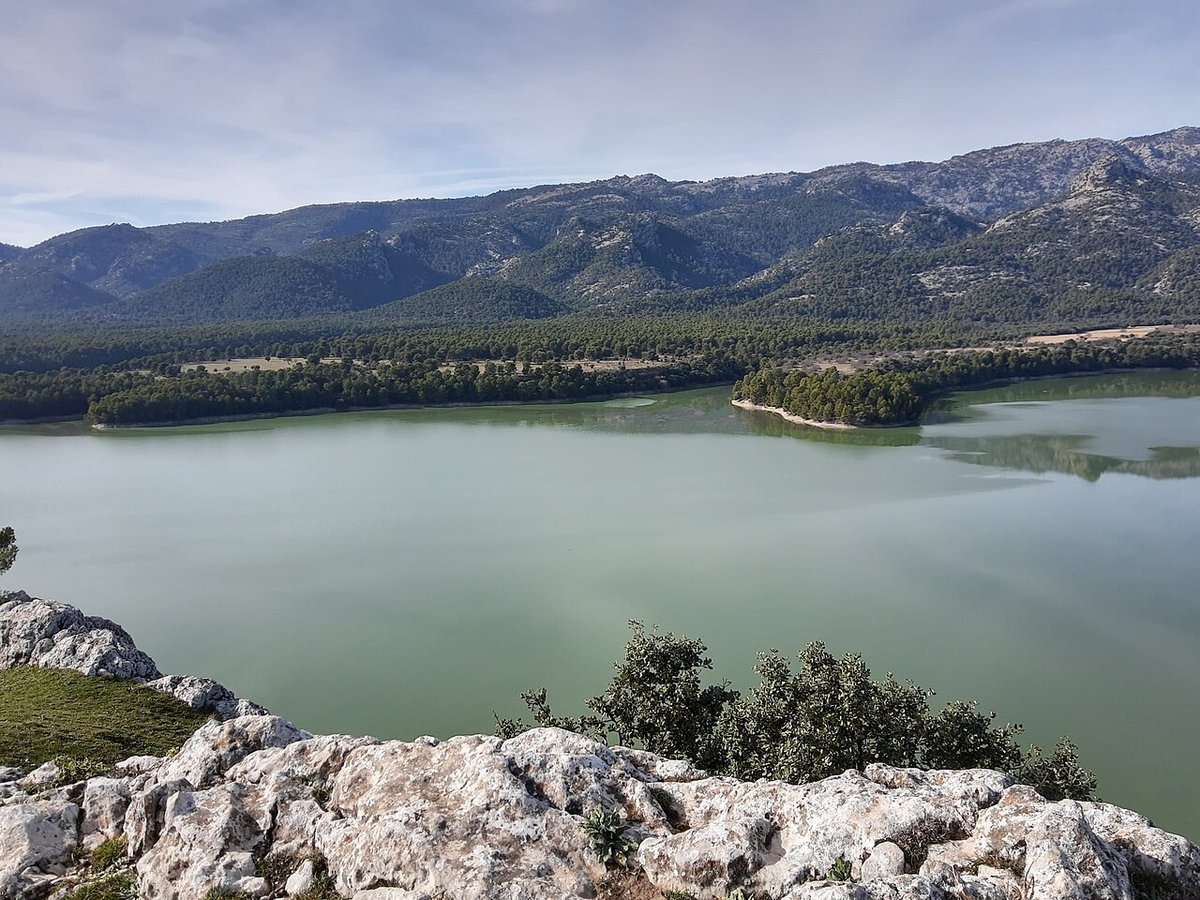
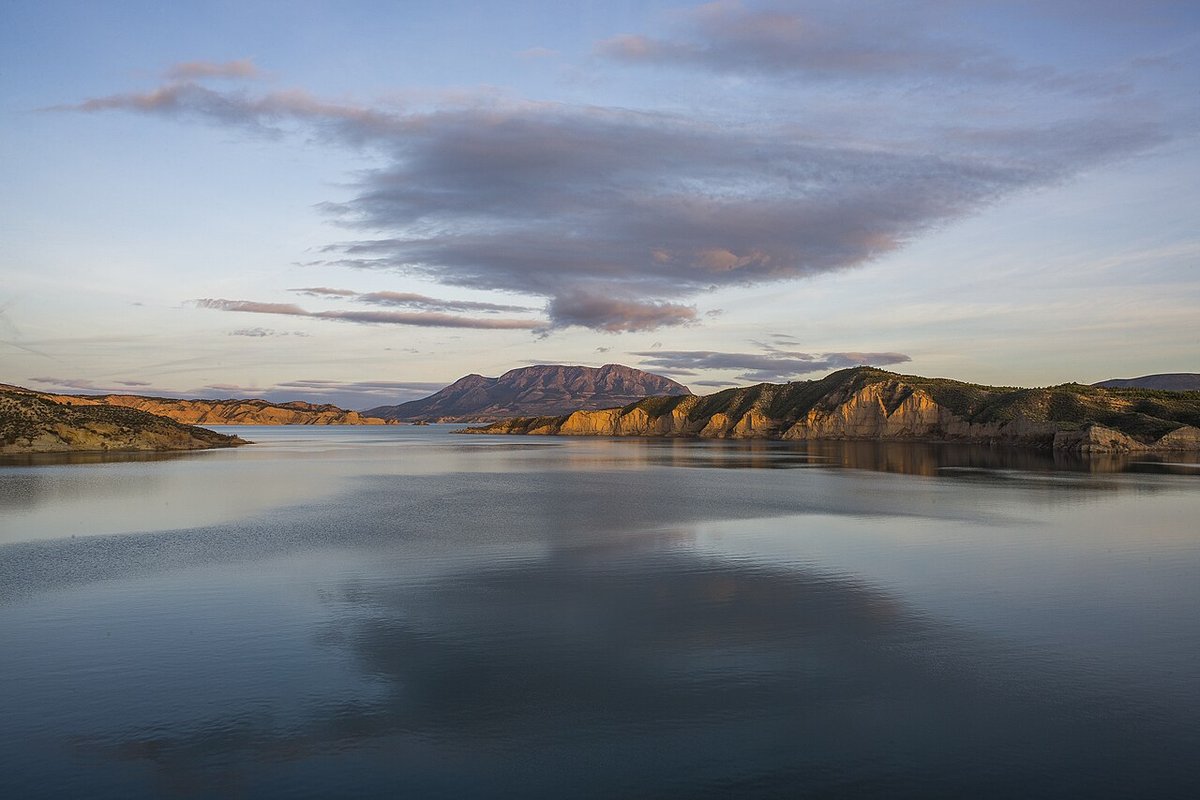
Before reaching the centre, the Bolera reservoir comes into view. It is wide and quiet, set among hills. When the surface is still, it looks closer to a northern lake than something expected in this province.
From the Cruz viewpoint, a small stone balcony rather than a grand platform, the shape of the reservoir is easy to read. The water splits into a Y, known locally as El Embudo. It is the kind of place where taking a good photo does not require much effort, the setting does most of the work.
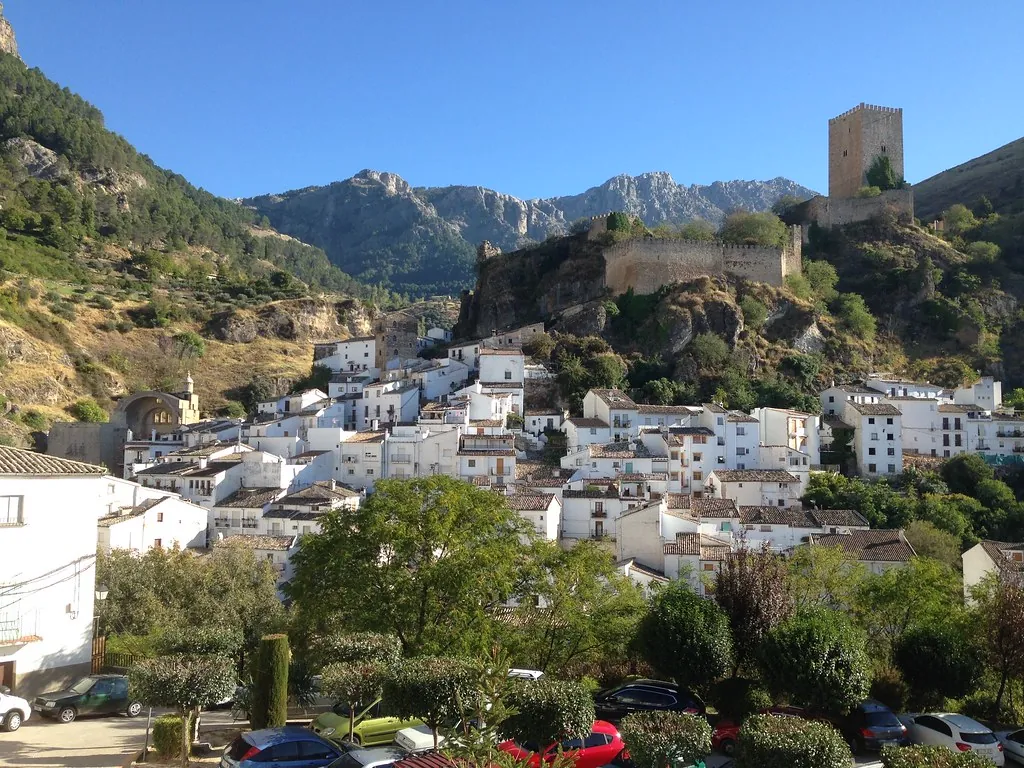
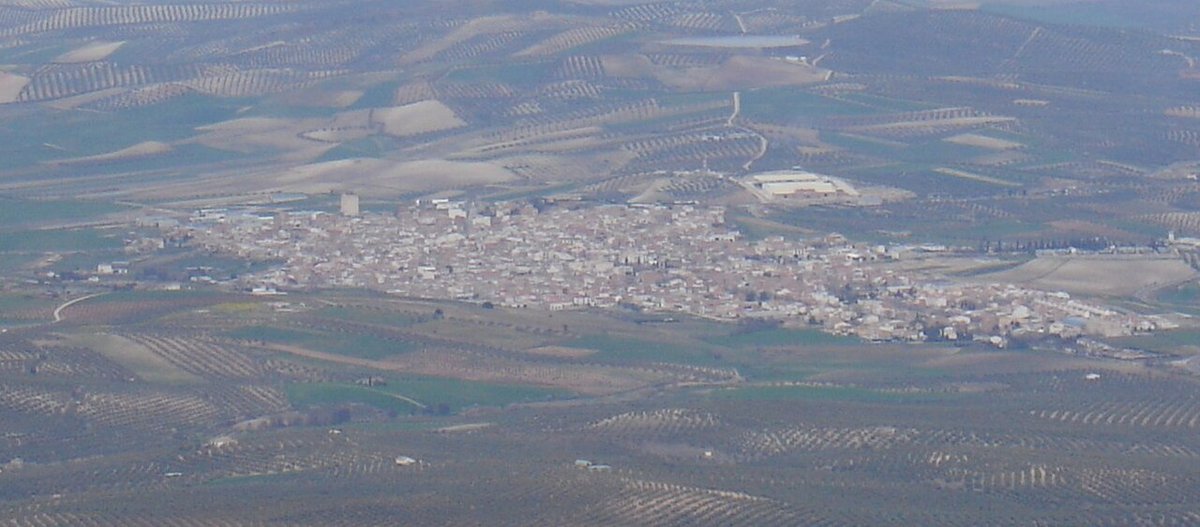
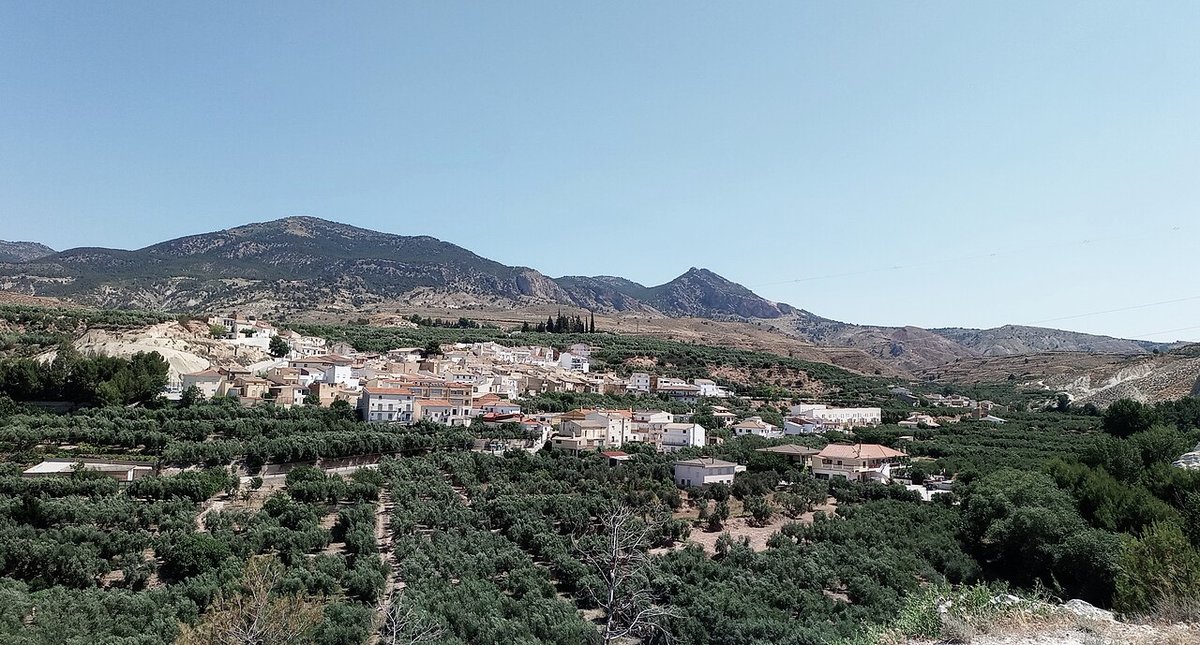
The town itself fits what many expect from the mountains of Jaén: white houses, streets that climb and dip without much order, and several bars serving very cold beer. Yet the setting feels slightly different. The elevation, around 877 metres, makes itself felt. Around the town there is more open countryside than built-up space.
Where routes begin to feel quieter
Walking routes around Pozo Alcón still keep a calm character, the sort found in places that receive fewer visitors. The Ruta del Agua is among the best known. It runs for about eight kilometres, following the source of the Guadalentín river. The path moves through pine forest, with sections where the reservoir appears and disappears between the trees.
The Ruta de los Castellones heads uphill towards the remains of medieval watchtowers. Anyone expecting intact castles may be disappointed. What remains are mostly fragments of stone. The location makes sense once you look out across the surroundings. From here, the Guadiana Menor appears as a thin line cutting through the pines.
Another option is the Ruta de los Neveros, longer and more demanding. It stretches for roughly ten kilometres, climbing into the Sierra del Pozo towards around 1,650 metres. At that height, old snow wells from the 19th century can still be found. These structures were once used to store snow. The effort involved becomes easier to grasp when standing there and seeing the distance from the town below.
Food that keeps to tradition
Cooking here leans firmly towards traditional methods, with plenty of dishes made in a pot or pan. Gachas de matanza are thick and filling, the sort of meal that encourages a long pause before leaving the table. Olla de tagarninas combines wild greens with broth and meat. On paper it may sound unusual, yet it suits the colder months well.
Choto al ajillo appears frequently across the area. The recipe is straightforward: meat, garlic, oil, with potatoes served alongside. Nothing elaborate, just direct flavours.
Migas de pastor often arrive with grapes. The pairing may seem unexpected at first, then begins to make sense after a few bites. To finish, roscos de vino tend to close out long meals, the kind where coffee is ordered once nobody is watching the time.
A simple way to choose where to eat is to notice which places are busy with locals. That tends to be a reliable sign.
Festivities that reshape the streets
Holy Week in Pozo Alcón differs from the larger cities of Andalusia. The streets include steep slopes, so the religious floats move slowly uphill. The wooden structures creak, people walk alongside, and afterwards many gather nearby to talk through what they have seen.
In May, the romería of San Isidro takes place. Many people head towards the area around the Santuario de la Virgen de Tíscar. Some make the journey on foot, others continue by vehicle as far as the road allows.
September brings the patron saint festivities, and the atmosphere shifts noticeably. For a few days the population increases and the streets fill up. The running of the bulls happens along narrow stretches with gradients, which adds to the intensity of the event.
What Pozo Alcón actually offers
Pozo Alcón does not present itself as a polished tourist setting. There are few souvenir shops and not many streets designed purely for strolling with an ice cream.
What it does offer is open countryside, rewarding walking routes, and places where conversation flows easily if you sit down for a while. Questions often lead to long answers, sometimes including stories about the town itself.
It also carries the feeling of sitting slightly outside the main routes through the Sierra de Cazorla. That distance from the busiest spots is part of its appeal.
There is even a local story that timber from this area was used in Columbus’s ship, the Pinta. It is not fully confirmed. Still, given the size of some of the holm oaks nearby, the idea does not sound entirely far-fetched.