Full Article
about Quesada
Cradle of the Guadalquivir River and painter Rafael Zabaleta; a town of white streets and flowers
Hide article Read full article
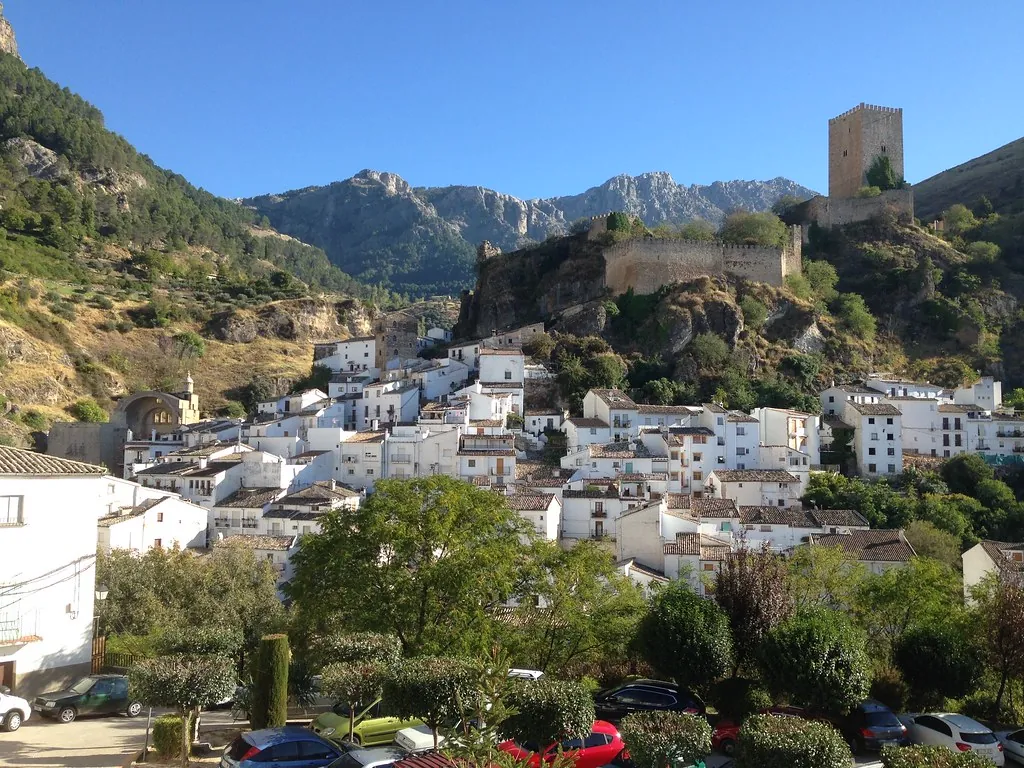
At eight in the morning the bells of San Pedro ring out, their sound drifting over the olive groves. From the square comes the smell of freshly baked bread mixed with wood smoke from a chimney somewhere nearby. This is how many days begin in Quesada: slowly, with the village still half empty and light slipping between pale façades.
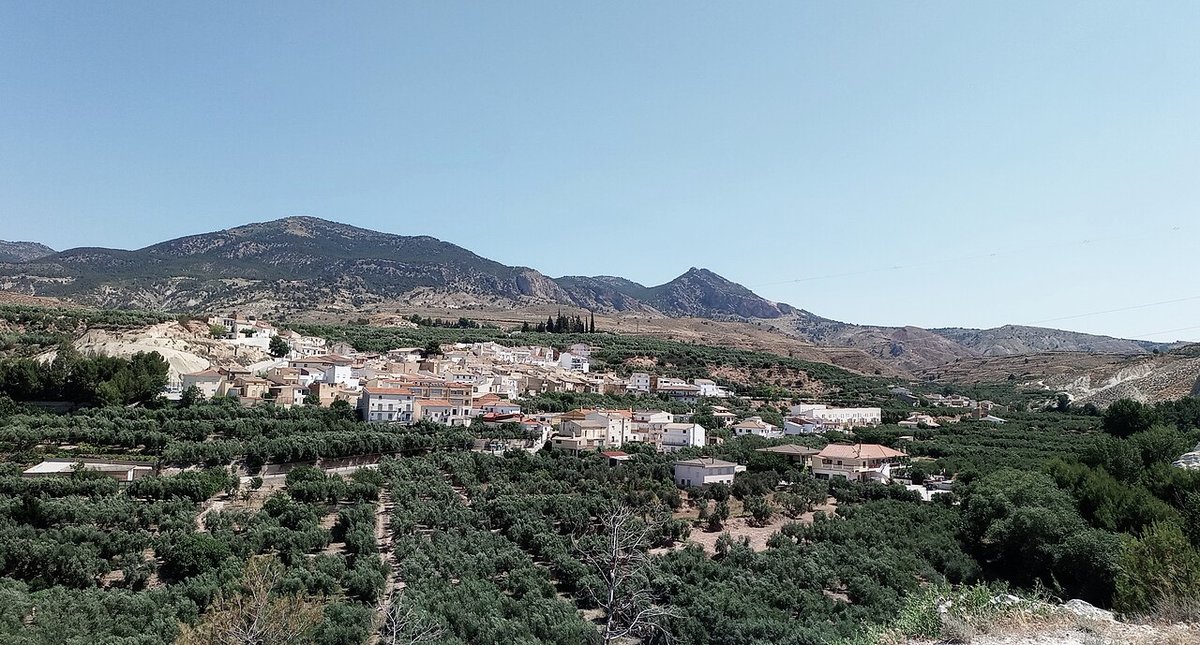
Set in the province of Jaén, on the edge of the Sierra de Cazorla, Quesada moves at its own rhythm. Its streets hold the memory of trades that shaped daily life, and the landscape around it carries the source of one of Spain’s great rivers.
Clay in the walls, light on the stone
A walk through the old quarter reveals discreet panels explaining the history of pottery, an industry that for generations provided work for much of the population. The Ruta de la Cerámica traces this past, passing former kilns and streets where clay was once part of everyday routine: water jugs, storage jars, roof tiles laid out to dry in the sun.
On Calle de los Hornos a neighbour might be shaking out sheets from a balcony, bright white against toasted stone. There is nothing staged about it. Winter light can be harsh, shadows sharply cut, and some walls still carry smoke stains from the old kilns.
The Arco de los Santos remains standing, with a Roman stele embedded in its stone as if it had always belonged there. Step through and the soundscape shifts. Fewer cars, more footsteps on worn paving slabs. The church of San Pedro y San Pablo raises its Gothic tower above the square, yet inside everything feels lower and quieter. The air carries a faint scent of wax and old wood. The uneven floor is a reminder that people have entered here for centuries for the same reasons: Mass, weddings, farewells.
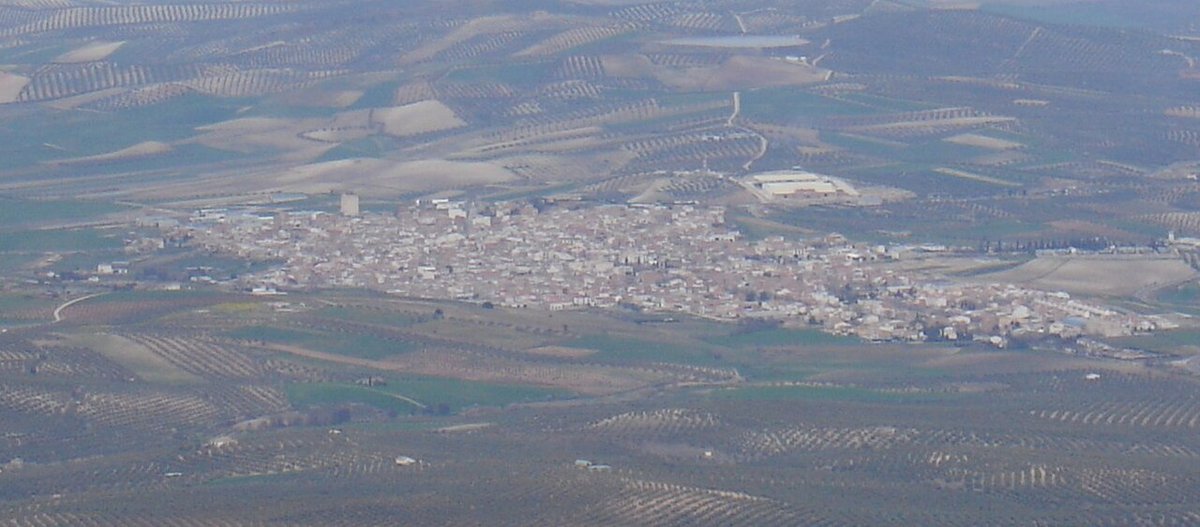
Climbing up towards the castle takes around fifteen minutes on a steady incline. The stone underfoot has been polished by time and can be slippery in the rain. From above, the view opens over the valley and its sea of olive trees.
Where the Guadalquivir begins
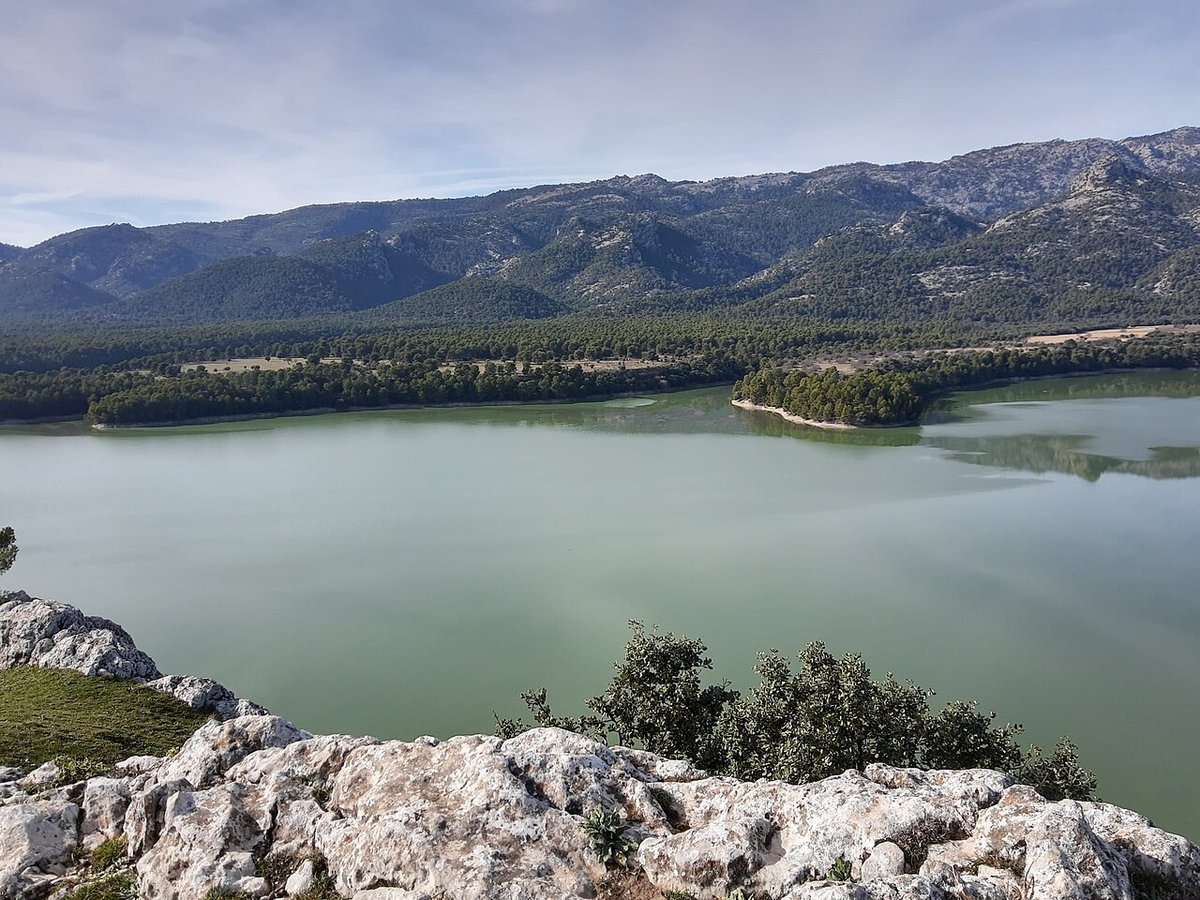
Around eight kilometres from the village lies the place where the Guadalquivir is born. A path descends through rockrose, pines and rosemary, its scent clinging to your hands if you brush the branches. At times the only sounds are cicadas or water dripping as it filters through rock.
The source itself is not a dramatic waterfall or a monumental viewpoint. It is more a damp fissure in the stone, a thin thread of water emerging from the shadow of a cave and starting its downhill course. It is hard to imagine that this modest trickle will cross much of Andalucía before reaching the Atlantic.
Many visitors stop at the first viewpoint. Continue down to the spring and the atmosphere changes: more humidity, darker walls, the steady sound of running water. Footwear with a good grip is advisable, as the ground is often slippery even on dry days.
After several days of wet weather, a visit to the Cueva del Agua calls for a torch and a willingness to get your feet a little wet. The surrounding landscape is part of daily life here, not just a backdrop. Olive groves stretch for kilometres along the approach roads, rising gradually towards the Sierra de Cazorla.
Paintings that smell of earth
The Museo Zabaleta occupies what was once a sixteenth-century hospital for the poor, a building that still retains part of its original structure. The rooms are bright, with white walls and windows looking out over the valley.
Alongside works by Rafael Zabaleta himself—open fields, twisted olive trees, women in aprons—the collection usually includes pieces by other twentieth-century Spanish artists like Solana or Vázquez Díaz. Yet it is Zabaleta’s heavy skies that seem to threaten a storm which feel most familiar here.
Now and then a member of staff reminds visitors not to use flash photography. Then quiet returns, broken only by footsteps across tiled floors.
The museum usually closes on Mondays. In winter, visiting around midday has a particular feel; light enters sideways through the windows and casts long shadows across floors worn smooth by centuries.
Hornazo, migas and walking back from Tíscar
On Easter Sunday Quesada smells of hot oil and aniseed. Hornazo appears in many homes at this time of year—a round loaf made with olive oil and crowned with a hard-boiled egg baked into its crust. In the morning you see families carrying them in paper bags towards cars or folding tables set up under trees outside town.
By midday large pans are out for migas. As breadcrumbs begin to brown they make a soft pattering sound against metal; later come grapes saved from last year’s harvest or pieces of chorizo mixed through at last minute before serving.
At end August comes another ritual: walking from Santuario de Tíscar back to Quesada accompanying their Virgen home after summer months away up mountain road lined with pines rather than olives—a local affair where people sing sometimes but mostly talk among themselves while drinking water (or wine) from plastic cups handed round along way—and leaving centre village quiet for few hours until they return singing louder now near dusk when light turns amber on castle towers again before night falls completely over valley below filled only by sound crickets then silence until bells ring next morning once more like any other day here where tourism follows same rhythm as village itself does without fuss or fanfare ever needed really anyway when you think about it long enough perhaps even forever maybe too if we’re lucky enough I suppose so let’s hope so anyway yes let’s hope so indeed my friend let’s hope so always please thank you very much goodbye now until next time okay bye then see ya later alligator after while crocodile don’t forget write soon love mum xoxo ps send money dad needs new teeth haha just kidding unless…