Full Article
about Santo Tomé
Farming town in the Guadalquivir valley; gateway to the sierra from the west
Hide article Read full article
A small town shaped by olives
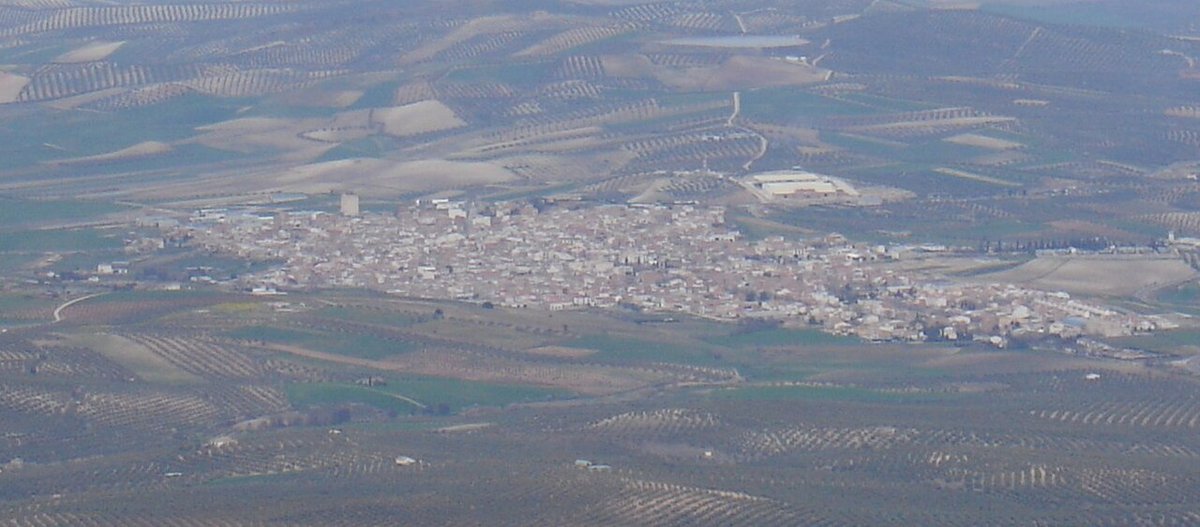
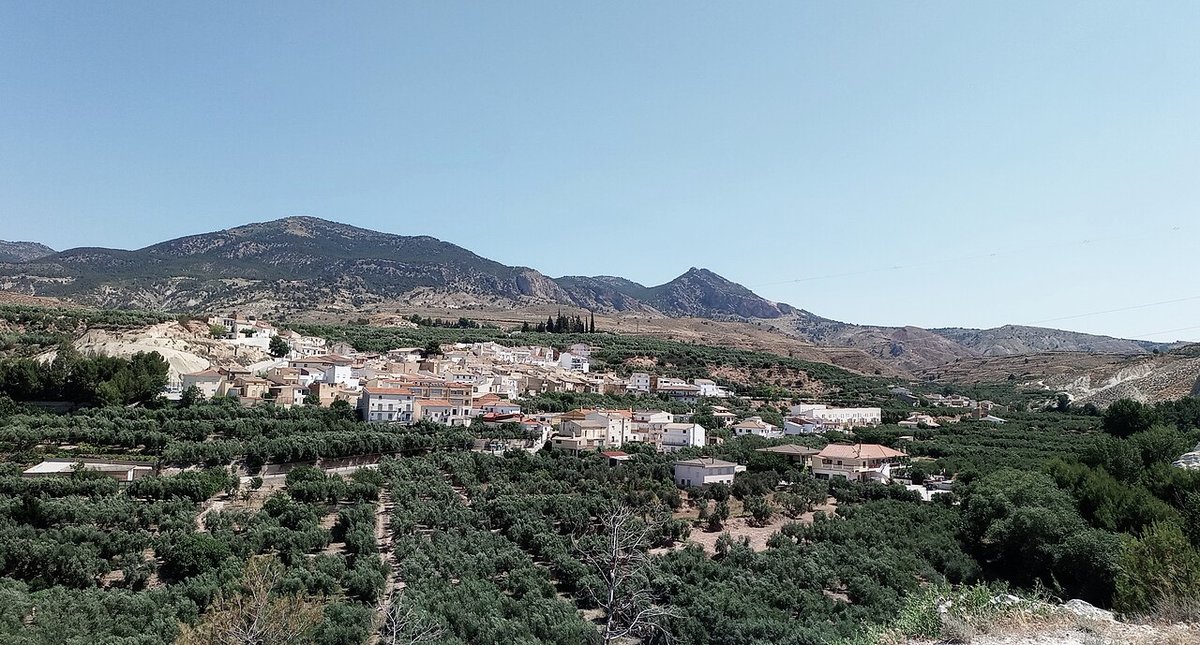
Santo Tomé sits firmly in olive country. The surrounding landscape is given over to groves, and the rhythm of the place follows the agricultural calendar. This becomes especially clear in autumn. Lorries loaded with olives move in and out, conversations in the square turn to the harvest, and the scent of freshly pressed oil drifts out when the cooperatives are working.
There is little attempt to dress the town up for visitors. Streets are not designed for photographs and there is no layer of decoration aimed at tourism. Santo Tomé is, first and foremost, an agricultural town, and it feels that way as soon as you arrive.
The practical side reflects that simplicity. Parking is usually straightforward, although Plaza de Andalucía fills up quickly in the morning. If there is no space, a short loop along Calle Real leads to quieter side streets. Everything is close. The centre is a five-minute walk at most.
The square as a starting point
Plaza de Andalucía is the natural place to begin. It is the only spot where there is a steady sense of movement. People come and go to pick up bread, older residents sit on benches watching the day unfold, and cars pause briefly before heading out towards the fields.
From the square, the rest of the town can be covered in a short walk. Streets are compact and direct. There are no major sights tucked away around corners, just rows of low houses. Some have been renovated, others still show façades that have barely changed in decades.
That lack of spectacle is part of the experience. Santo Tomé does not try to impress through monuments or carefully restored quarters. Instead, it presents a working town as it is.
The parish church
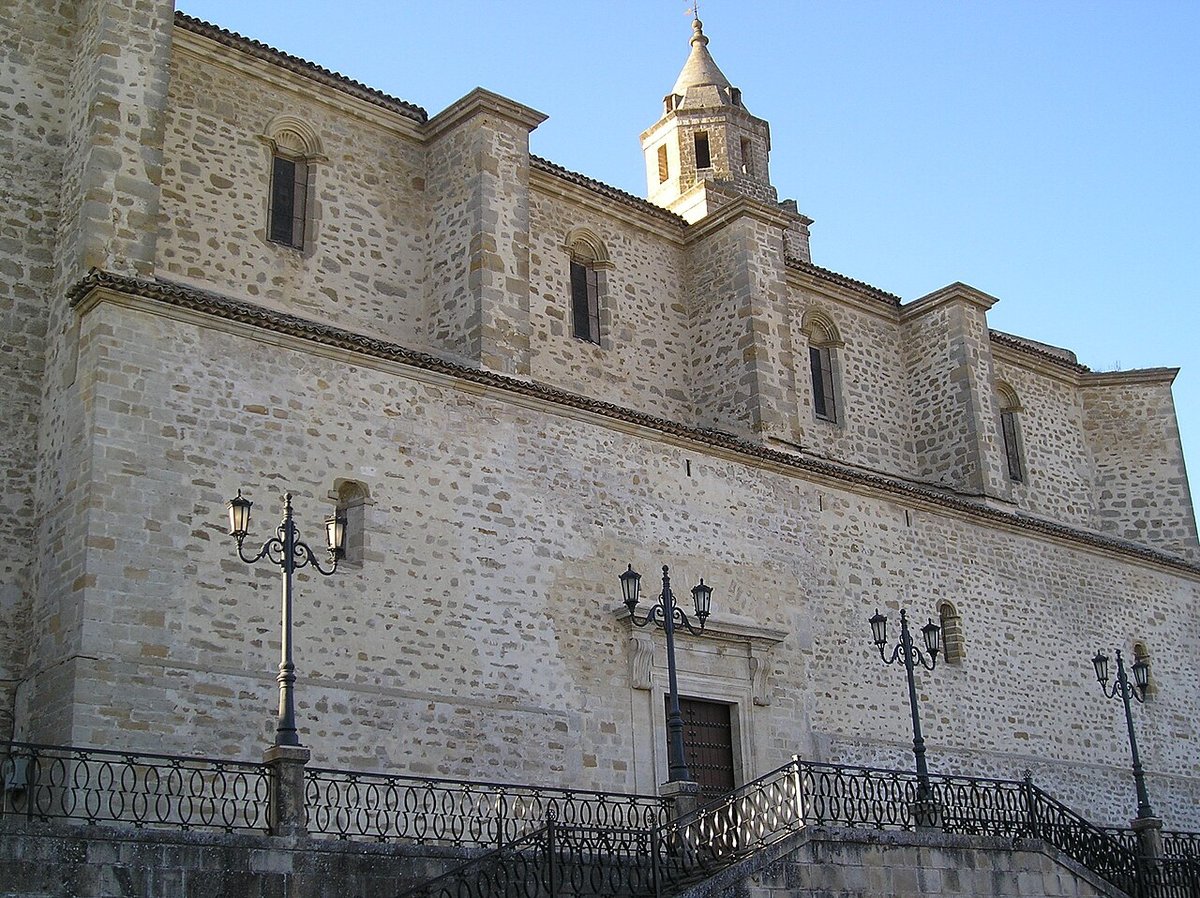
On the edge of the square stands the Iglesia Parroquial de Santo Tomé Apóstol. If the doors are open, it is worth stepping inside for a brief look.
The building dates from the 18th century and is constructed in brick, with a square tower rising above the entrance. Its appearance is straightforward rather than striking. Inside, a gilded altarpiece draws the eye, along with the figure of the saint to whom the church is dedicated.
A visit does not take long. The church forms part of the rhythm of the square rather than a destination in its own right. Once outside, life quickly pulls attention back to the activity around Plaza de Andalucía.
Food, oil and everyday cooking
Olive oil, specifically the picual variety, sits at the centre of local cooking. There is nothing elaborate about it. The cuisine reflects the same directness as the town itself.
Migas de pan appear on many Sundays. This traditional dish uses stale bread cooked in a pan with garlic, some meat and a generous amount of olive oil. It is filling and rooted in rural life. Depending on the season, it may be served with fruit or whatever else happens to be on the table.
For those interested in taking olive oil home, the local cooperative is the place to ask about. They often sell directly from their premises, sometimes in large containers. It is best to check how things are organised on the day, as arrangements can vary.
A short walk into the groves
A change of pace comes just outside the town centre. A track begins behind the cemetery and leads straight into the olive groves.
Within a few minutes, the sounds of the town fade. The surroundings shift to dry stone terraces, old olive trees and the occasional cortijo scattered across the land. This is not a marked walking route. It is working countryside, used daily rather than arranged for visitors.
The path can be followed freely, but it is easy to go further than intended. Anyone who ventures too far will need to retrace their steps. The conditions also depend on the season. Summer brings intense heat and very little shade, while in autumn the ground is often covered with fallen olives.
When to visit and how long to stay
The atmosphere in Santo Tomé changes with the time of year. Winter is quiet, with streets emptying early. Summer brings a little more movement, though the town still feels like a place people pass through rather than linger in.
Autumn is the most active period. The olive harvest takes over daily life, and that energy shows in the streets.
A visit does not need to be long to make sense of the place. A walk around the square, a quick look inside the church and a short stroll into the olive groves are enough to form a clear impression. One morning is sufficient.
Santo Tomé works best as a stop along a wider route through the Sierra de Cazorla. It offers a glimpse of everyday life in an olive-growing town, without trying to be anything more than it is.