El Burgo - Flickr
danielgarciadgb · Flickr 4
Andalucía · Passion & Soul

El Burgo

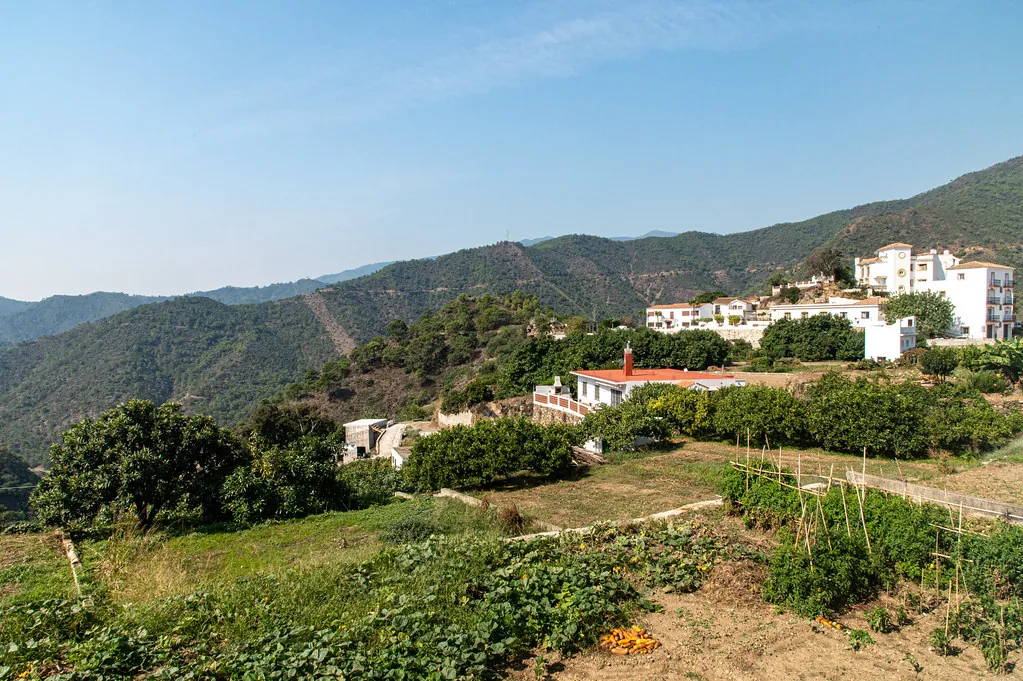
At 580 metres above sea level, El Burgo's laundry flaps at eye-level with eagles. The Sierra de las Nieves rises behind the village like a granite ...

1,761 inhabitants · INE 2025
591m Altitude

Why Visit

Mountain Castle of El Burgo (ruins) Hiking to Tajo del Valle

Best Time to Visit

spring

Seven-Branch Soup (February) agosto

Things to See & Do
in El Burgo

Heritage

  • Castle of El Burgo (ruins)
  • Church of the Incarnation
  • Bridge of Málaga

Activities

  • Hiking to Tajo del Valle
  • Swimming at the Dique
  • Pinsapos Route

Festivals
& & Traditions

Fecha agosto

Sopa de los Siete Ramales (febrero), Feria de San Agustín (agosto)

Las fiestas locales son el momento perfecto para vivir la autenticidad de El Burgo.

Full Article
about El Burgo

A nature-rich municipality with Spanish-fir forests and clear rivers, perfect for eco and adventure tourism.

Ocultar artículo Leer artículo completo

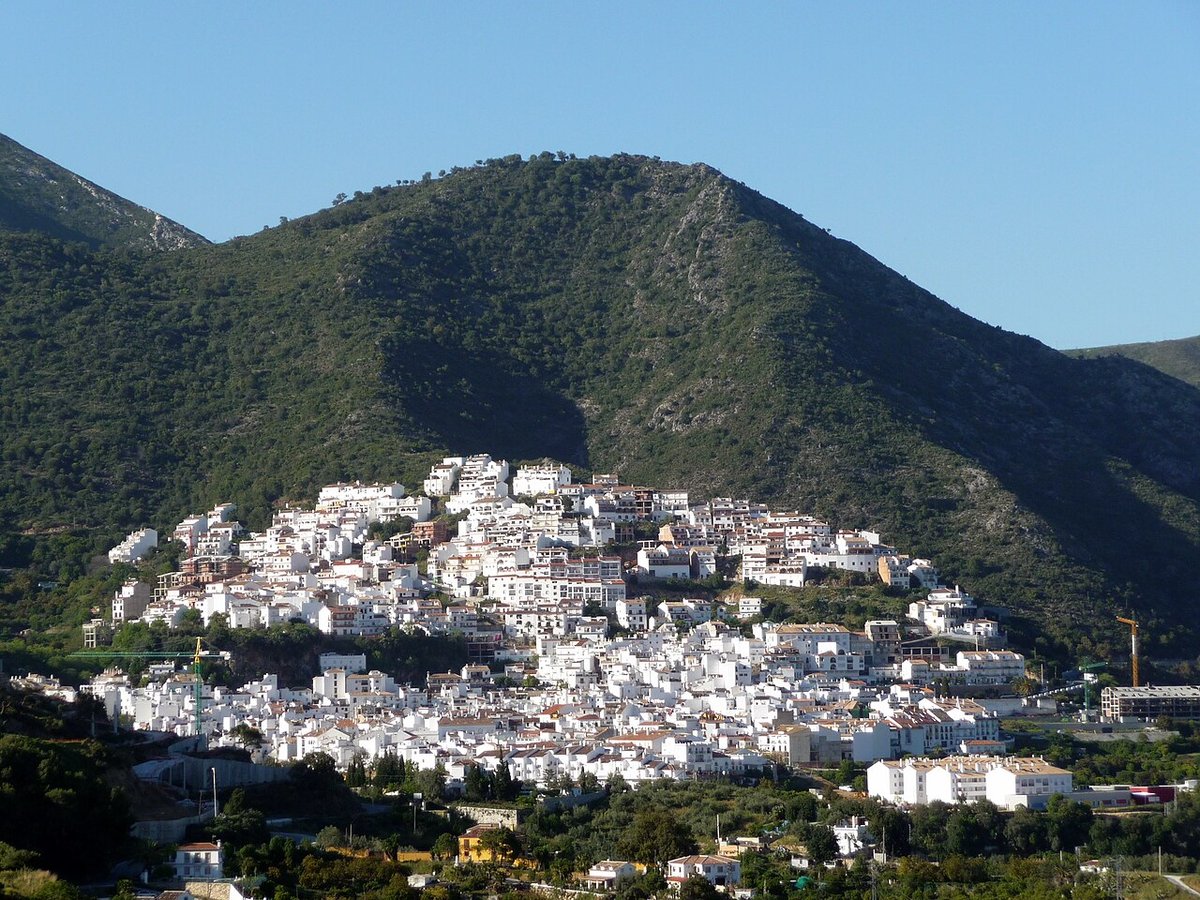
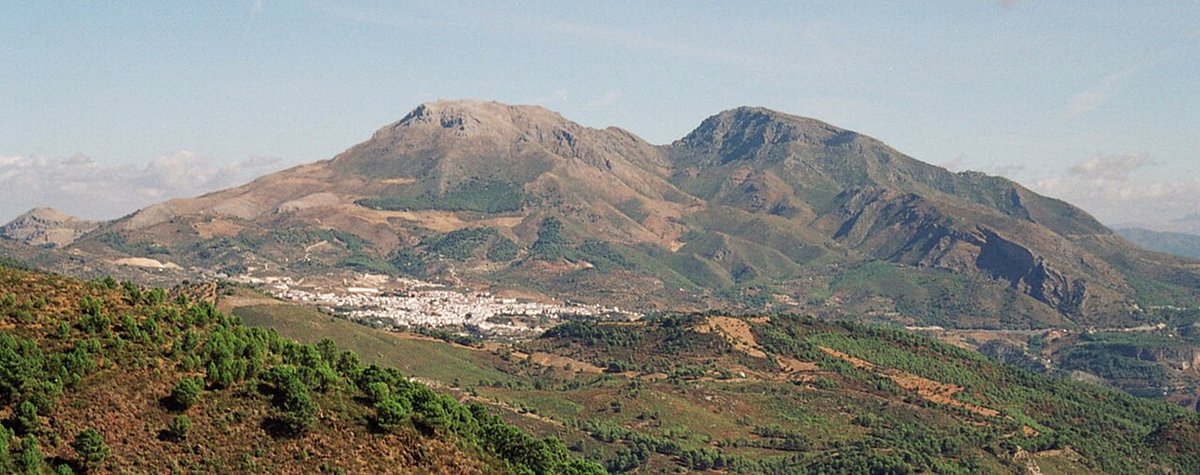
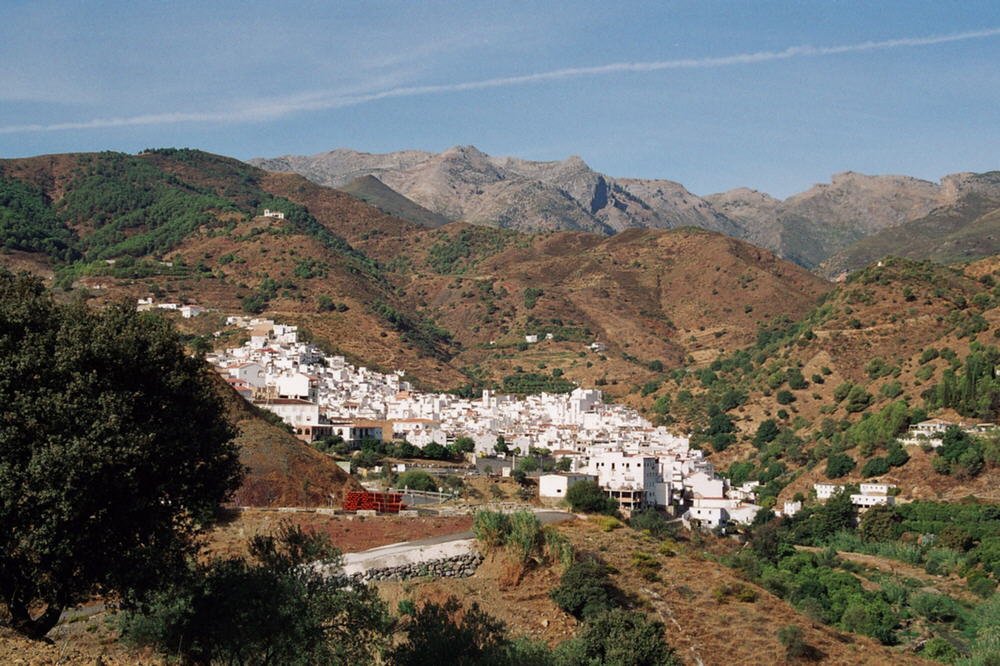
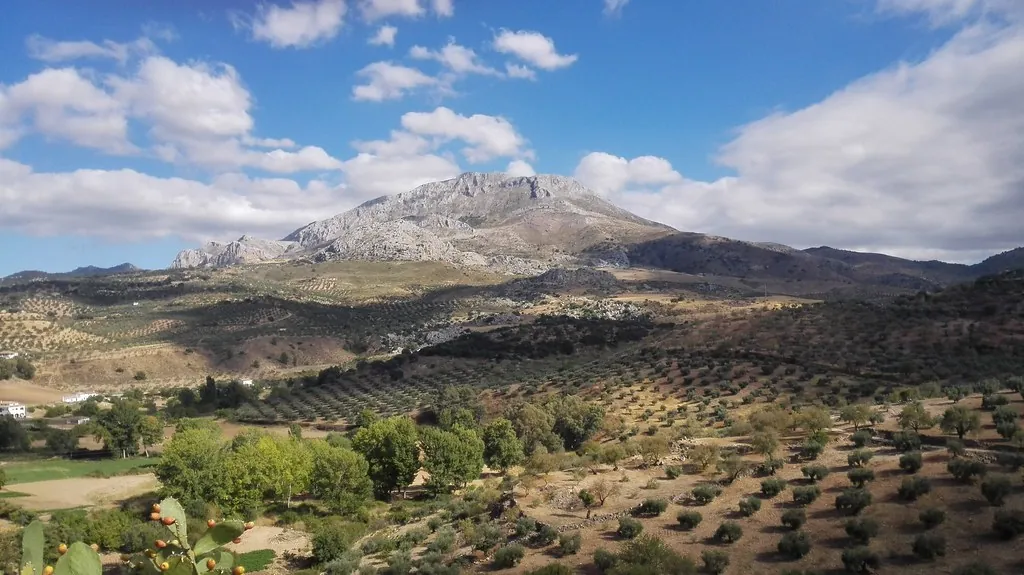
At 580 metres above sea level, El Burgo's laundry flaps at eye-level with eagles. The Sierra de las Nieves rises behind the village like a granite wave, its highest peaks still capped with snow when spring blossoms appear in the plaza. This is Andalucía's vertical frontier—a place where white houses stack against the mountainside so steeply that neighbours can shake hands across narrow alleyways.

Streets That Steal Your Breath

The village doesn't reveal itself easily. Park at the entrance roundabout—there's nowhere to turn around in the centre—and start climbing. Cobbled lanes narrower than a London taxi wind past geranium-filled balconies, each turn revealing another flight of steps. Within ten minutes, your calves will know why locals have legs like mountain goats.

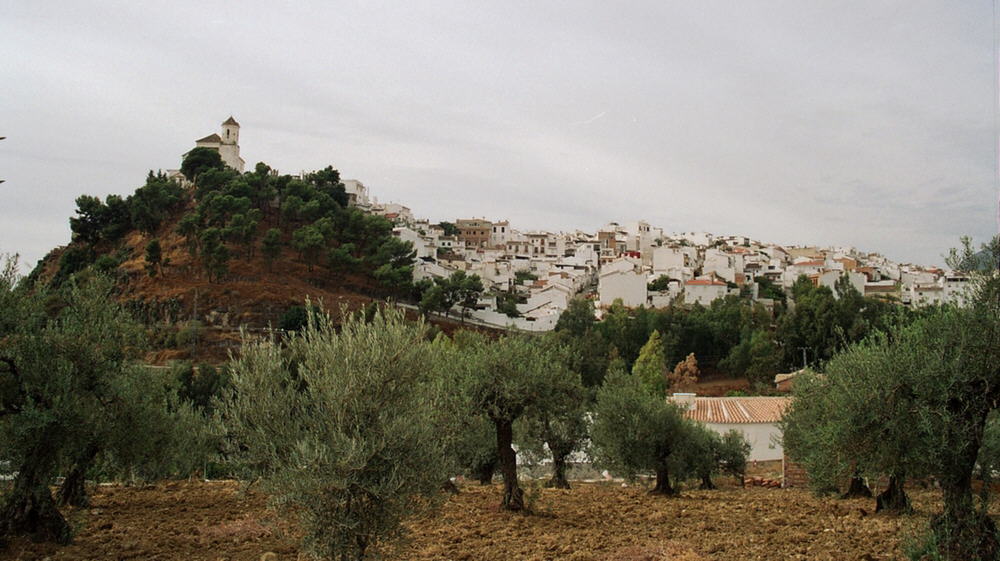
At the summit sits the sixteenth-century Iglesia de la Encarnación, its stone tower visible from every approach road. Inside, baroque retablos gleam with gold leaf, though the real treasure is the cool darkness after the white glare outside. Don't expect grandeur—this is a working village church where elderly women still mutter rosaries beneath their breath.

The historic core takes twenty minutes to cross, but allow an hour. Doorways reveal glimpses of family life: grandfather in vest and braces shelling almonds, children practising football against medieval walls. Photography requires discretion—these aren't museum exhibits but people going about their day.

Walking Into Another World

El Burgo exists for what lies beyond it. The village sits entirely within Sierra de las Nieves Natural Park, now upgraded to National Park status, protecting Spain's largest surviving pinsapo forests. These ancient Spanish firs create cathedral-like groves where light filters through needles in emerald shafts.

The Ruta del Pinsapo starts five minutes from the church square. Waymarked trails range from gentle ninety-minute loops suitable for families to full-day expeditions that leave even fit walkers jelly-legged. The classic circuit to Tajo de la Caína viewpoint takes three hours return—bring more water than you think necessary. The final approach crosses limestone pavement with sheer drops of 200 metres; vertigo sufferers should stick to the forest sections.

Serious hikers talk in hushed tones about La Torrecilla. At 1,919 metres, it's Málaga province's roof, accessible only via a seven-hour round trip with 1,100 metres of ascent. Weather changes faster than British opinion—what starts as a sunny morning can become horizontal sleet by lunchtime. The mountain rescue team keeps busy with underprepared beach tourists in trainers.

What Ends Up on Your Plate

Mountain cooking means fuel food. Chivo al ajillo arrives in earthenware crocks, goat stewed until it falls apart under the slightest pressure, swimming in olive oil thick with garlic. It's not delicate—this is food for people who've spent daylight hours burning 3,000 calories on limestone trails.

Local menus change with the seasons. Autumn brings wild mushroom dishes when foragers return triumphant from the hills. Winter means matanza time—whole families gather to transform pigs into chorizo, salchichón and morcilla. The resulting plates of chacina appear everywhere; even vegetarians might waver when faced with jamón that melts like snowflakes.

Breakfast deserves special mention. Café Central on the main road serves coffee that could wake the dead alongside thick hot chocolate and churros at prices that make Londoners weep—€2.50 for a breakfast that keeps you walking until mid-afternoon.

When the Village Parties

August's feria transforms quiet streets into a riot of coloured lights and fairground rides. The population quadruples as former residents return from Málaga and Madrid. Flamenco spills from casetas until dawn; sleep becomes theoretical. Book accommodation months ahead or face a forty-kilometre drive to the nearest available bed.

Holy Week processions feel intimate in a village this size. When hooded penitents carry centuries-old statues past bedroom windows, the line between spectator and participant blurs. September's Virgen de los Remedios fiesta combines religious solemnity with bull-running through narrow streets—animal rights activists should check dates before visiting.

Winter's Matanza del Cochino isn't marketed to tourists. If invited, you'll witness traditions unchanged for generations. Bring a strong stomach and loose trousers.

Getting There and Staying Sane

The drive from Málaga airport takes ninety minutes minimum. The A-357 to Ardales flows well, but the final MA-5403 twists like a corkscrew. Satnavs lose plot regularly; download offline maps and don't trust arrival times. In winter, carry snow chains—elevation means frost when the coast basks in twenty degrees.

Public transport exists in theory. One daily bus connects with Málaga at antisocial hours; miss it and you're sleeping at the station. Car hire isn't optional—it's essential.

Accommodation ranges from the converted convent of El Convento (rooms from €80 with views across the gorge) to simple village houses on Airbnb. Book dinner when you book beds—restaurants close early and options are limited. The nearest supermarket with British comforts is thirty kilometres away in Coín.

Mobile signal dies in valleys between villages. Download walking routes before leaving wifi. Cash machines exist but occasionally run dry; bring euros.

The Honest Truth

El Burgo isn't pretty in a postcard sense. Buildings show their age, paint flakes, and the main road thunders with timber lorries. Summer heat can feel brutal despite altitude. Evenings offer little beyond a couple of bars where locals watch football and discuss agricultural prices.

Yet for walkers seeking authentic mountain Spain, it delivers. Trails start from your doorstep. The bakery opens at six for pre-hike coffee. Mountain guides speak enough English to keep you safe but not enough to ruin the sense of escape. When mist fills the valley below and eagles circle overhead, you'll understand why people trade coastal convenience for these cloud-kissed streets.

Come prepared, respect the mountains, and El Burgo rewards with something the Costa del Sol can't manage—space to breathe, both literally and metaphorically, at the roof of Andalucía.

Key Facts

Region
Andalucía
District
Sierra de las Nieves
INE Code
29031
Coast
No
Mountain
Yes
Season
spring

Livability & Services

Key data for living or remote work

2024
ConnectivityFiber + 5G
HealthcareHospital 19 km away
EducationElementary school
Housing~5€/m² rent · Affordable
CoastBeach 17 km away
Sources: INE, CNMC, Ministry of Health, AEMET

Official Data

Institutional records and open data (when available).

  • Iglesia de Santa María de la Encarnación
    bic Edificio Religioso ~0.1 km
  • Cortijo de la Fuensanta
    bic Monumento ~2.2 km
  • Molino del Convento de las Nieves
    bic Monumento ~5 km
  • Antiguo Convento del Santo Desierto de las Nieves
    bic Monumento ~5 km

Planning Your Visit?

Discover more villages in the Sierra de las Nieves.

View full region →

More villages in Sierra de las Nieves

Traveler Reviews