Full Article
about Monda
Set at the foot of its striking castle, now a hotel, and known for its Monda-style soup.
Hide article Read full article
The bells of the church of Santiago ring out at eight in the morning and the sound drifts across the slopes that surround Monda. At that hour the village is still half-asleep. A shutter creaks open, a car heads towards the road to Coín, someone lingers over a first coffee in the square. Sunlight begins to reach the terracotta roof tiles and slides gently down the whitewashed streets, as if the day has all the time in the world.
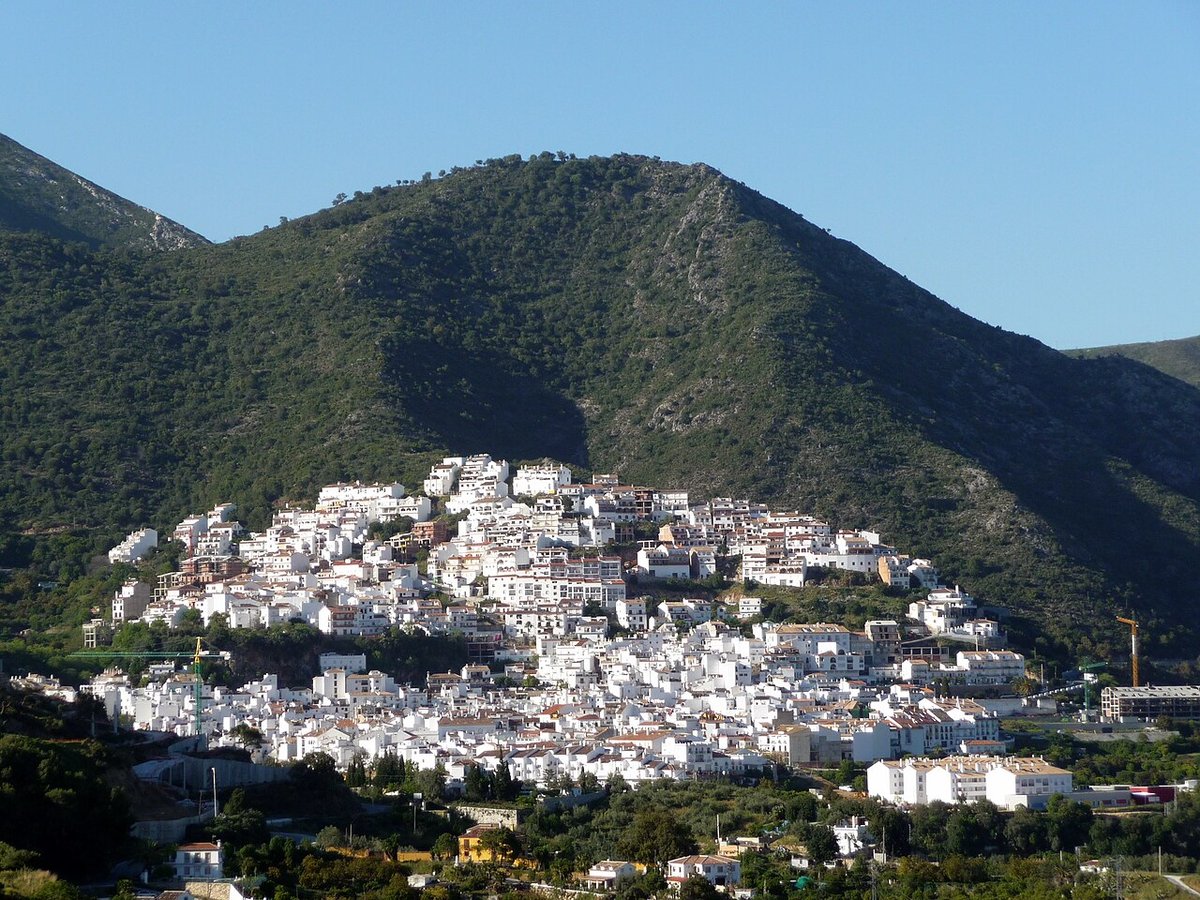
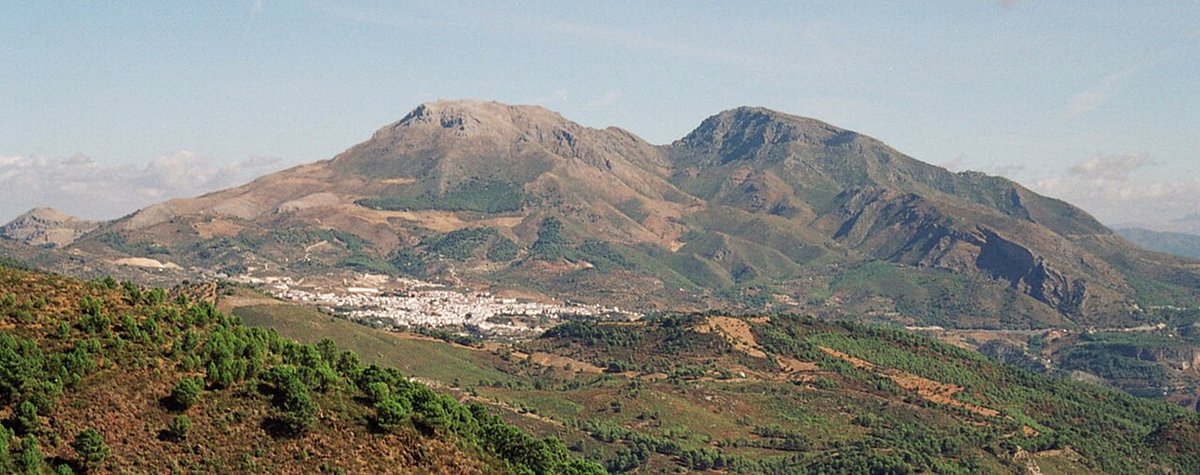
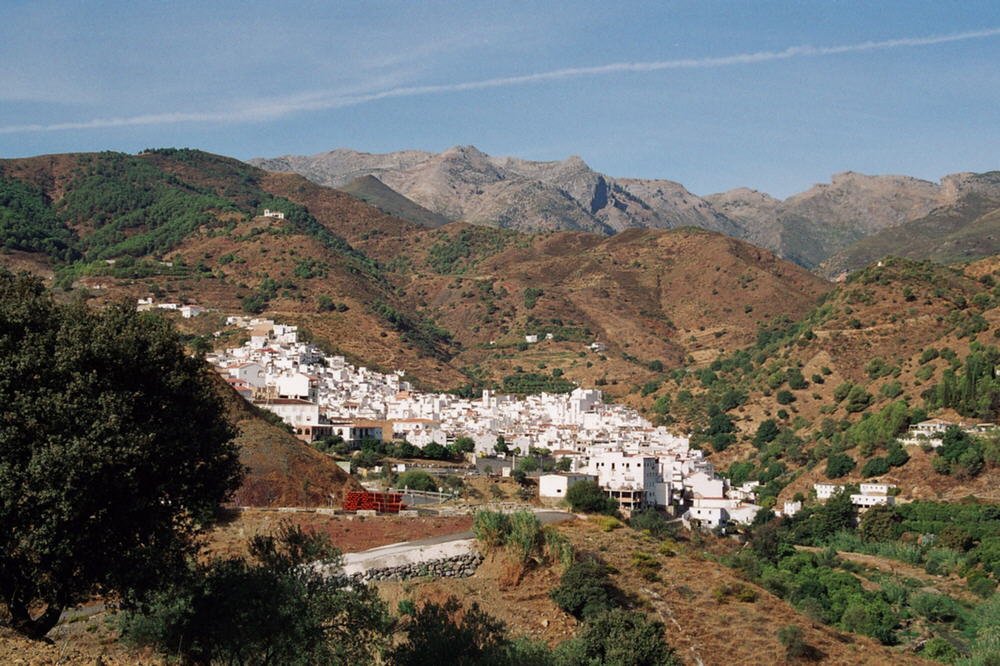
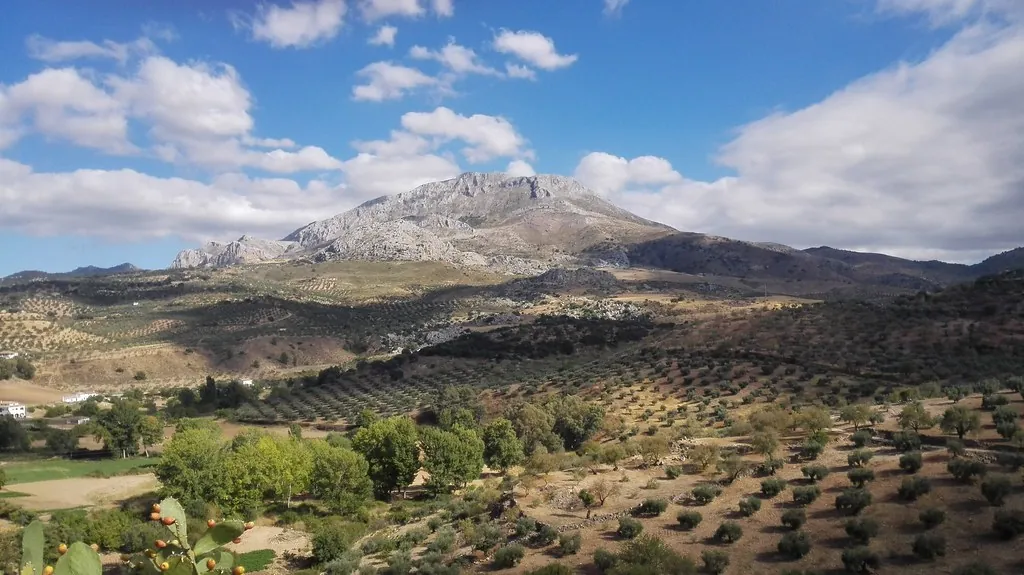
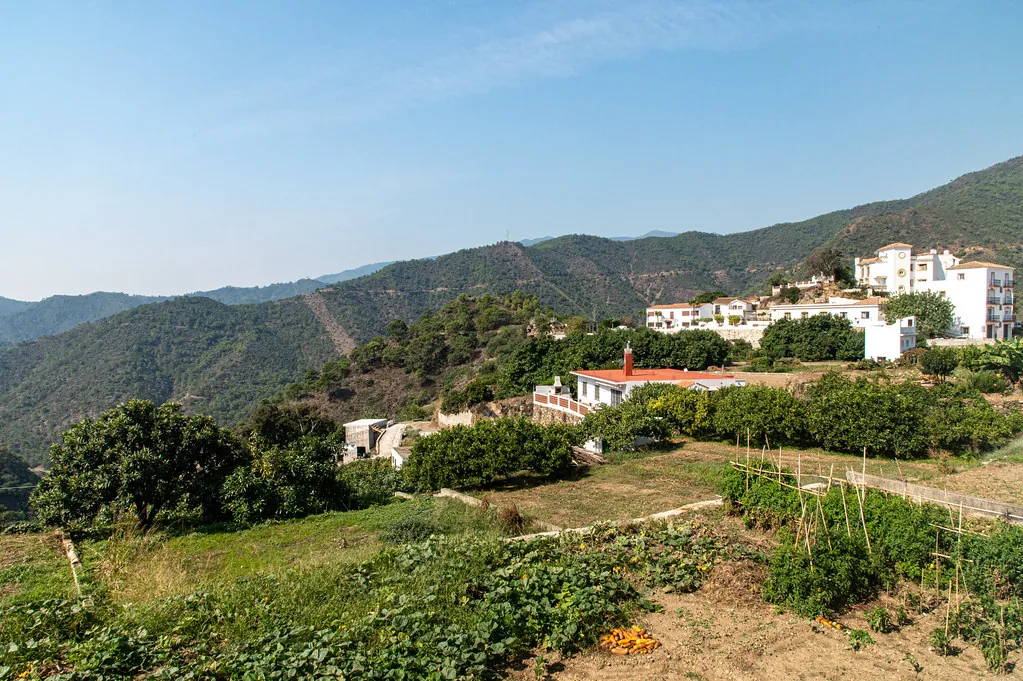
Monda sits in the Sierra de las Nieves, among scrubland, small orchards and paths that leave the village almost without warning. It is the kind of place where a short walk is enough for everyday noise to fall away.
A Valley Layered with History
Walking through Monda means crossing traces of the past without necessarily looking for them. In Calle Ancha, where some houses nearly meet overhead, the smell of freshly baked bread often mixes with damp earth after a night of rain. Heading down towards the Arroyo del Casarín, a stretch of old paving stones appears along the way. Many locals identify it as Roman. There are no large information boards or formal explanations, just old stones embedded in a path that links up with the routes towards Coín.
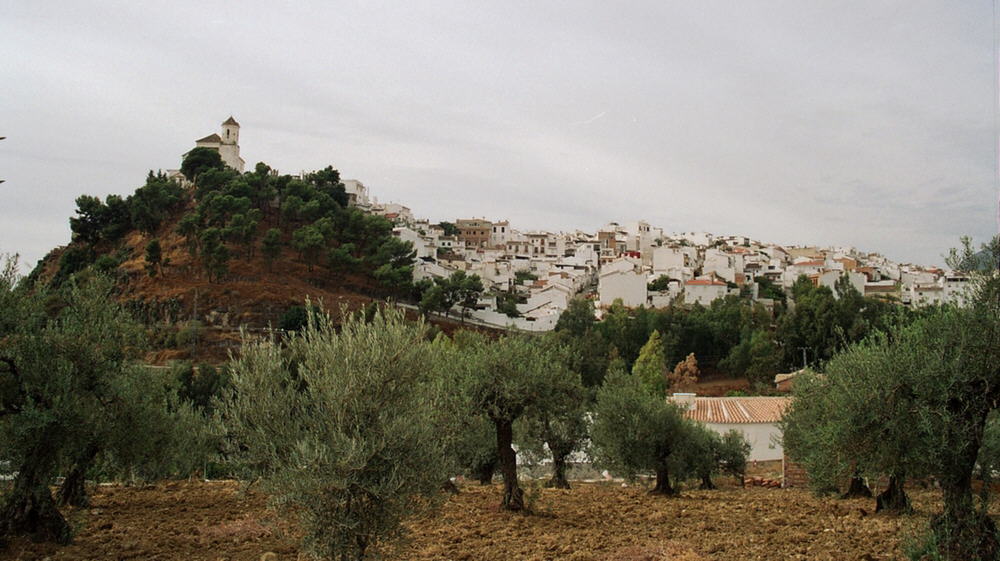
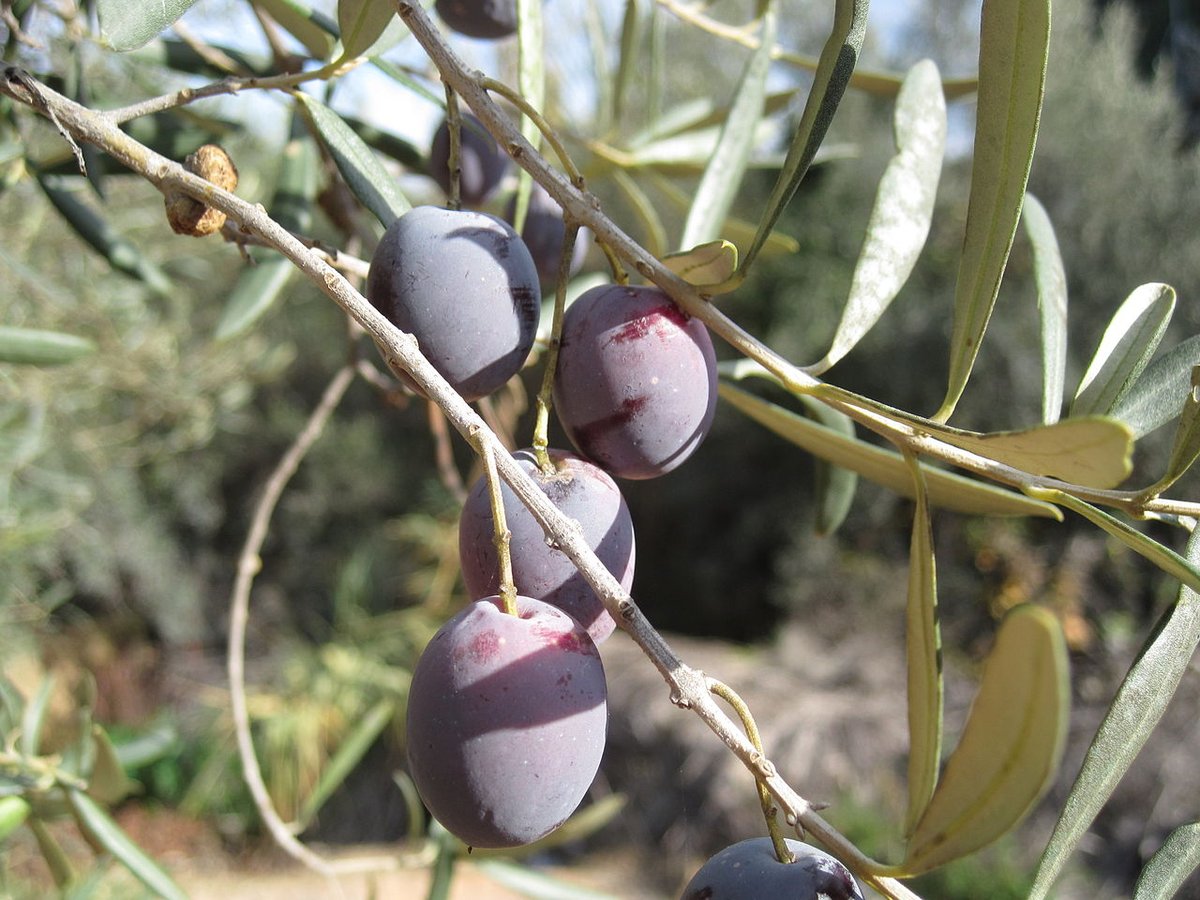
At the highest point stands the castle of Al‑Mundat, visible from almost anywhere in the village. The current building rises over much older remains and today functions as accommodation. The climb takes around twenty minutes along a reddish dirt track which can be slippery after rain, so it is worth taking it slowly. From the top, the Guadalhorce valley opens out: olive groves, scattered almond trees and, further off, the mountain ranges that close the horizon.
The landscape around Monda feels close at hand. Hills frame the village on all sides and footpaths slip out between houses and vegetable plots before merging into the sierra. It takes little effort to trade paved streets for open countryside.
Recipes That Still Belong to the House
In the milder months, mid-afternoon can bring a simple ritual. Chairs appear outside front doors and conversations unfold at street level. Near the ermita there is a small monument dedicated to the charcoal burners who once worked in the surrounding mountains. For generations this was part of the local economy, a trade tied closely to the woods of the Sierra de las Nieves.
Food in Monda still carries that sense of continuity. When the weather turns cool, many households prepare sopa mondeña. It is an unpretentious recipe made with day-old bread, egg, garlic, olive oil and paprika. Each family has its own version. Traditionally, towards the end of winter or the beginning of spring, the village holds a day centred on this dish. Large pots are brought out into the street and people gather around to share it.
Another dish that often appears on family tables is salmorejo de bacalao. Despite the name, it has little in common with the well-known salmorejo from Córdoba. Here it includes orange, flaked salt cod and boiled potato. The combination dates back to times when religious fasting meant going without meat and meals had to be made from whatever was available at home.
These recipes are straightforward and practical, shaped by the seasons and by necessity. They speak of a rural setting where ingredients were close at hand and nothing was wasted.
Summer Nights in the Square
By July, the heat lingers on the walls long after sunset. On those evenings the main square often fills with chairs set out for cante, traditional flamenco singing. The village’s flamenco festival has been held for years and draws people from other municipalities in the area. Older residents take the front rows, fans in hand. Between songs, quiet comments pass back and forth, as they might at any familiar gathering.
In August the feria dedicated to San Roque arrives. During those days the rhythm of the village shifts. There are more people on the streets, music continues late into the night and cars search for space in streets that were laid out long before modern traffic existed. The feria brings movement and noise, yet the setting remains the same: white façades, narrow lanes and the outline of the castle watching from above.
These summer events give a sense of how Monda balances its scale. It remains small, but at certain moments the square becomes a meeting point for the wider area.
When to Experience Monda at Its Easiest
Spring is often the most rewarding time to explore the surroundings of Monda on foot. Between March and May the hills fill with small wildflowers and the air carries the scent of thyme and damp soil. Several paths leave directly from the village and climb towards the sierra. Some reach hilltops where, on clear days, the sea can just be made out to the south.
In summer it is wise to start early if planning to walk. From midday onwards the heat intensifies and the white streets reflect the light sharply. Mornings, by contrast, retain a softer feel, closer to that first hour when the bells of Santiago echo across the slopes.
October offers another appealing moment. Nights begin to cool and, after the busier weeks of summer, the village settles back into a calmer pace. In many homes roscos de vino appear, small ring-shaped biscuits scented with aniseed and cinnamon. The aroma lingers in the kitchen for hours. By mid-morning, once the sun has warmed the walls a little, it becomes easy to understand why many locals say that the best Monda is found in autumn.
Across the year, Monda keeps to its own tempo. It is present in the old stones near the Arroyo del Casarín, in the climb up to Al‑Mundat, in a shared pot of sopa mondeña set out on the street. The village does not demand a schedule. It simply unfolds, from the first bell of the morning to the last conversations in the square at night.