Full Article
about Ojén
White village a stone’s throw from Marbella, known for its aguardiente and the Ojeando music festival.
Hide article Read full article
The smell of roasted chestnuts reaches you before the village does. The road climbs in curves from Marbella and, without much warning, the sea slips out of sight behind the sierra. In its place comes scent: damp, slightly sweet, mixed with woodsmoke drifting from chimneys when the weather turns cold. Ojén often begins with the nose.
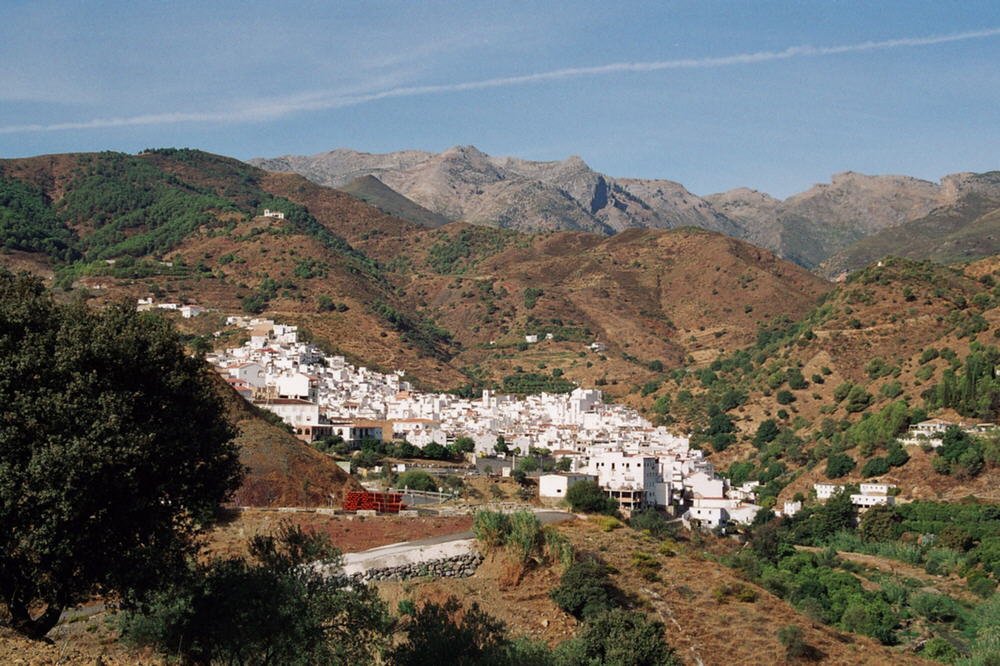
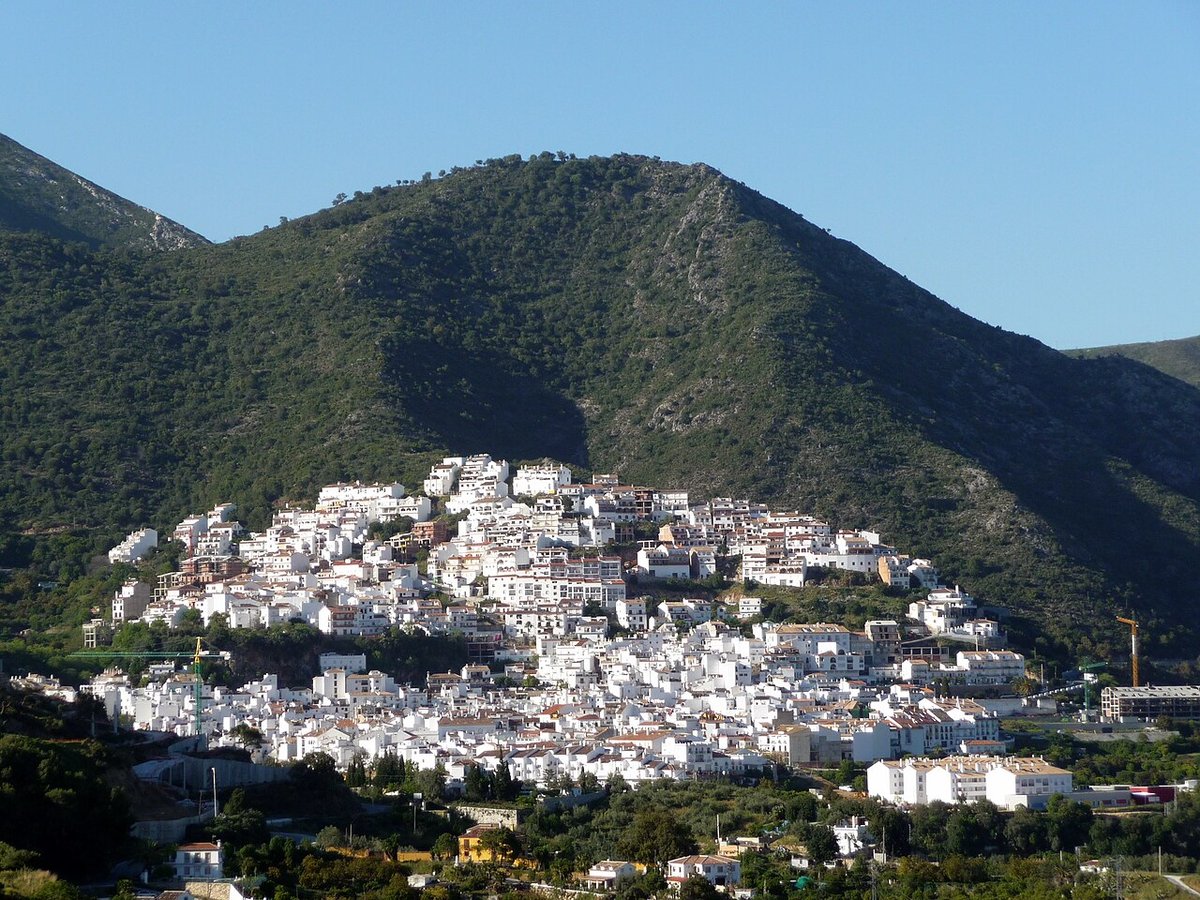
Perched above the Costa del Sol, this small white village feels both close to the coast and removed from it. Down below lies Marbella. Up here, the air carries mountain chill and the soundscape changes. Wind moves through dry chestnut leaves. A car works its way slowly uphill. The rest is quiet.
When the Village Draws In on Itself
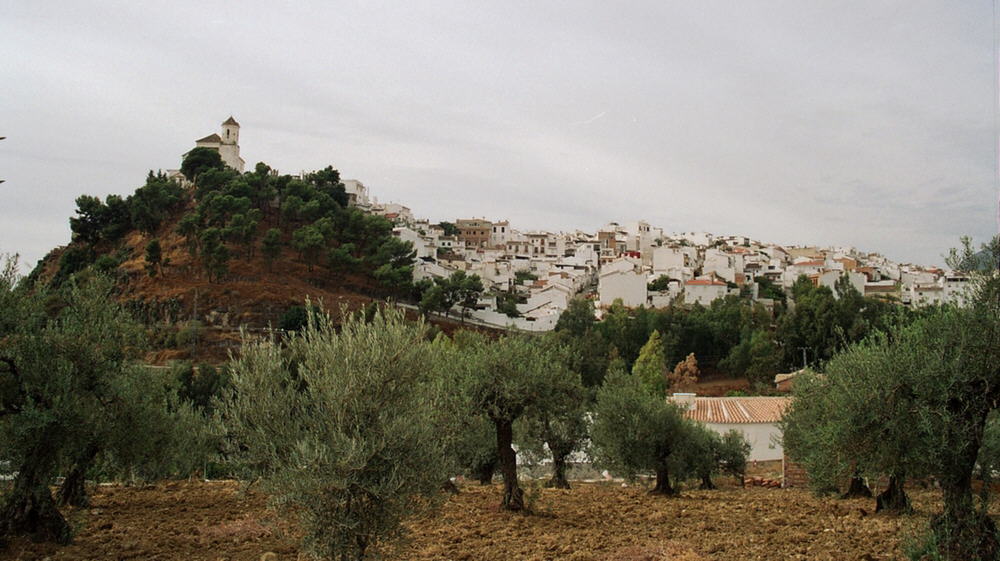
On a November morning, the white houses seem to press together against the slope as if reaching for the first sunlight. In the square, a man pulls plastic tables out from a bar, their legs scraping across the cobbles. The church clock strikes with the slightly muted tone that old clocks have when the air is damp.
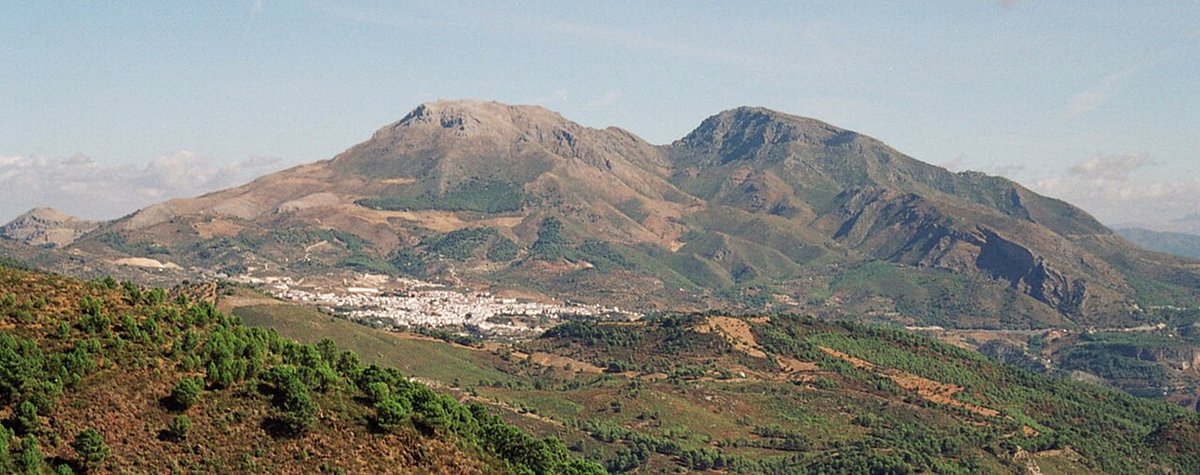
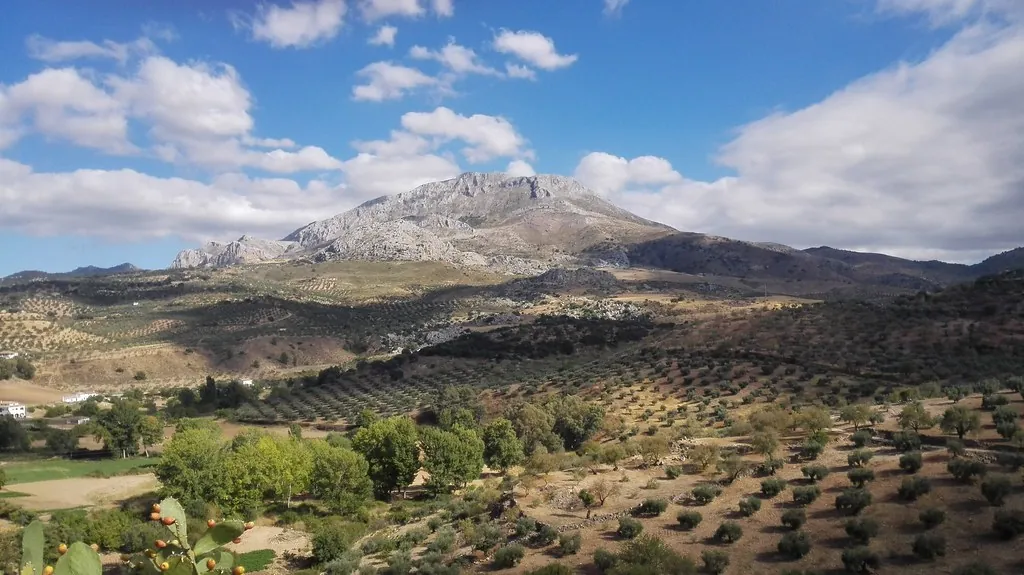
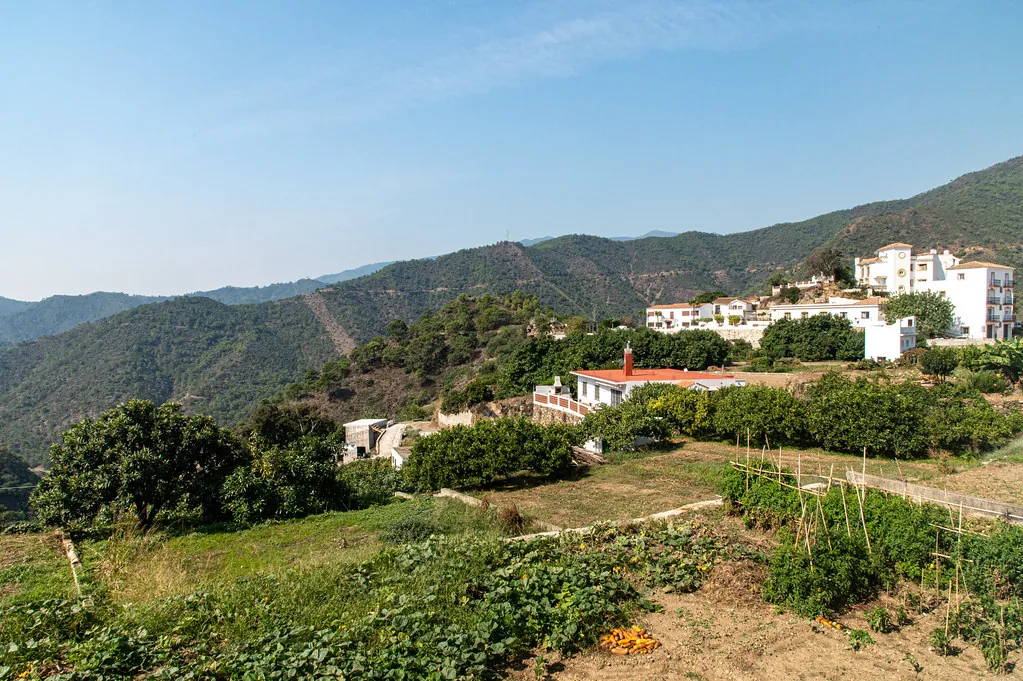
From one of the miradores overlooking the valley, the position of Ojén becomes clear. The hills descend in terraces of olive trees and scrubland. On bright days, Marbella appears in the distance as a pale patch among palms and apartment blocks. Here, though, the dominant sounds are wind and the occasional engine climbing the hill.
The layout is compact and steep. Streets tilt sharply upwards, paved in old cobbles that can turn slippery when damp. It is a place that seems to fold inwards as the day begins, then open up to light as the sun rises higher over the Sierra de las Nieves behind it.
The Castle That Is No Longer a Castle
Walking up towards what remains of the Castillo de Ojén means arriving somewhere that has almost disappeared. There are scattered stones and fragments of wall, little more. Without knowing what once stood here, it might look like nothing more than a clearing on the hillside.
The reward lies in the surroundings. Below sits the stepped white village. Behind it rises the Sierra de las Nieves. To the south, the valley slopes down towards the coast. Close by is the Cueva de las Campanas. Access depends very much on the state of the path and it is not always in good condition, so it is wise to ask in the village before setting out.
By late morning the sun warms the whitewashed walls. In a small shop in the centre, local embutido is sold. The chorizo de Ojén is rich and robust, heavy on garlic, the sort that stays with you well into the afternoon. The woman behind the counter recalls a time when many households raised pigs and carried out the winter matanza, the traditional slaughter and preparation of cured meats. “Hardly anyone now,” she says with a shrug.
Ojén’s food culture, at least in memory, is tied to that self-sufficiency. Pigs in backyards, families preparing sausages for the colder months, recipes shaped by what the land provided. Some of that rhythm has faded, but its flavours remain.
When Water Set the Rhythm
Near the cemetery begins the Sendero de los Molinos. The path drops along a cobbled track whose stones have been polished by years of footsteps: people, animals, carts. As the terrain opens out, flour mills appear one after another. Built in masonry, they now stand partly claimed by vegetation.
A stream runs between them. In spring it usually flows strongly. In summer, only a thin thread of water murmurs between the stones.
This was once a working landscape. Grain was brought down to be ground into flour, and the mills operated according to the force of the water. An elderly local, who walks here almost daily, points out a stone hopper and recalls how his grandmother used to bring wheat on a beast of burden to have it milled. It involved queuing and waiting. The path that once carried villagers and animals now sees walkers with hiking poles and mobile phones in hand.
The Sendero de los Molinos is both a rural walk and a reminder of how closely daily life followed natural cycles. When the stream ran well, work moved quickly. When it slowed, so did everything else.
A Night that Smells of Aguardiente
As evening falls in the square, lamplight washes the white façades in yellow. The air cools quickly once the sun drops behind the hills. In one corner, several men play cards using a metal barrel as a table. Their voices echo off the walls.
At the beginning of November, Ojén usually celebrates the Tostón. This is a long-standing gathering centred on roasted chestnuts and aguardiente, the strong spirit that was produced here for many years. Older residents still call it “ojenito”. On that day, many who live elsewhere return. Houses that are normally closed light up, and the square fills late into the night.
The festival is simple in essence: chestnuts, drink, conversation. Yet it shifts the atmosphere of the village. Streets that are quiet for much of the year hum with reunion. The scent that greets visitors on the road up becomes the heart of the celebration.
Later at night, silence returns quickly. The church clock can be heard again through an open window, with the distant sound of a dog barking on the outskirts. Woodsmoke lingers in the air. The sea lies only a few kilometres away, but from here it feels difficult to imagine.
Before You Make the Climb
Ojén’s proximity to the coast shapes its rhythms. In summer, it is better to come during the week and early in the day. At weekends, many people drive up from Marbella in search of cooler mountain air. The village changes then: more cars, more noise, less space in the narrow streets.
Winter brings the opposite. Some days are very quiet, with chimney smoke rising straight into still air and few people outside. Snow occasionally falls on the nearby sierra, and the cold can feel sharper than expected given how close the Mediterranean is.
Good footwear is essential. The streets are steep and the old cobbles can be slippery when damp. Anyone heading up towards the castle area or walking the paths that lead out of the village should carry water, as there are no fountains or shops beyond the centre.
Ojén is not far from the coast in distance, yet it operates on a different register. Sea and mountain exist within sight of each other, but the sensations shift: salt air replaced by woodsmoke, traffic by wind in the trees, beach light by the glow on whitewashed walls. It is a small change in altitude that brings a marked change in mood.