Full Article
about Tolox
Heart of the Sierra de las Nieves, known for its spa with medicinal waters for the respiratory system
Hide article Read full article
A village announced by water
The smell of sulphur reaches you before the first houses come into view. On the road up from Coín, the waters of Fuente Amargosa signal your arrival in Tolox. Tourism here has long been tied to that unusual detail in the mountains of Málaga: a village where thermal water has been part of daily life for more than a century.
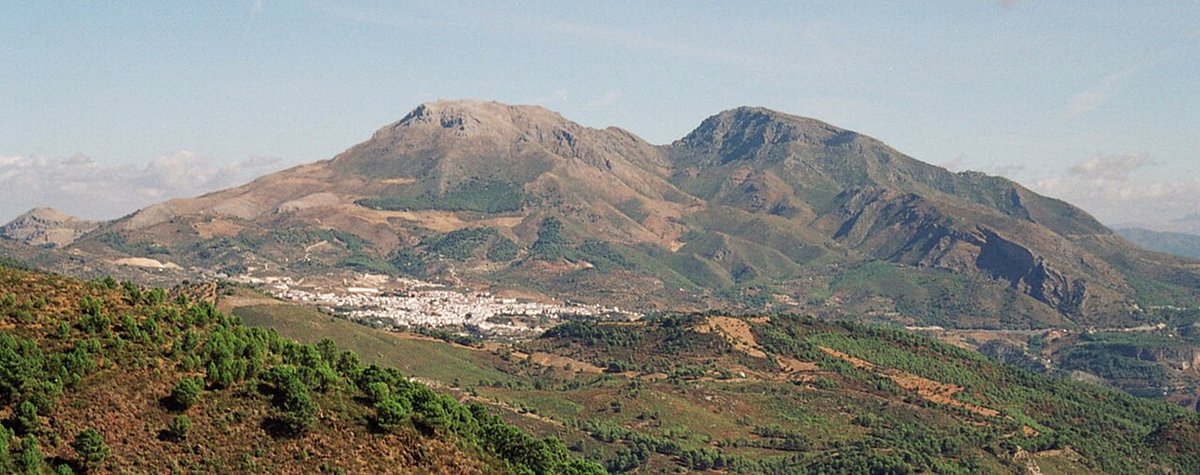
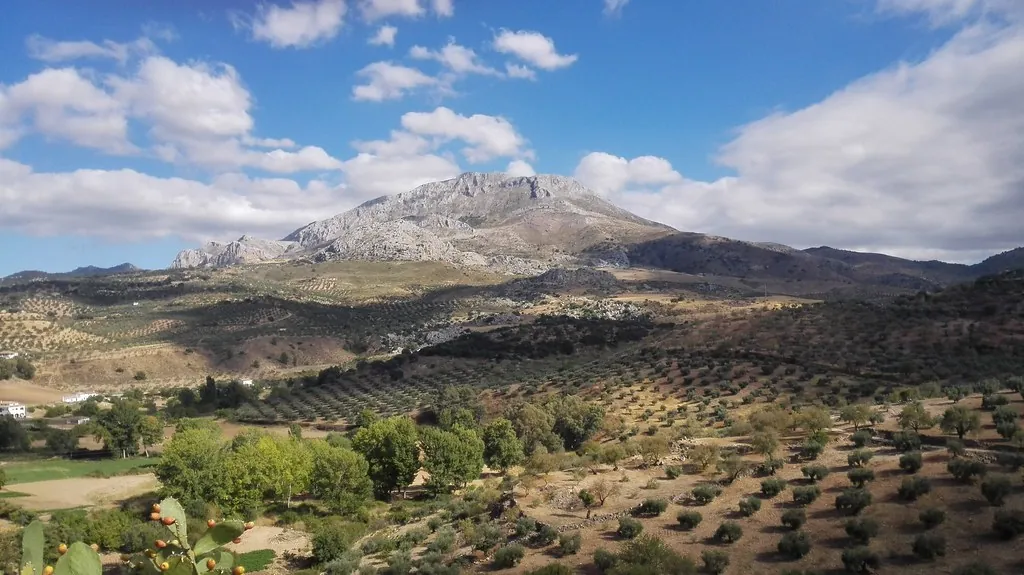
Tolox sits within the Sierra de las Nieves, now a national park. For a long time this was one of the quieter corners of the Málaga highlands, partly because of its rugged terrain and partly due to its distance from the coast. That sense of remove still shapes the place today, where geography and tradition continue to set the pace.
Life on a slope
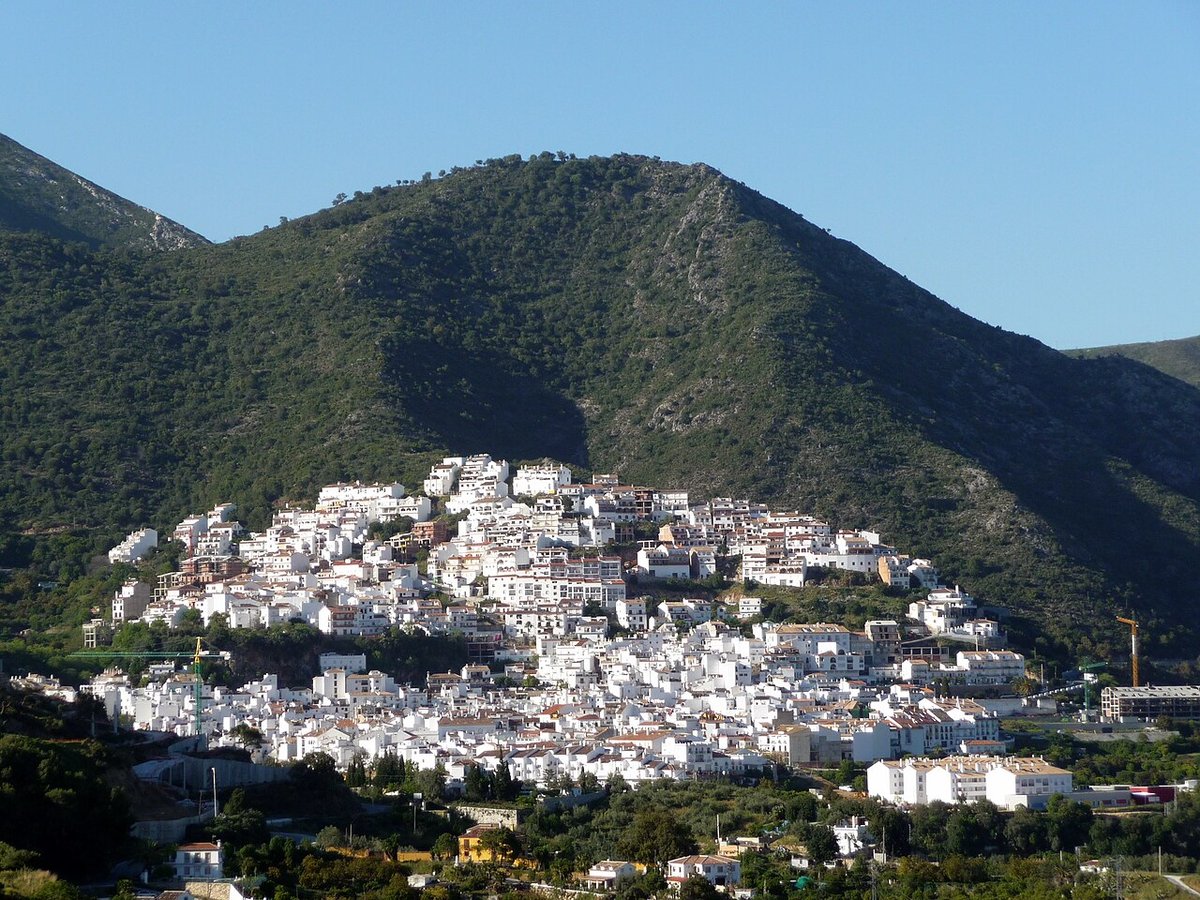
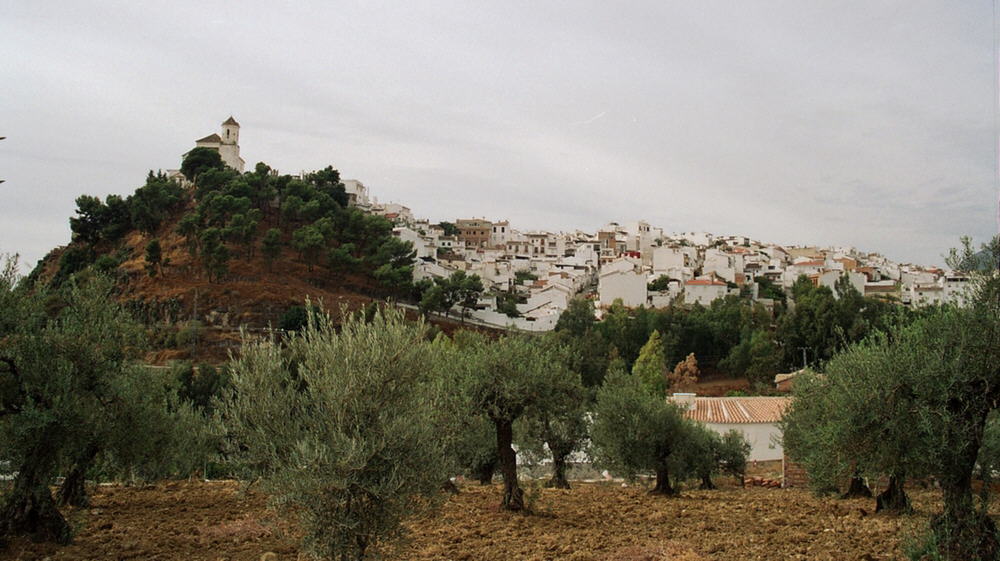
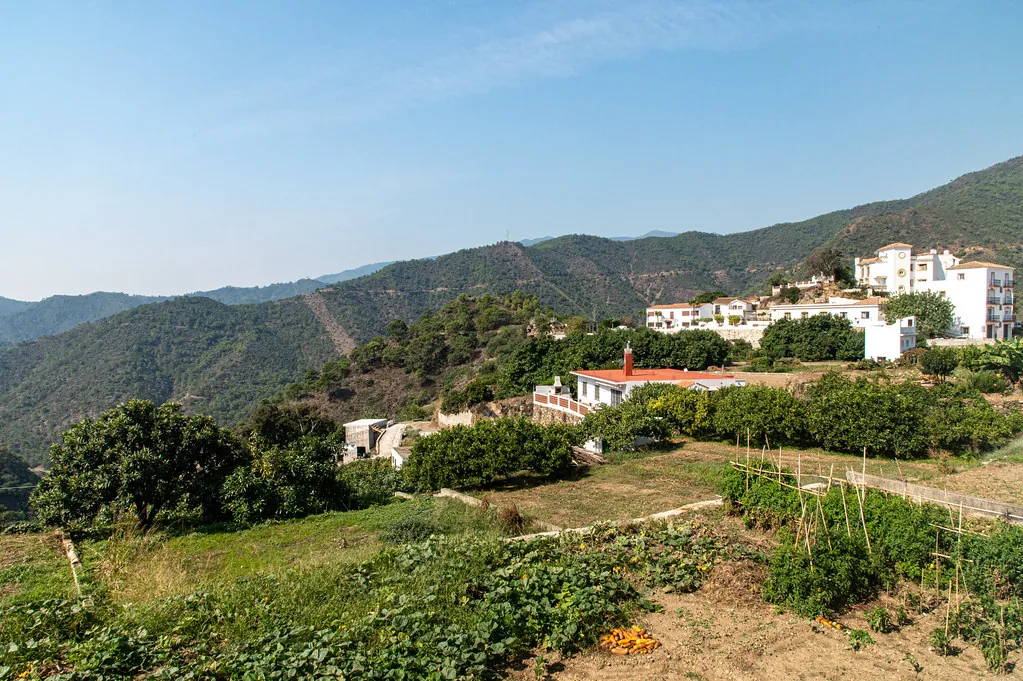
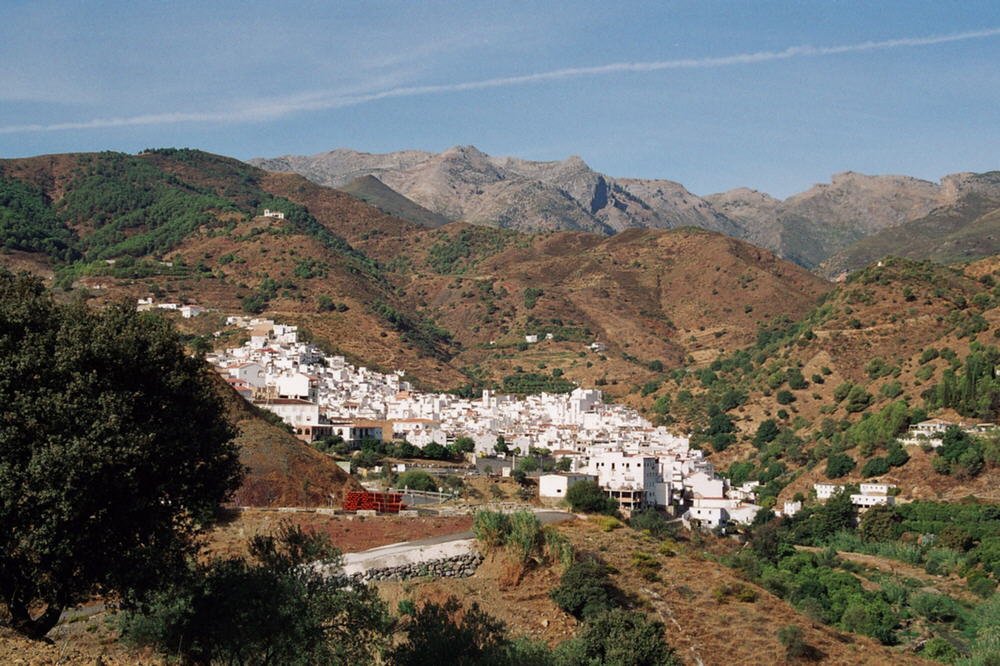
At around 879 metres above sea level, Tolox clings to the side of the Cerro del Castillo. There was little choice in the matter. The town grew where the land allowed it, resulting in steep streets, steps tucked between narrow lanes, and houses arranged in tiers overlooking the valley of the Río Grande.
Terraces and flat rooftops often double as everyday viewpoints. From many of them, the surrounding sierras open out across the horizon. The landscape plays a decisive role here. This is a meeting point between Atlantic and Mediterranean influences, something visible in both the vegetation and the rainfall, which tends to be more frequent than in nearby parts of Málaga.
In the nearby mountains grows the pinsapo, a rare type of fir tree closely associated with this region. It is not exclusive to Tolox, but the municipality lies within one of the areas where it is best preserved. These forests mark a clear shift from the more familiar Mediterranean scenery found elsewhere in southern Spain.
From an Andalusí stronghold to a mountain town
The position of the Cerro del Castillo also explains much of Tolox’s history. During the Andalusí period, a fortress stood here, controlling routes towards the Guadalhorce valley. Historical records link it to the rebellion of Omar Ben Hafsún in the late 9th century, when several sites across the highlands served as defensive points against Umayyad authority.
At the top of the hill, traces of that structure remain. Sections of wall and a heavily altered tower still hint at its former role.
The Castilian conquest arrived in 1485. As in much of the former Kingdom of Granada, the following decades were marked by tension. During the Morisco rebellion of the 16th century, violent episodes affected the area and the village church was damaged. The current building was constructed after those events, its design often associated with master builders active in Málaga at the time. It is not a monumental structure, yet it anchors the centre of village life.
Fuente Amargosa and the culture of thermal water
On the outskirts lies the spa of Fuente Amargosa. The use of these waters was organised in the 19th century, when spa culture was at its height in Spain.
This is not drinking water. Its interest comes from the sulphurous gases it releases, traditionally used in respiratory treatments. Over the decades, people travelled here from different parts of the country, and the complex gained a certain reputation during the first half of the 20th century.
It remains in operation today, with a notably calm atmosphere. The building reflects different periods of development, particularly mid-20th-century renovations, giving it a layered appearance that mirrors its long history of use.
Paths into the Sierra de las Nieves
Tolox serves as one of the gateways to the Sierra de las Nieves. Several routes begin within the municipality and climb towards higher areas of the park.
Among the best known is the path leading to Torrecilla, one of the highest peaks in the province of Málaga. Reaching the summit requires mountain experience and careful planning. The time needed varies widely depending on the chosen route and the conditions on the day.
The terrain here also draws the attention of caving specialists. In these mountains lies the GESM chasm, considered one of the most significant deep caves in Europe. It is not open for general visits, but it gives an idea of the karst landscape that extends beneath the surface.
More accessible are the trails that wind through nearby pinsapo forests. In these areas, the environment shifts noticeably, offering a contrast to the more typical Mediterranean vegetation found elsewhere in the region.
Art on the walls
In recent years, Tolox has added a contemporary layer to its streets through urban art. The initiative, known as Art Tolox, began in the mid-2010s with the aim of introducing murals without erasing the traditional architecture.
The artworks are scattered across different parts of the village and can be explored on foot. There is no fixed route. Part of the appeal lies in encountering them unexpectedly while moving up or down the steep streets.
Another small but distinctive feature appears on some façades: ceramic geckos. These act as subtle markers, helping to identify different historical areas within the town.
Getting there and moving around
Tolox is located inland in the province of Málaga, on the northern side of the Sierra de las Nieves. The usual access is by road from the Guadalhorce valley, following a route that gradually climbs into the mountains. Once inside the village, the layout itself encourages walking, shaped as it is by slopes, steps and narrow streets that reflect how the town adapted to its terrain.