Full Article
about Yunquera
Pinsapo paradise in the heart of the Sierra de las Nieves, known for its wine, chestnuts, and medieval layout.
Ocultar artículo Leer artículo completo
The church bell strikes midday and every shutter in Yunquera snaps shut. This isn't theatrical timing—it's survival. At 681 metres, the sun burns brighter than on the coast, and siesta here is still a practical necessity, not a tourism slogan. You'll have the twisting lanes to yourself, interrupted only by the clatter of walking poles as hikers emerge from the pines, heading for the single bar still serving coffee at three in the afternoon.
The Mountain That Shapes the Village
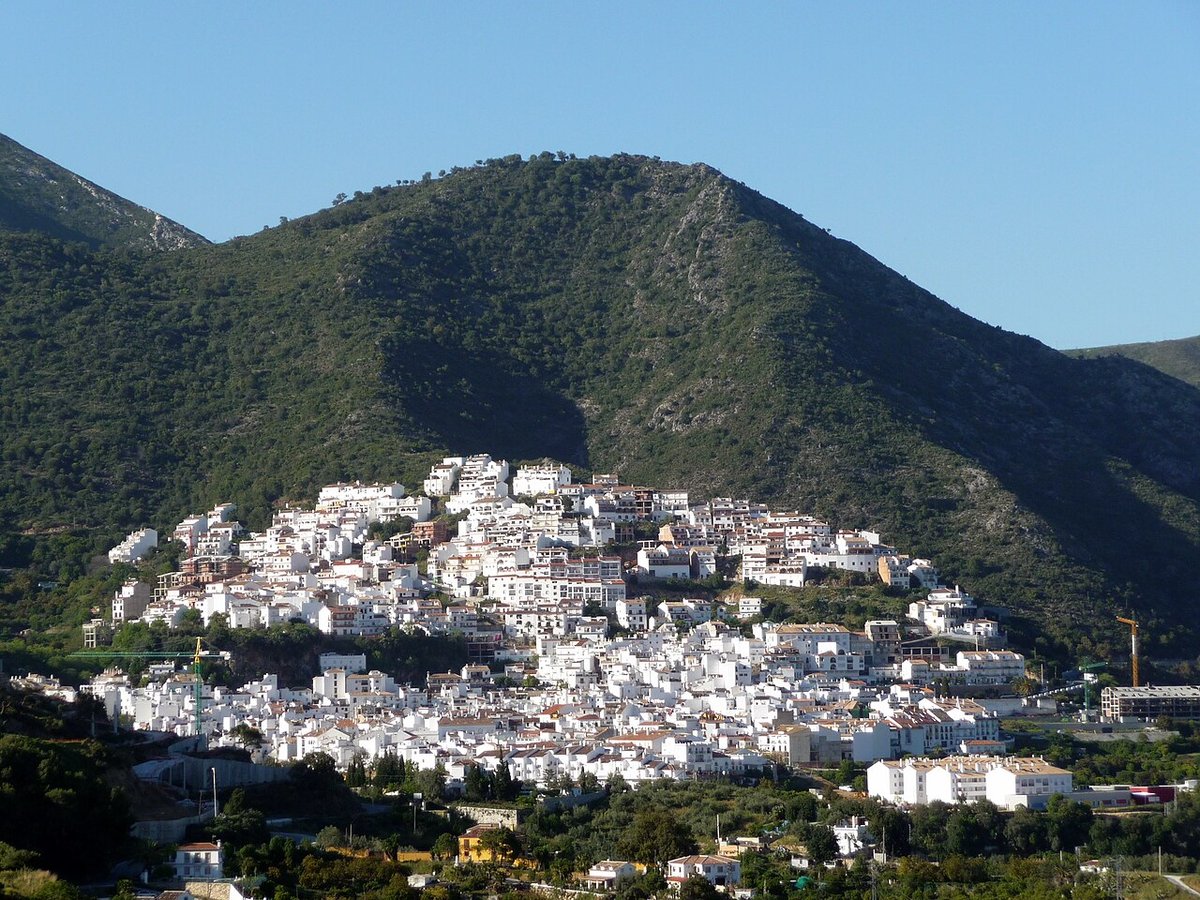
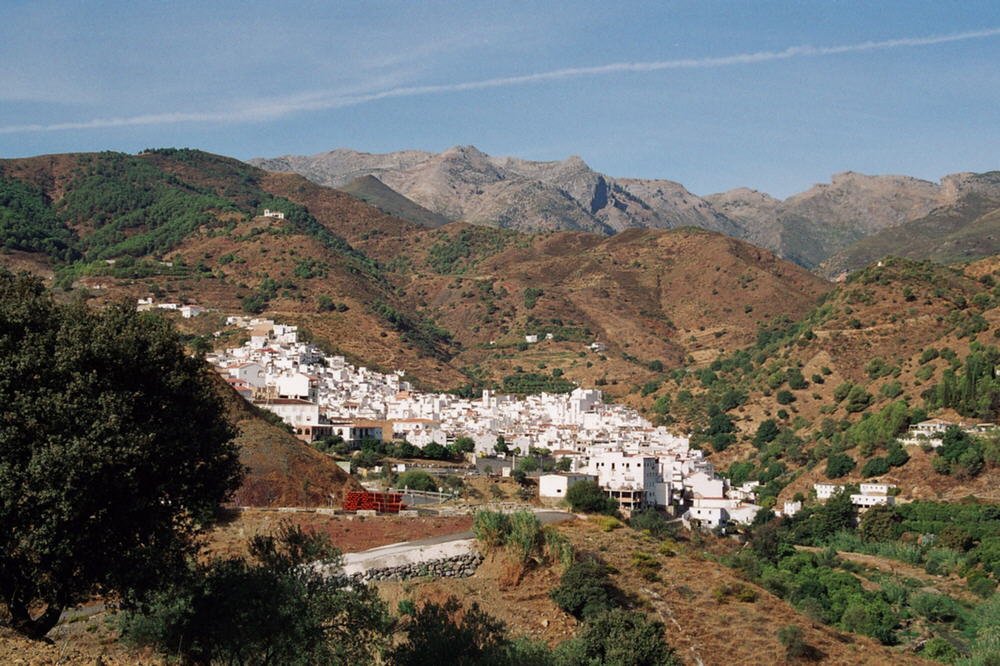
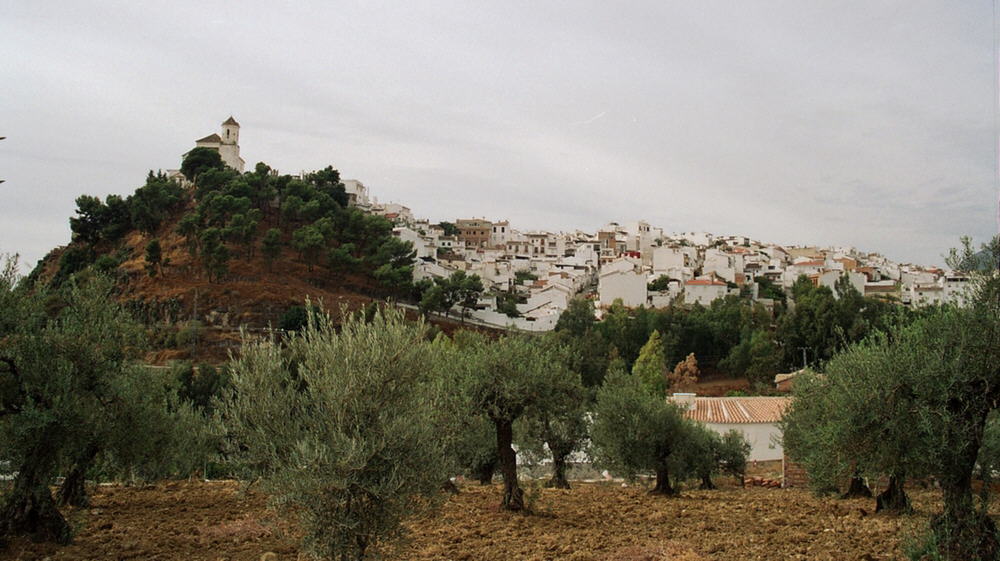
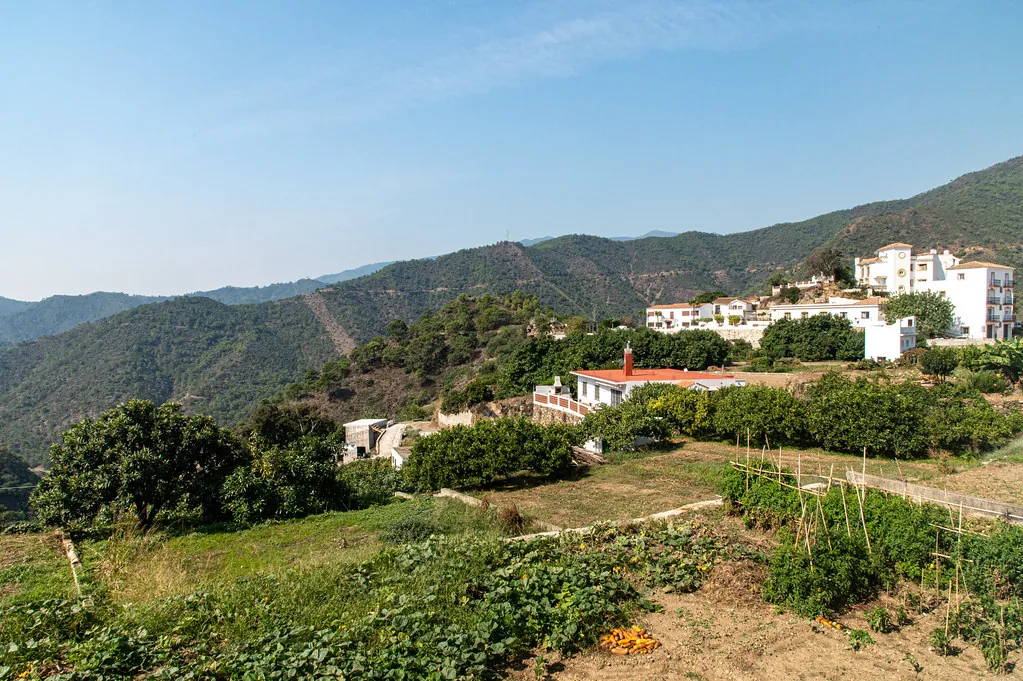
Yunquera stretches up a slope so steep that postal workers use motorbikes and elderly residents plot their day around the climb home. Streets have names like Cuesta de los Molinos—Mill Slope—and they mean it. Houses are painted the usual Andalusian white, but the colour seems thinner, as if altitude has diluted it. Look closer and you'll see repairs done with whatever came to hand: a patch of cement here, a cast-iron balcony salvaged from the coast there.
The village ends where the forest begins. One minute you're passing a baker's van, the next you're among Spanish firs that have survived since the last Ice Age. These pinsapos only grow between 900 and 1,800 metres, and Yunquera happens to sit right in their sweet spot. Walk fifteen minutes uphill from the main square and you're standing among them, breathing air that carries the scent of pine and wild rosemary.
Winter arrives early. By November the peaks behind the village turn white, and locals swap sandals for heavy coats that look oddly suburban against the medieval streets. Snow isn't picturesque here—it's work. The road to Málaga closes when lorries jack-knife on the bends, and the council keeps a grader parked permanently near the cemetery gates, ready to clear drifts that can reach two metres.
Walking Into Another Century
You don't need a car to reach the best walking country. The GR-243 long-distance trail passes straight through town, marked with red and white flashes painted on drainpipes and door frames. Follow it upwards for ninety minutes and you reach Puerto de los Pilones, a natural balcony where the Mediterranean appears suddenly, a silver coin on the horizon. The climb is steady rather than brutal—anyone who can manage Snowdon in trainers will cope—but bring water. The only fountain higher up dried out in last summer's drought.
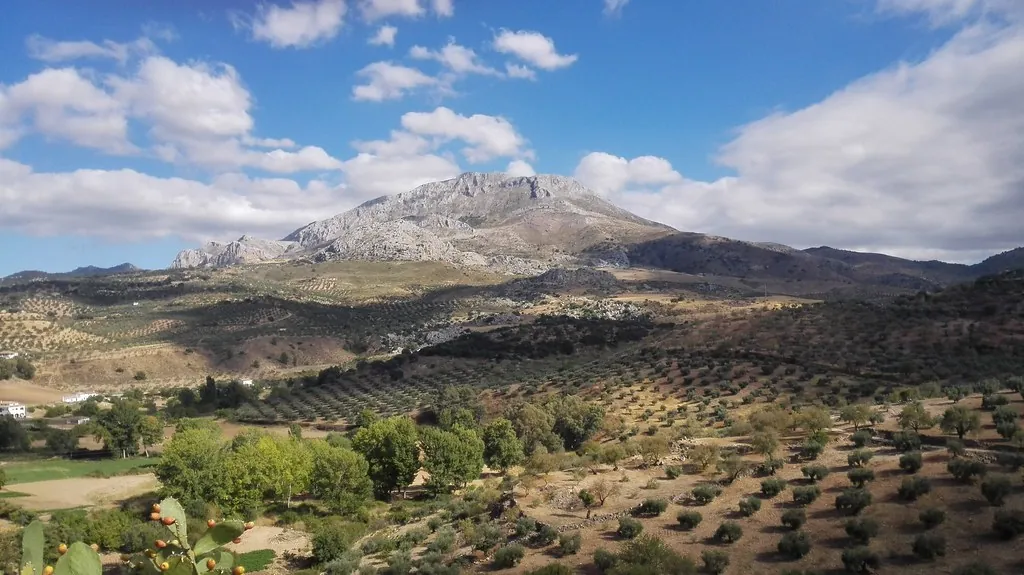
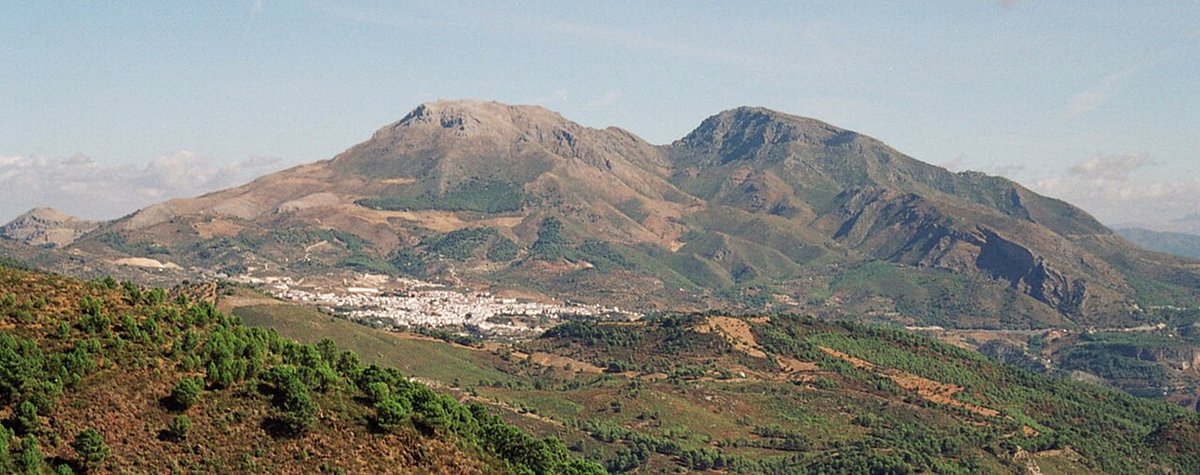
Hardier walkers set their alarms for Torrecilla, Málaga's roof at 1,919 metres. It's a full day out: six hours up, four down, with a final scramble across limestone scree. The reward is a 360-degree view that takes in Africa on very clear days. Start early—afternoon cloud builds fast, and what began as a pleasant hike can finish in a white-out. Local police keep a list of Britons they've had to escort down in mountain rescue vans; don't add your name to it.
If that sounds too much, the Chestnut Trail works as a gentle alternative. It loops through abandoned terraces where families still harvest castañas each October, filling sacks that weigh more than the children supposed to carry them. The path passes three ruined watermills—stone husks with grindstones intact, their millraces now home to dragonflies. Finish at the Fuente de los Sauces, where water pours cold enough to make your teeth ache even in August.
What Locals Actually Eat
Forget tapas tours. Yunquera runs on set menus that change with what's growing. Winter means caldereta de chivo—kid goat stewed with bay leaves and mountain herbs. It tastes like mild lamb, nothing gamey, though Bar Casa Pedro will swap for pork if you ask nicely. Summer brings gazpacho serrano, a thicker cousin of the famous cold soup, bulked out with country bread and topped with chopped boiled egg. Vegetarians survive on sopas perotas: tomato and bread porridge that sounds grim but tastes like the best pizza topping you've ever had.
The real speciality appears in October when the air smells of wood smoke and fermenting grapes. Torta de castaña—chestnut-flour pancakes—are cooked on iron griddles older than most tourists. They're sweet without sugar, nutty without being heavy, and disappear fast at the annual Chestnut Fair. Mosto flows freely then: young grape juice that's started fermenting, sweet and barely alcoholic. Children drink it from plastic tumblers while their parents move on to last year's wine, rough enough to make you appreciate why sherry was invented further south.
Breakfast is another matter entirely. Bar Miguelín opens at six-thirty for agricultural workers, serving coffee that could revive the dead and tostadas rubbed with tomato and garlic. Ask for the orange juice—it's squeezed to order from fruit grown in the village gardens, sharp enough to make you wince, then sweet enough to make you order another.
The Practical Bits That Matter
You'll need wheels. Two buses run from Málaga on weekdays, last return at 15:30 sharp. Miss it and you're looking at €80 for a taxi. Car hire works out cheaper—pre-book online for around £40-£50 a day. The final 20 kilometres of A-366 twist through mountains with no hard shoulder; allow seventy-five minutes and longer after dark when agricultural lorries crawl home.
Bring cash. The single ATM (Cajamar by the town hall) runs dry at weekends. Most shops close 14:00-17:00, all day Monday for hardware stores, Sunday for everything except the bakery. Nights are cold even in May—pack a fleece. Snow patches linger on Torrecilla until April; if you're walking, carry waterproofs whatever the forecast says.
Sunday lunch starts at 14:00. Turn up at 13:30 or you'll queue. Kitchens close 16:30 sharp, and nobody will serve you food after that until eight. The only exception is the petrol station on the main road, where you can buy crisps and warm beer, then sit on the wall watching swallows dive-bomb the pumps.
When to Come, When to Stay Away
May works best. Wildflowers cover the lower slopes, temperatures sit in the low twenties, and daylight lasts until nine. Easter brings processions that move at funeral pace through streets too narrow for spectators to stand anywhere but doorways; it's moving if you're religious, interminable if you're not. August is brutal—thirty-five degrees at midday, the air too thin to provide proper shade. Locals who can afford it decamp to the coast, leaving Yunquera to Spanish families who've rented here for decades and British hikers who didn't check the altitude.
November turns magical if you catch it right. Chestnut smoke drifts through streets, the first snow dusts the peaks, and bars serve thick hot chocolate that bears no relation to the packet stuff. It's also when the village feels most itself: no tour buses, no second-home owners, just 2,800 people preparing for winter by stocking up on wood and hanging jamón from ceiling hooks.
Come February and you might have the place to yourself. Too much, perhaps—some days only the chemist and one bar stay open, and the silence feels less peaceful than abandoned. But on clear mornings when the Sierra gleams white and your boots crunch frost on the way to buy bread, Yunquera offers something increasingly rare: a Spanish village that hasn't rearranged itself for the camera, where life still follows rhythms older than the tourists who pass through, briefly, on their way to somewhere else.