Full Article
about Génave
One of the oldest villages in the Sierra de Segura; it still has a medieval defensive tower.
Hide article Read full article
Génave es el pueblo que te recuerda que no todo gira en torno a ti
Llegas, aparcas donde puedes, y lo primero que ves es un tipo arreglando la reja de su casa. No hay una oficina de turismo con folletos brillantes. No hay una señal que te dirija al "mirador panorámico". Génave, en la Sierra de Segura, funciona así: como un sitio que tiene sus cosas, pero no está esperando a que tú las descubras para sentirse validado.
Tiene unos 500 habitantes y está a unos 800 metros de altura, en Jaén. Las calles suben y bajan entre casas blancas, muchas con esas rejas de hierro antiguas que han visto pasar décadas. No es un decorado perfecto. Es un pueblo real, donde se nota que las fachadas se han ido arreglando cuando ha hecho falta, no para quedar bien en una foto.
Un paseo sin lista de la compra
Si buscas monumentos espectaculares, esto no es tu sitio. La iglesia de San Sebastián está ahí, con sus mezclas de estilos fruto de reformas prácticas a lo largo del tiempo. Pero lo interesante aquí es caminar sin prisa y fijarte en lo demás: una puerta de madera gastada por el uso, macetas en los balcones, el sonido del agua en alguna de las fuentes del pueblo.
Esas fuentes siguen siendo puntos de encuentro, sobre todo para la gente mayor. A ciertas horas verás a alguien llenando una botella o simplemente parando a charlar un rato. Son detalles pequeños que te dicen más sobre el lugar que cualquier placa informativa.
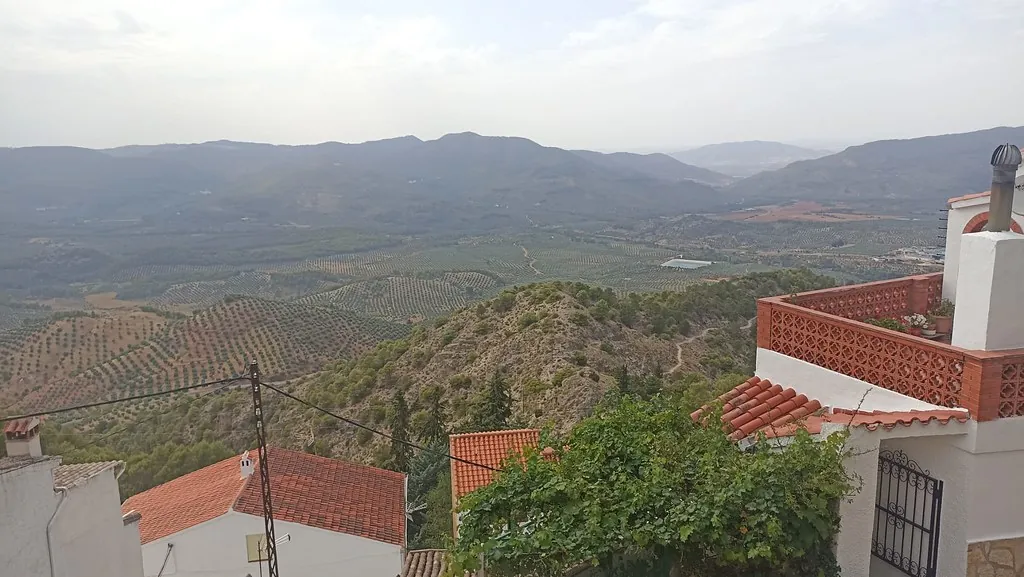
Y en cuanto te alejas un poco del centro, se acaba el asfalto. Aparecen los olivos enseguida, fila tras fila cubriendo las lomas. El paisaje aquí es así de directo.
Salir a andar sin complicaciones
La gran ventaja de Génave es que estás en el entorno del Parque Natural de Cazorla, Segura y Las Villas casi sin darte cuenta. No hace falta buscar una ruta señalizada con nombre épico. Puedes salir por cualquier camino rural y en cinco minutos estás entre olivares y monte bajo.
Son paseos tranquilos. El objetivo no es llegar a ninguna cima famosa, sino ver cómo cambia la luz sobre los árboles, o escuchar el silencio roto solo por los pájaros. A primera hora de la mañana tiene algo especial; el sol bajo dibuja sombras largas entre los troncos y le da un aire sereno a todo.
A veces se ven aves rapaces volando alto sobre las laderas. Esa es la fauna que toca aquí: discreta, parte del paisaje.
Comida contundente y aceite
Aquí se come como se vive: con los pies en la tierra. El aceite local no es un ingrediente, es la base de todo. Las migas aparecen cuando refresca, igual que los guisos de cuchara cuando aprieta el frío.
No esperes cocina creativa ni platos reinventados. Espera platos que saben a lo que son, servidos sin florituras. Y mucho pan para mojar.
La cosecha de la aceituna marca el ritmo anual del pueblo. Entre finales de otoño e invierno verás tractores y remolques por todas las carreteras secundarias. Es cuando se nota que esto no es solo un paisaje bonito; es el trabajo diario.
Los días en los que se anima
Génave tiene sus momentos. En enero celebra a su patrón, San Sebastián, con unos festejos que aún tienen ese aire vecinal donde todo el mundo se conoce.
En verano vuelve parte de la gente que tuvo que marcharse y las calles ganan vida por las noches. Se oye música, las conversaciones se alargan y hay más movimiento.
Pero quizá el momento más auténtico sea esa temporada de la recolección. El pueblo huele a aceituna machacada y el trajín en el campo se siente incluso desde lejos.
Cómo llegar (y cómo enfocarlo)
Desde Jaén capital son unas dos horas en coche por la A-32 y luego por carreteras secundarias que se van cerrando sobre sí mismas entre curvas y olivares.
El viaje ya te va metiendo en materia: nada de grandes autovías rectas hasta la puerta. La última media hora es para tomársela con calma, bajando la ventanilla y asumiendo que vas a un sitio donde las cosas llevan otro tempo.
Mi consejo? Ven sin expectativas grandiosas. Génave no te va a dejar boquiabierto con una postal perfecta. Te va a mostrar cómo es un pueblo serrano donde el olivo manda y la vida transcurre sin hacer ruido. Y eso ya tiene bastante mérito