Full Article
about La Puerta de Segura
Natural gateway to the Sierra de Segura, crossed by the Guadalimar River; known for its bridge and riverside walk.
Hide article Read full article
La Puerta de Segura: un pueblo en la línea
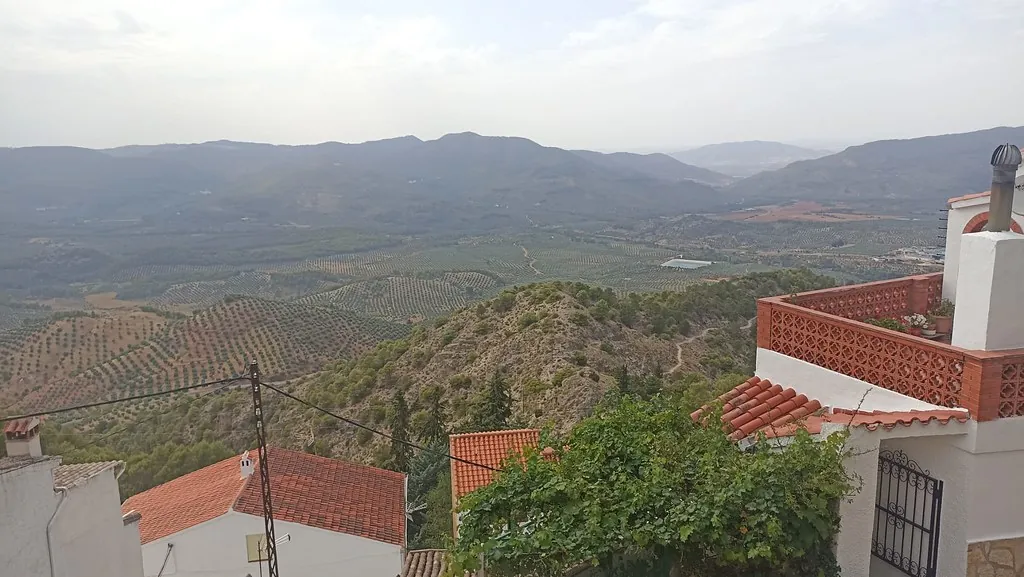
El río Guadalimar traza una curva amplia antes de girar hacia el valle del Guadalquivir. En ese punto se encuentra La Puerta de Segura. El nombre no es casual. Este tramo ha funcionado durante siglos como entrada natural a las montañas que hoy forman parte del Parque Natural de las Sierras de Cazorla, Segura y Las Villas.
Viniendo desde las tierras bajas, el cambio es inmediato. Los olivares empiezan a escasear y el terreno comienza a ascender, marcando el límite de un paisaje distinto. El pueblo se asienta justo en esa frontera, donde la llanura agrícola cede ante los primeros pliegues de la sierra.
Un pueblo partido por el río
El Guadalimar no solo define el entorno, sino que parte el pueblo en dos. Al norte, el barrio de Las Riscas se agarra a la ladera, con casas sobre el río. Al sur, El Peñón se extiende por una colina más suave y abierta.
Dos puentes unen estas mitades: el moderno puente de la carretera y otro de piedra más antiguo. Cruzar de uno a otro ayuda a entender la disposición del lugar, marcada por el agua y la orografía.
Esta posición tuvo importancia estratégica. Tras la conquista cristiana en el siglo XIII, la Orden de Santiago organizó la defensa de los accesos a la sierra. En La Puerta hubo dos pequeños recintos fortificados para vigilar el valle. Queda poco visible, pero el trazado de algunas calles y los desniveles del casco antiguo aún sugieren esa estructura defensiva bajo el desarrollo posterior.
Una iglesia marcada por un incendio
La iglesia de San Mateo ocupa uno de los puntos más prominentes del pueblo. Externamente responde a un modelo de parroquia andaluza habitual: muros de mampostería, portada renacentista y torre cuadrada.
Su historia es menos lineal. Durante la Guerra de la Independencia, un incendio dañó gravemente el edificio. La reconstrucción del siglo XIX alteró parte del interior. Se elevó la nave central y se abrieron vanos más grandes, lo que permite una entrada de luz poco común en una iglesia rural de origen más antiguo.
En la sacristía se guarda una cruz procesional de plata, fechada generalmente en el siglo XVI. No es especialmente ornamentada, pero indica una parroquia que tuvo cierta relevancia en su zona.
El ritmo del río
En invierno el Guadalimar baja con fuerza, pero en verano cambia su ritmo. A las afueras del pueblo se ha formado una zona de baño, donde una pequeña presa retiene el agua y crea una playa fluvial usada por vecinos y gente de pueblos cercanos.
Un paseo sencillo sigue la orilla. Álamos dan sombra, hay bancos de piedra para sentarse y el sonido del agua es constante. Al atardecer suele llenarse de gente que baja a refrescarse o a pasar una hora tranquila junto al río.
En ese mismo llano hay un pequeño campo de golf poco convencional. Está dispuesto sobre terreno de olivar y usa greens de arena, un sistema antiguo que ya no se ve con frecuencia. No hay grandes instalaciones. El juego aquí mantiene un carácter esencial, ligado al paisaje agrícola que lo rodea.
Comida y calendario
La cocina local refleja lo que tradicionalmente ha dado la sierra: matanza casera, aceite de oliva y platos hechos con ingredientes sencillos. El rin-ran, a base de bacalao con patatas, pimientos secos y aceitunas, es habitual en reuniones familiares. También los talarines, una pasta artesana que se sirve con guisos de carne o, en temporada, con setas.
El calendario festivo sigue un patrón conocido en la sierra. San Blas, a principios de febrero, cierra los festejos invernales con una celebración modesta centrada en el pan bendito. En verano están las fiestas patronales, con actividad en la plaza mayor. Con el otoño suele llegar la feria local. No son eventos a gran escala; su importancia está en el reencuentro.
Un punto de partida
La Puerta de Segura está en la ruta que une el valle del Guadalquivir con la montaña. El pueblo se recorre sin prisa en poco tiempo: cruzando los dos puentes, subiendo hacia la iglesia y paseando junto al Guadalimar.
Su interés principal, sin embargo, puede estar en lo que ofrece como punto de partida. Desde aquí salen varias carreteras y pistas que se adentran en la Sierra de Segura. El pueblo cumple con su nombre: es una puerta. Un lugar donde se toma una decisión: seguir río arriba hacia las montañas o volver hacia las llanuras cubiertas de olivos. La Puerta de Segura está justo en esa línea.