Full Article
about Bedmar y Garcíez
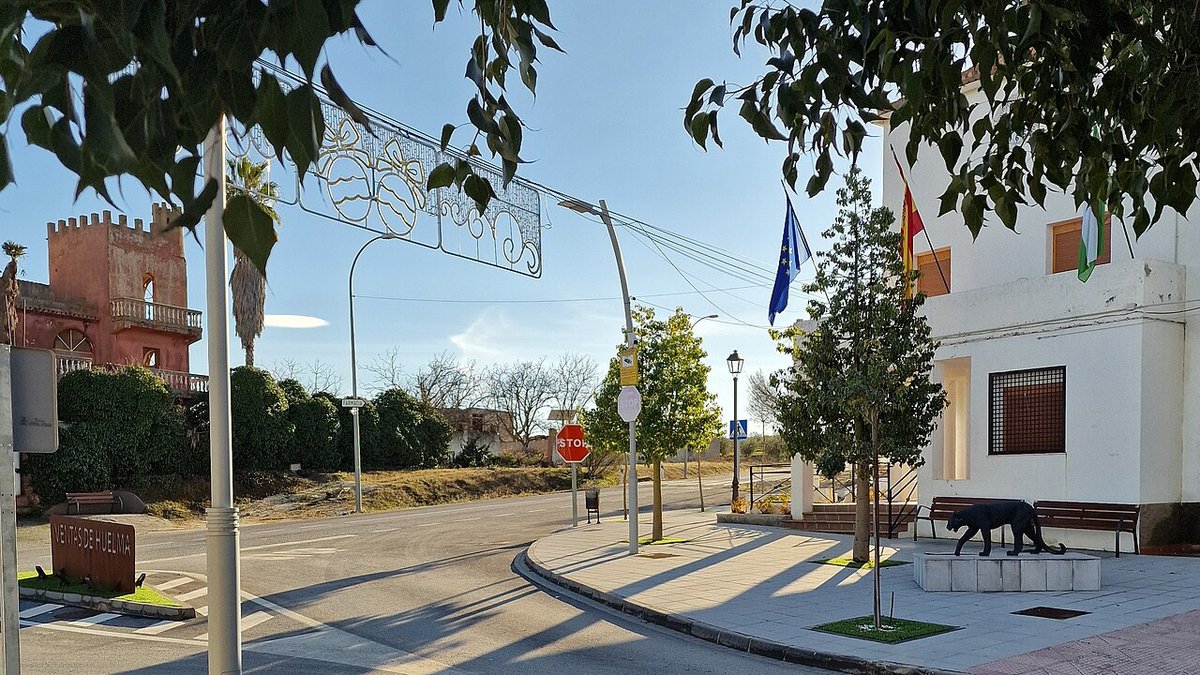
Municipality made up of two centers in the heart of Mágina; known for its castle and the Cuadros area.
Hide article Read full article
A valley that wakes slowly
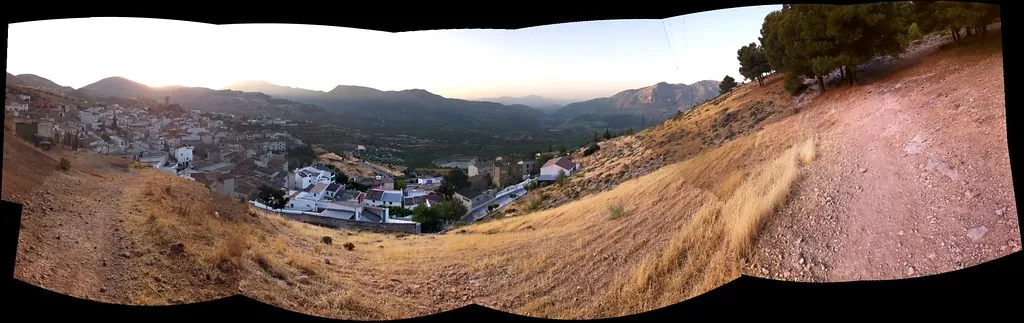
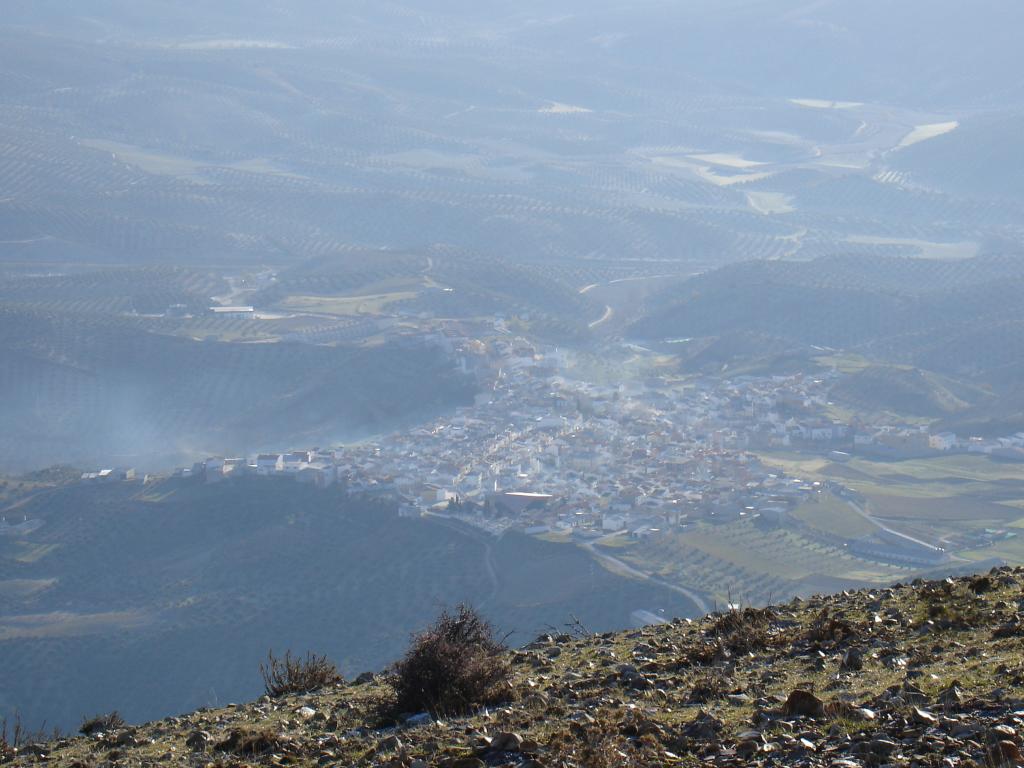
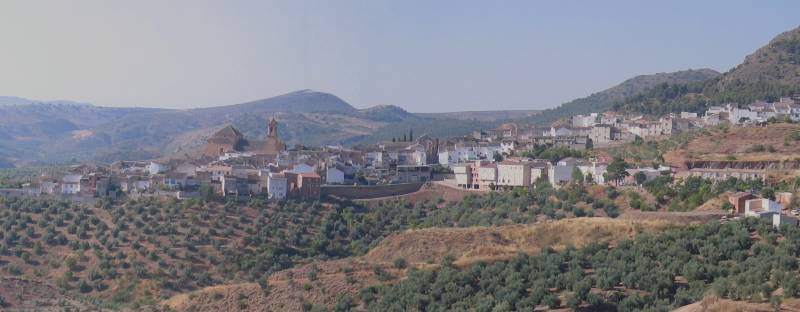
At eight in the morning, the sun has yet to clear the ridge of Sierra Mágina, and Bedmar rests under a bluish shade. From the castle, the air carries the scent of dry rosemary and warm earth. Below lie red-tiled roofs, the bell tower of the Asunción church, and an expanse of olive groves rolling down towards the Guadalquivir valley.
At that hour, there is little sound. A car starting somewhere, the metallic snap of a shutter being raised. The rest feels paused.
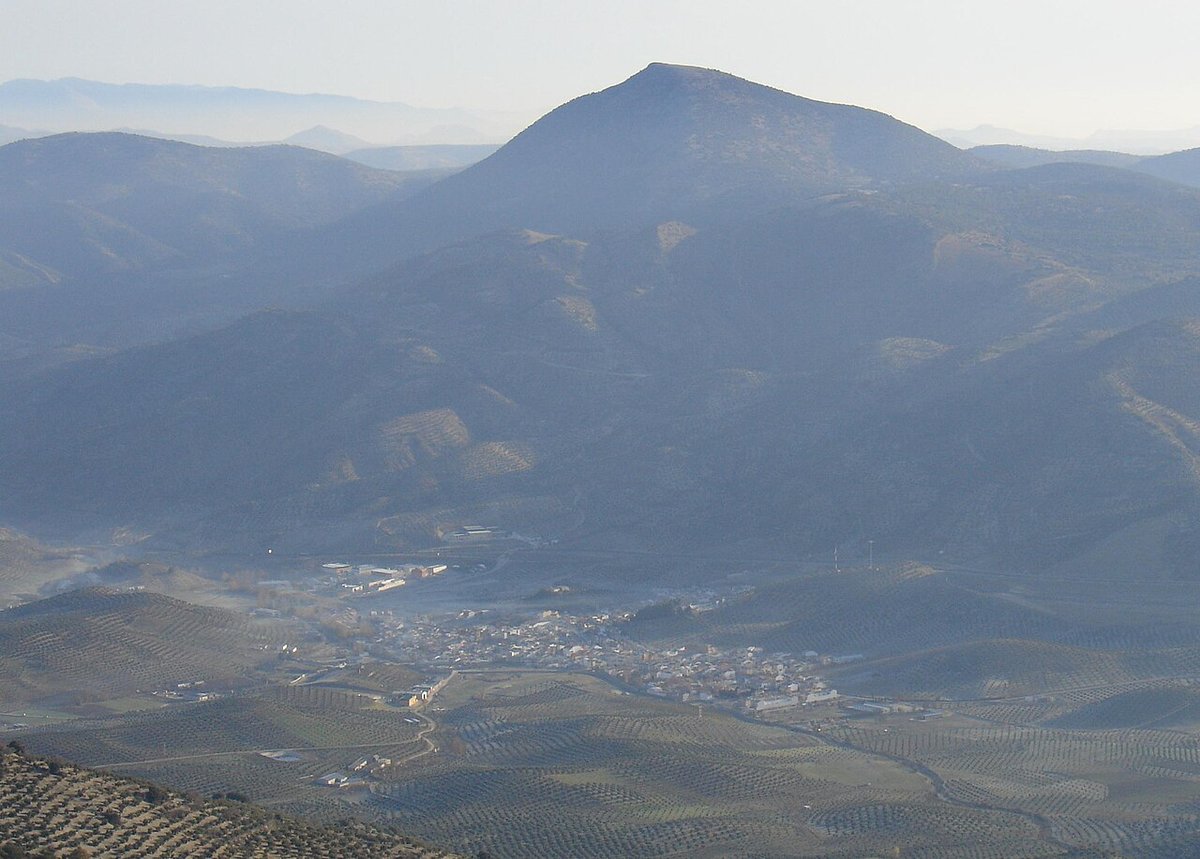
Bedmar y Garcíez rarely feature on typical routes through the province, yet the municipality has long faced the same natural corridor linking the mountains to the countryside. That position helps explain the landscape and its layers: castles, watchtowers, and a terrain that shifts between rugged hills and carefully tended farmland.
Two villages, one municipality
Bedmar and Garcíez remain distinct settlements within the same municipality. In Bedmar, people will say Garcíez is “higher up”, and it is quite literal. The road climbs for about three kilometres through olive groves until it reaches a plateau where the air feels slightly different, cooler at night and more exposed to the wind.
Their administrative union dates back to the 1970s. Even so, each village keeps its own rhythm and celebrations. Traditionally, their local festivals do not coincide, which creates two key moments in the year rather than one.
Life in Garcíez moves more slowly. Its streets are narrow, lined with pale façades that reflect the late afternoon light. In winter, the quiet stands out more than in Bedmar, where there is a little more movement.
The castle above the valley
The climb to Bedmar Castle reveals how the land is shaped. From the top, the Cuadros valley opens towards the mountains, while olive trees fill almost every slope.
The fortress has Andalusí origins, although what remains today are sections of wall, a tower with arrow slits, and a cistern that still collects rainwater. Lavender and thyme grow between the stones. On clear days, other villages in the region come into view.
The path begins behind the cemetery. It is about a twenty-minute ascent. In winter, it is manageable at any time of day. In July and August, it is better to go early, as the final stretch offers no shade.
Food shaped by dry years
Local cooking reflects a history of limited resources and dry seasons. Ajoharina is a thick, filling dish made from flour, garlic and stale bread, designed to produce something warm and sustaining.
Tagarninas, a type of wild thistle, appear when the countryside turns green after rainfall. They are cooked with legumes and sometimes a little meat if available. The dish is closely tied to the end of winter.
In many homes, eggs prepared in the local style are still made during the colder months, when fireplaces are in use. Pipirrana, a salad found across parts of Andalusia, often includes shredded salt cod here, and it is not always served cold.
When the light and heat shift
April is often a good time to visit. Almond trees have already flowered on the hillsides, and low scrub releases scents of rosemary and honey as the midday sun strengthens. If local celebrations coincide, the countryside around the village fills with families spending the day among the olive groves.
August feels very different. Heat settles into the valley during the afternoon, and the streets remain empty until late evening. In summer, many people head up to Garcíez as the sun sets, where there is usually a little more breeze.
Olive trees and the Cuadros valley
Between Bedmar and Garcíez stand very old olive trees. Some trunks are hollow and twisted, resembling charred wood. Locals often say they have been there for more generations than anyone can remember.
The route to the source of the Cuadros river, known as the Nacimiento del río Cuadros, passes near several of these trees. The path leads into the valley along a narrow trail, where the vegetation feels more humid than expected in this part of Jaén.
The circular walk is roughly six kilometres. In spring, water runs down the slopes, and the sound accompanies much of the route. In the height of summer, the scene changes. The river may run low, and the heat is more noticeable within the valley.
A Renaissance trace in Garcíez
In Garcíez, there is a building that stands out in a village of this size: the Palacio de los Benavides. Built in the 16th century, it still preserves its stone façade, with a coat of arms worn by time.
Early in the morning, light falls across the front at an angle, bringing out the relief of the windows. Small carved figures can be spotted if looked at closely, details that are easy to miss from a distance.
The interior is not always open. At certain times of the year, often linked to local celebrations, access to the courtyard is allowed. Inside, arches rest on columns, and an old well remains, a reminder that these houses once functioned as almost self-contained worlds. Outside, life continues with the sound of a car climbing the slope and the smell of firewood drifting from nearby kitchens.