Full Article
about Bélmez de la Moraleda
Mountain village world-famous for the paranormal phenomenon of the Caras de Bélmez.
Hide article Read full article
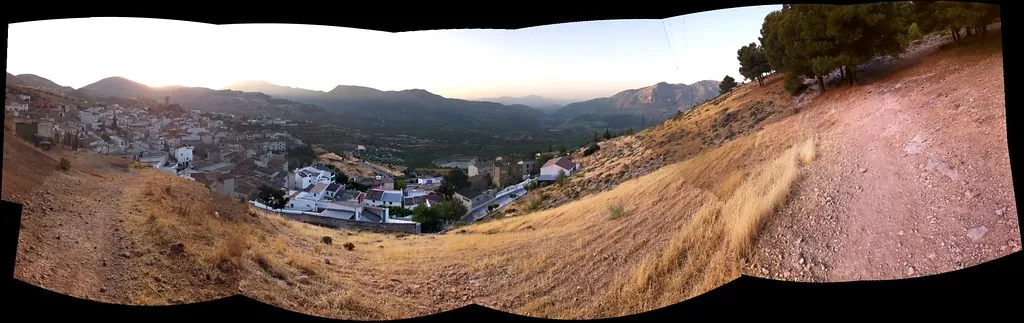
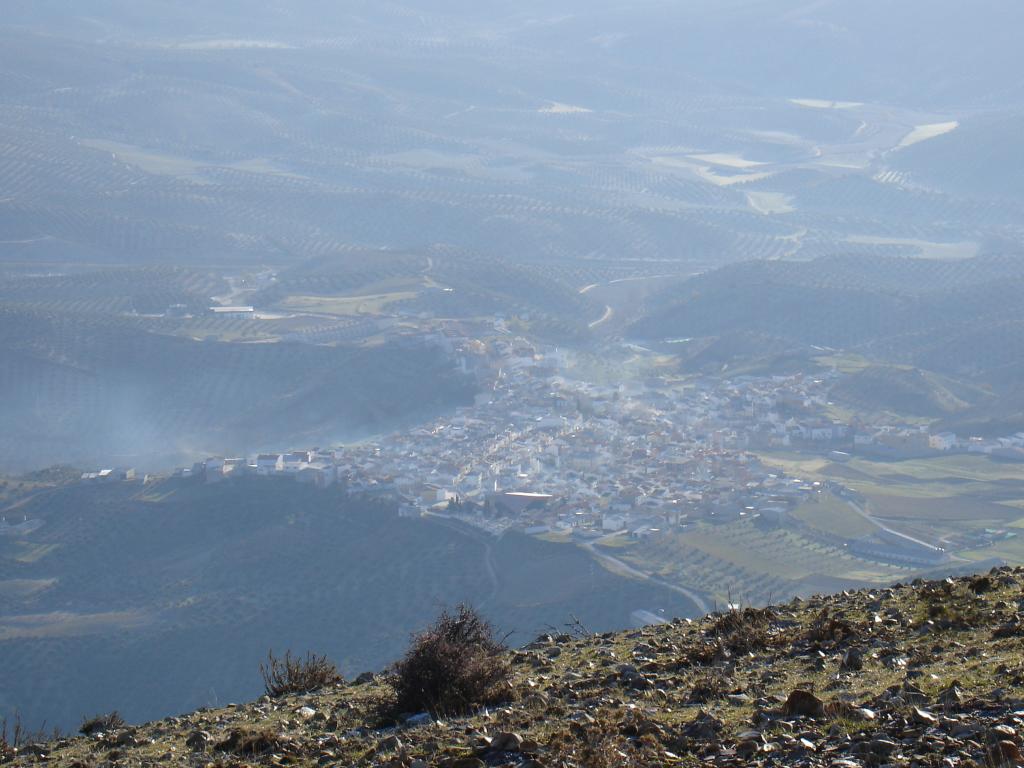
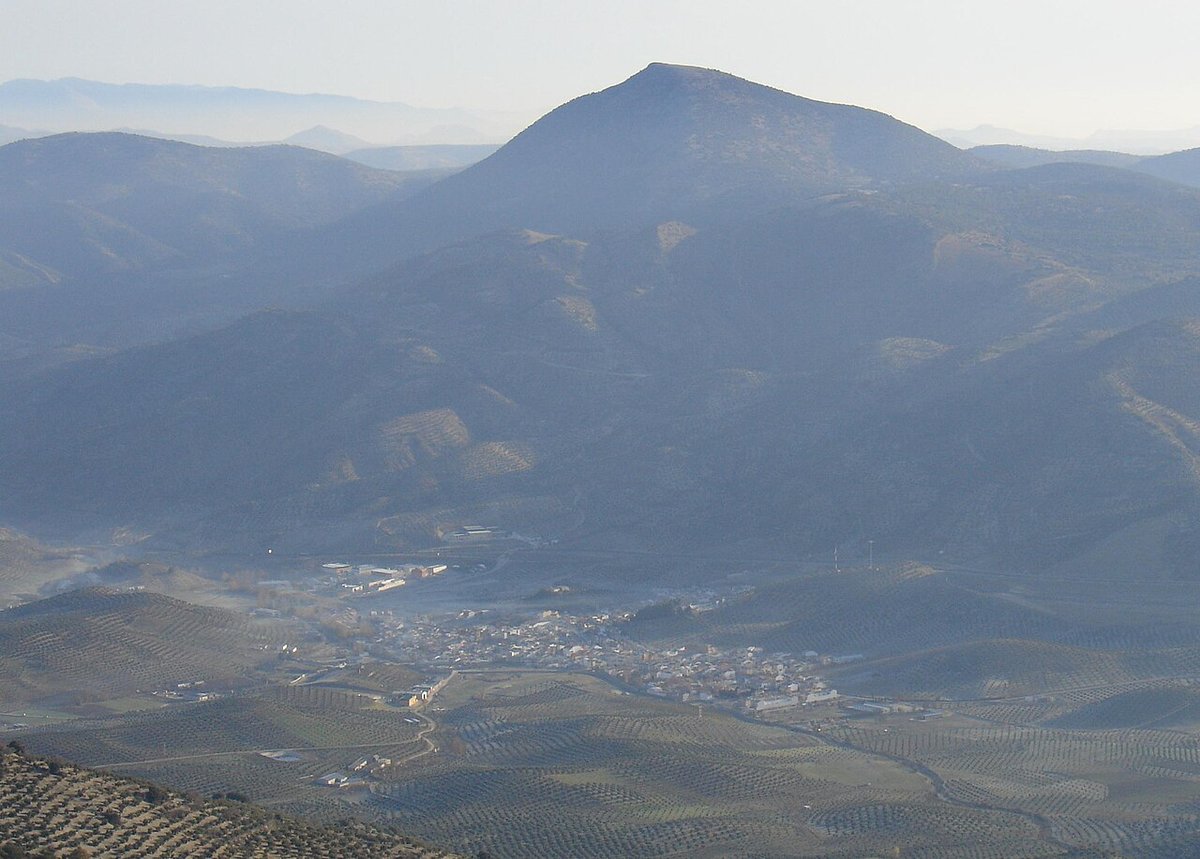
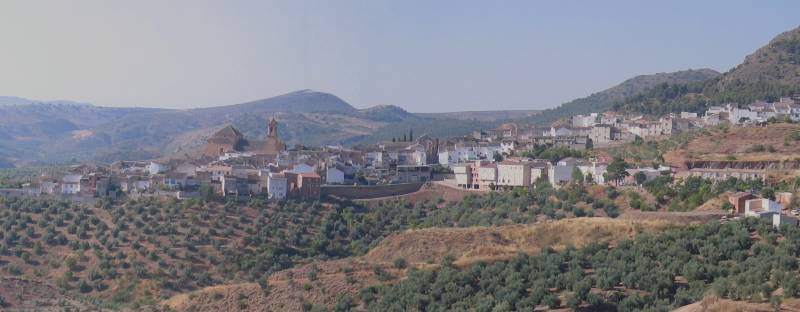
Early in the morning, as the sun begins to brush the pale slopes of Sierra Mágina, Bélmez de la Moraleda comes into view as a cluster of white houses clinging to the hillside. Above them rises the cerro del Castillejo, watching over the valley. From a distance the village looks compact, almost pressed against the rock itself. All around, olive groves fill the horizon, broken only by isolated cortijos, dirt tracks and low patches of thyme and rosemary that scent the air when the heat intensifies.
Life here follows the rhythm of the countryside. It shows in the quiet of the afternoons and in the steady movement of cars along agricultural tracks when olive season arrives.
Steep streets and a church at the centre
The streets in the old centre rise and fall without much apparent order. They are narrow, with stretches where two cars can barely pass. Sound shifts depending on the time of day. In the morning there is the rattle of shutters being lifted and conversations drifting out from doorways. Later on, calm returns, and footsteps echo against the paving.
At the heart of the village stands the parish church of Nuestra Señora de la Encarnación. Its brick tower has a recognisable Mudéjar feel, typical of this part of Jaén, with simple arches, touches of blue tile and enough height to serve as a reference point when navigating the surrounding streets.
Nearby, small squares gather daily life for a while. There are benches in the shade, pots lining façades and, in some corners, a vine that casts a cool patch of shadow in summer.
Sierra Mágina on the doorstep
Step beyond the village and the landscape changes quickly. Olive trees remain a constant presence, yet they begin to mix with holm oaks, quejigos and some pine woods higher up in the sierra.
Rural tracks and footpaths lead into the Parque Natural de Sierra Mágina. Some descend into ravines where water appears after rainfall, forming small waterfalls that last only as long as the wetter winters allow. Others climb to higher ground, where several mountain ranges can be seen at once and valleys spread out below in a grey-green mosaic of olive groves.
Anyone thinking of walking here in summer should set off early. The sun falls directly and the slopes feel longer than they look. In spring and autumn, by contrast, the terrain is easier to explore at a gentler pace, and the hills carry the scent of fresh grass and damp earth.
Olive oil, kitchen gardens and mountain cooking
Agricultural life still revolves around the olive grove. Across the comarca, extra virgin olive oil is produced, and the harvest shapes much of the local calendar. Traditionally, olives have been taken to nearby almazaras, olive mills where they are pressed to produce new oil. In November that oil still smells green and carries a slight peppery note at the back of the throat.
In homes and village bars, dishes closely linked to this mountain cooking appear regularly. Migas, made from fried breadcrumbs, are a staple. Roasted peppers, gazpachos serranos and stews prepared with game meat during the hunting season are also part of the repertoire. In the surrounding area, small kitchen gardens provide tomatoes, courgettes and peppers during the warmer months.
It is not an elaborate cuisine. It is firmly tied to what is available locally and to the olive oil that is used here for almost everything.
Festivals that shape the year
Local celebrations continue to follow long-established customs. In January, around the feast of San Antón, bonfires are lit in the streets, and the tradition of blessing domestic animals is still kept in some households. San Antón is widely associated in Spain with animals, and in Bélmez de la Moraleda that link remains visible each winter.
Semana Santa, or Holy Week, also has a presence in the village. Processions move through the steep streets, and when the drums echo between the white façades, the sound lingers for a while in the old centre.
In summer, the patron saint festivals arrive. Many residents who live elsewhere return for those days, and the atmosphere shifts noticeably. There are more people in the streets, music at night and improvised tables set up in some of the squares.
When to visit Bélmez de la Moraleda
Spring is often the most pleasant time to get to know Bélmez de la Moraleda. After the rains, the fields turn greener and the air remains mild enough for walking in the sierra.
Autumn has its own appeal, especially when the olive harvest begins and activity increases along the agricultural tracks.
Summer requires some adjustment. Early mornings and late evenings are the best moments to be outdoors, as the midday heat settles heavily over both the streets and the open countryside. Winter brings more variable weather, with cold days alternating with very clear ones when the outline of the sierra stands sharply against the sky.
Bélmez de la Moraleda does not revolve around tourism. It is, above all, an agricultural village set against the mountain. Spend a little time here, whether sitting in a square or walking among olive trees towards the end of the day, and it becomes clear that life follows the steady pace of the sierra and the land that surrounds it.