Full Article
about Cabra del Santo Cristo
High-mountain town known for devotion to the Santo Cristo de Burgos and its almond-tree landscapes.
Hide article Read full article
A village imagined before arrival
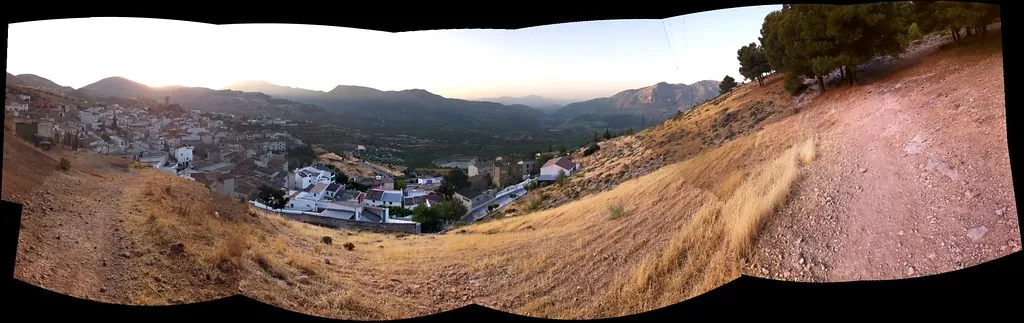
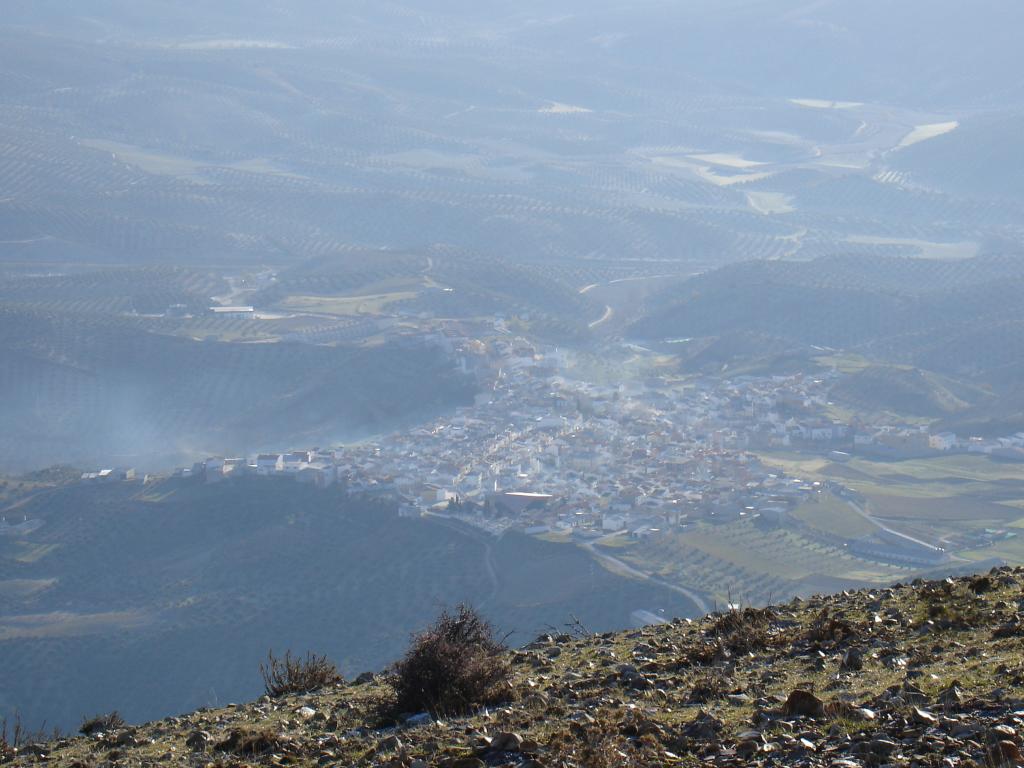
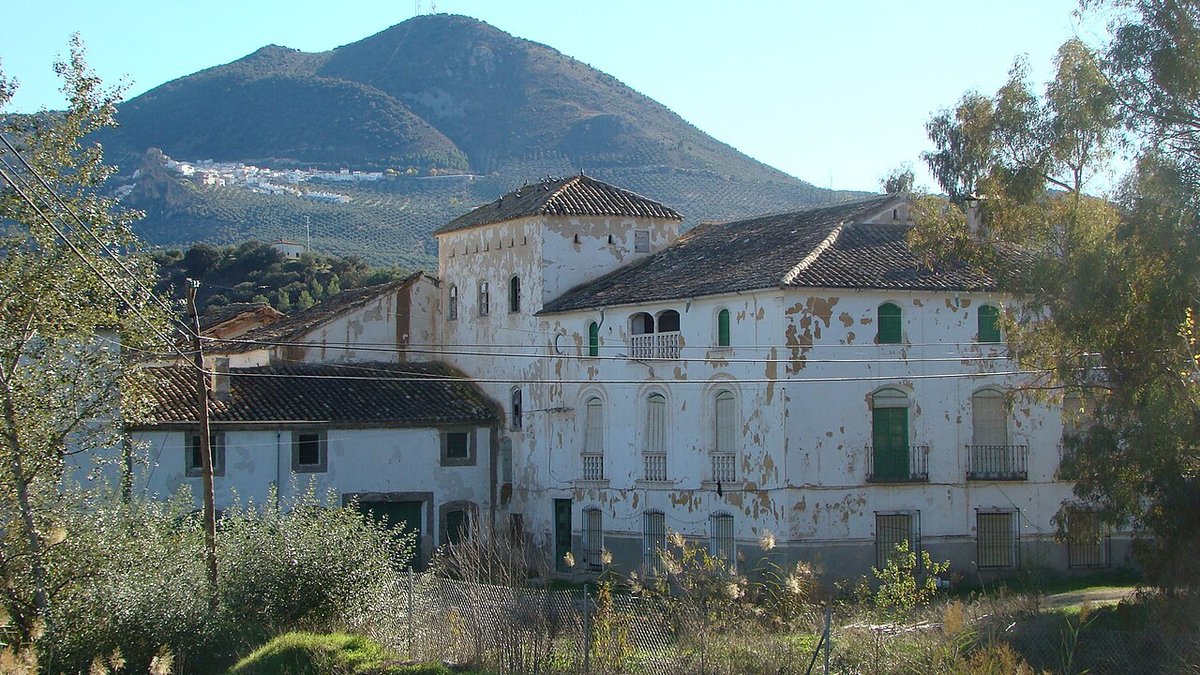
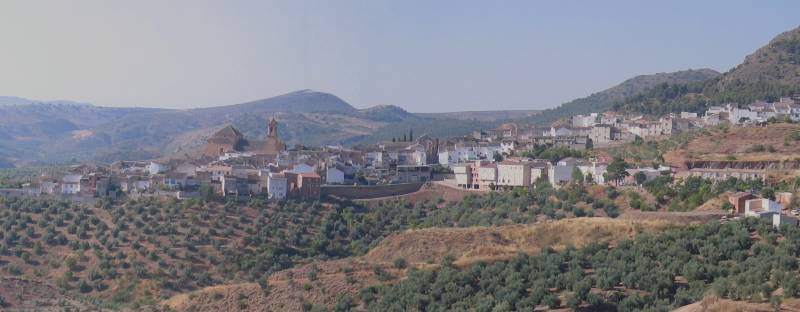
Some places take shape in your mind long before you get there. Cabra del Santo Cristo is one of them. You picture a hillside, white houses clinging to the slope, mountains closing in around it. Then you arrive and realise the image was not far off.
Set in the heart of Sierra Mágina in Andalusia, Cabra del Santo Cristo has just over 1,600 residents today. The landscape leads everything here. Pale stone from the sierra shows up everywhere, and on many days the quiet is broken only by the surrounding countryside. This is not a place that bends itself around visitors. The village keeps its own pace, and anyone passing through is expected to fall into step.
Streets shaped by the slope
The town spreads across a steep incline. Parking at the bottom and walking up is almost a small ritual. Streets are narrow, and the houses follow the terrain as best they can.
At the centre of daily life stands the parish church of Santo Cristo de la Vida. Like many buildings in this part of Andalusia, it combines elements from different periods. The image of the Cristo plays an important role in the local calendar and is carried in procession during the September festivities.
Nothing here feels arranged for effect. The houses were built with the mountain climate in mind. Thick walls, sloping roofs and small internal patios help keep warmth inside. Winters can be sharp in this part of the sierra, and the architecture reflects that need for shelter.
Sierra Mágina right on the doorstep
Step beyond the edge of the village and the landscape of Sierra Mágina begins immediately. There is no gentle transition. Rocky hills of limestone appear at once, along with ravines and paths that climb without warning.
This limestone has created a distinctive karst terrain. Over time, water has carved out caves, fissures and unusual shapes in the rock. For those who enjoy walking, there are marked routes in the area, along with places where you can gather information before heading into the mountains.
In wetter years, some trails lead to seasonal waterfalls known locally as las Chorreras. They do not always run strongly, so it is worth checking conditions before setting out.
Climbing Mágina takes planning
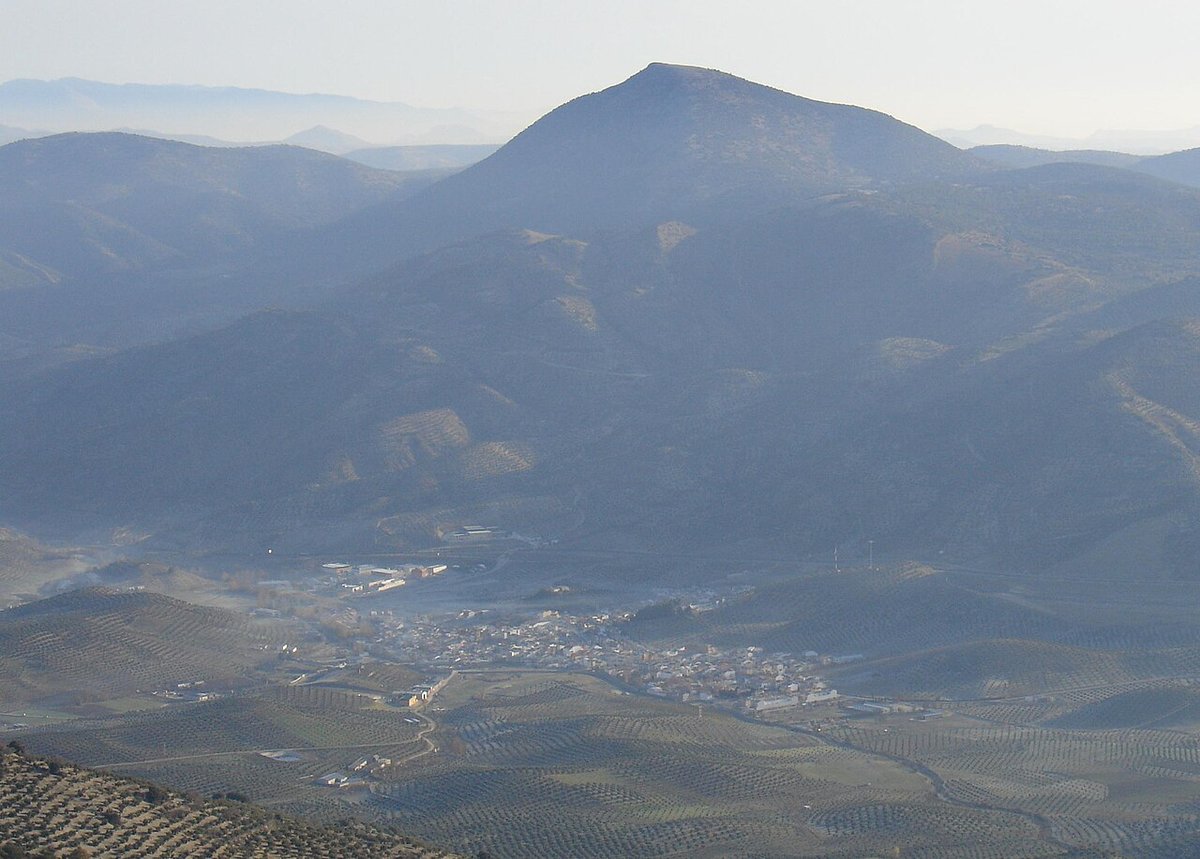
From the village, you can also look towards Pico Mágina, which rises above 2,000 metres. It may sound like a straightforward outing, but it is more demanding than that.
The ascent requires preparation. Proper footwear, some experience and careful attention to the weather are all important. Conditions in the mountains can change quickly, and local advice often stresses the need to be well informed before attempting the climb.
Many of the paths across the sierra have been in use for decades, but waymarking is not always consistent. Carrying a map or a reliable track is usually a sensible choice.
Caves and uneven ground
The surrounding area includes several known cavities, such as Sima Alta and other smaller sinkholes. The terrain is irregular, and in winter there can be ice in higher areas.
Anyone interested in exploring these formations, whether out of curiosity or for caving, would be wise to go with someone who knows the terrain well. The mountains here can appear calm, but they have their own character and should not be taken lightly.
Food shaped by the mountain
Local cooking follows a simple logic: filling dishes suited to colder weather, with generous use of olive oil produced in the area. Migas, potajes and slow-cooked stews are typical, especially when temperatures drop.
In autumn, activities sometimes take place around wild mushrooms. Sierra Mágina produces a fair variety, though it is generally advised not to forage without clear knowledge of what you are picking.
Festivities that bring people back
The main celebrations revolve around the Santo Cristo de la Vida and usually take place in mid-September. During these days, many former residents return, and the atmosphere shifts noticeably as the population swells.
Semana Santa, or Holy Week, is more modest than in larger Andalusian cities but widely մասնակցated. Processional floats move through narrow streets, accompanied by local residents rather than large crowds of visitors.
There is also a traditional romería, a pilgrimage to a nearby hermitage. It combines music, shared food and families spending the day outdoors. The format is simple, but it reflects local life closely.
Cabra del Santo Cristo works in this way overall. There are no major attractions or complicated plans. A walk through the streets, a look towards the sierra, a short hike into the hills, and the place becomes clear quite quickly. For many, that is more than enough.