Full Article
about Campillo de Arenas
Municipality set in a natural mountain pass; known for its natural setting and recreational areas.
Hide article Read full article
At eight in the morning, the smell of firewood and freshly baked bread drifts out of the communal oven window. It is Friday, and three women wait their turn with trays of lamb marinated since the night before. The man tending the oven, in a blue coat with hands darkened by ash, pulls out the first trays and steam mixes with the dry air of the sierra. In Campillo de Arenas, when spring arrives, the village often smells like this: roasted meat, burnt holm oak, open countryside.
The gorge that split the sierra
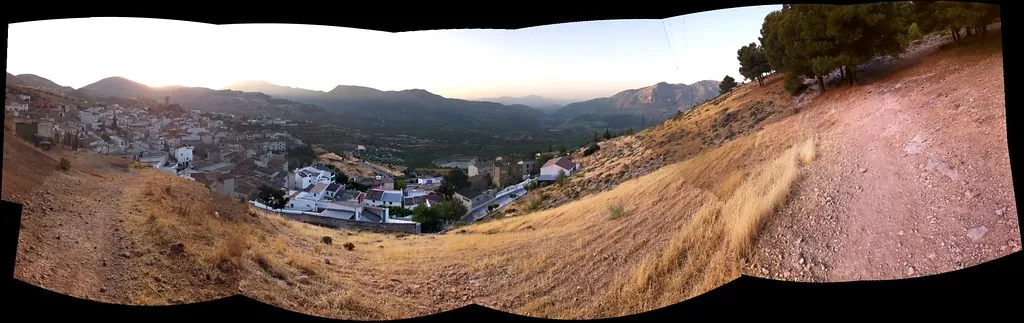
From the Puerta Arenas viewpoint, the A‑44 appears as a straight scar between two walls of pale limestone. The gorge drops several hundred metres and, when the sun hits it head on, the rock shifts from white to gold within minutes. Stepping out of the car here means feeling the wind rush through the gap as if searching for an exit. It slips through your shirt and makes you pull your jacket closed even on mild days.
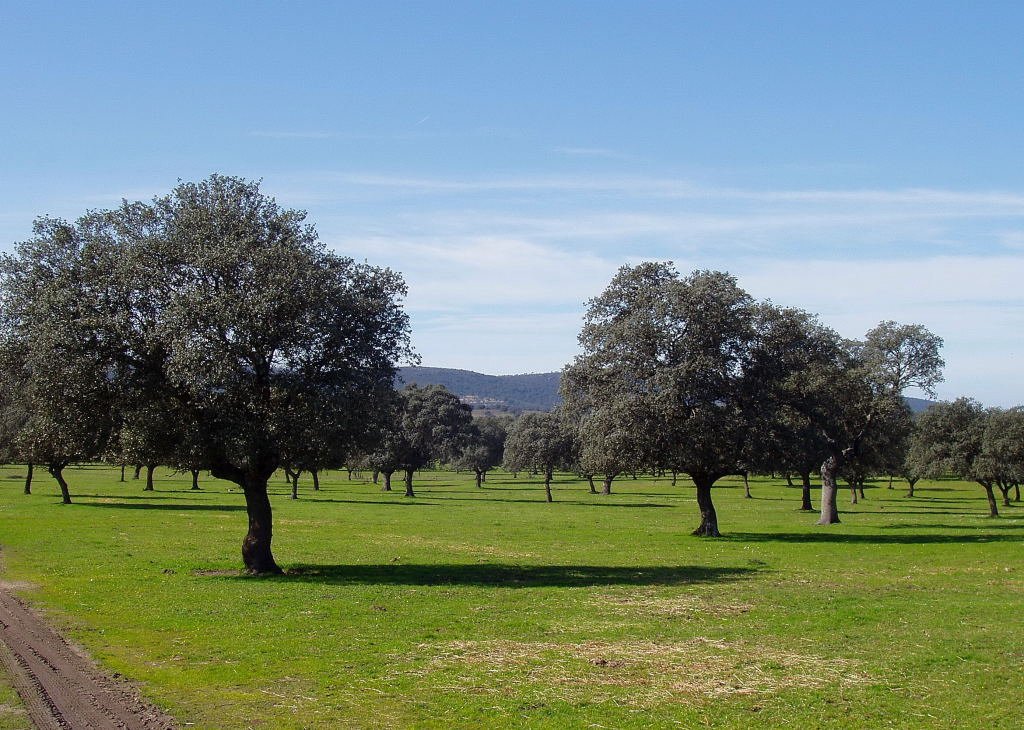
Below, there is a small open-air botanical garden. It is simple, with paths that wind between junipers and twisted oaks. A short walk up the stone path leads to a table where people often stop for a quick bite while looking out across this natural passage through the mountains.
Before the motorway was built, this cut through the landscape was one of the natural routes towards Granada. Muleteers, troops and travellers passed this way for centuries. In the summer of 1823, according to local accounts, there were clashes linked to the retreat of the liberal army. In the surrounding terraces, old remains sometimes come to light when the soil is turned, though no one can say exactly which period they belong to.
A village raised after the frontier
Campillo de Arenas came into being like many places in this area, through land distribution after the Castilian conquest. At the start of the 16th century, the first streets and plots were laid out around what was then little more than an open space between newly built houses.
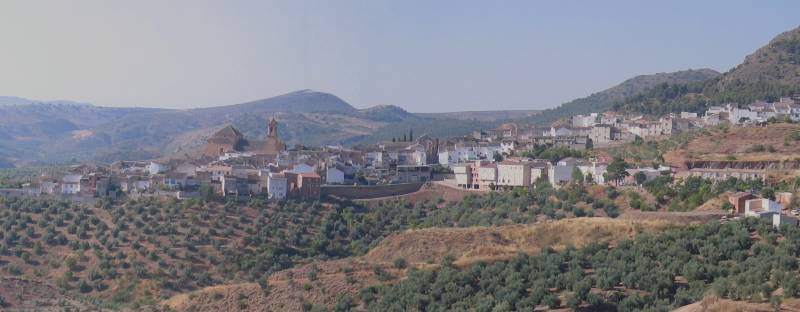
The church of the Encarnación was built some decades later, using reddish brick and with a tower visible from almost anywhere in the village. It suffered significant damage during the Spanish Civil War. Part of the roof was later rebuilt and the tower remains slightly tilted, a detail locals point out naturally as they pass through the square.
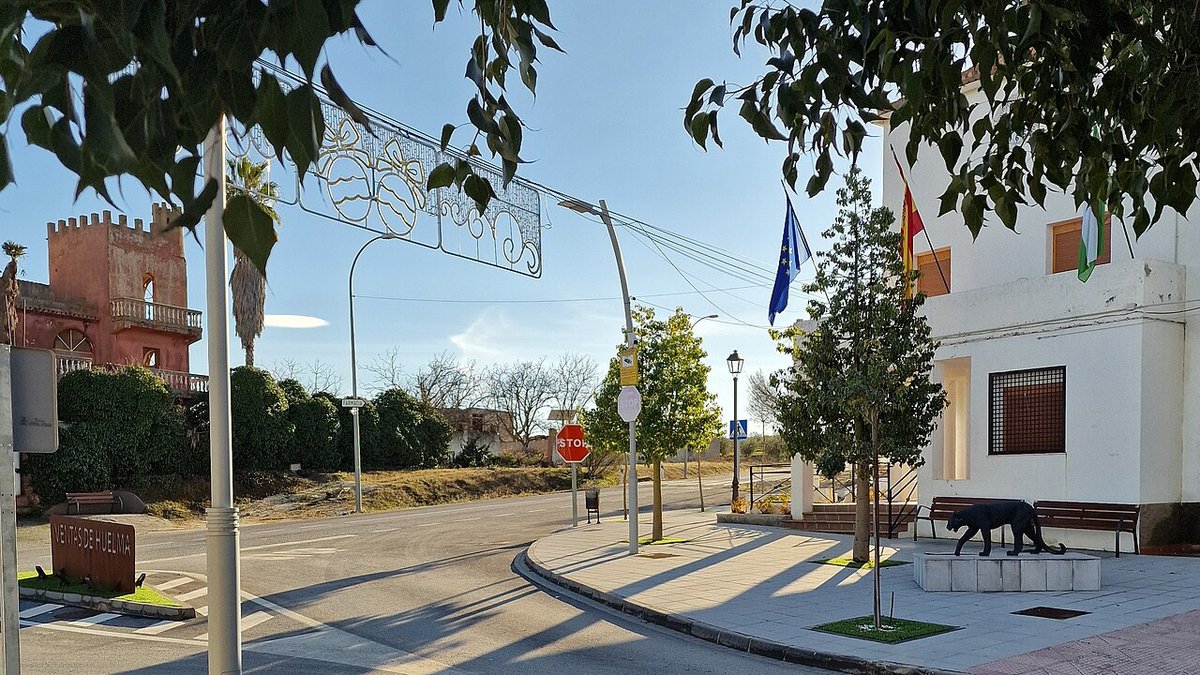
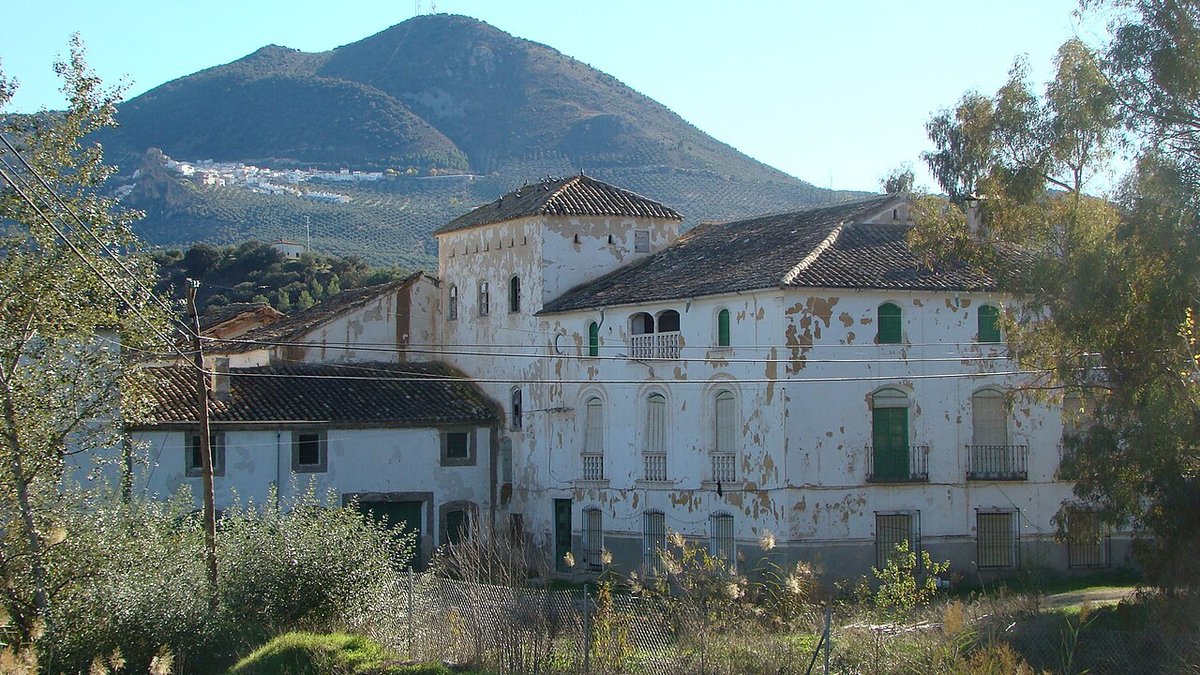
A slow walk through this older centre draws attention to small details: worn coats of arms above some doorways, iron window grilles with paint peeling away in thin strips, geranium pots hanging at shoulder height. In one of the entrance halls, the village’s elevation is carved in stone, close to one thousand metres above sea level. When it rains, the smell of damp lime lingers in these spaces.
Where the countryside begins
About two and a half kilometres from the town centre lies the Fuente de la Peñuela. It is reached by a dirt track that runs through old olive groves, some trees so hollow a child could step inside. Water usually flows here even in dry summers, and around it grow brambles, fresh grass and the occasional poplar that breaks the uniformity of the olive landscape.
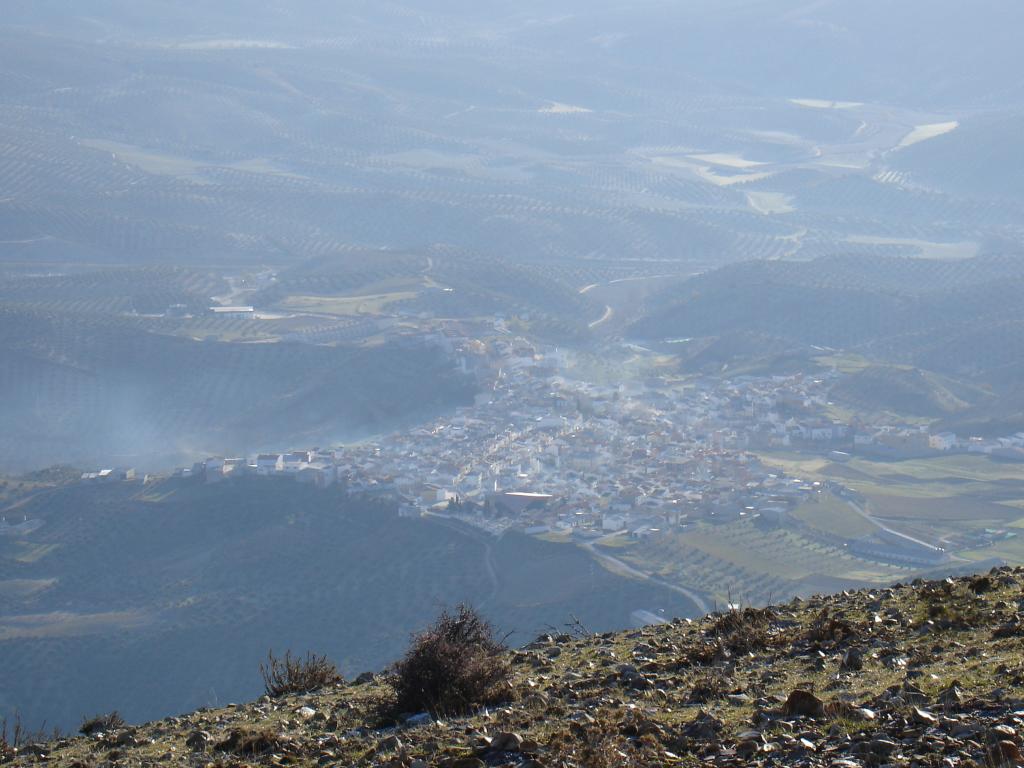
Continuing towards the viewpoints in the Alberquilla area, the terrain opens up. From there, the Quiebrajano reservoir comes into view, a grey-blue sheet surrounded by rolling hills covered in olives. At sunset, when the mountains fall into shadow and the valley still holds the last light, the air carries the scent of crushed thyme and cool water.
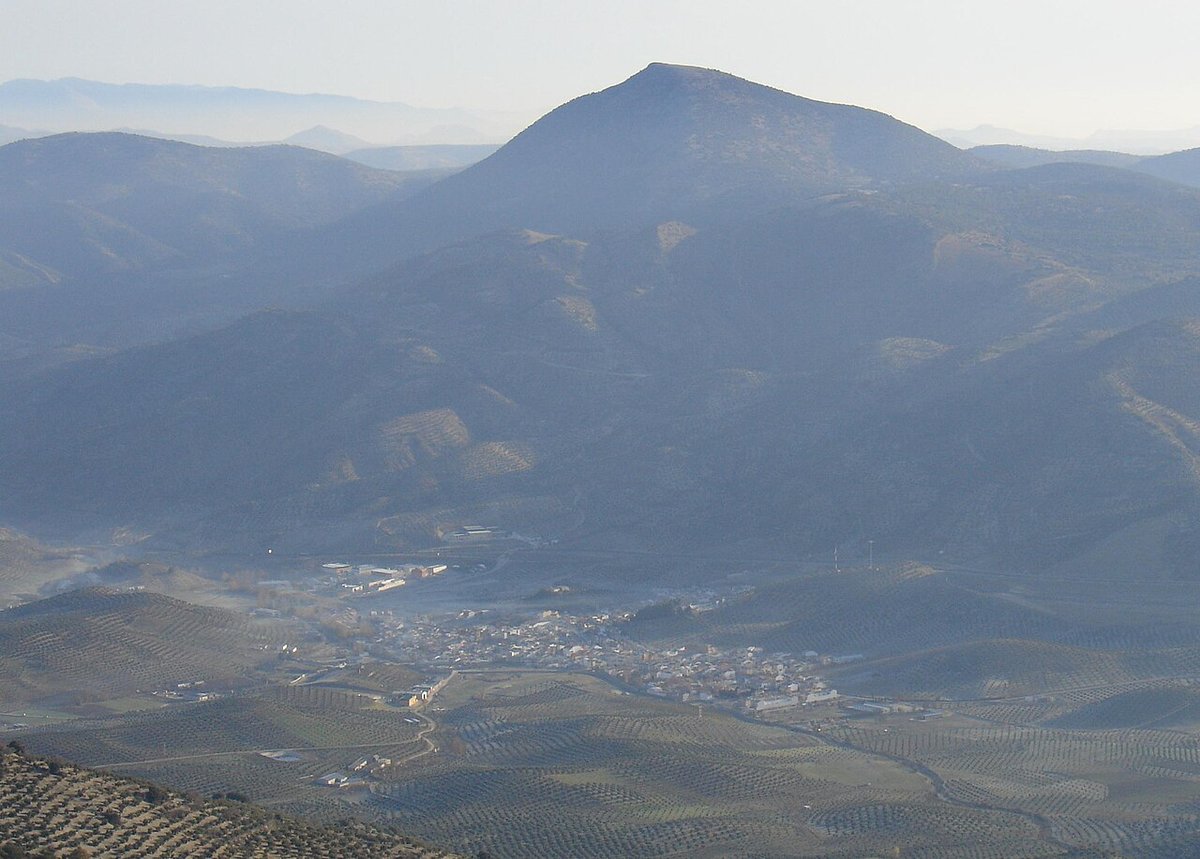
There is also an ascent known as the castle route, leading up to Cerro Berrido. At the top are the remains of the old Arenas castle: low walls, loose stone and a cistern partly covered by grass. It was a fortification linked to the former Nasrid frontier and is mentioned in medieval documents. Today, the main draw is the view rather than the ruins. Campillo appears below as a cluster of white houses resting against the hillside.
In spring, the path fills with low wildflowers and orange butterflies that lift into the air when you brush against clumps of wild chamomile.
Ovens, pilgrimages and food from the sierra
The communal oven still operates on certain days of the week, when enough trays have been booked. Several families prepare lamb or bread at home and bring it there early in the morning. By mid-morning, the smell of roasting meat lingers through the nearby streets.
One of the best-known dates in the local calendar is the romería of the Virgen de la Cabeza, held in spring. The image is carried to a hermitage on the outskirts, and many people make the journey on foot. The path is unpaved, lined with rosemary and fine dust that rises underfoot.
The village also keeps alive the tradition of Moros y Cristianos, a form of historical reenactment common across eastern Andalucía. Here, the performances are simple: gunpowder, costumes passed down through generations, and a strong sense of humour among neighbours themselves.
On the table, the food reflects the surrounding hills. The chorizo de ca