Full Article
about Cárcheles
Municipality made up of Cárchel and Carchelejo; known for its cured meats and mountain setting.
Hide article Read full article
Cárcheles: un pueblo en la cuesta de Mágina
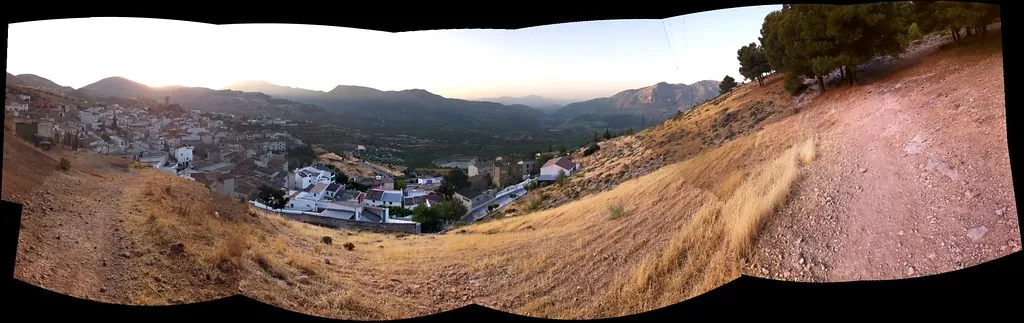
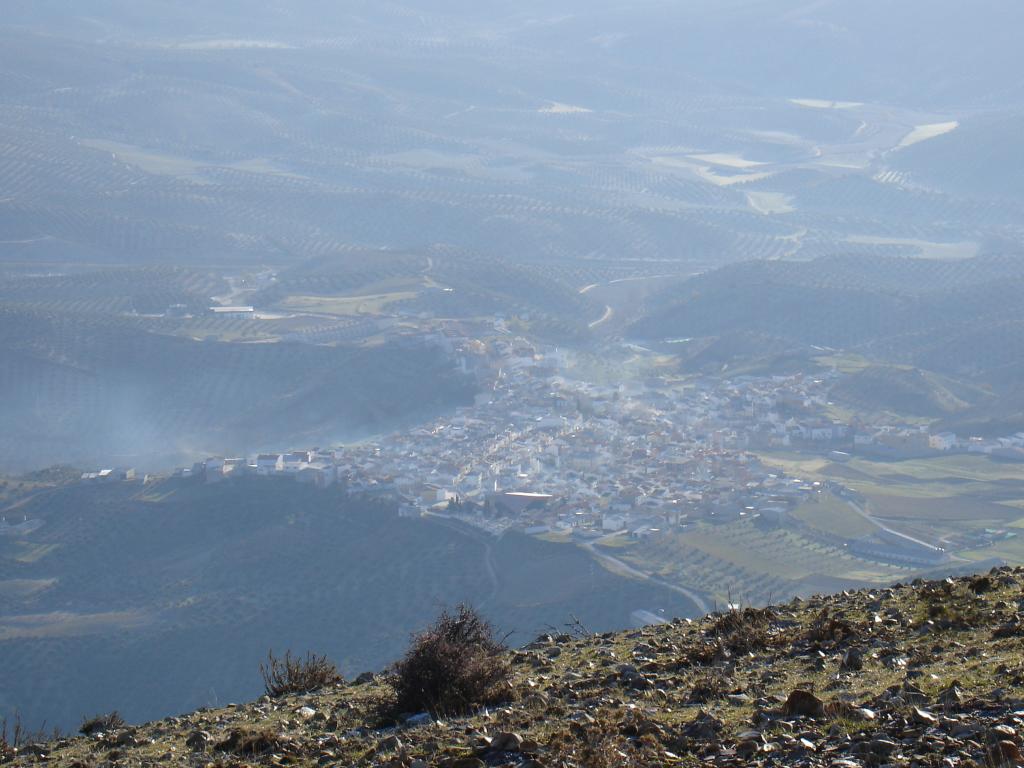
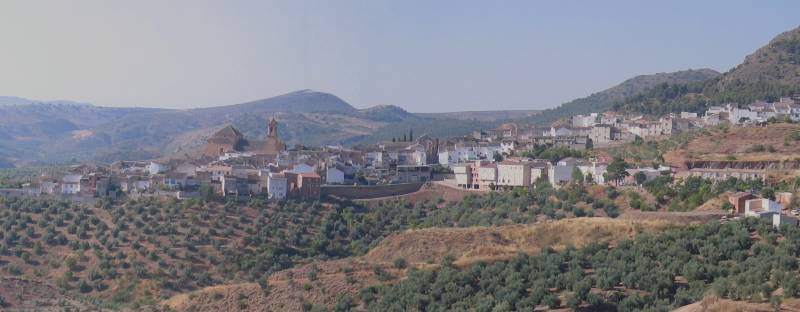
Cárcheles se asienta en la vertiente occidental de Sierra Mágina, en la provincia de Jaén. Su posición, a cierta altura sobre el valle del Guadalquivir, explica los inviernos fríos y las nieblas que a veces se quedan entre las lomas. El pueblo, de unos 1.300 habitantes, se adapta a la pendiente sin un trazado regular. Las calles suben y bajan según la topografía, siguiendo el viejo camino que unía eras, huertos y olivares. No es un lugar pensado para el paseo turístico; su escala es la de quien vive con el paisaje pegado a la ventana.
La iglesia y el caserío antiguo
La iglesia de la Encarnación ocupa el punto más visible del casco urbano. La estructura actual se data generalmente en el siglo XVI, con reformas posteriores como es habitual en las iglesias rurales. Su torre sirve de referencia cuando uno se mueve por las cuestas más empinadas.
El interior es sobrio. Conserva imágenes y elementos de devoción vinculados más a la historia reciente del pueblo que a grandes conjuntos artísticos. Aun así, sigue actuando como centro simbólico del barrio antiguo. A su alrededor se ordenan algunas plazuelas y las calles de mayor tradición.
El caserío es compacto y conviene recorrerlo sin prisa. En las fachadas blancas se ven balcones de forja y, en algunas casas más antiguas, portadas de piedra. Los patios interiores, a menudo llenos de tiestos en primavera, añaden color tras las puertas. Desde la parte alta del pueblo, en días claros, la vista se abre sobre un mosaico de olivares que llega hasta el valle, con las primeras elevaciones de Mágina al fondo.
Un territorio hecho de olivar
Salir de Cárcheles es entrar en el olivar. La mayor parte del término municipal está ocupada por estas plantaciones, muchas con árboles viejos trabajados durante décadas. El paisaje es el reconocible de toda la comarca, pero la proximidad de la sierra introduce variaciones: barrancos que cortan el terreno, laderas más pronunciadas y pequeños bolsones de vegetación mediterránea donde no llegó el cultivo.
Caminar por los carriles agrícolas da una idea de lo estrecha que es la relación entre la economía local y el aceite. Durante buena parte del año la actividad parece discreta, con apenas señales de trabajo en el campo. En la época de la recolección, en otoño e invierno, tractores y cuadrillas cambian el ritmo del pueblo. Muchas familias participan de una u otra forma en la campaña.
Este calendario marca la vida diaria. Las conversaciones, las rutinas y hasta las celebraciones locales siguen el ciclo de la aceituna.
Senderos hacia la sierra
Cárcheles ocupa una posición interesante para aproximarse a la parte norte de Sierra Mágina. Desde las afueras parten carriles agrícolas y veredas tradicionales que poco a poco ganan terreno montañoso.
Algunas de estas rutas se usan para caminar o para bicicleta de montaña. Conviene preguntar localmente por el estado de los caminos antes de salir. Las pendientes aparecen pronto y algunos tramos pueden resultar más exigentes de lo que parece en el mapa, sobre todo donde el suelo está suelto.
En las zonas donde el olivar se mezcla con el matorral mediterráneo suelen verse aves rapaces cabalgando las corrientes de aire. También hay especies menores asociadas al terreno agrícola. No hay miradores preparados ni instalaciones específicas para visitantes. Basta un paseo tranquilo y una mirada atenta al entorno para entender la disposición del lugar.
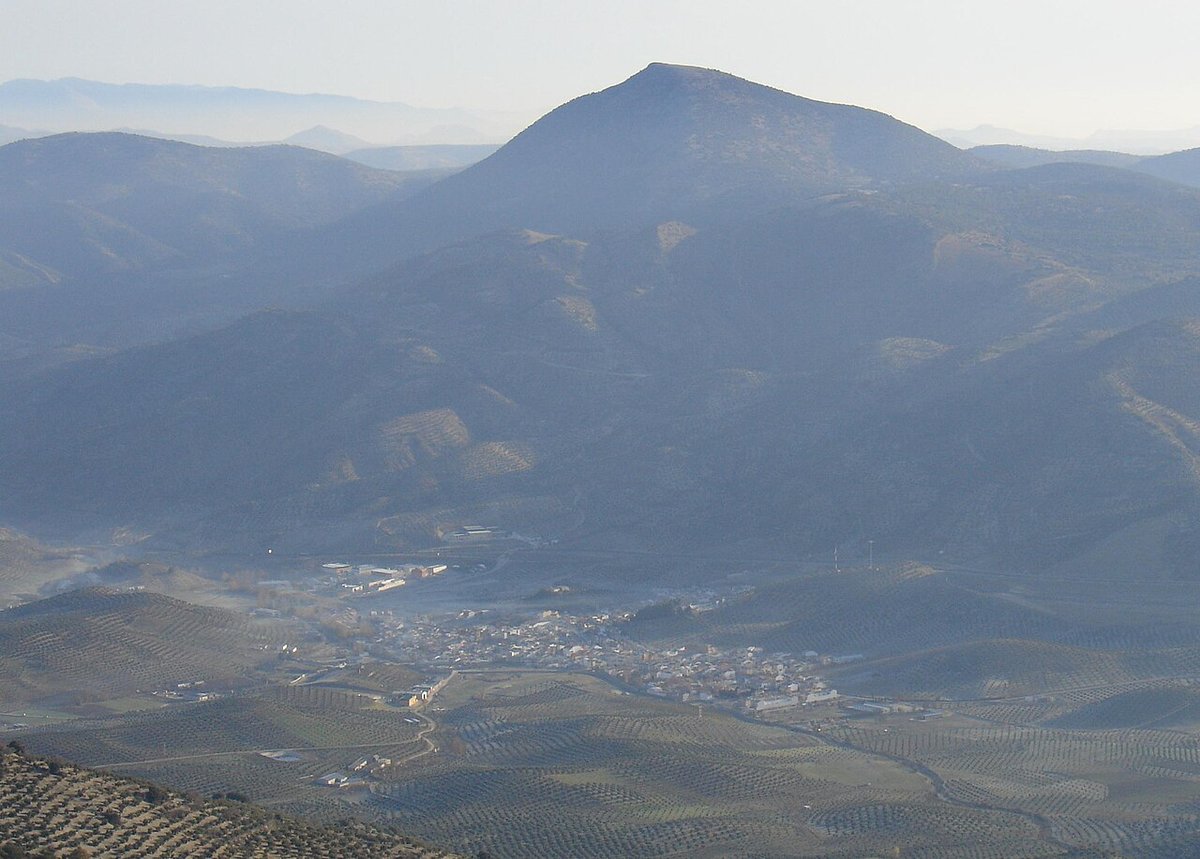
La relación entre tierra cultivada y montaña define el horizonte. Los olivos dominan la parte baja, mientras las formas de Sierra Mágina cierran la escena a lo lejos.
Un calendario marcado por el campo
El ciclo agrícola influye con fuerza en el calendario local. El otoño y el invierno giran en torno a la recolección de la aceituna, que concentra gran parte de la actividad. El trabajo en el campo reúne a distintas generaciones y mantiene prácticas que llevan décadas modelando Cárcheles.
Entre las celebraciones religiosas, las fiestas en honor a la Virgen de los Remedios suelen tener lugar en agosto. Esos días reúnen a los vecinos y a quienes se fueron pero regresan para la ocasión. Las calles se llenan de caras conocidas y la iglesia recupera su papel central.
La Semana Santa también se vive aquí. Las procesiones recorren las calles más estrechas del barrio antiguo, con un carácter sencillo y local. La escala es la del pueblo mismo, con más peso en la participación comunitaria que en lo espectacular.
Cómo llegar y cuándo ir
Cárcheles se encuentra en el interior de la provincia de Jaén, dentro de la comarca de Sierra Mágina. Desde la capital provincial se llega por carretera, atravesando una sucesión interminable de olivares. El trayecto suele durar cerca de una hora, según la ruta elegida.
El pueblo es pequeño y los servicios corresponden a su tamaño. Es recomendable usar coche para moverse por la zona, y conviene no dar por hecho horarios amplios en comercios o transporte público.
La primavera y el otoño suelen ser las estaciones más agradables para recorrerlo. El calor no se ha hecho intenso todavía, o ya ha remitido, y el perfil de las sierras se recorta con más claridad en el horizonte. En días despejados se entiende bien esa relación constante entre los olivares del valle y las montañas de Mágina que cierran el paisaje.
Cárcheles no depende de grandes monumentos ni de atracciones construidas para el visitante. Su interés está en su emplazamiento, en los ritmos agrícolas y en la presencia constante de Sierra Mágina sobre ese mar de olivos.