Full Article
about Huelma
Capital of the Mágina region; a historic town with an impressive Renaissance castle and parish church.
Hide article Read full article
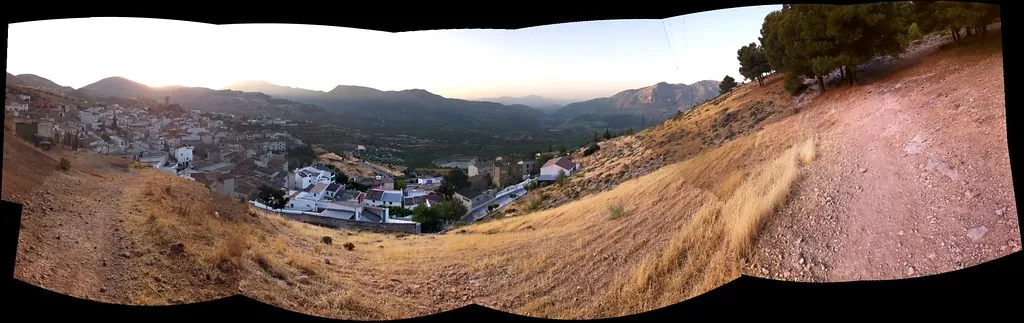
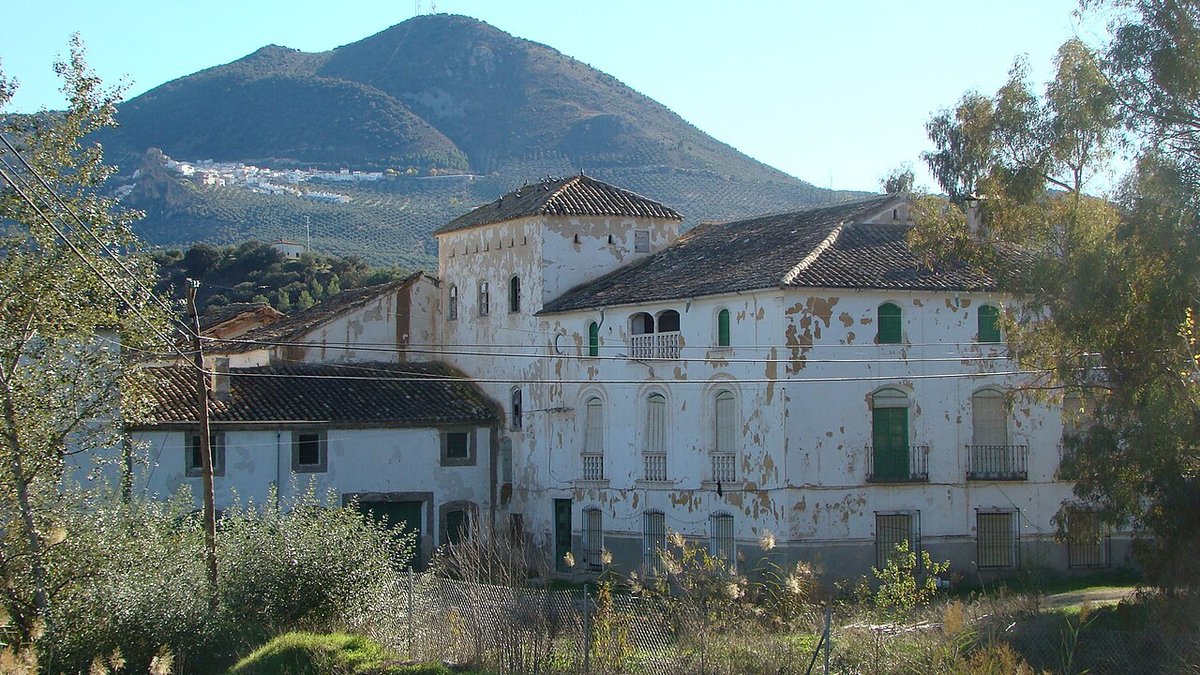
Church bells ring out at seven in the morning and their echo drifts across the olive groves that encircle the village. From the terrace of the castle, Huelma spills down the hillside in whitewashed houses that still seem half asleep at that hour. A few street lamps remain lit as the sky begins to brighten behind Sierra Mágina. There is the smell of freshly baked bread and damp earth left by the night air. On clear days the light arrives gradually, as if climbing the façades step by step.
There is something paradoxical about speaking of tourism in Huelma. This is not a place that shows itself off. It reveals itself slowly, as you walk up and down its slopes and pay attention to the small sounds of daily life in the streets.
Fields, kitchens and the taste of the season
The descent along the Cuesta de San Sebastián is steep enough for shoes to slide slightly on the cobbled surface. The narrow streets hold on to the night’s coolness for a while. From a balcony, someone beats a rug against the railing, the sharp thud carrying across the square.
Early in the day there is usually movement in the bars. Strong coffee is poured, sometimes accompanied by a glass of aniseed liqueur, and conversations often circle back to the countryside. Here, the calendar is set by the olive harvest and by the cold. When the first serious days of winter arrive, many houses begin to carry the distinctive smell of matanza, the traditional home slaughter that supplies cured meats for the months ahead. Carnerete, a local sausage typical of the area, appears in kitchens and larders at that time of year.
Local cooking reflects what the land provides. Sobrehu sa is one of those dishes rooted in the vegetable patch: broad beans, pumpkin, potatoes, with bread used to push the spoon along. Pipirrana, a fresh salad served in many Andalusian homes, is also common here, though each household prepares it slightly differently. In the village bakeries you will often find almond sweets, dry on the outside and soft within, which pair well with a long coffee.
Food in Huelma follows the rhythm of work in the fields and the drop in temperature. Winter shapes both the flavours and the pace of life. Even casual conversations seem to echo the concerns of the land.
Stones that speak of wolves and centuries
A few kilometres from the town centre rises the Cerro del Pajarillo. The approach follows a track of reddish earth that cuts through holm oaks and low scrub. The final stretch is usually done on foot. At the top are the remains of an ancient Iberian settlement and the well-known sculpture of the Cabeza de Lobo, linked to the archaeological excavations carried out here. The name refers to a carved wolf’s head associated with the site’s past.
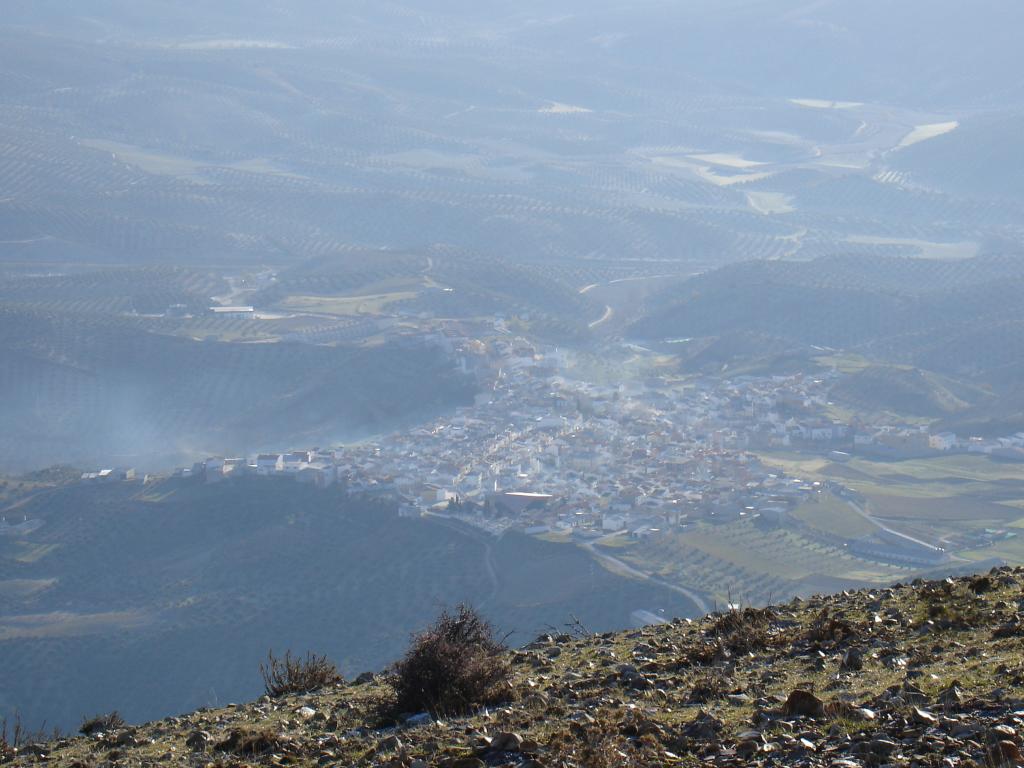
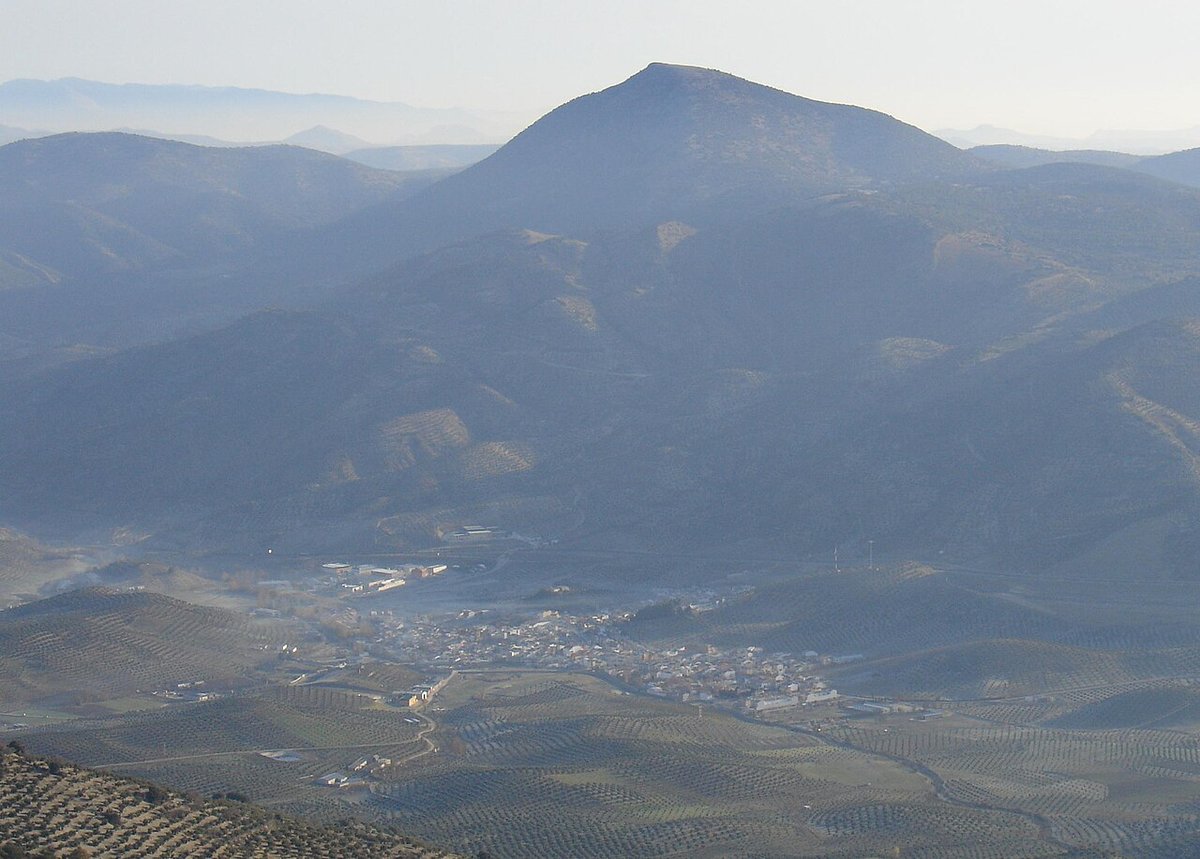
From this vantage point the valley opens out completely, a patchwork of olive groves stretching as far as the eye can see. When the wind blows, it carries the scent of thyme and warm resin. The landscape feels expansive and exposed, shaped by cultivation and by time.
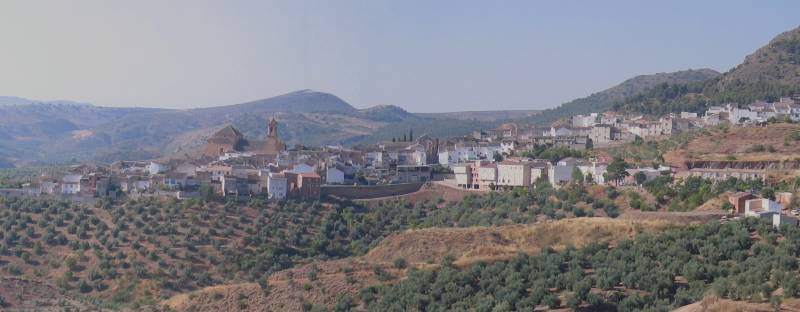
Back in the village, the Iglesia de la Inmaculada dominates much of the centre. Locals sometimes call it “the second cathedral of Jaén”, a nickname that refers more to its scale than to any official status. The church has three naves and a dome often associated with the work of Diego de Siloé, although construction passed through many hands and different periods. Around midday, light enters high through the windows and falls in rectangles across the floor. Inside, there is rarely more than the sound of a broom brushing the tiles or the faint buzz of a fly when the heat sets in.
The castle, from which the village can be viewed as it tumbles down the slope, forms part of this historic fabric. Its terrace provides one of the clearest perspectives over Huelma and towards the surrounding countryside, tying together the layers of settlement that have shaped the area.
When the whole village climbs the hill
At the end of July, once summer is firmly established, many residents make their way up to the ermita de Santa Ana. The day begins early to avoid the strongest heat. Baskets of food appear, sprigs of rosemary are carried by hand, and families walk slowly along the pale dirt path that leads to the hilltop shrine.
September brings the festivities dedicated to the Virgen de la Cabeza. During those days, Huelma shifts its pace. Music fills the streets, balconies are decorated and processions move steadily up and down the slopes. The scent that lingers in the air blends jasmine from interior patios with frying food from home kitchens.
These occasions draw people out of their houses and into shared spaces. The steep streets, so quiet at other times, become the setting for encounters and ritual. Tradition here is not presented as spectacle but lived as part of the annual cycle.
Walking Huelma at its own pace
Spring is often the most rewarding time to explore the surroundings. The olive groves are green, the nearby sierras still retain some moisture, and the paths can be walked without the weight of intense heat. The landscape feels open and accessible, with the mountains of Sierra Mágina framing the horizon.
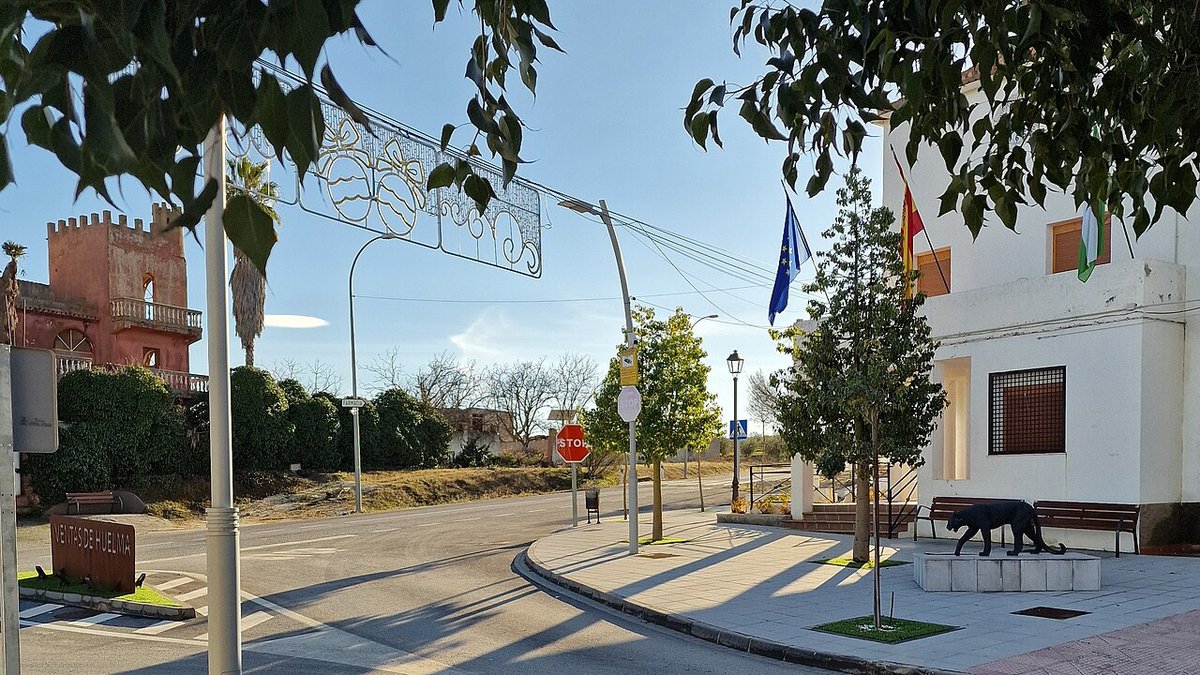
Huelma itself is defined by its slopes. Comfortable footwear is advisable, and it makes sense to leave the car in the lower part of the old town. From there, most places of interest can be reached on foot, including the castle, the church and the older streets that trace the village’s past.
August can feel long for those unused to the heat of inland Jaén. By contrast, autumn and early winter bring a different atmosphere. There are fewer people out on the streets, some houses carry the smell of firewood, and a particular silence settles between one bell chime and the next as evening falls. In those quieter months, Huelma seems to speak more clearly.
Tourism here is not built around grand gestures or constant activity. It lies in walking slowly, noticing the shift of light on white walls, and listening as the bells echo across the olive groves. Huelma does not rush to introduce itself. It waits to be understood at its own unhurried rhythm.