Full Article
about Larva
Small town in steppe country; striking scenery and total quiet.
Hide article Read full article
A quiet corner of Jaén
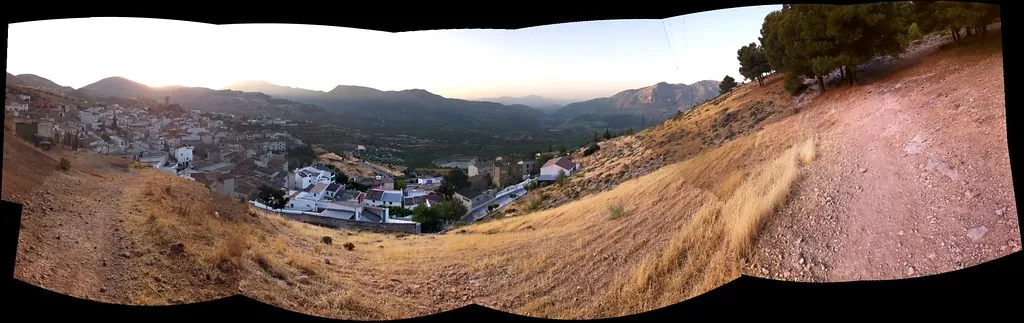
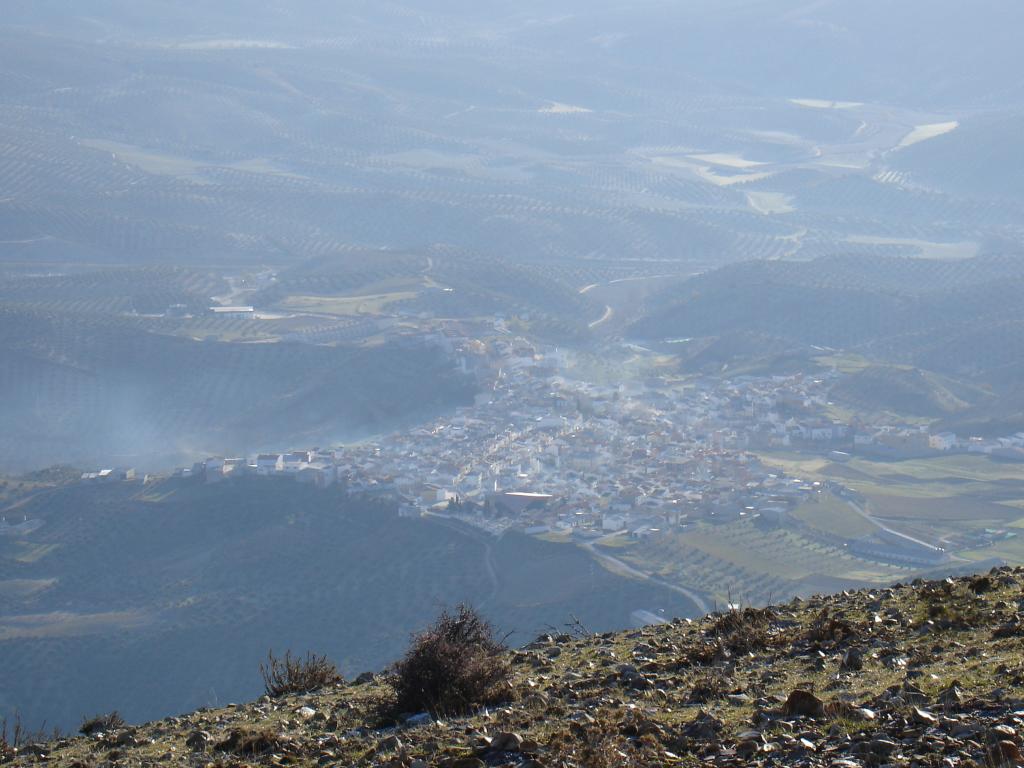
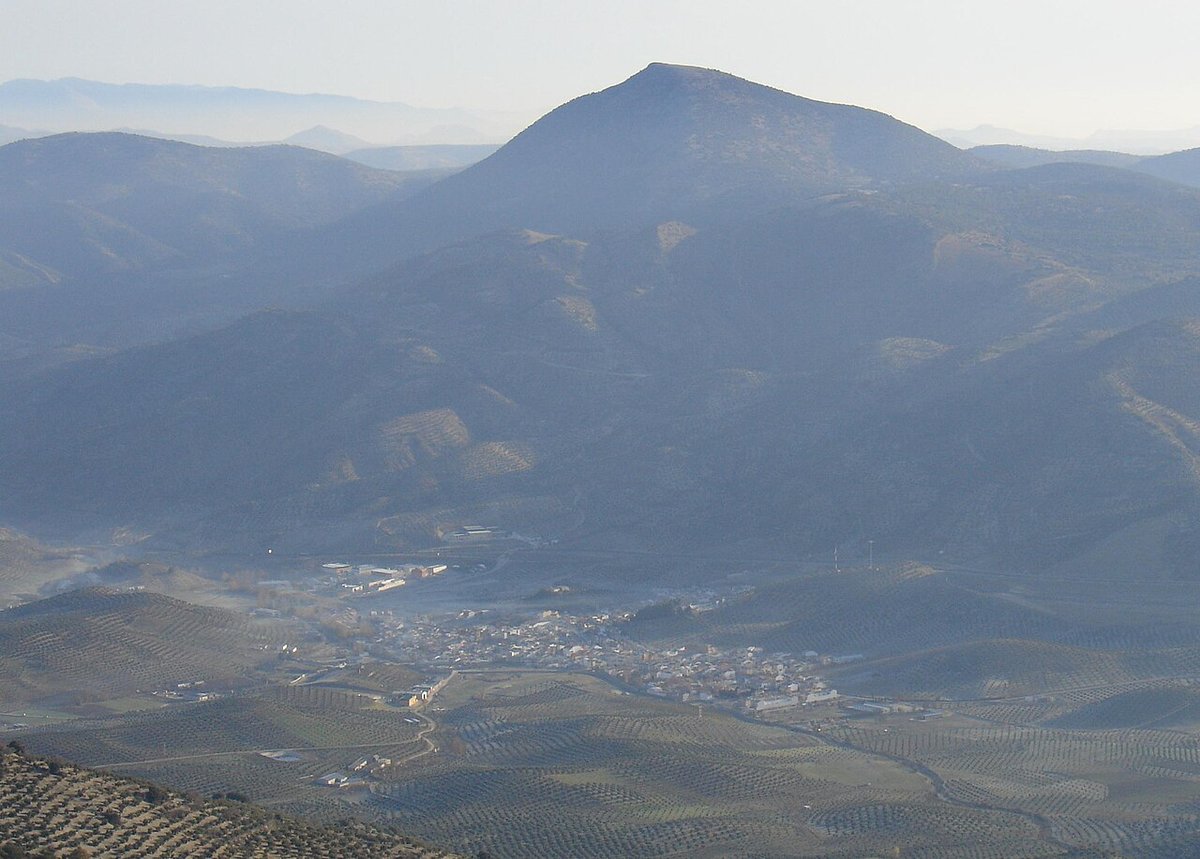
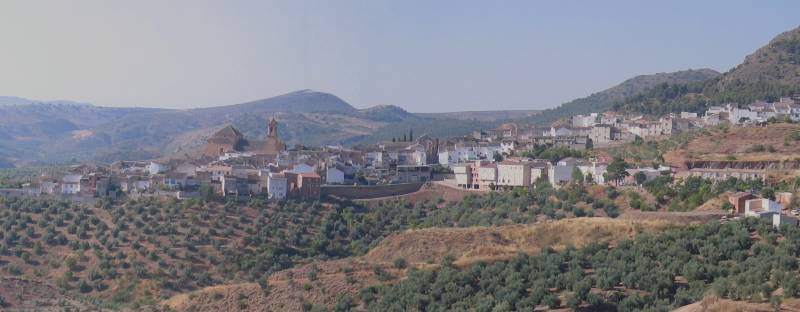
Larva sits on the western slopes of Sierra Mágina, at the eastern edge of Jaén province in southern Spain. The village lies at around 700 metres above sea level and opens onto a landscape shaped by olive groves, with patches of scrub and pale limestone hills that hint at the nearby mountains. With just over four hundred residents, it is one of the smallest municipalities in the area, and that scale is immediately reflected in its unhurried pace.
A small settlement with medieval roots
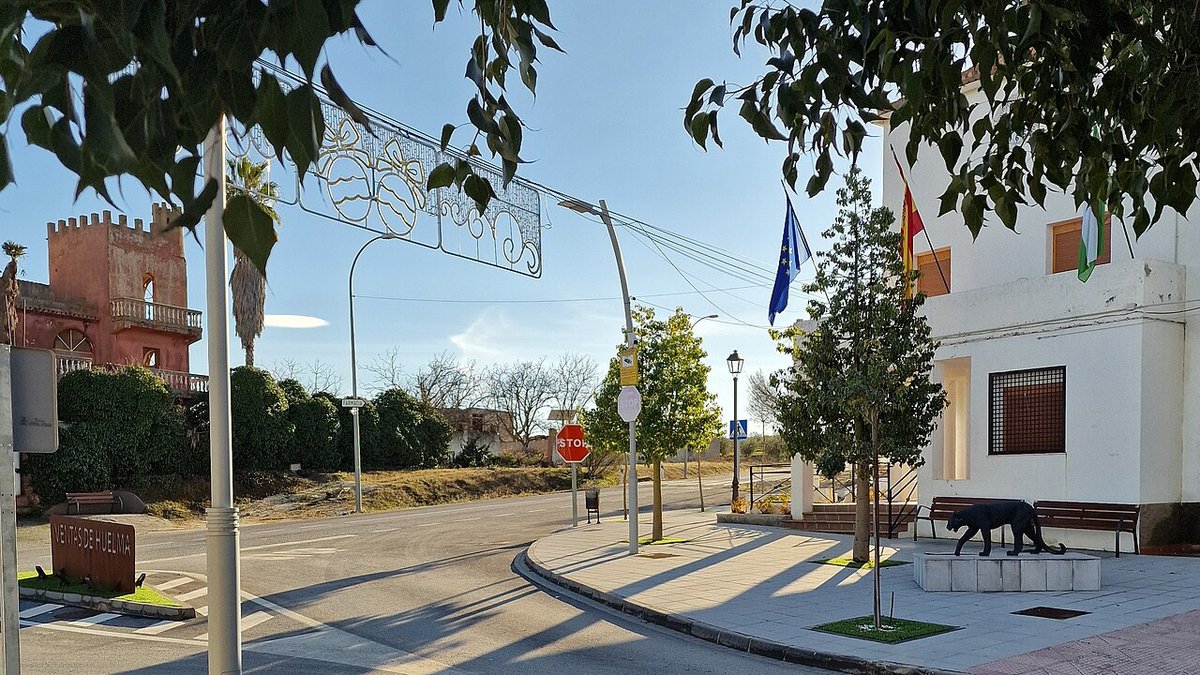
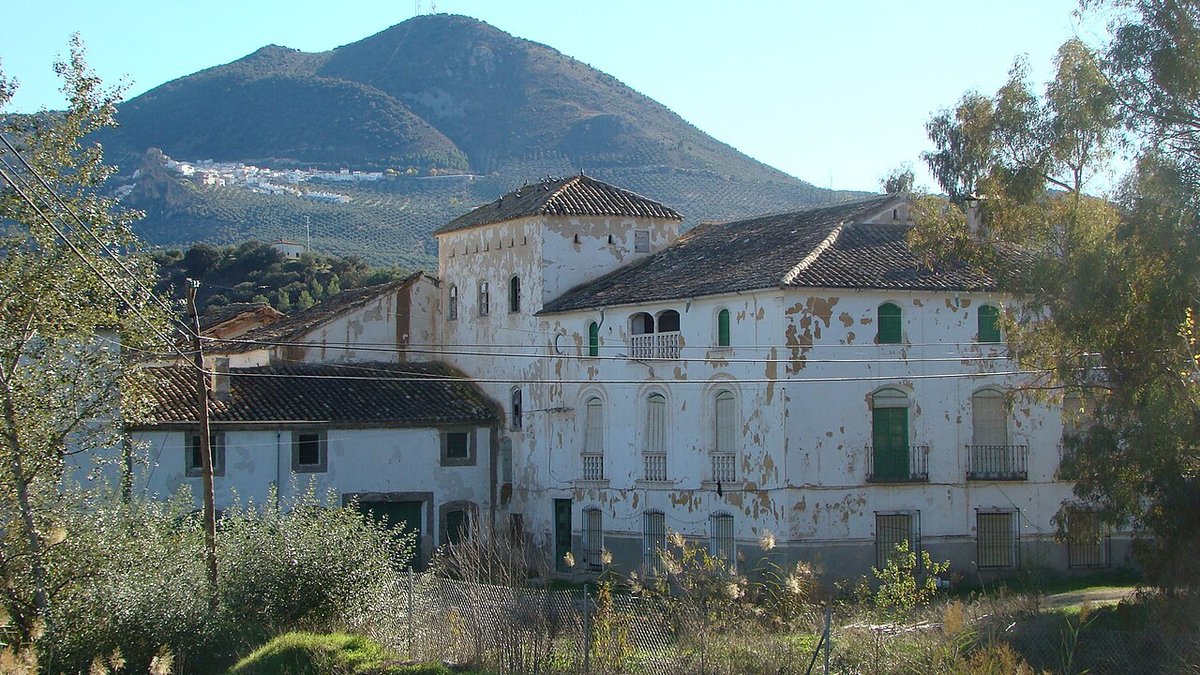
Larva dates back to the Middle Ages, when this stretch of valley marked a frontier between Christian and Nasrid territories. That history is still visible in the position of the settlement and the irregular layout of some of its streets. There are no major monuments, yet the village holds onto the structure typical of agricultural communities in this part of Jaén: whitewashed houses, short streets and a built environment that follows the contours of the land without much display.
At one of the central points stands the parish church of San Pedro, originally built in the 16th century and altered over time. Its architecture is restrained, in keeping with the size of the village. Inside, there are religious images and devotional objects that reflect local tradition rather than the work of major artistic schools.
Streets shaped by everyday life
Larva can be explored quickly. In less than an hour it is possible to cross the village several times, climb up to its higher points and return to the edges where the houses give way to open countryside.
The houses share features common across the region: whitewashed walls, simple iron window grilles and wooden doors, many still fitted with old metalwork. Some streets open out into small, wider spaces that once served as threshing areas or working zones connected to farming. That close link with agriculture remains clear today. As soon as the last row of houses ends, paths begin to weave through the olive groves.
Olive groves and paths towards the mountains
The landscape around Larva is dominated by olive cultivation spread across gentle slopes. Agricultural tracks leave directly from the village and are used for walking or exploring the area on foot or by bicycle.
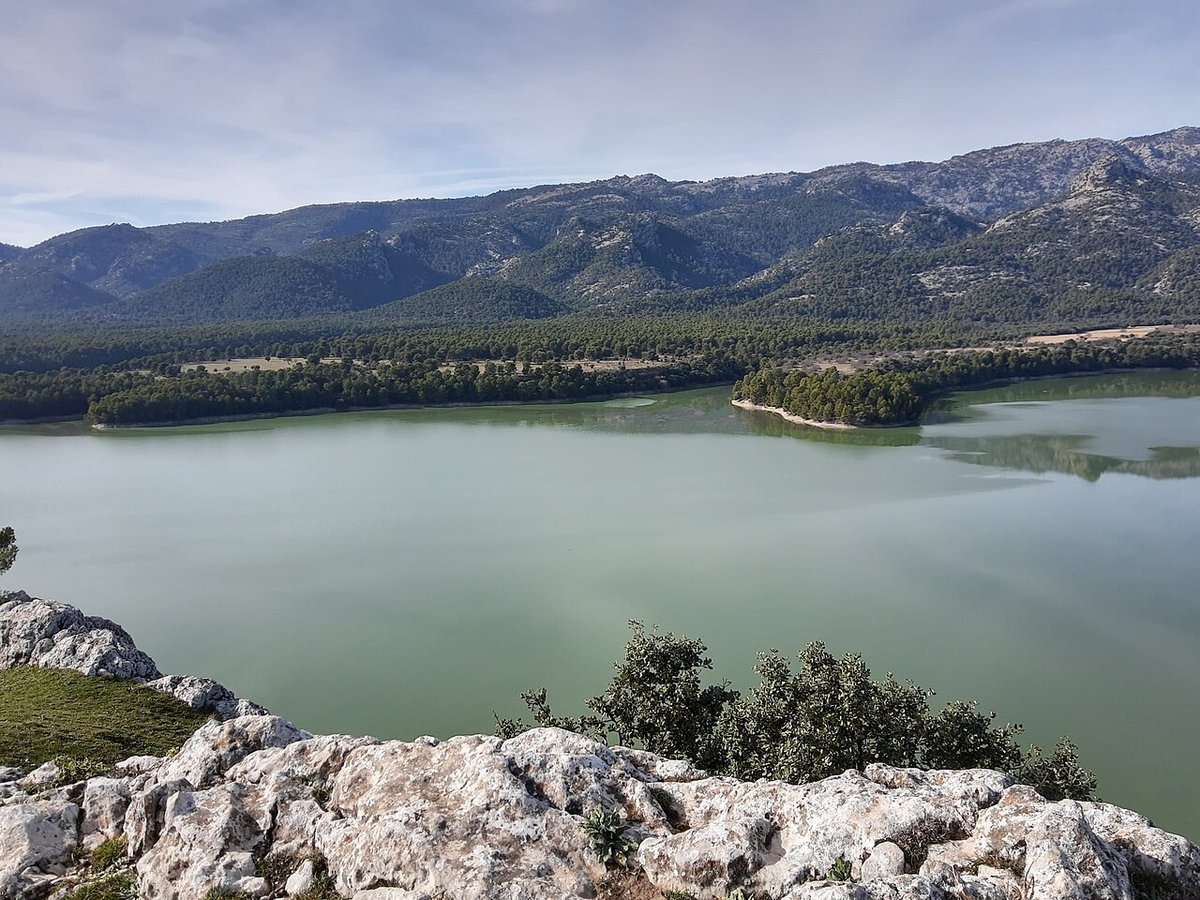
Further into the region, the terrain becomes more rugged as it connects with the relief of Sierra Mágina. Here, paths and forest tracks cross ravines, limestone ridges and small patches of Mediterranean woodland where holm oaks, kermes oaks and other native species grow.
Along the edges of the olive groves and in scrubland areas, it is relatively easy to spot common birds typical of farmland and mid-altitude hills. With a bit of patience, birds of prey can also be seen gliding above the slopes, especially during the quieter hours of the day.
Local food and olive oil
As across much of this part of Jaén, olive oil plays a central role in Larva’s cooking. It appears in everyday dishes as well as in more substantial meals linked to agricultural work.
Traditional preparations such as migas, vegetable stews made with seasonal produce, and rustic soups are still part of the local food culture. These were once served during long days of olive harvesting. Bread, freshly pressed olive oil and produce from small gardens continue to hold an important place at the table.
Festivals and the rhythm of the year
The village calendar follows a pattern shaped by both religious tradition and agricultural cycles. The patron saint festivities usually take place in summer, bringing together many residents who live elsewhere for much of the year.
Candelaria is still marked at the beginning of February, when bonfires are lit in different parts of the village. Holy Week is observed in a simple way, with processions moving through the main streets.
In autumn, as the olive harvest begins across the region, the atmosphere changes noticeably. Groups of workers arrive, and activity shifts towards the surrounding fields and nearby cooperatives.
Getting there and when to go
Larva is reached by regional roads that connect it with other towns in Sierra Mágina and with the main routes through Jaén province. The final stretch runs between olive groves and along narrow roads typical of this area.
Spring and autumn are usually the most comfortable times to explore on foot. In spring, the countryside turns greener, while in autumn the olive groves shift in colour as the harvest approaches. Summer brings strong midday heat, although early mornings and late afternoons remain suitable for walking around the village and its surroundings.