Full Article
about Noalejo
High-mountain town bordering Granada; known for its cured sausages and water.
Hide article Read full article
A mountain village shaped by movement
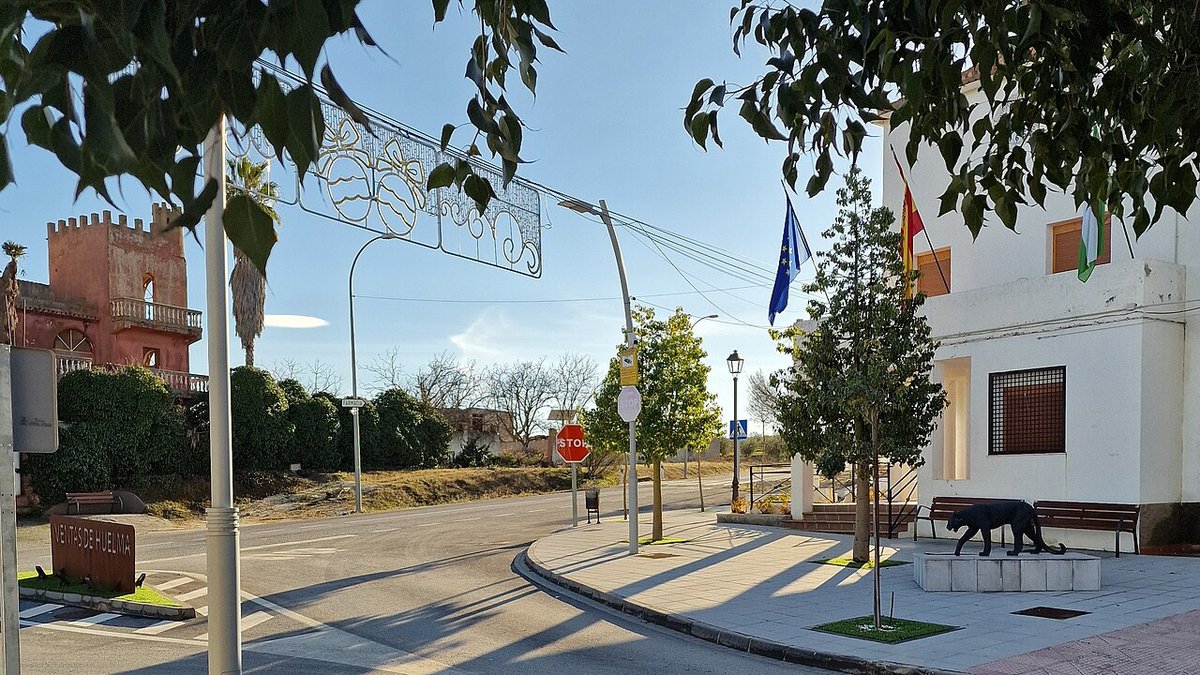
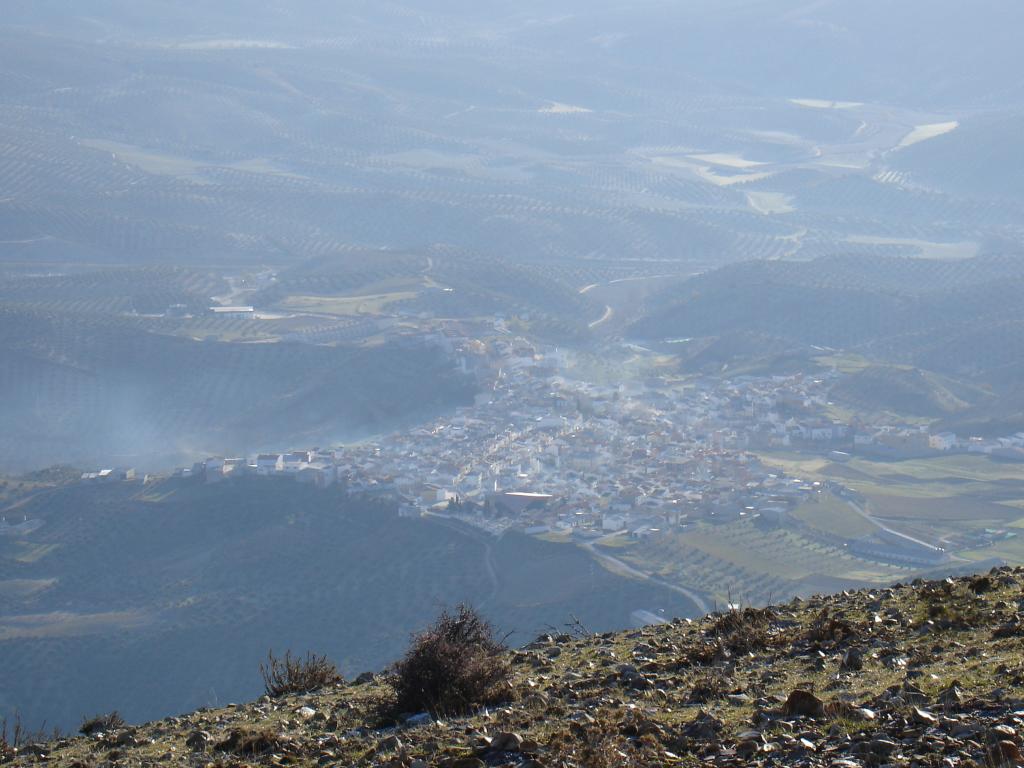
Tourism in Noalejo begins with a simple fact: this is a mountain village on the western edge of Sierra Mágina, sitting at over 1,000 metres above sea level and home to just over 1,700 people. Its location is not accidental. For centuries, this northern corner of the range has acted as a natural route between the province of Jaén and the area of Granada. Much of Noalejo’s story is tied to that role as a place people pass through.
Daily life still revolves around the olive groves and the agricultural calendar. In winter, during the olive harvest, the rhythm of the village shifts. Trailers, machinery and work crews move in and out, changing the pace of the streets. It is during these weeks that the practical side of life in this part of Sierra Mágina becomes clearest.
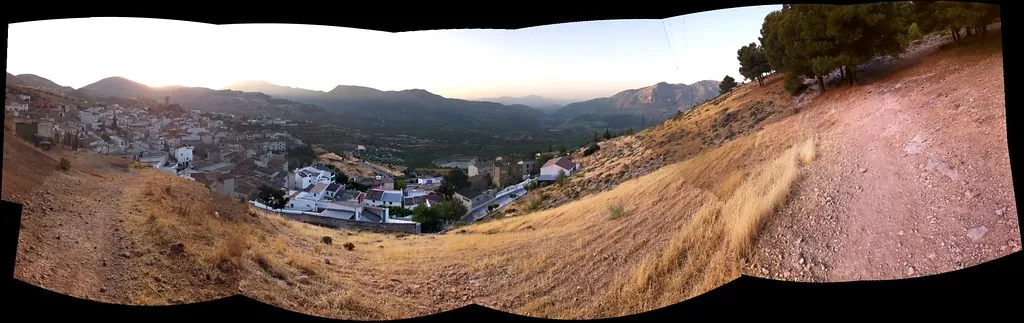
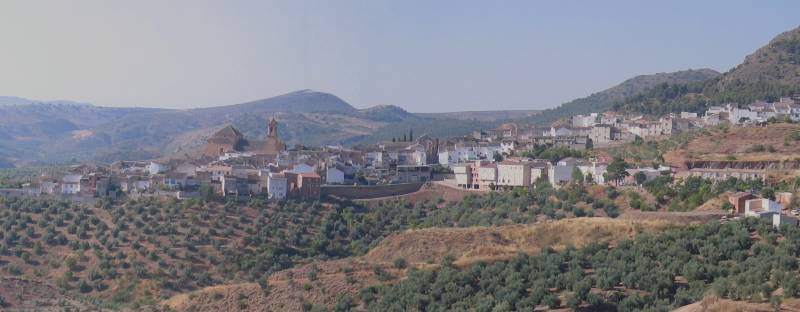
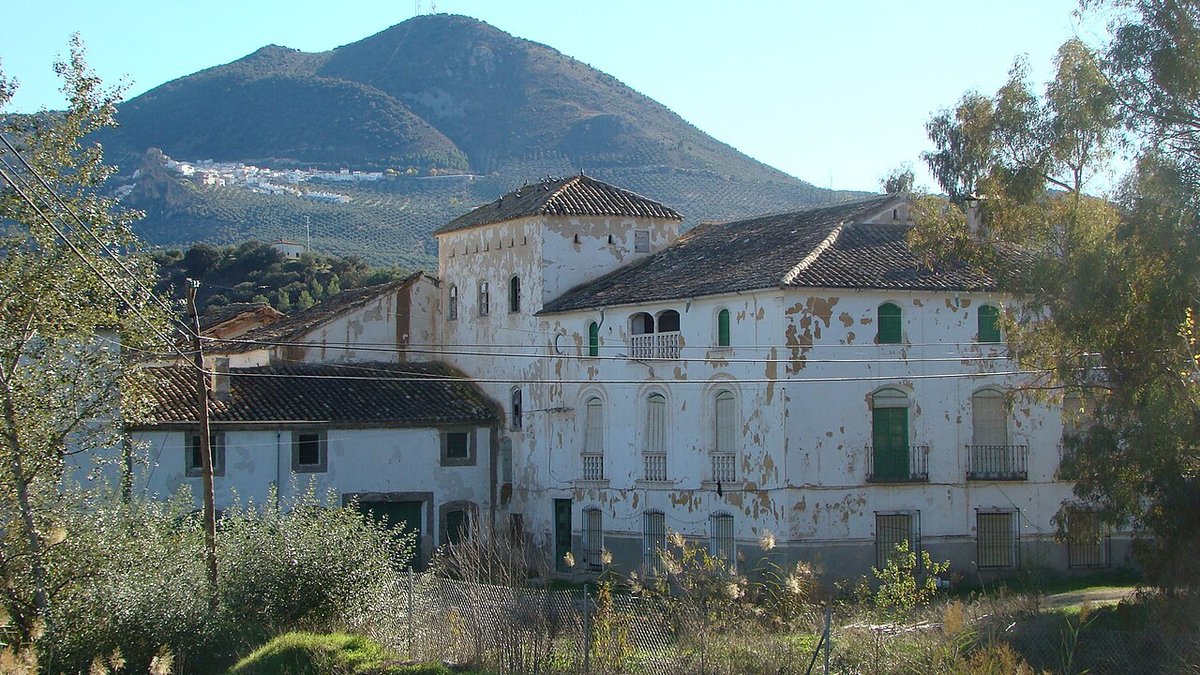
The town itself follows the slope rather than resisting it. Streets climb and dip without much apparent order, with narrow stretches and whitewashed houses built with thick walls. These homes are designed for the climate first, appearance second. In the higher parts of the village, a few open spots give a clear view of the surroundings: rolling hills covered in olive trees, and beyond them, the sharper forms of the sierra.
Streets, houses and the centre of village life
The main building in Noalejo is the parish church of the Asunción. Its origins date back to the 16th century, although later alterations have shaped its current appearance. Like many churches in the area, it is relatively austere. Its tower defines the outline of the town centre.
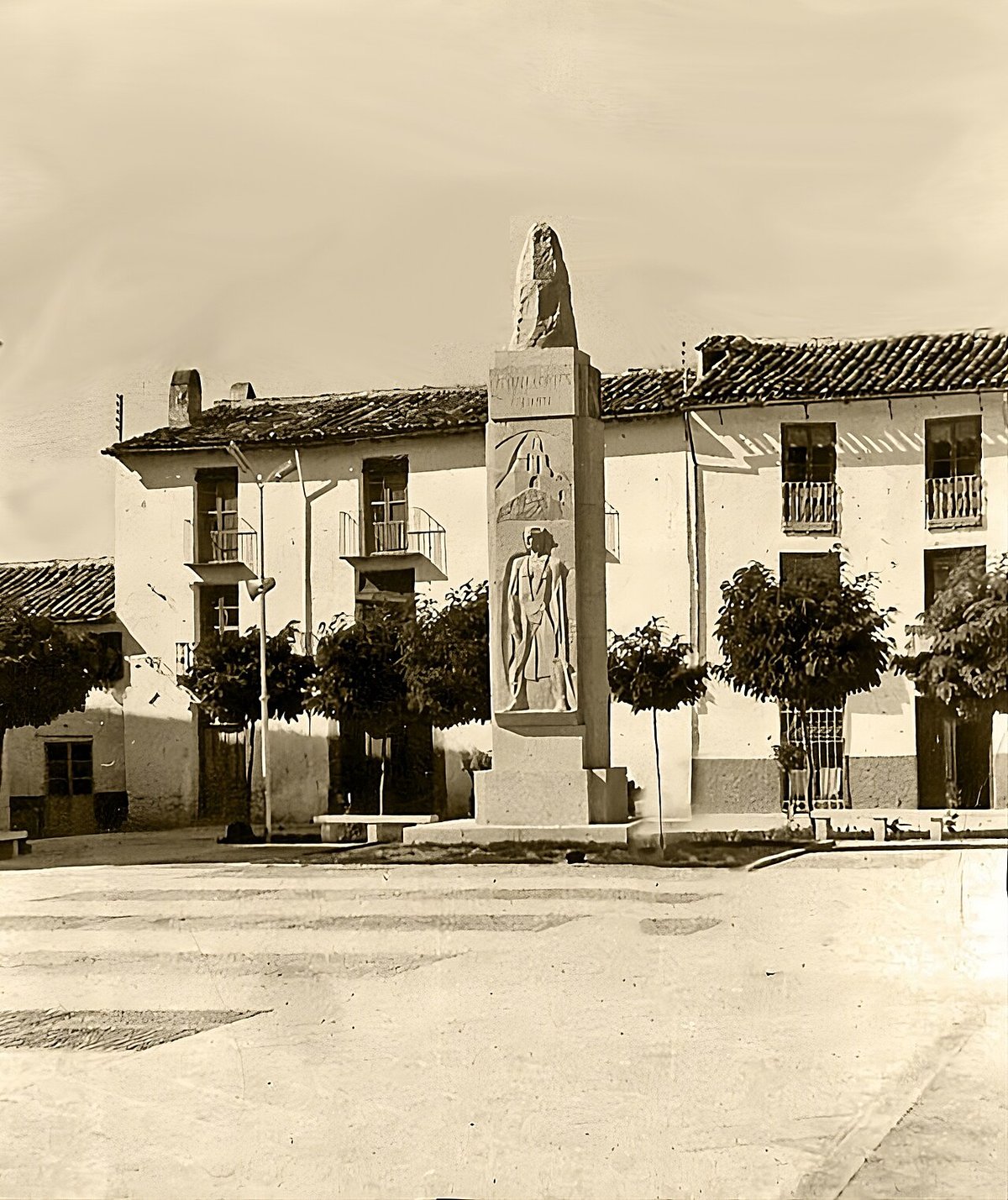
The importance of the church goes beyond architecture. The square around it acts as a meeting point and a setting for many of the year’s events. It is here that much of the village’s shared life unfolds.
Walking through the older part of town, attention naturally turns to smaller details. Wooden doorways, simple iron grilles and houses that combine living space with areas for agricultural work reflect a practical way of life. In several places, the streets widen into small squares. These become informal gathering points in the evening, especially in the warmer months, when people step outside and conversations stretch into the night.
Olive groves and rising ground
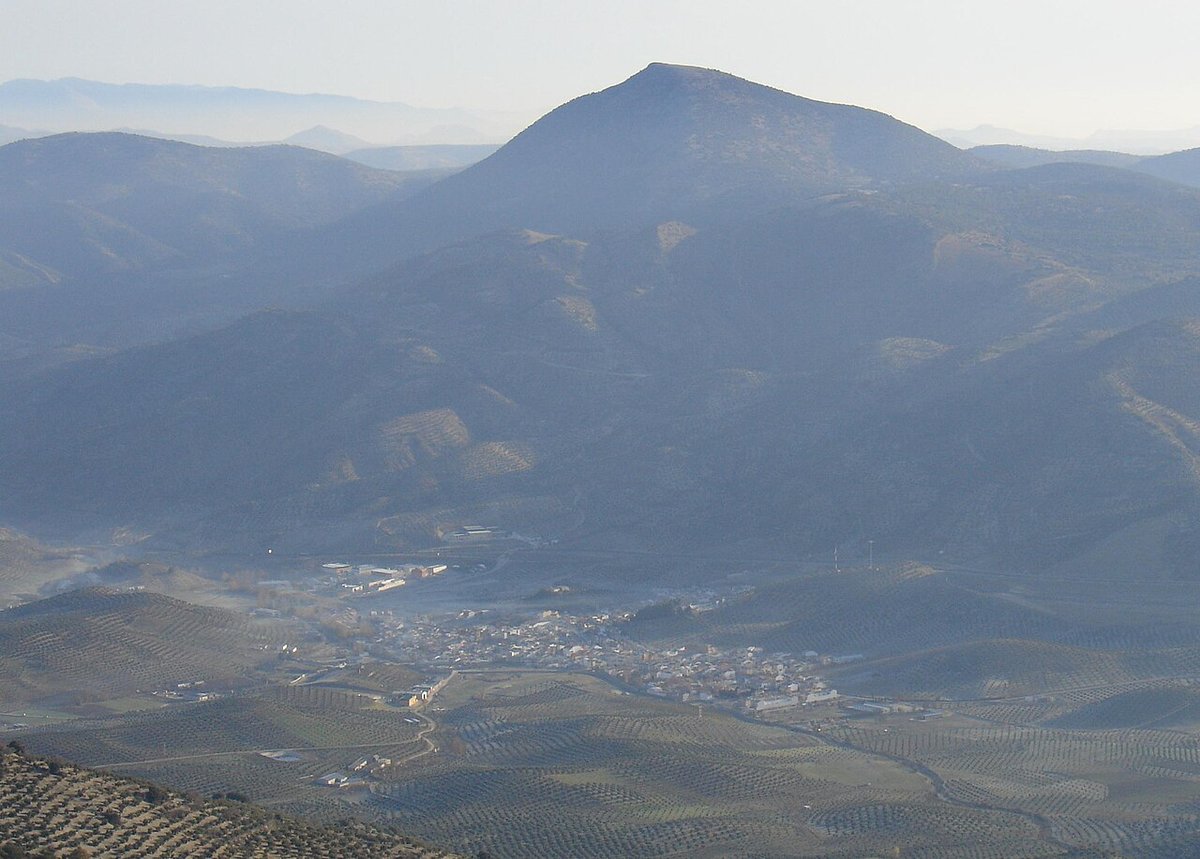
The landscape around Noalejo is dominated by olive cultivation. The hills closest to the village are almost entirely covered with groves that have often remained within the same families for generations. The trees are carefully pruned, and a network of agricultural tracks links scattered cortijos, or rural farmhouses, across the area.
As the land rises towards the sierra, the scenery begins to change. Olive groves give way to areas of Mediterranean vegetation and more pronounced ravines. On clear days, the transition between cultivated land and the wilder terrain of Sierra Mágina is easy to see.
Wildlife here is typical of inland Andalusian mountain areas. With a bit of attention, it is possible to spot birds of prey using the air currents above the ravines. This is a fairly common sight in the higher parts of the range and adds another layer to the landscape.
Routes through farmland and hills
Several agricultural tracks and footpaths start directly from the village and extend across the surrounding area. Many of these routes lead to old cortijos or into patches of countryside where the traditional organisation of the land is still visible.
Not all of these paths are signposted. Some sections may be partially blocked by vegetation or affected by ongoing agricultural work. Anyone planning longer walks benefits from checking conditions in advance or carrying a reliable way to navigate.
These same routes are also used by mountain bikes. It is common to see cyclists taking advantage of the tracks that cross the olive groves and climb towards the higher ground of the sierra.
Festivities and the rhythm of the year
The main celebration in Noalejo takes place in August in honour of the Virgen de la Asunción. Like in many small towns, this is the time when people who have moved away return, and for a few days the village feels noticeably busier and more animated.
Semana Santa, or Holy Week, is observed in a more restrained way than in nearby cities, but it still includes processions and religious events through the central streets. The layout of the village has a practical effect here. The narrow, uneven streets limit the size of the floats carried in procession, so they tend to be smaller than those seen elsewhere.
When to visit Noalejo
Spring and early autumn are usually the most comfortable times to explore both the village and its surroundings. Summer can bring very hot days, although the altitude means evenings often cool down.
In winter, fog frequently settles in the nearby valleys, and the olive harvest transforms the look and feel of the landscape. The groves become active working spaces, and the wider area takes on a different atmosphere.
Noalejo is not a place of major monuments or long sightseeing itineraries. It can be seen quickly. Its interest lies elsewhere: in how it reflects everyday life in the western part of Sierra Mágina. This is a small community shaped by agriculture and by its position between two provinces, where the landscape and the rhythm of work still define much of what happens.