Full Article
about Pegalajar
Known for its spectacular pond in the village center that waters the traditional vegetable gardens.
Hide article Read full article
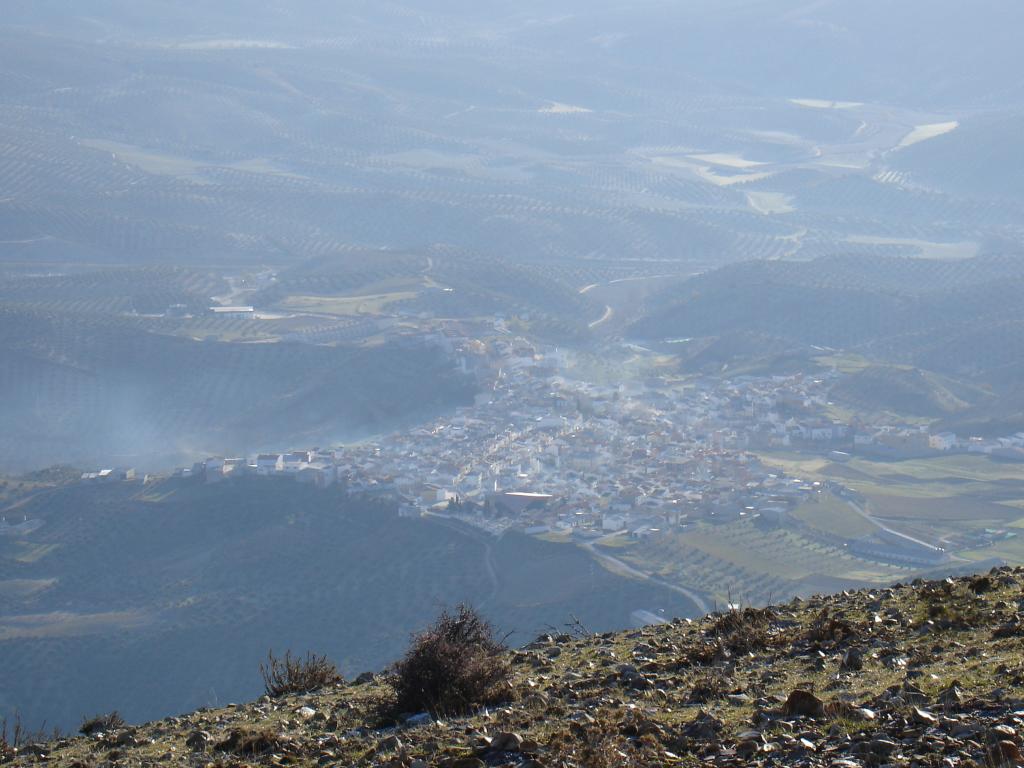
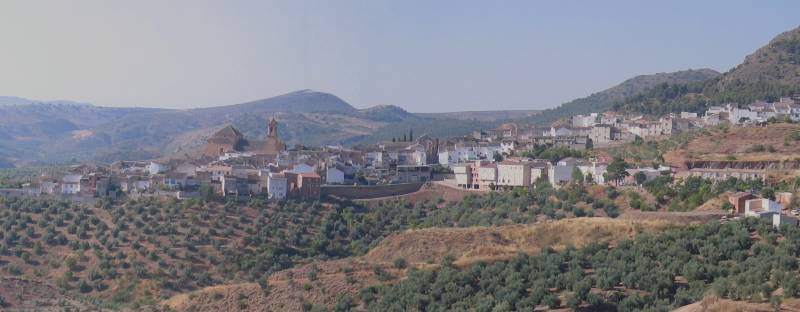
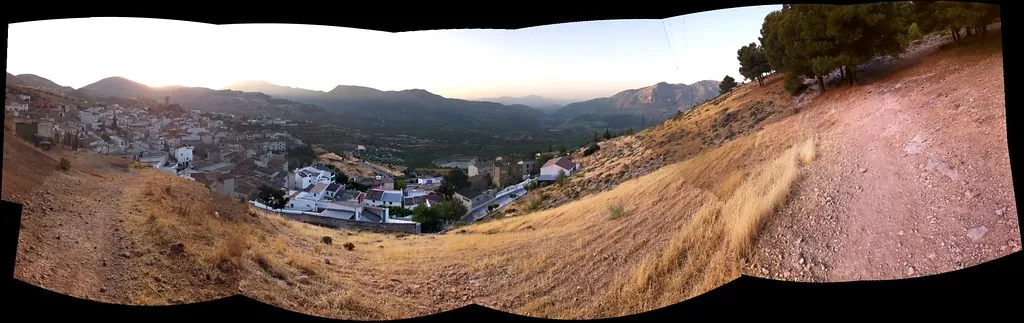
At seven in the morning, Pegalajar is still half asleep. Light slips through the olive trees and catches the pale stone of the slope. From near the castle, the village falls away in a cascade of white houses, its streets twisting and climbing without much logic. Beyond it stretches the valley of the Guadalbullón, a patchwork of market gardens and olive groves that shifts in colour with the seasons.
Walking here takes time, partly because the ground demands it. Short but steep slopes, uneven steps and sudden turns shape your pace. You learn to listen for the scuff of your own shoes on the stone.
Stone and shadow in the upper streets
The church of Santa Cruz stands where a fortress once did. Its bell tower reuses part of that defensive structure; you can see it at the base, where thicker walls of irregular stone remain. Around it, whitewashed façades bounce back the midday light with an intensity that makes you squint.
In the Atalaya district, some houses still include caves carved directly into the rock. Many families lived in them throughout the nineteenth and much of the twentieth century. A few are still inhabited. Stepping into one, the temperature drops sharply. The air carries a distinct scent, a mix of damp earth and old wood that stays in your clothes.
The sound of water in the orchards
Calle Real leads down towards a ravine where Pegalajar’s historic orchards begin. The shift is immediate. The noise of the village stays above, replaced by the sound of water—a constant, quiet trickle moving through narrow irrigation channels called acequias. You can dip your hand in; it’s startlingly cold.
These cultivated plots are held in place by dry stone walls that form terraces along the slope. In spring, the area turns a vivid green. When almond trees blossom, the hillside fills with white and pink patches that last only a week or two before the wind takes them.
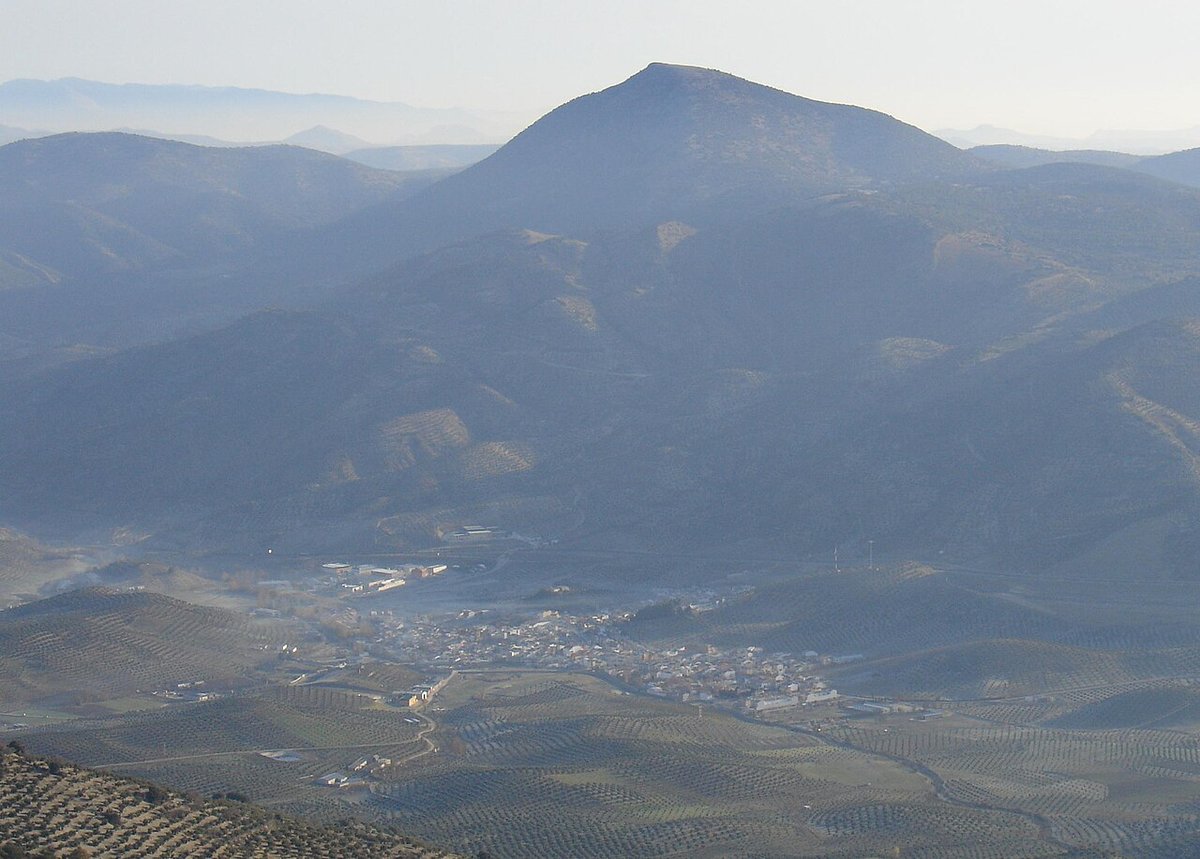
Paths cross this area and continue upwards towards the sierra. Signposting is sporadic; it’s best to walk carefully and avoid straying too far without knowing the terrain. As you climb, the view opens up. Jaén appears in the distance, while the surrounding hills are covered in olive trees that repeat endlessly until they fade into the haze.
A table set by the season
Food here follows the rhythm of the year. When colder weather arrives, you’ll find andrajos with game meat on tables, alongside thick stews where bread almost replaces a spoon. Lomo en orza, preserved under a layer of fat, is another traditional preparation you’ll see in homes more often than on menus.
On days when people gather, large pans of migas are often cooked outdoors over wood. The smell of garlic and toasted bread mixes with smoke, and it lingers in the square for hours.
Pipirrana has its own local version. It combines finely chopped tomato, pepper and hard-boiled egg, dressed with olive oil from the area. It’s served very cold, often in clay dishes that keep it fresh even when the sun is strong.
Early August: music from the castle walls
At the beginning of August, Pegalajar celebrates its fiestas dedicated to la Virgen de las Nieves. The pace shifts. Many residents who live elsewhere return, and the streets fill well into the early hours.
Music from a band carries across the square. Groups gather around long tables where it’s common for others to join, whether they know each other or not.
The view from near the castle at night brings it together. The village is lit up below, while sounds rise upwards: music, laughter from a nearby balcony, and the constant murmur of conversation that seems to come from everywhere at once.
When to go and where to walk
The journey from Jaén is short by car. The road gradually approaches Sierra Mágina, with a final stretch that climbs noticeably.
Leave your car in one of the lower areas and continue on foot. Many streets are narrow and steep enough to make driving through them more trouble than it’s worth.
Spring tends to be rewarding. The orchards are green and cool air comes down from the sierra. Summer brings a lively atmosphere, especially in August, though from about two until five in the afternoon, the sun falls directly onto the white streets and you’ll want to be indoors or under trees.
Winter nights turn cold easily—frost is common—even when temperatures in Jaén stay several degrees higher.
A pause in the square during a morning reveals Pegalajar’s rhythm. Neighbours stop to talk without hurry. Shopping bags sway from their arms as they climb back up towards home. Church bells mark time not as appointments but as intervals between one thing and another