Full Article
about Torres
Cherry town in a beautiful Sierra Mágina valley
Hide article Read full article
On the Southern Slopes of Sierra Mágina
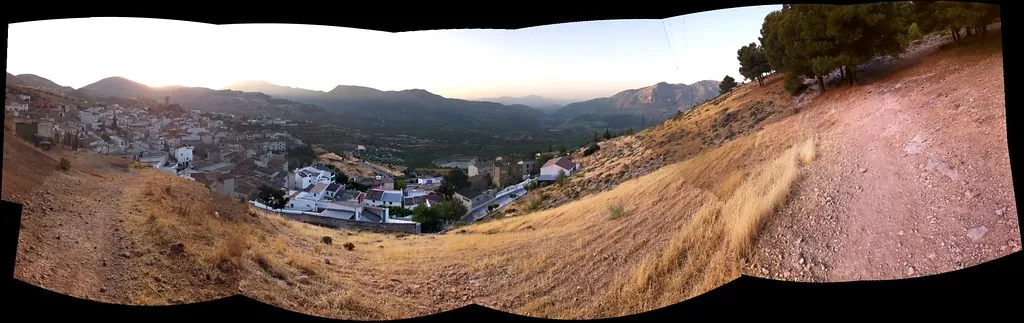
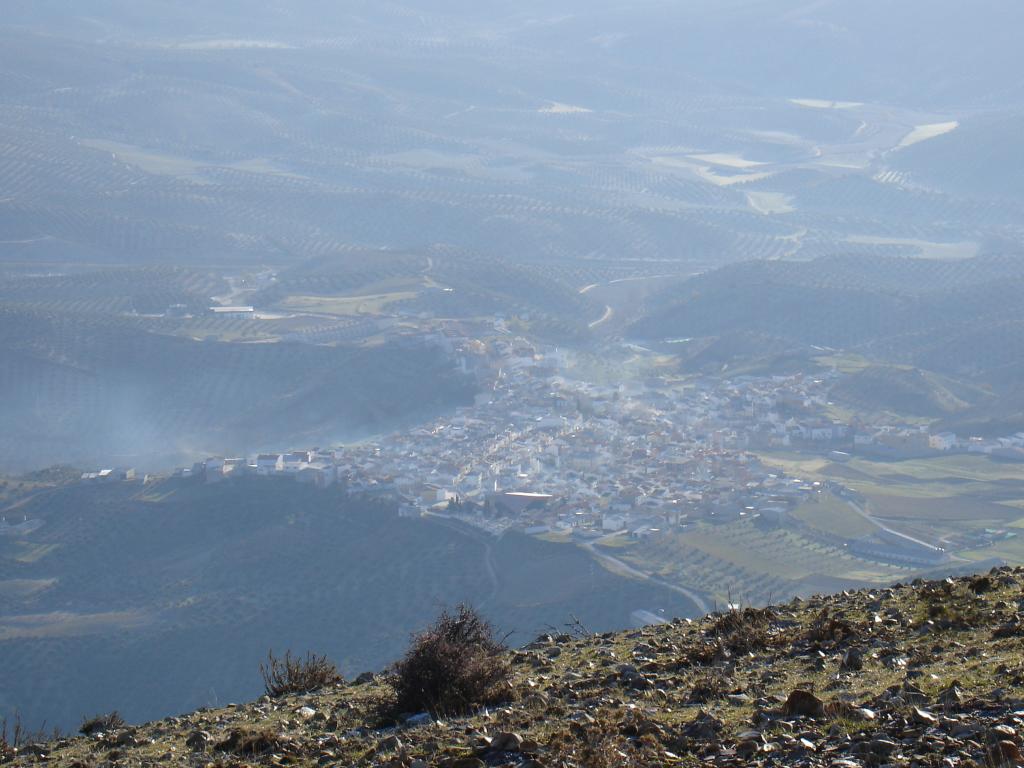
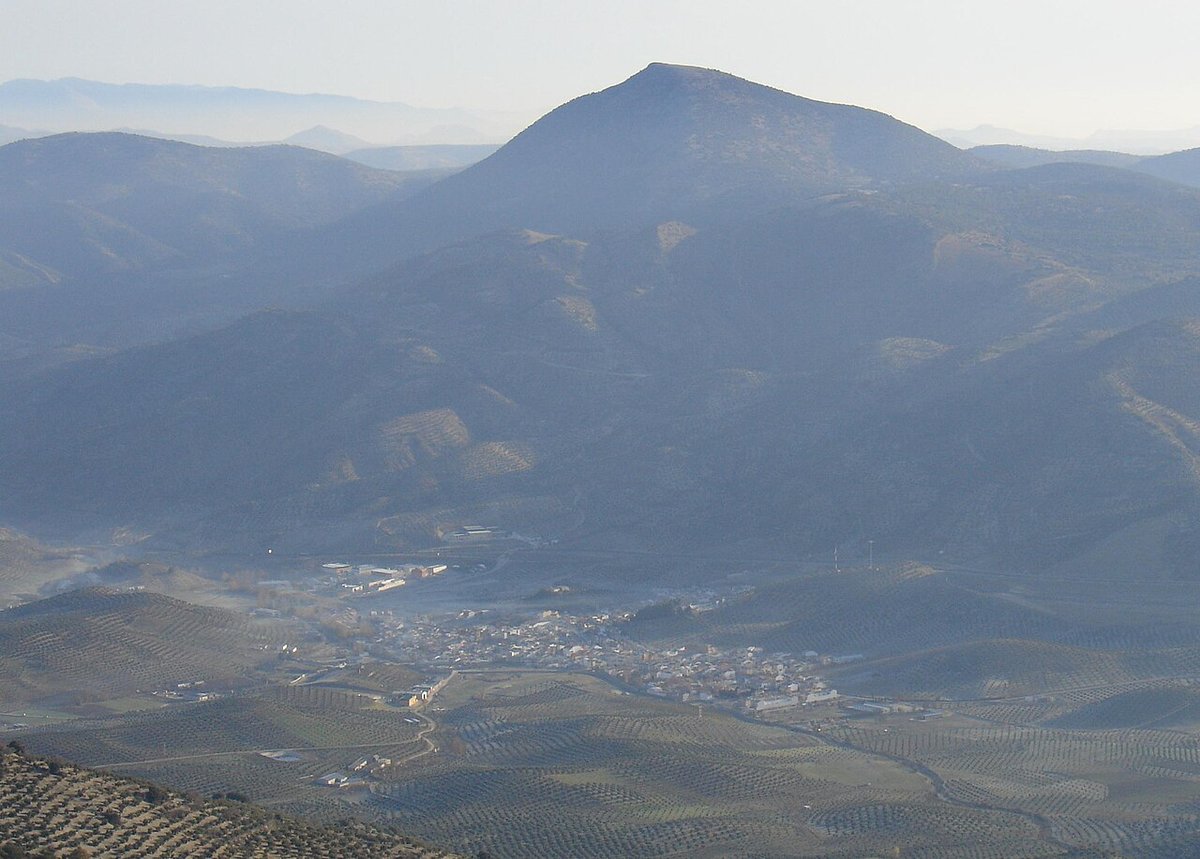
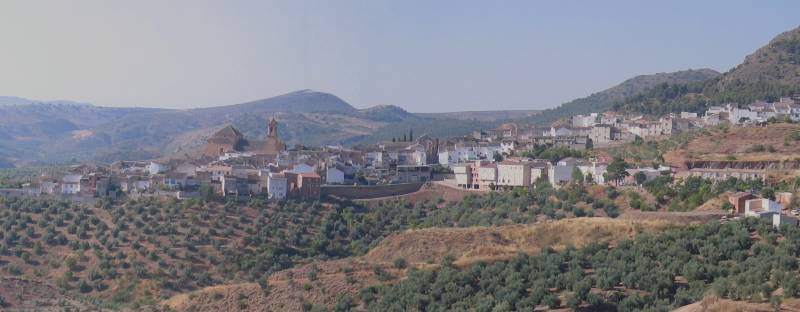
Torres lies on the southern side of the Sierra Mágina, in the province of Jaén, at an altitude of around 800 to 900 metres. Its position places it at a clear point of transition: below stretches the vast expanse of olive groves that define much of Jaén, while above rise the first slopes of the natural park. The village quite literally sits between two landscapes.
That setting explains much about its shape. Torres climbs the hillside in a compact cluster of houses, with streets that rise and fall according to the terrain. There is no rigid grid. Instead, the layout follows the contours of the land, adapting to the incline rather than reshaping it.
Historically, the municipality has been closely linked to agriculture, particularly olive cultivation, along with the natural resources of the nearby sierra. In a province where dry farming dominates, the presence of water around Torres has been significant. Springs and small market gardens still appear in the surrounding area, reminders of sources that supplied the village for generations. Water is not abundant everywhere in this part of Jaén, which makes its local availability all the more notable.
The result is a place that reflects both its agricultural roots and its mountain proximity. Olive groves mark the lower ground, while the higher slopes hint at a different environment altogether.
The Church and the Shape of the Old Town
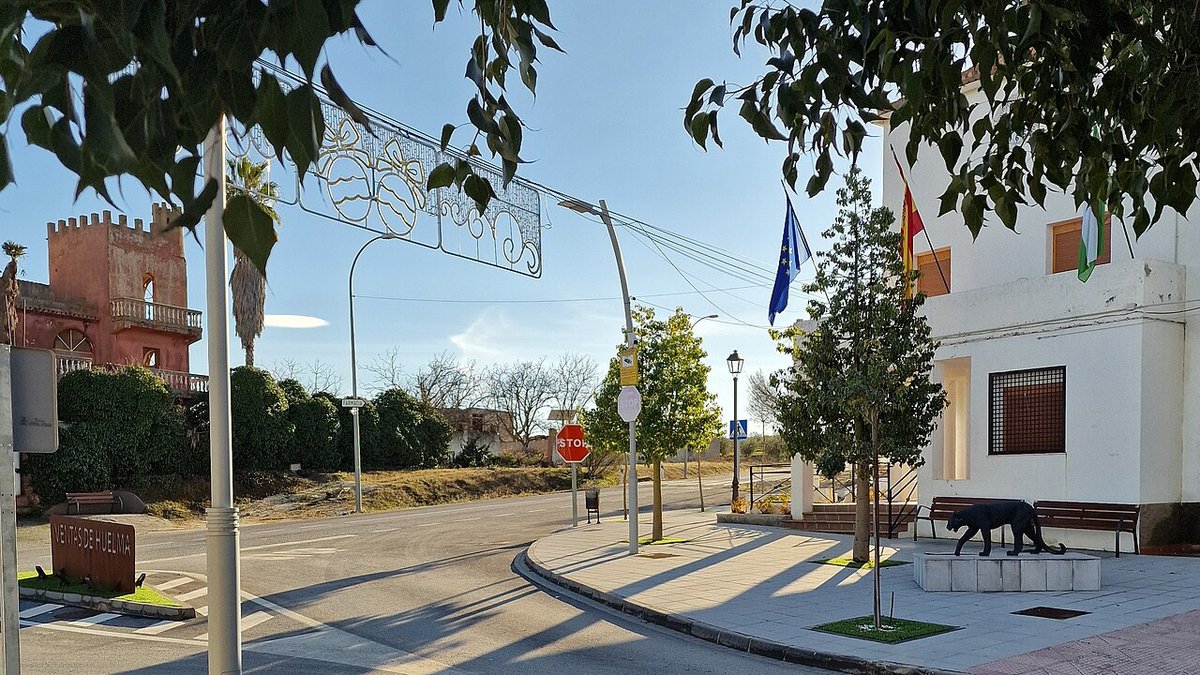
At the centre of Torres stands the Iglesia de San Miguel Arcángel. The current building dates back to the 16th century, although later alterations have changed parts of its appearance. It is not a grand cathedral or a monumental landmark in scale. Even so, it forms a clear point of reference within the village. Its tower can be recognised from various points along the hillside, rising above the white façades around it.
The old quarter retains an irregular layout shaped by the incline. Streets are narrow and, in some stretches, still preserve traditional cobbled surfaces. Walking here means accepting constant slopes, with turns that reveal short flights of steps or tighter passages between houses.
The buildings follow the familiar pattern of mountain villages in Jaén: whitewashed façades, moderate heights and tiled roofs. There is little excess or ornamentation. The overall impression is practical and adapted to climate and terrain.
Higher up, small open spaces appear between the houses. From these points the view opens towards the valley of the Guadalquivir. The contrast becomes clear: behind lies the rising mass of Sierra Mágina, while ahead extends an almost continuous sea of olive trees. Few places illustrate so directly the meeting point between mountain and cultivated plain.
Gateway to Sierra Mágina
Torres also functions as one of the usual access points to the Sierra Mágina natural park. Paths and tracks leave the outskirts of the village and head into the hills, first threading through olive groves and then entering areas of pine woodland and Mediterranean scrub.
Some traditional routes connect with well-known water areas in the region, where the relief changes noticeably compared with the agricultural landscape of the valley. Within just a few kilometres, the shift from olive groves to mountain terrain becomes apparent. That short distance between two very different environments is one of the defining features of this part of Jaén.
In the milder months, it is common to see local residents walking these paths or heading towards the springs. The initial sections are not particularly technical, making them accessible for a general countryside walk. As altitude is gained, however, the terrain becomes more demanding. Slopes steepen and conditions can change quickly.
The proximity of the sierra shapes daily life as much as it does tourism. The mountains are not a distant backdrop but a constant presence above the village.
Local Life and the Festive Calendar
The main patronal festivities are held around San Miguel at the end of September. During those days, Torres experiences a noticeable increase in activity. Many residents who live in other cities return, and events are spread across different squares and streets. Public spaces regain a central role, and the social life of the village becomes more visible.
August also concentrates part of the local social rhythm, as happens in many villages in the province. The softer night temperatures allow people to spend time outdoors, gathering in the street or in open spaces. This pattern forms part of the usual summer routine in the area, shaped by the climate and long daylight hours.
Semana Santa, or Holy Week, also has a place in the local calendar. Processions pass through the centre of the village, linking religious tradition with the streets of the old quarter. As elsewhere in Andalusia, these days mark an important moment in the year, even in smaller municipalities.
Throughout these periods, Torres reflects the broader cultural patterns of rural Jaén while maintaining its own scale and pace.
When to Visit and Practical Notes
Torres can be explored on foot without too much difficulty, although comfortable footwear is advisable. Slopes are constant, and even short distances can involve steady climbs.
Spring and autumn are generally the most pleasant times to move around the area and head towards the sierra. Temperatures tend to be milder, which makes walking more comfortable. In summer, the heat is less intense than in the valley below, thanks to the altitude. Even so, the central hours of the day can feel harsh when walking through exposed areas.
Winter brings lower temperatures, influenced by both altitude and the proximity of the mountains. Cold spells are not unusual, and conditions can shift quickly.
Anyone planning to venture into Sierra Mágina should check the condition of the paths and the weather beforehand. The sierra changes rapidly when fog or rain sets in. What begins as a clear walk can become more challenging within a short time.
Torres does not present itself through grand monuments or dramatic urban spaces. Its appeal lies in its position between two landscapes, in the steady rhythm of agricultural life, and in the close relationship with the slopes of Sierra Mágina that rise just beyond its streets.