Full Article
about Bailén
Historic town known for the 1808 battle; major hub of ceramics and brickmaking.
Hide article Read full article
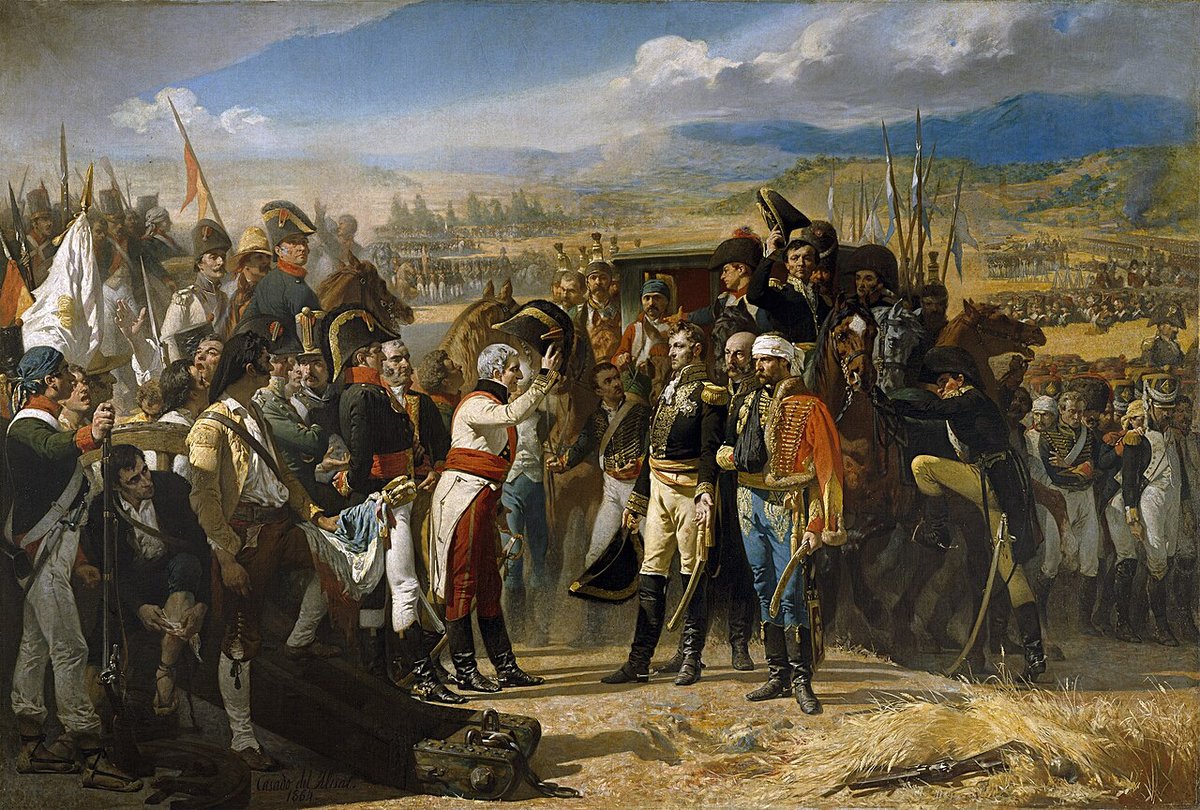
Aparca en el Paseo de las Palmeras. Suele haber sitio. Desde allí se ve que todo aquí gira alrededor de un día de julio de 1808. Sin la batalla, sería otro pueblo más del norte de Jaén.
No es un lugar con muchos monumentos. Es un pueblo andaluz que trabaja. Su identidad está atada a ese hecho histórico. Lo demás es vida normal.
Un centro que huele a ajo
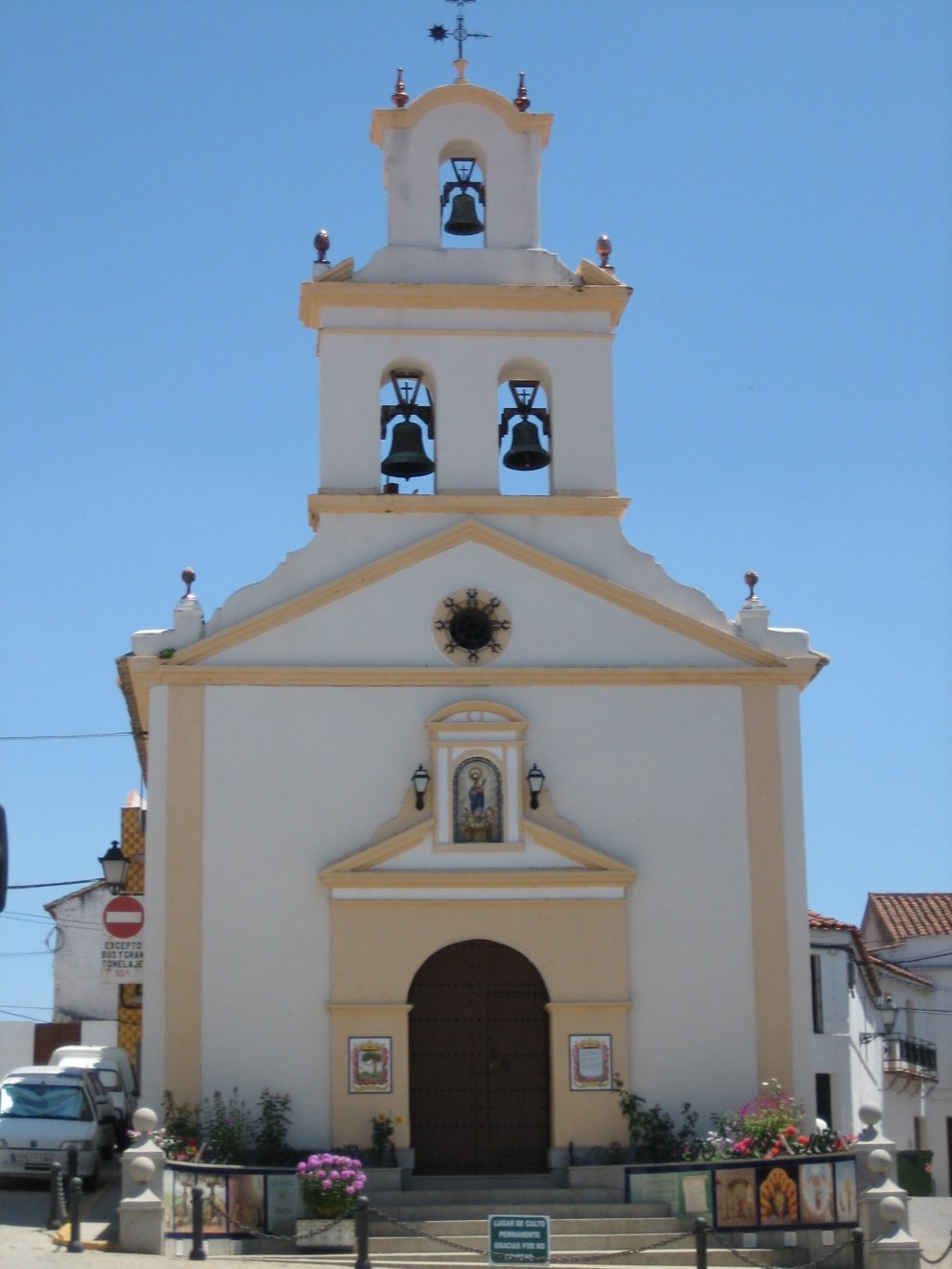
La plaza del Ayuntamiento es una glorieta con bancos de piedra. Pasan coches, charlan los vecinos. Ahí mismo está la Iglesia de la Encarnación.
Entra un momento. Reúne partes góticas, renacentistas y barrocas. No es una catedral, pero muestra siglos de reformas.
Debajo hay unas catacumbas del siglo XVI. La tradición dice que allí enterraron a María Bellido, la mujer que llevó agua durante la batalla. Historia o leyenda, su nombre pertenece al pueblo.
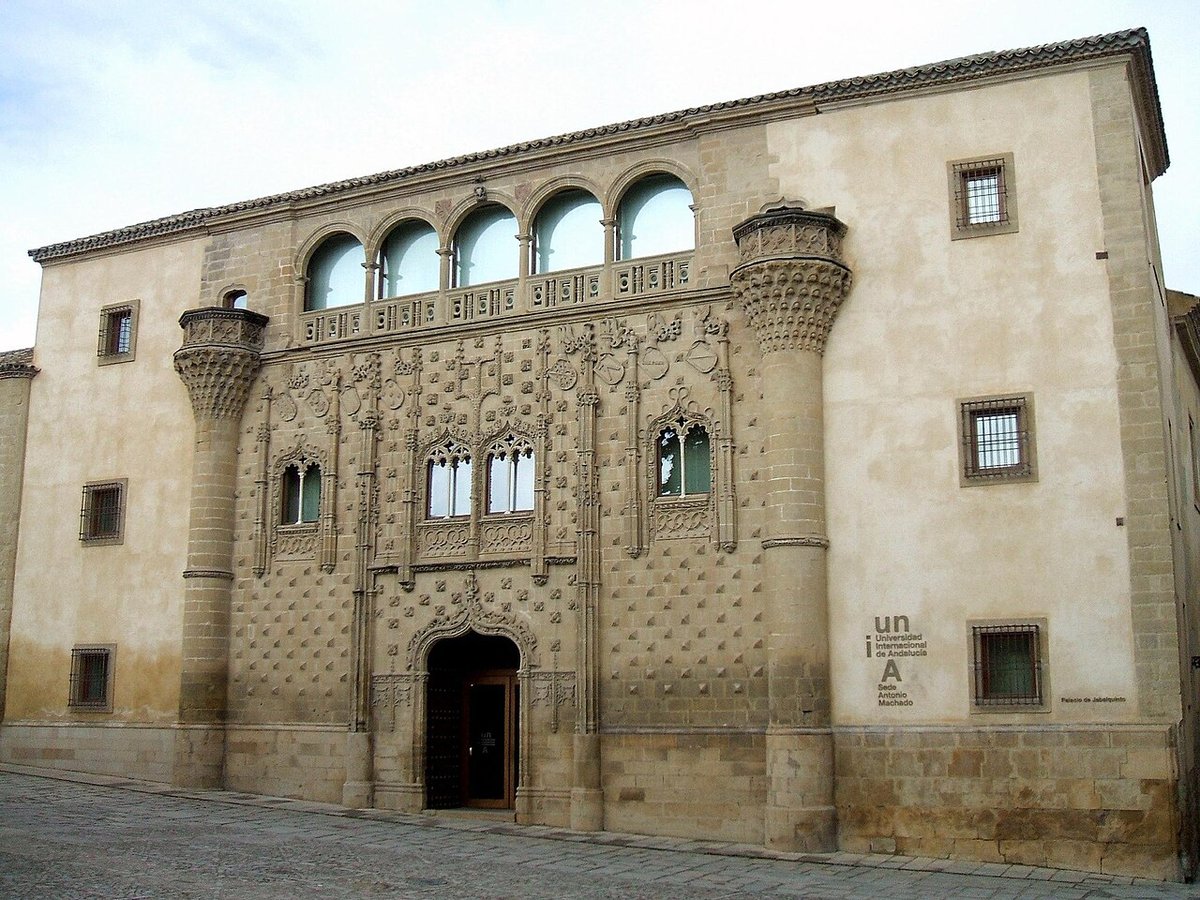
Al lado está el Palacio Ducal. Fue una fortaleza y luego residencia nobiliaria. Un escudo de piedra preside la fachada. A veces está cerrado por obras.
Camina por la Calle Real. Hay comercios antiguos y bares con ventanales hacia la acera. Al mediodía huele a fritura en el aire.
El museo con forma de cañón
El Museo de la Batalla está en la carretera hacia Andújar. El edificio imita un cañón, no por casualidad.
Dentro hay maquetas, uniformes y sables explicando los movimientos de tropas aquel día. Una sala interactiva muestra mapas iluminados. Los niños suelen entretenerse ahí. Explica cómo el ejército español derrotó a las tropas napoleónicas. Fue su primera gran derrota en campo abierto en Europa. Aquí lo recuerdan con orgullo evidente.
El museo da contexto al pueblo. Sin él, las calles parecerían anodinas. Con él, son el escenario donde empezó a torcerse la campaña napoleónica en España.
Cocina sin complicaciones
Aquí se usa mucho el ajo. Los andrajos de conejo son habituales: estofado espeso con trozos de masa y carne. La pipirrana lleva tomate, pimiento y cebolla; siempre con ajo al fondo. También verás talarines: fideos gruesos con conejo desmenuzado.
En temporada de matanza o con frío se comen gachas. Se hacen con harina de almorta, trozos de tocino o chorizo. Es comida contundente para gente que trabajaba el campo; no alta cocina.
No busques reinvenciones aquí. Los sabores son directos y las raciones generosas. El ajo está presente en casi todo.
Cuándo venir
Julio es duro por el calor intenso además del ambiente festivo por los actos bélicos coincidiendo normalmente hacia mediados del mes cuando hay recreación histórica: soldados vestidos para ocasión junto al humo pólvora mientras grandes multitudes observan desde lejos espectáculo gratuito aunque ruidosísimo quizás interesante solo si te importa realmente episodio histórico completo porque si no mejor evitar fechas señaladas así completamente llenándose calles hasta límites incómodos aparcamiento imposible entonces septiembre resulta más llevadero temperaturas bajan algo ritmo vuelve habitual calles tranquilas aparcar fácil otra vez enfoque regresa rutina diaria no espectáculo historia viva
Consejo práctico
Bailén se ve en medio día: centro urbano iglesia museo cubren lo esencial poco más queda ver si quieres caminar existe ruta ermitas cinco kilómetros sobre colinas bajas pasando varias ermitas blancas lleva agua verano termómetro ronda cuarenta grados mejor venir por mañana primero museo luego paseo centro después comida cargada ajos tras sobremesa pueblo entra siesta vacía mitad calles esa tranquilidad no molesta para entonces ya habrás visto sitio donde historia Napoleón España empezó desmoronarse