Full Article
about Baños de la Encina
One of Spain’s prettiest towns; home to one of Europe’s best-preserved caliphal castles.
Hide article Read full article
A castle that looks unreal
“Is that a wall or a film set?” That’s what I said out loud when the Castillo de Burgalimar came into view. Everyone in the car went quiet for a second. It’s one of those sights you have to process: fifteen square towers and a long, low wall sitting on a hill, looking less like ruins and more like someone just finished building it last week. Except they finished it in the 10th century.
This is Baños de la Encina. The castle is the reason you’ve probably heard of it, and it’s the reason most people bother to turn off the highway from Jaén. It feels too complete, too imposing for a place this small.
Why the 'Encina' got added on
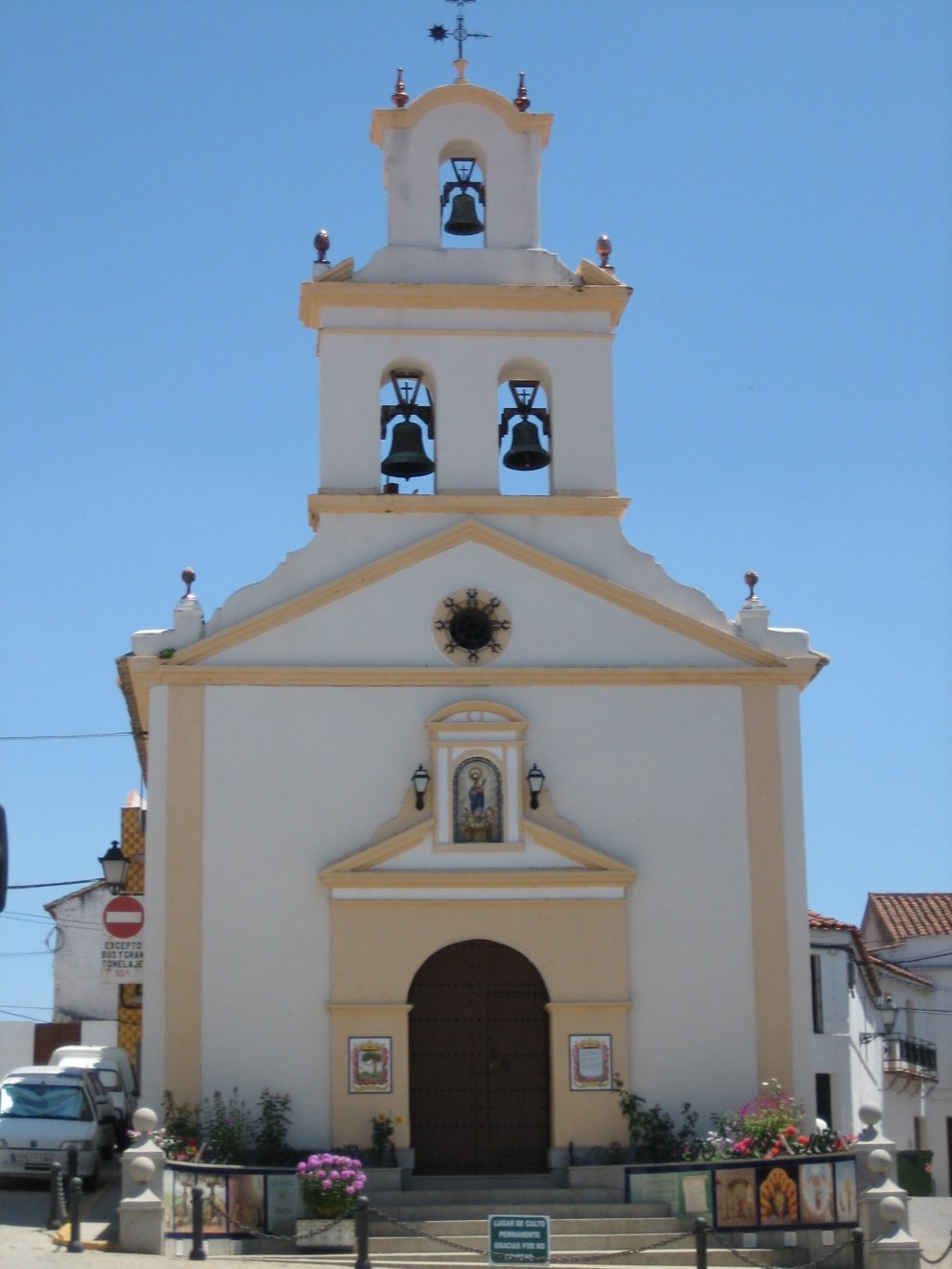
For ages, the village was just called Baños. The "de la Encina" part got tacked on officially in the 20th century, all down to the local devotion for their patron saint, the Virgen de la Encina. It’s the kind of detail that reminds you this isn't just a historic site; it's someone's hometown.
And that history goes way back. We're talking cave paintings in the nearby hills and signs of ancient mines. People have been hanging around this spot for millennia, which makes sense once you see the lay of the land.
But walking its streets today, you don't get a museum vibe. Just over two thousand people live here. The houses are white, the streets are narrow and go uphill (always uphill), and life has a different tempo. Coming from Jaén city, the silence is the first thing you notice. Then you see people actually stopping to talk on their way to buy bread.
Burgalimar without the fanfare
Let's be clear: you come here for the castle. But visiting feels nothing like queuing for a major monument. On a regular Tuesday morning, you might have the place to yourself apart from a local walking their dog along the walls.
What’s striking is how much of it is still here—the walls, most of those iconic towers, even old cisterns inside. The keep is a later addition from after the Christians took over. Climbing up there is when it clicks: you see why this spot was chosen. The view is just an endless ripple of olive groves in every direction, like a green ocean.
Getting in is usually simple. If there's an entrance fee, it's minimal—the kind of coin money that goes towards keeping the stones in place. Don't expect audio guides or flashy exhibits. You get stone, wind, and a view that hasn't changed much in centuries.
Eating by the seasons
The food here follows an old-school logic: hearty, uncomplicated, and designed to stick to your ribs. This is Sierra Morena cooking.
Order gachas de matanza and consider your day's eating done—it’s a meal that sits with you. In winter, migas are on every menu. And save room for sweets like pestiños, those honey-soaked pastries that laugh at the idea of moderation.
The drill is straightforward: pop into a bar around lunchtime, ask what they've made today ("¿qué hay de cocido?"), and say yes. It could be stewed rabbit one day or kid goat another. There's no fuss, and it’s almost always good.
When spring turns up the volume
If you want to see Baños de la Encina shift gears, come during spring for its romerías. That's when this quiet village remembers how to throw a party.
The countryside around town fills with families, horse-drawn carts decked out in ribbons, and long communal tables where food seems to travel from one group to another by itself. People who moved away come back for these days. The bars are full, music spills into plazas that are usually dead quiet by 10 PM, and everything runs on a different clock.
Then Monday comes, everyone goes home or back to work, and the village exhales.
A stop that knows what it is
Baños de la Encina isn't trying to be Granada or Úbeda. You won't find it plastered all over Instagram travel pages.
But something sticks with you after you leave. Maybe it's seeing that castle from your car window looking impossibly grand. Maybe it's getting lost in streets so steep your calves complain. Maybe it's just having lunch without checking your phone because there's no signal anyway. If you've got an afternoon free after eating,there are easy walks right out of town into olive country,past old water mills slowly falling apart.
That’s really what this place does best:it works as a perfect half-day detour.See the castle,wander,pick somewhere for lunch,and stare at those olive groves from above for awhile. Sometimes,a few hours off route is all you need