Full Article
about Castilblanco de los Arroyos
Key stop on the Vía de la Plata Camino de Santiago, ringed by dehesas and known for its cheese and honey.
Hide article Read full article
A quiet village with one very wet day
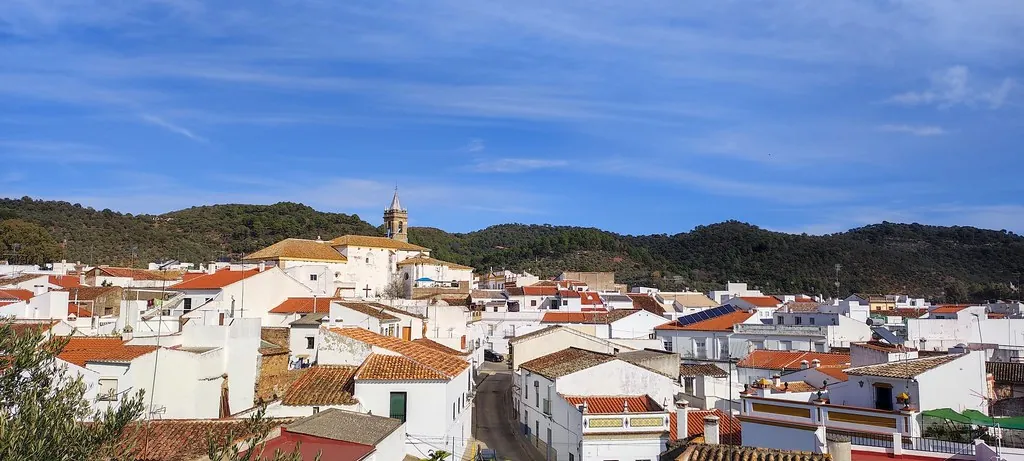
Castilblanco de los Arroyos sits in the Sierra Norte of Seville with an easygoing rhythm for most of the year. It feels like the sort of place that keeps its voice low and its routines steady, until one date on the calendar changes everything.
On the last Saturday of July, the Fiesta del Agua takes over. This is not about big stages or headline acts. It is closer to a full-scale water fight that has outgrown the playground. Hoses, buckets and anything that can drench another person are fair game. The Plaza Amarilla turns into a temporary pool and, for a few hours, everyone accepts getting soaked. Even the mayor is not off limits if he happens to be nearby.
Outside that day, things slow right down. Castilblanco is one of the places passed by those following the Vía de la Plata, the historic route towards Santiago de Compostela. Pilgrims arrive looking slightly unsure of where they have landed, then leave a little more settled. There is a municipal hostel intended for people on the route, though space is limited and it fills easily during busier periods such as Easter or the autumn months.
Layers of history, with a familiar name
The past here does not always show itself in grand monuments, but it is present. The Romans moved through this area, and there is talk of remains from a rural villa as well as old livestock paths that eventually became part of larger routes across the peninsula.
A more unusual chapter comes much later. At the end of the 16th century, Miguel de Cervantes travelled through towns like this one while working as a tax collector for the Crown. It is an odd image to picture now, the future author of Don Quixote knocking on doors to discuss payments and accounts.
One building that does stand out is the church of the Divino Salvador. Its construction began in the 16th century and it has changed over time, shaped by successive alterations. Inside, there is an old image of the Virgen de Gracia, an object of strong local devotion that still draws attention today.
Walking routes where the signal fades
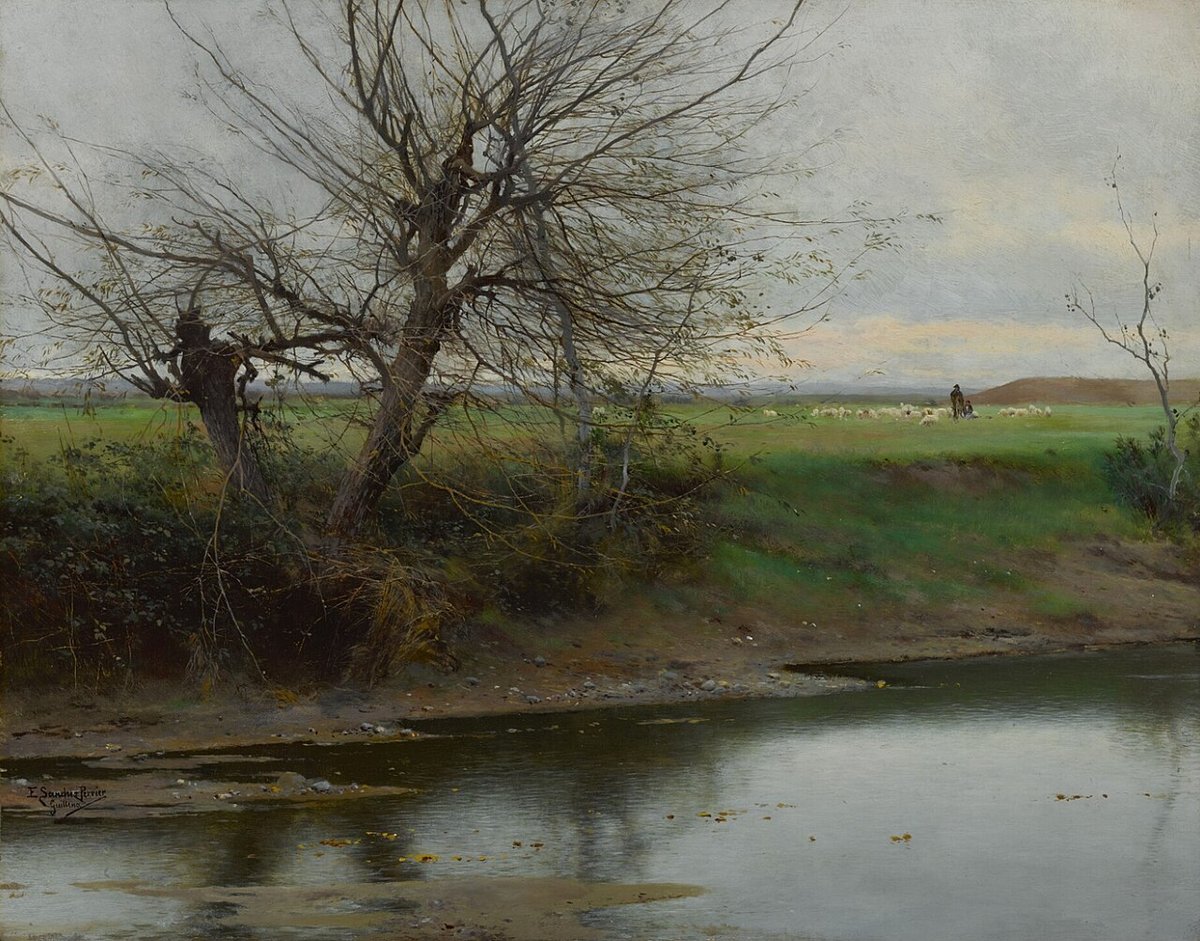
The surrounding landscape makes Castilblanco a practical base for walking. Several marked trails leave from the village and head into dehesa countryside, across streams and along older paths that have been used for generations.
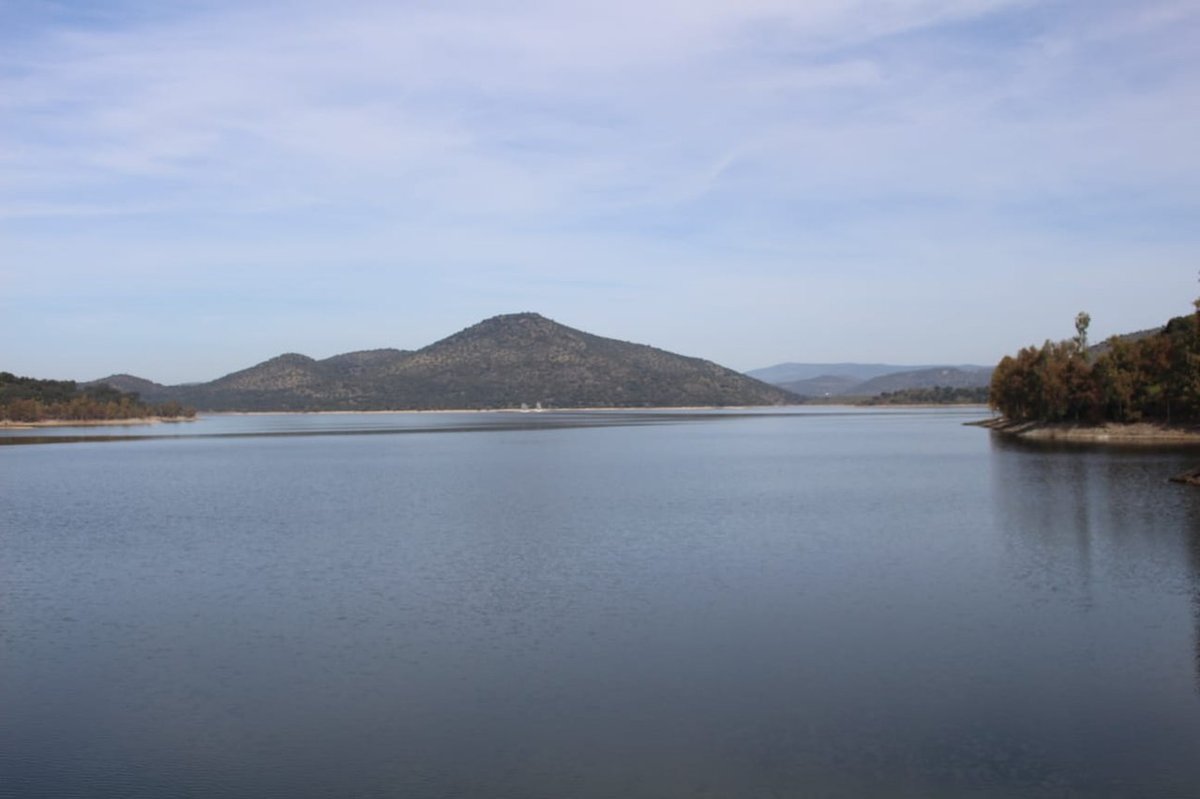
One of the better known routes leads towards the area around the Los Molinos reservoir. The round trip is roughly eight kilometres. It tends to start with energy, dip into second thoughts halfway through, then finish with the feeling that better footwear might be a good idea next time.
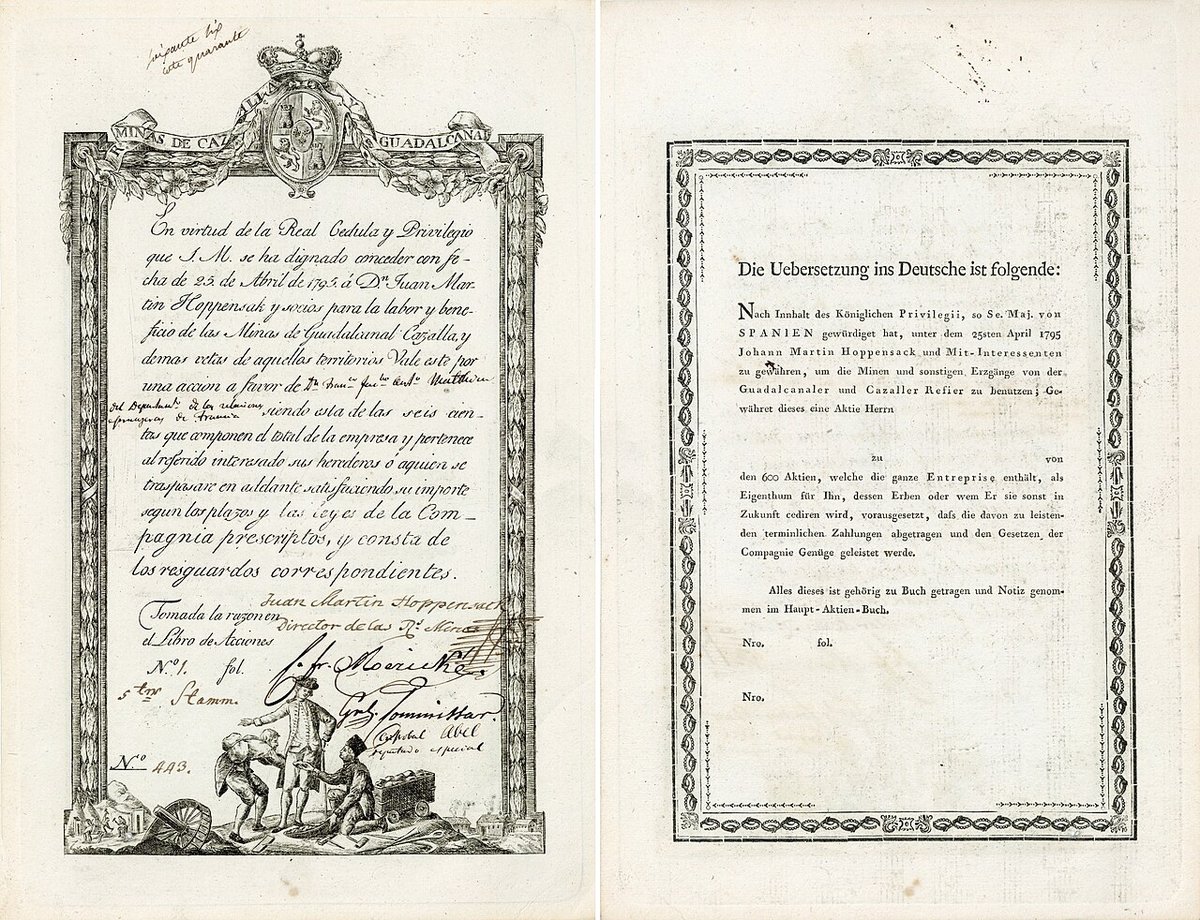
Another path heads towards the former mining area of Herrerías. The scenery shifts noticeably here. There is denser vegetation, a more enclosed feel to the terrain, and visible traces of past mining activity. It is a longer walk, and carrying water is important, as mobile coverage comes and goes without much warning.
For those following the Vía de la Plata, the next stage to Almadén de la Plata stretches to around twenty kilometres. It is one of those days where settlements are scarce and the landscape takes over completely.
Food that goes straight to the point
Cooking in Castilblanco does not try to impress on appearance. It is straightforward and filling, shaped by the surrounding hills.
Gazpacho serrano is a good example. It arrives hot, which can surprise anyone expecting the chilled version found elsewhere in Spain. Bread and tomato form the base, with pieces of cured meat floating through it. It is a dish built for substance rather than presentation.
Another local staple is conejo al monte, rabbit cooked with aromatic herbs typical of the sierra. The scent is noticeable before the plate even reaches the table, with flavours that lean strongly towards the countryside.
For something sweet, there are venteras. These are small pastries filled with cabello de ángel, a thick, pale pumpkin jam, and finished with sugar on top. They have a habit of disappearing quickly once opened.
During Semana Santa, several brotherhoods take to the streets in religious processions. The scale is smaller than in a large city, and that changes the atmosphere. People know each other, greetings travel between balconies, and the pace adjusts if needed.
Choosing the moment
Spring is often the easiest time to enjoy Castilblanco. The Sierra Norte turns green, streams carry water and walking is more comfortable without intense heat.
Summer brings higher temperatures, but it also coincides with the fair dedicated to the Virgen de Gracia, usually held between the end of July and the beginning of August. During those days, the village shifts into a different mode. There are fairground stalls, music, rides and a noticeable increase in activity across the streets.
For a quieter visit, a weekend outside peak festivities shows a more measured side of the place. The pace returns to normal, the paths remain open, and daily life continues without much interruption.
Castilblanco de los Arroyos does not rely on spectacle to hold attention. Its appeal comes from contrast: long stretches of calm broken by a festival where water takes over, simple food that challenges expectations, and a setting where history appears in fragments rather than grand displays.