Full Article
about El Madroño
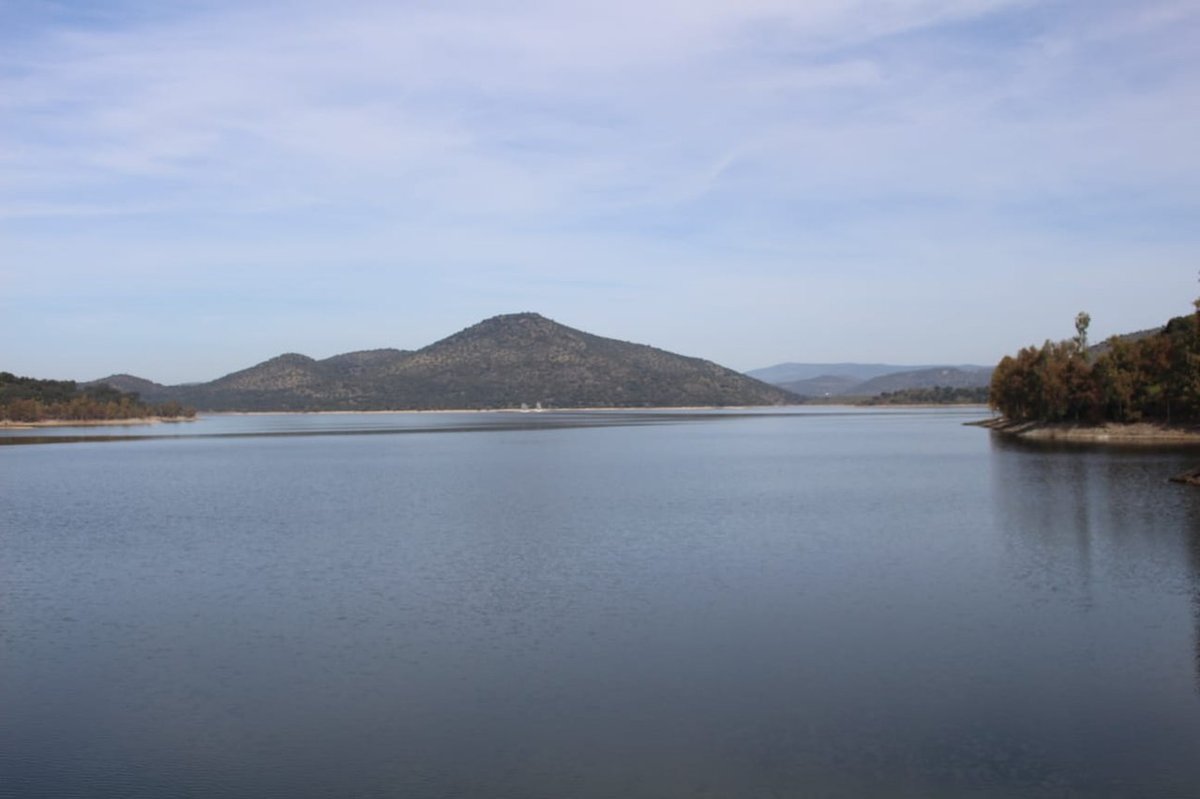
The smallest and westernmost municipality in the province, set in a very quiet landscape of holm oaks and cork trees.
Hide article Read full article
A slow morning in the Sierra Norte
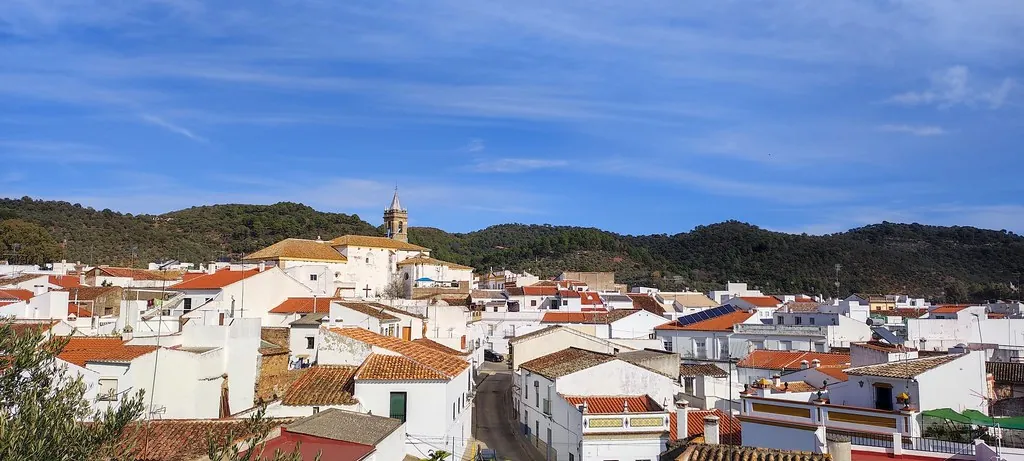
Early in the day, when the sun still sits low in the east, El Madroño appears among holm oaks and cork oaks with a quiet that almost settles in the air. Whitewashed façades reflect a soft light, and the dirt tracks still hold the dampness of the night. If someone passes, it is usually a local driving slowly or the distant sound of a cowbell. The rest of the time belongs to birds and the wind moving through the tree tops.
This small municipality in the Sierra Norte de Sevilla has around 286 inhabitants, spread between the main village and several hamlets and farmsteads scattered across the area. A wide dehesa surrounds it, a traditional landscape of pasture dotted with old holm oaks and patches of Mediterranean scrub where cork oaks, rockroses and, occasionally, strawberry trees grow. These madroños give the place its name. Life here remains closely tied to the land, with livestock, small-scale farming and work linked to the countryside shaping the rhythm of daily life.
The village and its church
At the centre of the main settlement stands the parish church of the Inmaculada Concepción. Its whitewashed walls stand out against the dark green of nearby pines, and from certain points in the village the pale volume of the building rises clearly above the houses. Inside, the space is simple, with wood, white walls and a calm atmosphere that tends to hold even on busier days.
The surrounding streets are short and quiet. Low houses line the way, with small courtyards where the sound of chickens sometimes carries or where plant pots sit neatly arranged against the walls. It does not take long to walk through the village, though it is worth doing so slowly, especially towards evening. At that hour, the sun filters between the façades and turns the dust on the रास्त into shades of orange.
Paths through dehesa and scrubland
The surroundings define the character of El Madroño more than anything else. Rural tracks lead out from the village across estates, gentle hills and small streams that only carry water regularly during rainy periods. Not all of these paths are signposted, and some narrow until they become little more than trails threading through rockroses.
Walking here has a very specific feel. There is the smell of dry earth, the crunch of leaves underfoot and the steady hum of insects on mild days. At times, fenced areas appear with cows or horses grazing. At others, the path suddenly opens to reveal hills covered in holm oaks stretching as far as the eye can see.
Those heading out late in the day should plan to return before nightfall. Light fades quickly among the hills, and mobile coverage can be unreliable in some areas.
Autumn colours and mushroom season
The village takes its name from the madroños, or strawberry trees, that grow in parts of the municipality. In autumn, their red fruits appear against the dark green leaves, and many fall to the ground, mixing with dry foliage. They do not form large forests, but small clusters where the colour stands out clearly.
The same season draws people interested in mushrooms. After the first autumn rains and through winter, different species appear in clearings and beneath cork oaks. Experience matters here, or the company of someone who knows the terrain well. The countryside holds both highly valued varieties and others best left untouched.
Food shaped by the land
Local cooking relies on what the surrounding land provides. Stews made with small game appear when the season allows, alongside thick soups prepared with stale bread. Honey produced in the area and homemade sweets made with nuts also form part of the local table. Work in the olive groves marks another point in the agricultural calendar, as does the harvesting of cork from the cork oaks in the years when it takes place.
Festivities and the rhythm of the year
The festive calendar remains simple. In December, the feast of the Inmaculada Concepción brings religious events and family gatherings. August changes the atmosphere. Relatives who live elsewhere return, and nights stretch out into the streets, with conversations lingering in the warm air after the heat of the day fades.
Semana Santa, or Holy Week, is observed in a more subdued way than in other parts of Andalucía. Processions move slowly through the narrow streets, keeping a quieter tone that fits the scale of the village.
Getting there and when to go
From the city of Seville, the journey takes around an hour and a half by car. The route combines motorway stretches with regional roads that become narrower as the landscape turns more mountainous. It is worth checking the route before setting off and avoiding leaving fuel too low, as services are limited in the final kilometres.
Spring and autumn tend to be the most comfortable seasons for walking. Summer brings strong heat in the middle of the day, while winter mornings can be cold and damp. Carrying water, some food and comfortable footwear is a sensible idea for anyone planning to spend several hours outside the village.
El Madroño does not aim to offer major attractions. What it offers instead is a broad landscape that is often quiet, where it is enough to pause for a while and notice how the light shifts across the holm oaks or how the wind sounds as it moves through the trees.