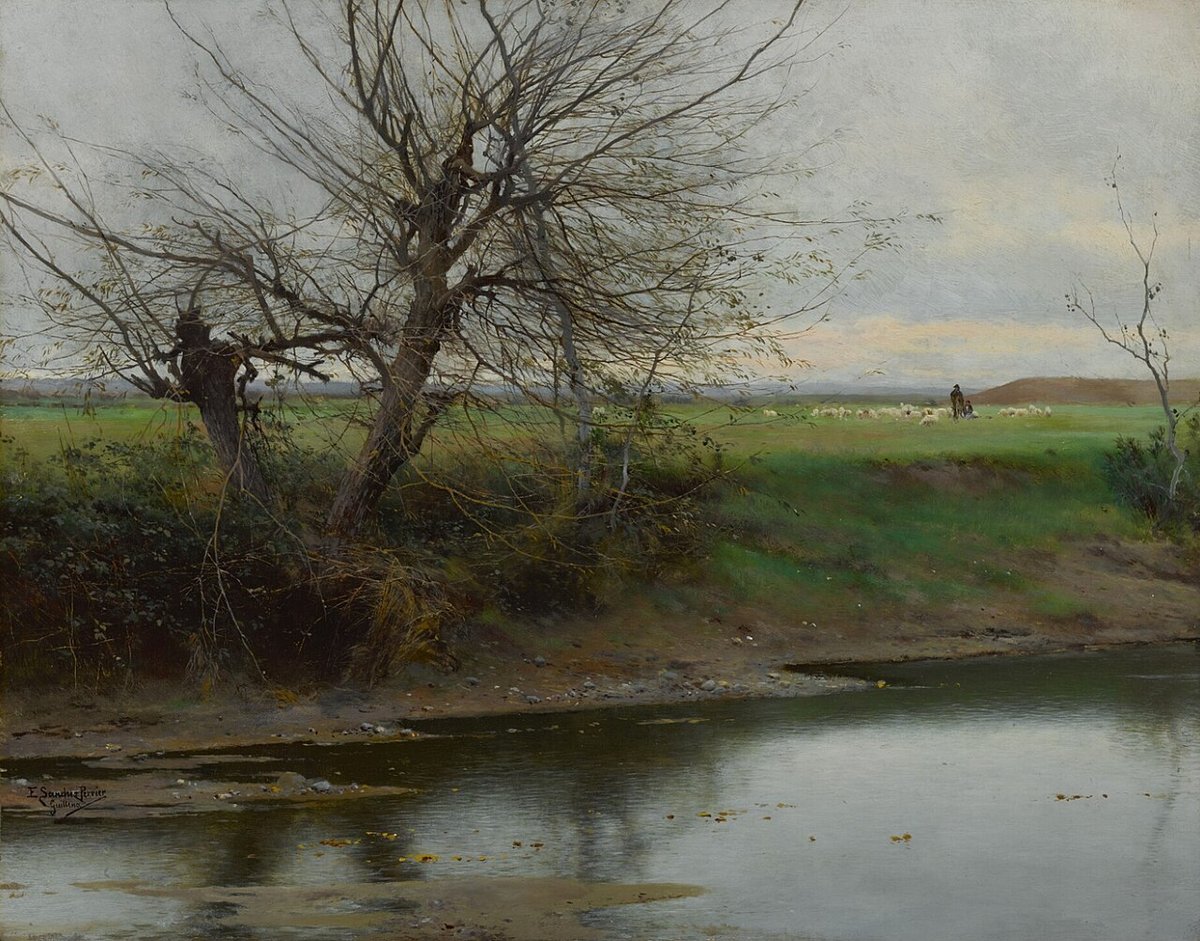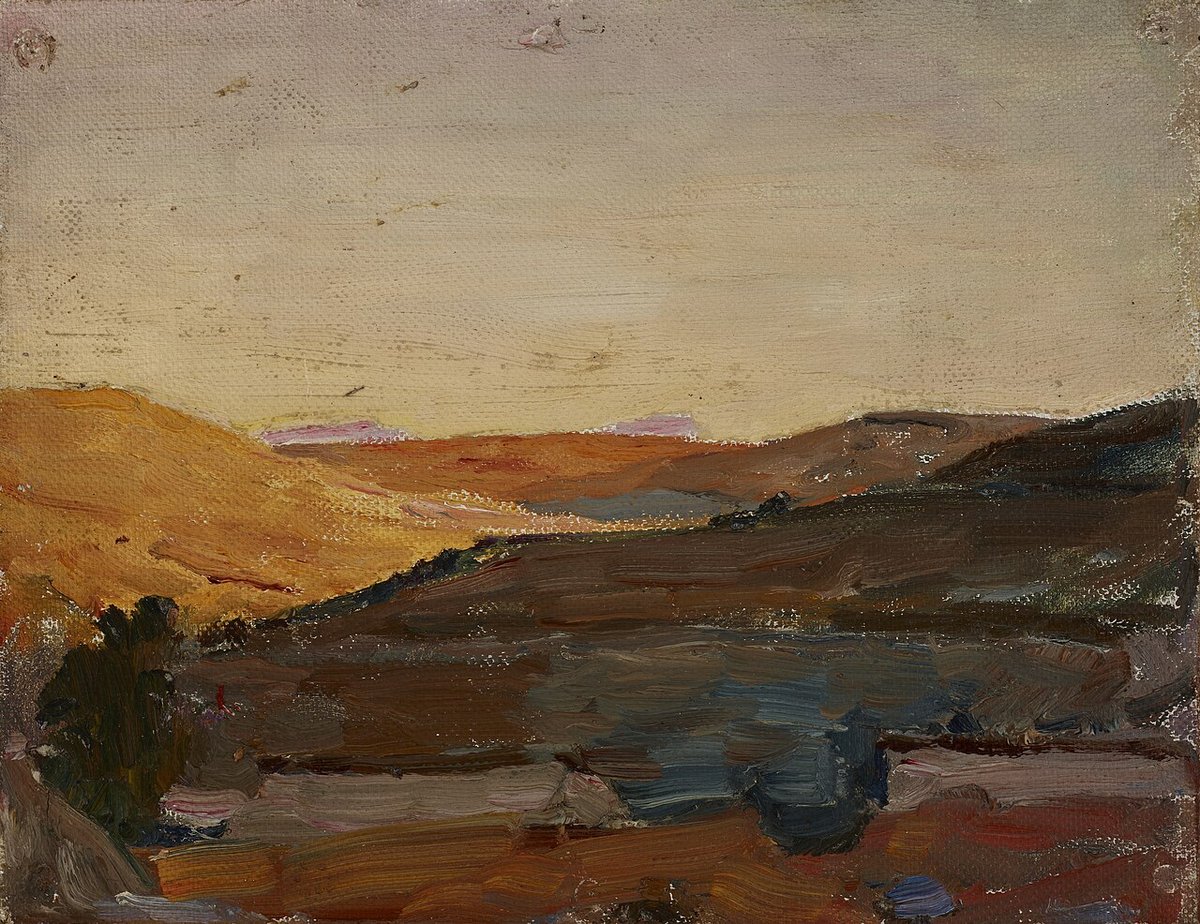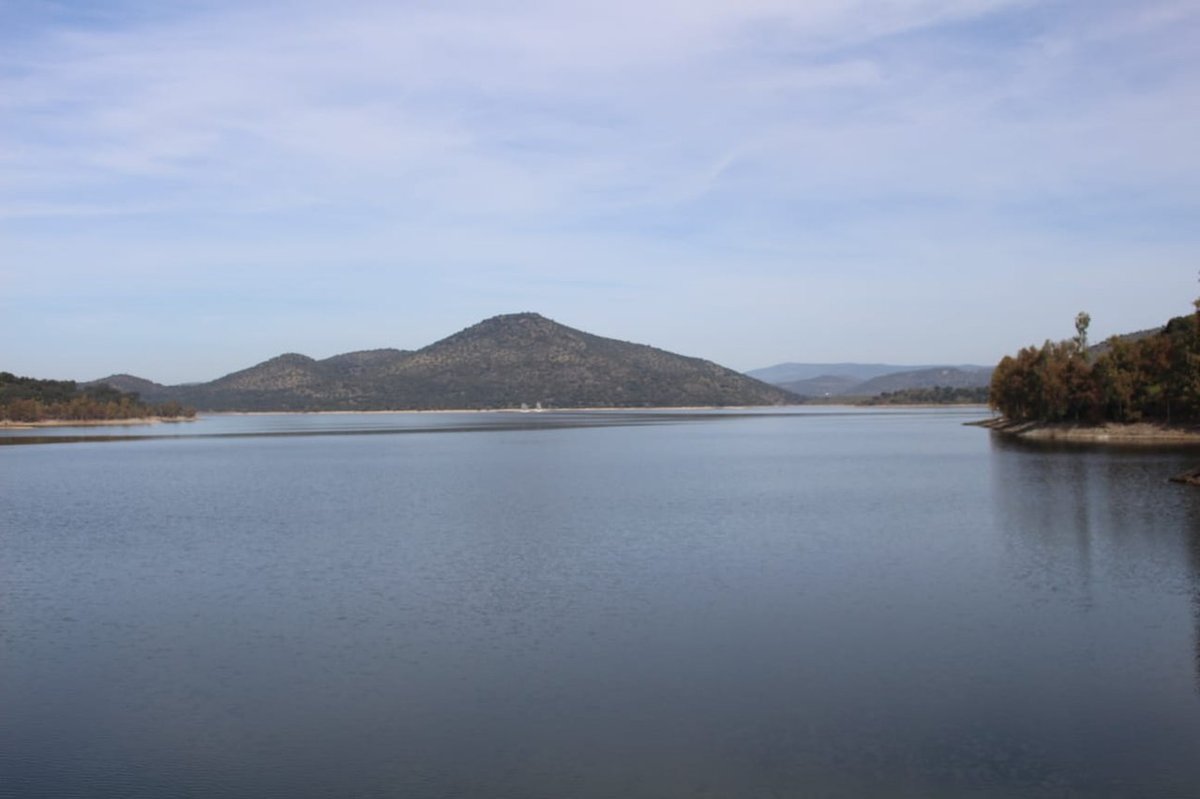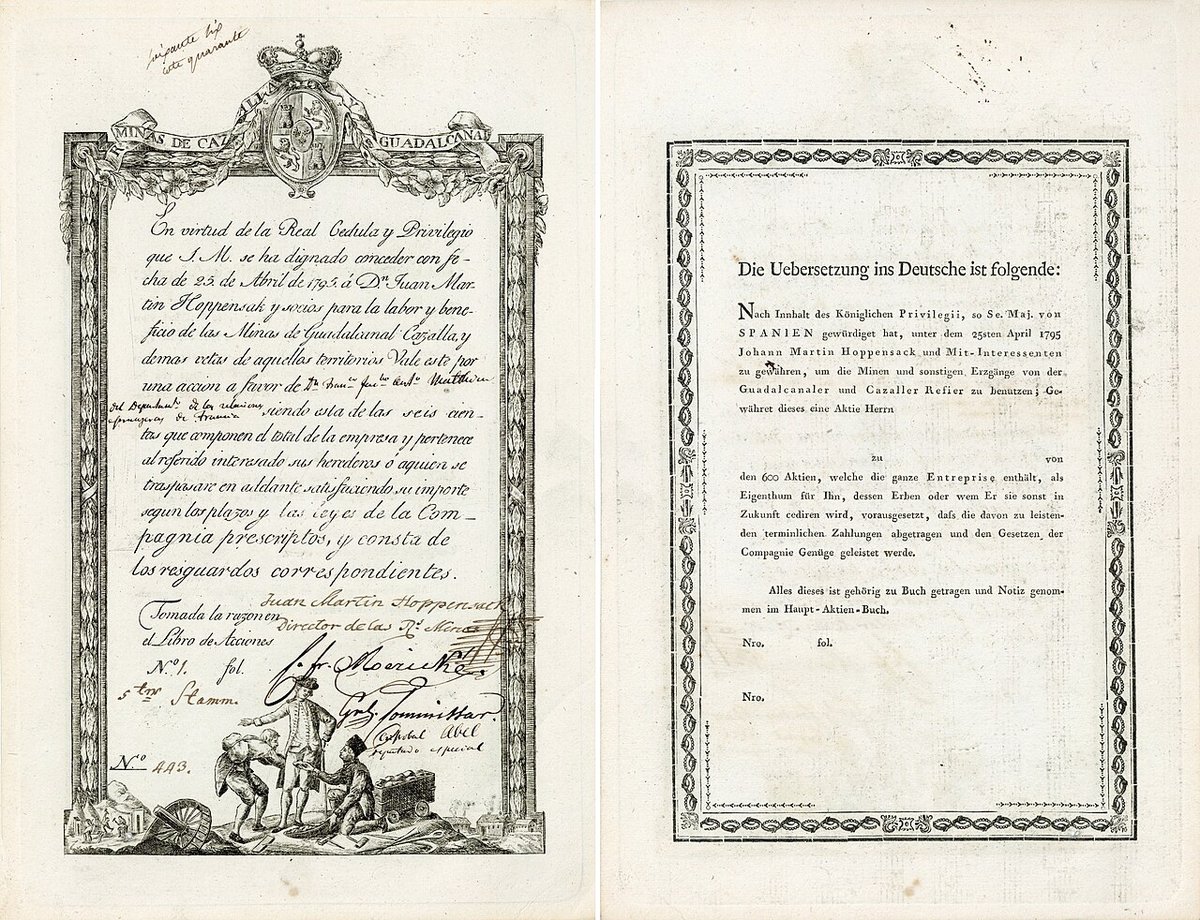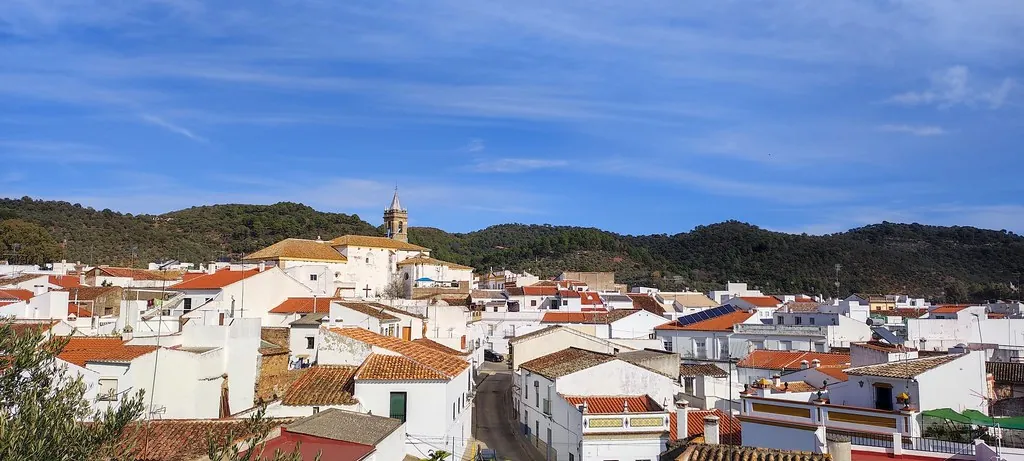
Vista aérea de El Pedroso
victorcameroruiz · Flickr 5
Andalucía · Passion & Soul

El Pedroso

The morning bus from Seville drops you at the edge of El Pedroso with a hiss of air brakes and the smell of hot diesel. Within five minutes you've ...

2,062 inhabitants · INE 2025
414m Altitude

Why Visit

Mountain Church of Nuestra Señora de la Consolación Trade Fair (December)

Best Time to Visit

autumn

Trade Fair (December) diciembre

Things to See & Do
in El Pedroso

Heritage

  • Church of Nuestra Señora de la Consolación
  • Humilladero Cross
  • Cartuja de Cazalla (nearby)

Activities

  • Trade Fair (December)
  • Hiking
  • Local cuisine

Festivals
& & Traditions

Fecha diciembre

Feria de Muestras (diciembre), Virgen del Espino (agosto)

Las fiestas locales son el momento perfecto para vivir la autenticidad de El Pedroso.

Full Article
about El Pedroso

Gateway to the Sierra Norte, known for its fair of local specialties and mountain cuisine.

Ocultar artículo Leer artículo completo

The morning bus from Seville drops you at the edge of El Pedroso with a hiss of air brakes and the smell of hot diesel. Within five minutes you've walked the length of Calle Real, past the single bank (closed for refurbishment since 2022), the Saturday fruit stalls unloading crates of bright green chard, and the bar where two men in camouflage are already drinking cañas at nine-thirty. The Sierra Norte de Sevilla rises immediately behind the last houses. No gentle introduction: the slope starts at the recycling bins and climbs 400 metres through cork oak and sweet chestnut before you've finished your coffee.

The Village That Works

El Pedroso doesn't photograph like the white hill towns of the southern provinces. Houses are whitewashed, yes, but many are half-rendered, showing stone the colour of digestive biscuits. Roofs carry TV aerials and solar water heaters rather than neat terracotta ridges. It looks lived-in because it is: under 2,000 permanent residents, plus seasonal forestry crews who book every room in August when the thermometer edges past 38°C.

The centre is the church square, Plaza de la Constitución. The Iglesia de Nuestra Señora de la Consolación squats at the top end, a 16th-century base with an 18th-century tower that leans slightly after the 1755 Lisbon earthquake. Inside, the air smells of candle wax and the stone floors are worn smooth by generations of procesiones. Services are loud: the priest uses a clip-on mic and the loudspeakers spill Sunday mass across the whole barrio.

Walk fifty metres east and you hit the corralón, the old livestock market. These days it's used for the evening paseo: teenagers circle on bikes while grandparents occupy the concrete benches. On summer nights the ayuntamiento projects films onto a portable screen; bring your own chair or borrow one from Bar Central in exchange for ordering a drink.

Walking Through a Working Forest

The real geography begins where the asphalt ends. A signed gate beside the cemetery marks the start of the Ruta del Corcho, a 7km loop through the dehesa that explains why El Pedroso exists at all. Cork oak (quercus suber) dominates: thick-barked trees harvested every nine years by axe teams who cut vertical and horizontal lines, then peel the cork away like orange skin. The first stripping happens when the tree is 25 years old; after that the forest becomes a slow-motion crop that outlives the farmers.

Information boards appear every kilometre in Spanish and surprisingly good English. You'll learn that a single cork can seal 10,000 bottles of wine, and that the same family may have harvested the same grove since 1890. Look for black stripes on the trunks: the year of last extraction painted in bitumen. The path climbs gently to the Cerro del Castillo, a limestone outcrop with foundations of a ninth-century Moorish watchtower. From here the view opens west across rolling pasture flecked with white farmsteads. On clear evenings the Guadalquivir plain glints silver 60km away; if the Poniente wind is blowing you can smell the orange groves around Constantina.

The circuit takes two hours at British strolling speed. Stout shoes are sensible: the ground is rocky and after rain the clay sticks like wet biscuit. Water fountains exist at kilometre 3 and 6; both are marked "no potable" so fill bottles at the public tap in the plaza before you set off.

Cold Water and Hot Dishes

Swimming in El Pedroso involves faith rather than facilities. Follow the road towards Cazalla for 2km, then take the unsignposted track opposite the brick factory. After five minutes the granite bed of the Arroyo del Pedroso appears: deep pools the colour of weak tea, shaded by oleander and willow. The water is spring-fed and never exceeds 19°C even in August. Local kids bomb from the higher rocks; visitors usually ease in with a gasp. There are no changing rooms, no bins, no lifeguard. Bring sandals: the stones are slippery and the occasional crayfish pinches toes.

Back in the village the gastronomy is emphatically seasonal. October menus list setas a la plancha gathered at dawn from the chestnut woods; by December the board changes to caldo de cardo, a thick thistle and chickpea soup designed for sierra nights that drop to 2°C. Year-round staples include carrillada (pork cheek stewed with bay and sherry) and patatas a lo pobre, potatoes softened in olive oil until they slump like English chips left in the pan. Portions are farm-hand sized; ordering a media ración still defeats most solitary appetites.

Vegetarians survive on revueltos: scrambled eggs with wild garlic, asparagus or mushrooms depending on the month. Vegan options remain theoretical unless you book self-catering. The single supermarket, Supermercado Aljarafe, stocks tofu only when the owner's daughter is visiting from Seville.

When to Come, When to Stay Away

April and May turn the sierra emerald and bring nightingales to the stream banks. Temperatures hover around 22°C at midday, ideal for the 14km trail to the abandoned mining hamlet of El Cerro del Hierro where Victorian engineers hacked a Roman iron seam into a cathedral-sized gorge. Add another hour to explore the boardwalks that thread through the resulting stone labyrinth.

October offers the same comfortable weather plus mushroom permits (€10 from the town hall, includes map and insurance). The trade-off is rainfall: Atlantic fronts arrive suddenly, drenching the clay paths and making taxi pick-ups expensive when boots give up.

August belongs to locals. Accommodation prices don't rise – there are only two rental flats and one three-star hotel – but rooms vanish in May when the cork companies block-book for harvest teams. If you must come mid-summer, plan walks for 7-10am, then retreat indoors between noon and five when the sun is frankly dangerous. British skin burns faster here; altitude plus reflection from pale limestone equals unexpected scarlet knees.

Winter is quiet, cheap and muddy. Daytime 12°C can feel like northern March, but night frosts are sharp. The hotel switches off heating between 11pm and 6am to save electricity; ask for an extra blanket rather than arguing. On the plus side vultures ride the thermals low over the village, and bars serve comforting montaditos of chorizo cooked in red wine for €1.50 a slice.

Cash, Cards and Conversations

Practicalities first: there is no cash machine. The nearest ATM is 14km away in Cazalla, so bring euros. Most bars accept cards only above €10 and the contactless reader fails when the wi-fi drops, which is often. The Saturday morning market takes cash exclusively; expect to pay €2 for a kilo of oranges, €3 for a wedge of semi-curado goat's cheese.

English is patchy. Younger staff at the hotel speak tour-group Spanish: "check-in", "breakfast", but little more. Download the offline Spanish dictionary in Google Translate; typing "¿A qué hora abre la oficina de información?" works faster than phrasebook fumbling. Attempting Spanish is appreciated: a mangled "bon dia" earns smiles and usually an unsolicited top-up of your wine glass.

Transport without a car requires patience. Buses leave Seville's Plaza de Armas at 07:15 and 16:00, arriving 90 minutes later. The return times are 06:45 and 19:00, which rules out day-trips. One taxi covers the entire sierra; book on +34 955 90 60 60 at least 24 hours ahead. A ride to the nearest railway station in Cazalla costs €25; to Seville airport €90.

El Pedroso will not dazzle with architecture or pamper with boutique extras. It offers instead the rhythms of a place that still makes its living from trees, pigs and rainfall. If you want to understand how inland Andalucía functions when cruise ships aren't looking, stay three nights, walk the cork route at sunrise, eat mushrooms you watched being delivered to the kitchen, and leave before the bus driver finishes his cigarette.

Key Facts

Region
Andalucía
District
Sierra Norte
INE Code
41073
Coast
No
Mountain
Yes
Season
autumn

Livability & Services

Key data for living or remote work

2024
ConnectivityFiber + 5G
TransportTrain station
HealthcareHealth center
EducationHigh school & elementary
Housing~6€/m² rent · Affordable
Sources: INE, CNMC, Ministry of Health, AEMET

Official Data

Institutional records and open data (when available).

  • Mina y Fundición de Hierro el Pedroso
    bic Monumento ~2.9 km
  • Cortijo Quintanilla
    bic Monumento ~4.3 km

Planning Your Visit?

Discover more villages in the Sierra Norte.

View full region →

More villages in Sierra Norte

Traveler Reviews