Full Article
about Guadalcanal
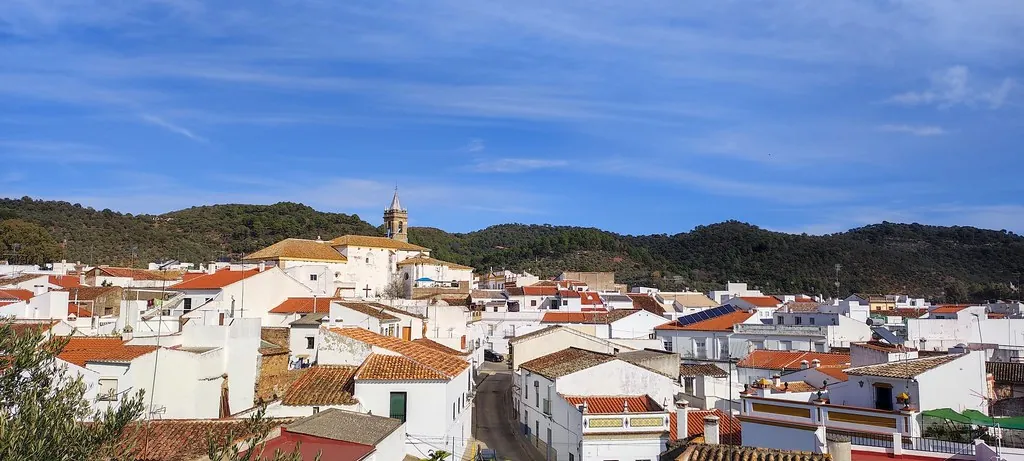
Mountain village on the Extremadura border, ringed by sierras and rich in Mudéjar and Renaissance heritage.
Hide article Read full article
A village that looks down on the plains
Driving up from Seville, you start to notice the air changing about halfway there. By the time you see the sign for Guadalcanal, you’ve left the heavy heat behind. This is the highest town in the province, and it feels like it. You step out and take a breath that doesn’t feel like soup. It’s a simple thing, but after the Guadalquivir valley, it’s a relief.
That height shapes everything. It’s not dramatic, jagged mountain stuff. It’s more like a big, elevated shelf. In August, when Seville is an oven, you can still hear water running in the gutters here. That tells you most of what you need to know.
An accent from across the border
Guadalcanal doesn’t sound or feel like what you might expect from Seville province. For most of its history, it belonged to Badajoz. That Extremaduran past sticks around.
You hear it in the slower, broader accent—closer to Cáceres than to the city. You see it in the landscape of holm oaks and grazing land that wraps around the town. You taste it in the food: think lamb caldereta and stews, the kind of hearty dishes from the dehesa. The pace matches it all. The main square has that slow, deliberate rhythm of a place where nobody’s in a rush to be anywhere else.
Built on silver, lived in quietly
The size of the place throws you at first. The streets are wide. Some houses have a certain heft to them. For a town of around 2,500 people, it feels… prepared for more.
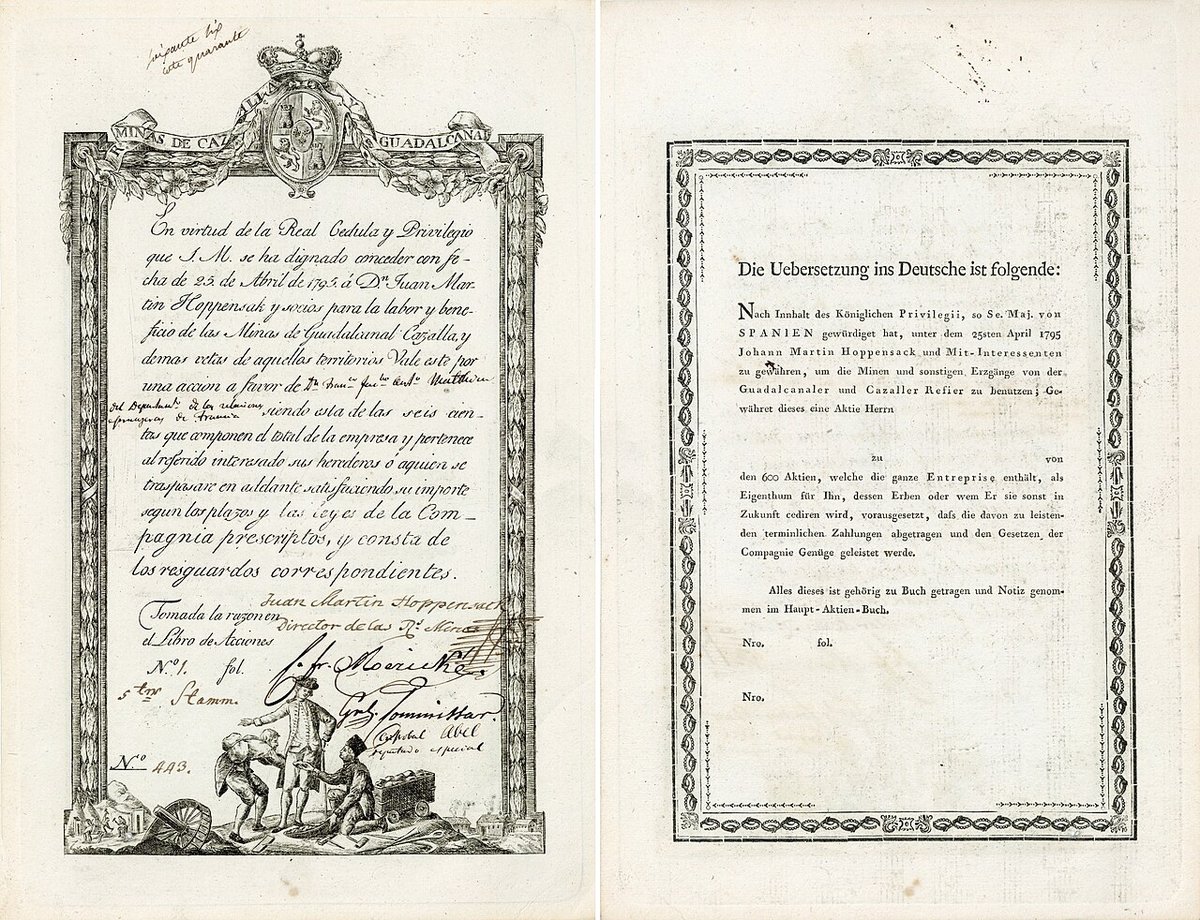
That scale comes from silver. Centuries ago, mines like Pozo Rico pulled wealth from these hills. It even got a mention in Cervantes. That old money built things like the former Convent of San Francisco and explains why the church of Santa María de la Asunción has such presence.
Speaking of that church: go inside. Look for the Cristo de las Aguas. Someone will likely tell you how it was hidden in a well during the war to save it. Here, history isn't in a museum case; it's something your neighbour might bring up over coffee.
The rhythm of the year
Visit on a Tuesday in February and you’ll wonder where everyone is. Guadalcanal can be profoundly quiet.
Then late August arrives with the annual fair. The population doubles as people return home. The quiet evaporates overnight. The square fills with voices and music until dawn. It’s a sudden, total shift in gear that lasts for days before everything settles back into its usual low hum.
Walking among oak trees
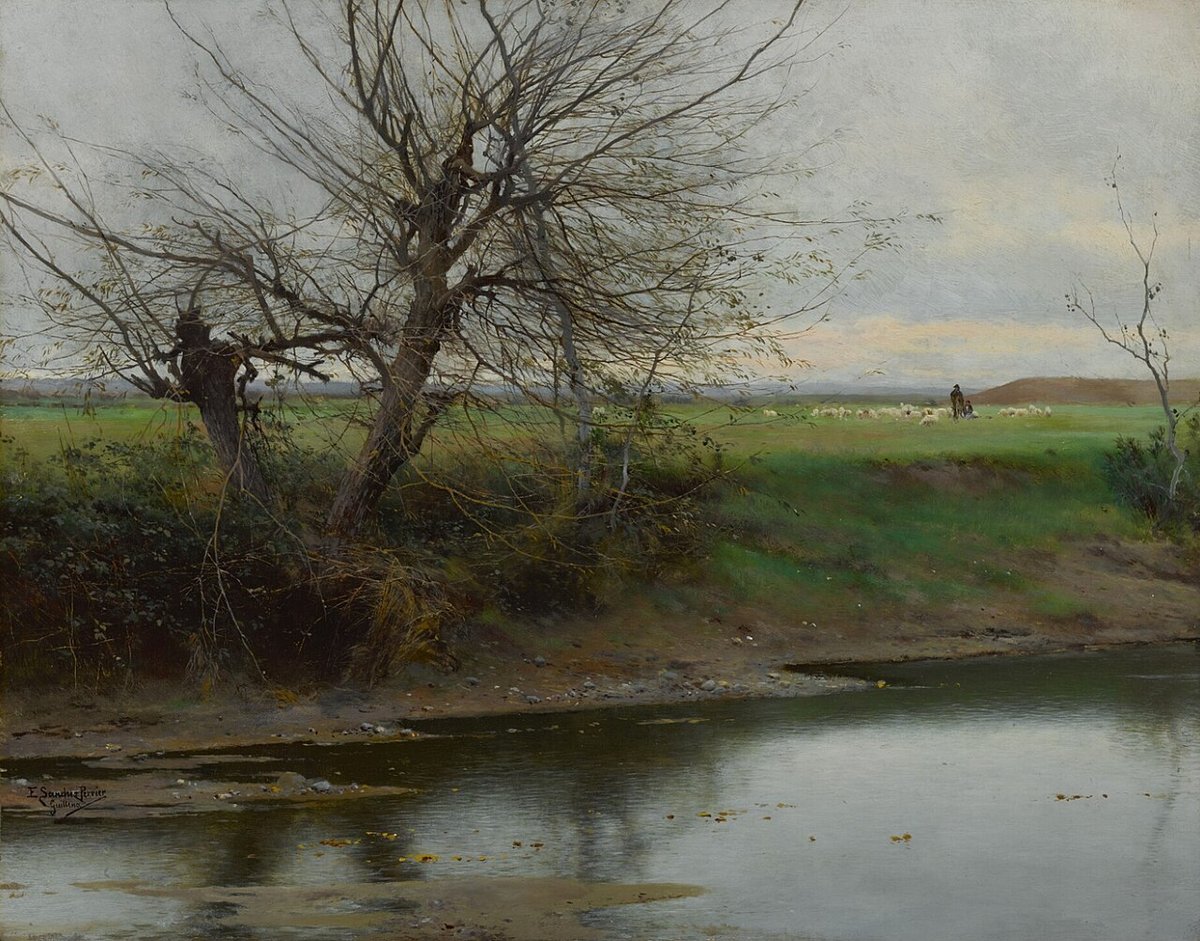
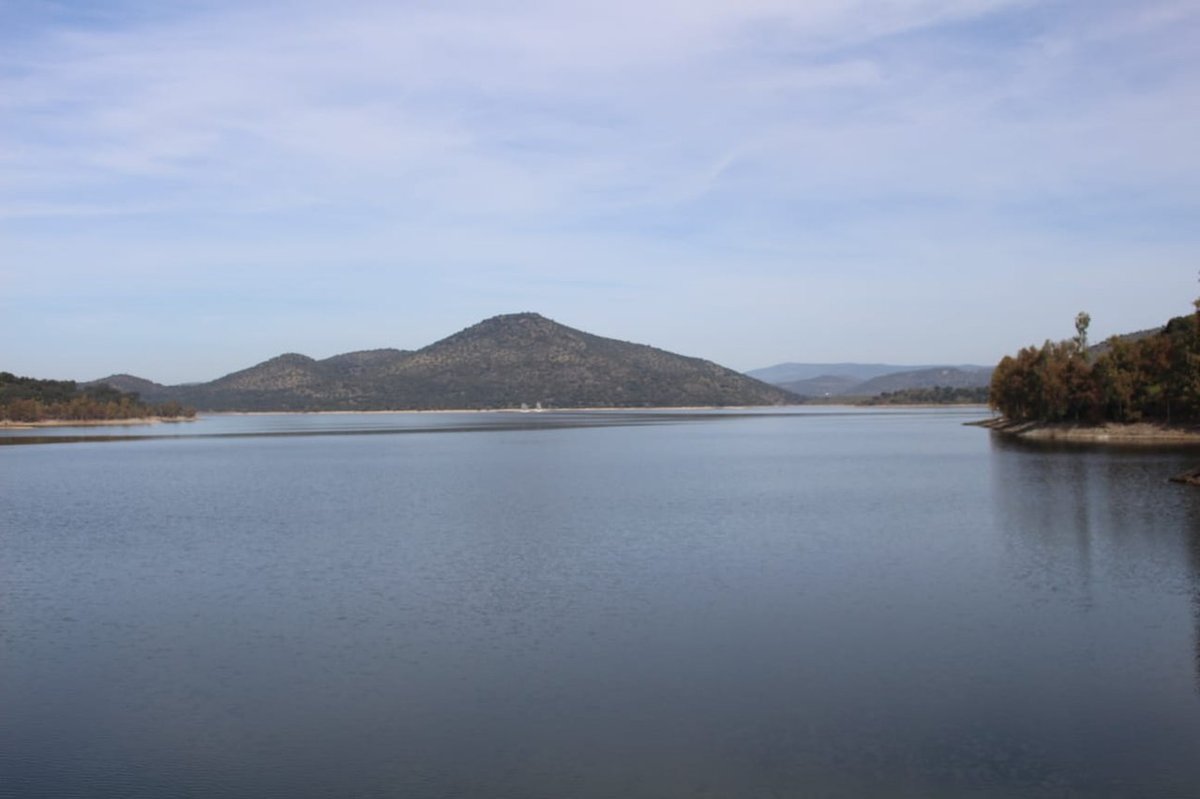
You don’t come here for epic mountain trails. You come for walks in the dehesa. Paths like Viento and Agua loop through rolling hills dotted with oak trees.
The sound isn't birdsong—it's sheep bells and the rustle of pigs in the undergrowth. It’s easy walking, no special gear needed. Just put one foot in front of the other and let your mind unwind.
This landscape dictates the calendar here too. When watercress appears in spring, so does watercress soup on local tables. And then there are gañotes. They’re like pestiños' denser, less-sweet cousin. Buy a box from one of local bakers before you leave; I promise half will be gone before you hit motorway.
Why October works
If I had to pick a time? October. The searing heat is gone. The first rains bring out smell of damp earth. The post-fair calm has returned. It's just right for sitting in that big square with a coffee doing absolutely nothing useful. Guadalcanal isn't checklist of attractions. It's place for letting an afternoon disappear watching light move across old stone walls. You leave feeling like you've properly exhaled. And probably picking crumbs off your shirt from those gañotes.