Full Article
about La Puebla de los Infantes
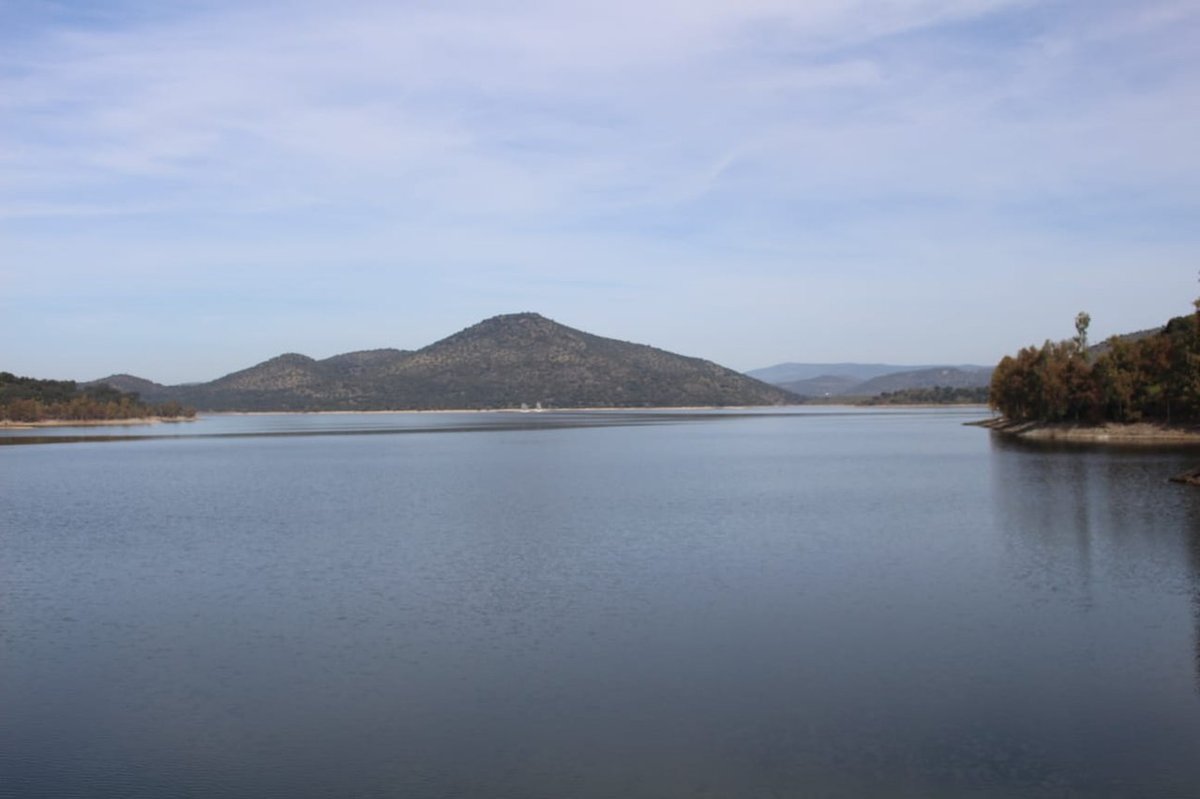
Set between the plain and the sierra, it has the José Torán reservoir, ideal for water sports.
Hide article Read full article
The church bells ring out as the sun is still edging its way over the Sierra Morena. In the square, the smell of freshly baked bread drifts across the paving stones, mixing with wood smoke from nearby chimneys. It is Sunday. Inside the corner bar, newspapers are already open and coffee cups steam on the counter.
This is how many days begin in La Puebla de los Infantes. Tourism here does not announce itself loudly. It unfolds in the quiet rhythm of a mountain town that wakes slowly, somewhere between the stillness of the sierra and the routines of village life.
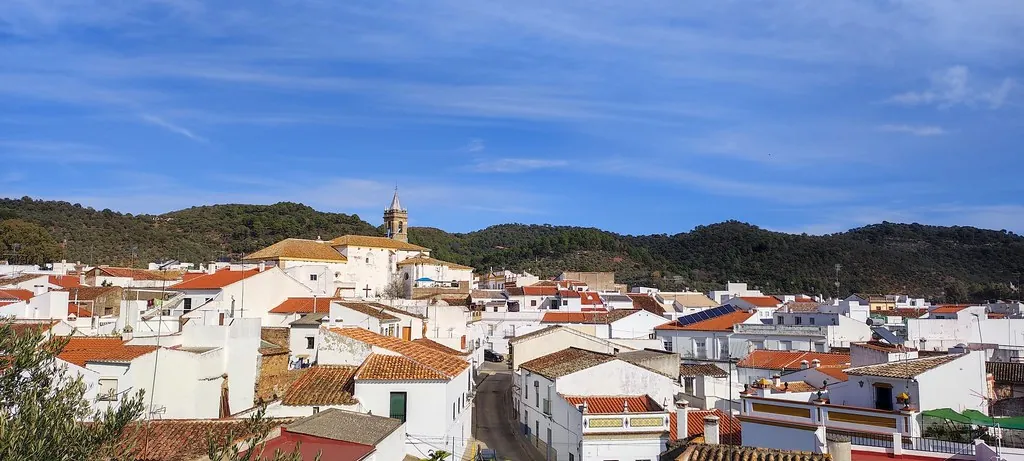
From the viewpoint beside the castle, the layout of the town becomes clear. Roofs of curved Arab tiles cluster along streets that rise and dip without much apparent order. Beyond them, the dehesa stretches northwards, a landscape of open pasture and scattered trees typical of this part of inland Andalucía. When the air is damp, mist clings to the valley of the Guadiamar and the José Torán reservoir appears between the hills like an irregular sheet of water. The position makes sense immediately: a high point from which the surrounding territory can be watched. For that reason, there has been a fortification here since the Middle Ages.
Flavours from the Dehesa
Cooking in La Puebla de los Infantes reflects its surroundings. After the rains, the air carries the scent of mushrooms. During the hunting season, it shifts towards slow-cooked game stews. Rosemary, thyme and bay leaf regularly find their way into casseroles, sometimes gathered directly from the nearby hills.
When the season allows, it is still common to see game displayed in local butcher’s shops. Partridge, wild boar and venison often end up simmered with wine, dried peppers and a blend of spices that varies from household to household. The marinade tends to follow a familiar pattern: vinegar, cumin, mountain oregano and, in some families, a warm touch of cinnamon that has not disappeared from the recipe.
Autumn brings another quiet ritual. Cars appear parked beside the surrounding pine woods as people head out early with baskets and pocket knives in search of boletus and other wild mushrooms. It is best done with proper knowledge or in the company of someone who can confidently distinguish what is safe to pick.
Food here is closely tied to the seasons. Summer leans towards gazpacho, served cold against the heat. When temperatures drop, grilled meats and hearty stews return to the fore.
Days of Celebration
At certain times of year, the steady pace changes. In autumn, the Virgen de las Huertas is brought down from the hill in a romería, a traditional pilgrimage that blends devotion with festivity. Freshly cut rosemary carpets parts of the route. Decorated carts make their way along the path and groups move up and down the hill to the sound of music, sharing food as they go. It is one of the most established celebrations in the area.
August brings the feria. For a week, activity shifts towards the central streets and the nights stretch longer than usual. There is music, temporary casetas and small gatherings forming around tables or in the middle of the street. Older residents tend to linger in conversation well into the evening, while younger people continue long after midnight. In some years, cattle are released into the streets as part of the festivities, drawing visitors from neighbouring towns.
Those looking to see La Puebla de los Infantes at its most tranquil would be wise to avoid these dates. Outside festival periods, the atmosphere returns to its usual calm.
The Path to the Ermita de las Huertas
La Puebla de los Infantes sits within a wider network of walking routes. The long-distance trail GR‑48 passes through the municipality, linking this part of the Sierra Morena with other towns in the region. North of the urban centre, the path crosses dehesa dotted with old cork oaks and areas of low scrub where signs of wild boar are not unusual.
For a shorter walk, many people head towards the ermita de las Huertas in the late afternoon. The route covers several kilometres along a reddish dirt track bordered by pines and Mediterranean scrub. The hermitage itself is old, often dated to around the fifteenth century, and the site has been occupied for much longer. Scattered remains discovered nearby suggest earlier settlements, although not all of it has been fully documented.
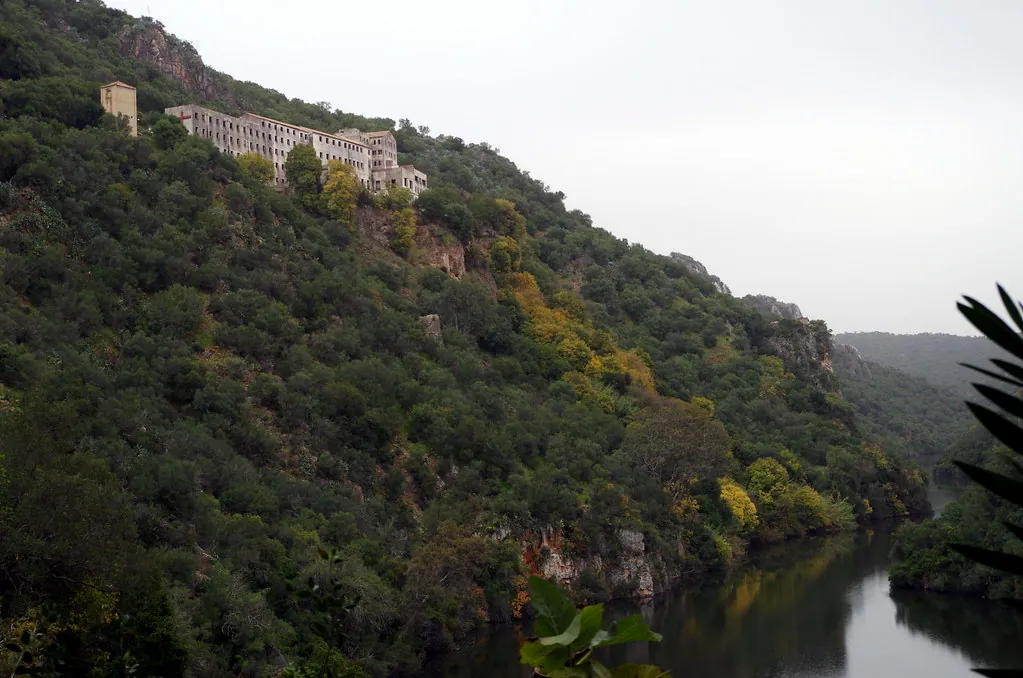
From this higher ground, the José Torán reservoir opens out between rounded hills. As the sun drops, the water can take on a coppery tone. The quiet is broken only by the occasional distant car or the steady hum of insects.
Practical note: the castle can be walked around on the outside with few restrictions, and the climb is worthwhile for the views. The stone steps are very worn and can be slippery when damp, so care is needed. If heading to the reservoir for a swim or a stroll, mornings tend to be calmer. Later in the day, jet skis sometimes appear and the atmosphere shifts noticeably.
Midday at a Different Pace
By mid-morning, Plaza de San Blas often fills with unhurried conversation. Some people play pétanque. Others step out to buy bread or settle on a bench to watch the day pass. From certain balconies, rugs are shaken out and flowerpots watered.
Around lunchtime, cooking aromas drift through the streets. In summer, gazpacho is common. When the weather cools, grilled meats and stews take over. After the midday meal, the town falls quiet for a while.
Winter visitors should come prepared for the cold. Moisture from the Guadiamar valley can bring fog that lingers before finally lifting. Spring feels different. The air often carries the scent of damp earth and orange blossom from interior patios.
La Puebla de los Infantes does not rely on spectacle. Its appeal lies in small shifts of light over the Sierra Morena, in seasonal dishes shaped by the dehesa, and in traditions that continue to mark the calendar. The experience is found in climbing to the castle viewpoint, walking the track to the ermita, or standing in the square as the bells sound and the day begins.