Full Article
about Alcaudete
Town dominated by an imposing Calatravan castle; known for its Christmas sweets and olive oil.
Hide article Read full article
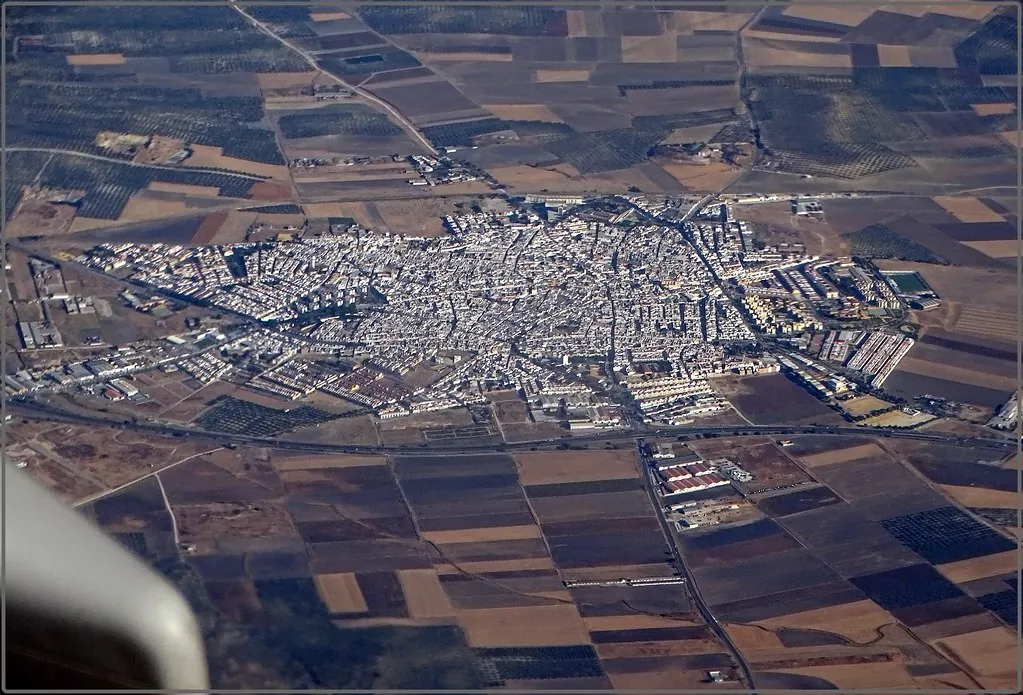
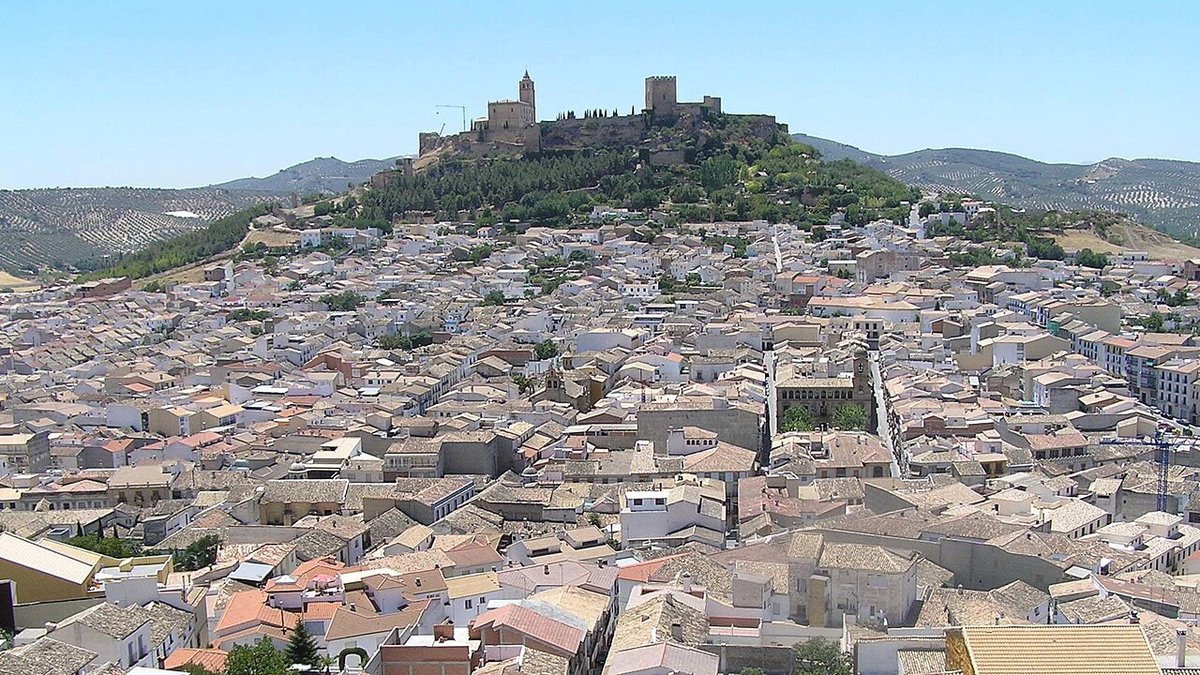
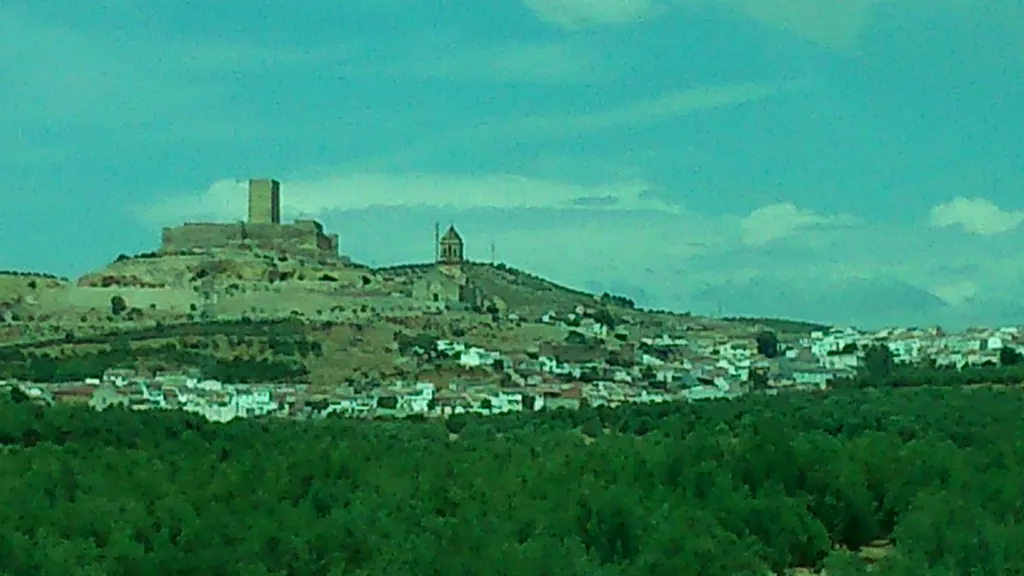
You know that feeling when you drive towards a town and its castle appears first, like a giant stone bookmark in the landscape? That's Alcaudete for you. The rest of the town unspools beneath it, a cascade of white houses held in place by the Sierra Sur. The whole scene is an immediate history lesson: control the high ground, watch the valley, and plant a sea of olive trees for good measure.
That’s the backdrop here. It’s not just scenery; it’s the entire economy and identity, stretching to every horizon.
The castle that explains everything
This fortress has had more jobs than a temp worker. Moorish fort, Christian stronghold for the Order of Calatrava, nobleman's residence. Now it's just ours to explore, which is the best role it's had.
It looks imposing from below, but you don't grasp the scale until you're right under its walls. Inside feels hollowed out, all vast rooms and deep, echoing cisterns. You can imagine the medieval clatter that used to fill this space, which makes the current silence feel thick.
The walk up isn't a trek. It's more like taking several flights of uneven outdoor stairs. Your legs will mention it later. The reward is the wind at the top and a full-circle view that makes the strategic reason obvious. It’s olives forever, with other villages sitting in the distance like scattered game pieces.
Aim for morning. Having the battlements to yourself beats elbowing past a crowd.
The old town’s deliberate pace
Descending from the castle into the maze of white streets forces a slower rhythm. These lanes weren't designed for getting anywhere fast. They're a collection of sloping ramblas, sudden steps, and bends so tight you press against a wall if a car squeezes by.
You experience life here in flashes. The scent of fresh bread escapes from a hidden panadería, a television chatters through an open doorway, a conversation floats between two balconies.
Santa María la Mayor church anchors one end. Its Plateresque portal is absurdly detailed stonework—the kind of project that ruins an artisan's eyesight. The bell tower beside it? That’s a Baroque addition from centuries later. It looks like two different architects were forced to share a plot.
Then there's the Puerta de la Villa archway. Walking under it feels significant for a moment, until you see another uphill stretch ahead. This is where you'll bless your practical shoes and curse any prior vanity about footwear.
On mantecados and garlic paste
Mention local food here and they'll say "mantecados" almost before you ask. These are the crumbly butter cookies that appear in paper wrappers everywhere come winter. Eating just one is practically impossible; they're designed for handfuls.
Then you have ajilimójili. Don't worry about saying it correctly. Just know it's a thick, potent paste of garlic, pepper, and local oil that turns simple bread into something memorable. Meals tend to linger when this is on the table.
For something more substantial, listen for choto al ajillo (young goat with garlic). It’s often home cooking or a weekend restaurant special rather than an everyday menu item. If you hear it's available somewhere that day, let that guide your plans.
The walk to Fuensanta
Every early September, part of the town empties out onto the path to this hillside sanctuary for their romería. Let's be honest: this isn't a casual stroll. It's kilometres long with real incline—the sort where water and a foil-wrapped bocadillo are essential gear. The trail threads through endless olive groves under the late summer sun. You see families in small groups, their pace slow but constant, pausing in patches of shade. Reaching the sanctuary feels earned. Sitting there as dusk settles, watching the distant lights of Alcaudete flicker on, you understand the tradition. You can, of course, drive up. No one checks how you arrived.
Moving through olive country
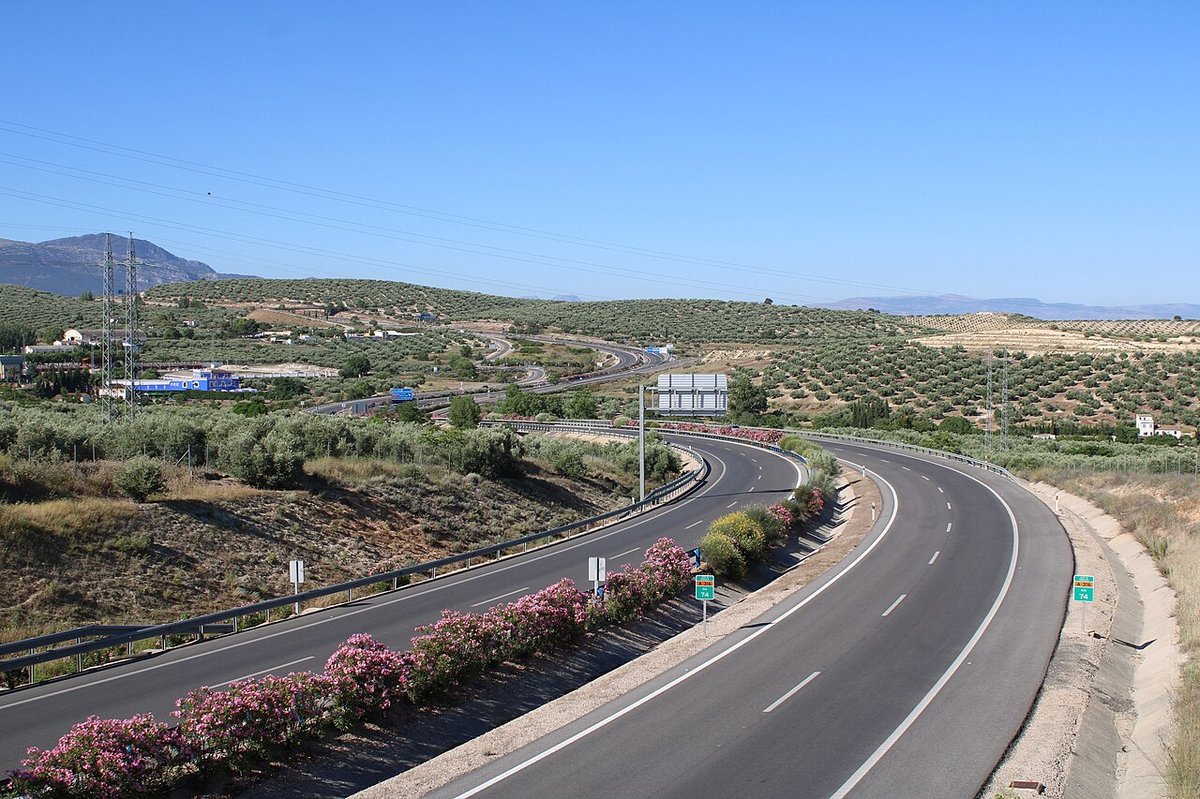
After your third mantecado, some gentle activity calls. The main options here are low-key. The Vía Verde del Aceite traces an old railway bed. It’s flat, straight, and swallowed by olive branches. The short tunnels along the route offer cool relief in summer. The other path is the Ruta de las Fuentes, linking old village springs. People amble or cycle it, stopping to drink from stone fountains that never seem to run dry. Neither path is about adventure. They're for settling your lunch while your thoughts drift with your feet.
Timing your visit
This town wears different seasons well. Spring brings green hills and mild air; the castle climb then is almost easy. Semana Santa pulls everything into the old quarters after dark, with processions winding through candlelit streets. Summer brings serious heat, though evenings often get a saving breeze from the sierra.
How long do you need? You can see the main sights—castle, old town core—in half a day without hurry. Staying longer means you adopt its slower tempo: maybe walk one route properly or just find a bench and watch very little happen until it’s time to eat again