Full Article
about Badolatosa
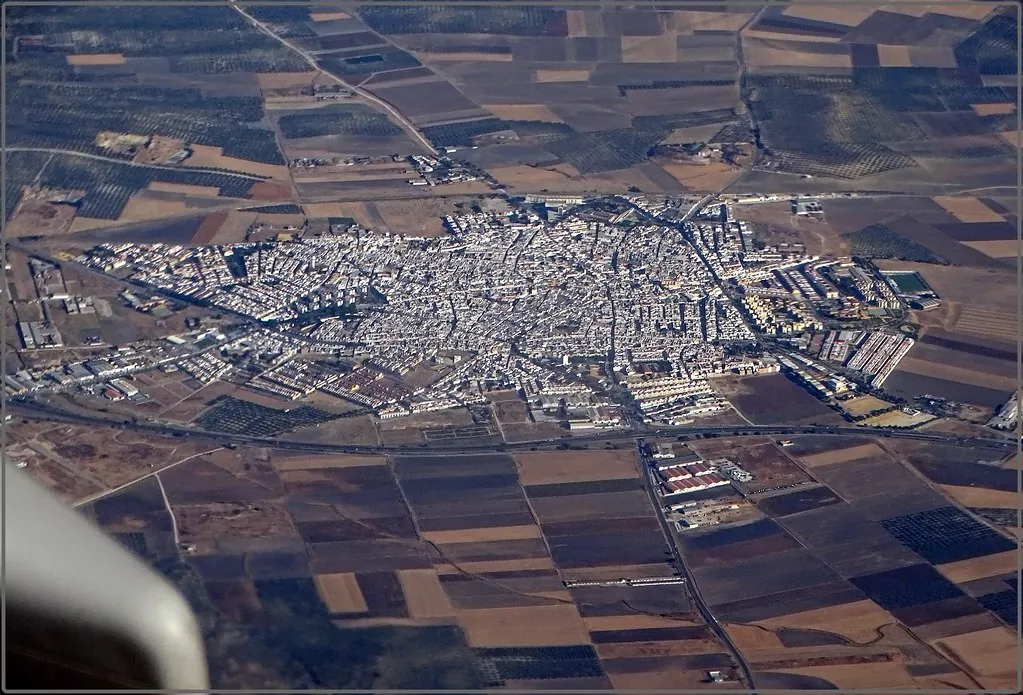
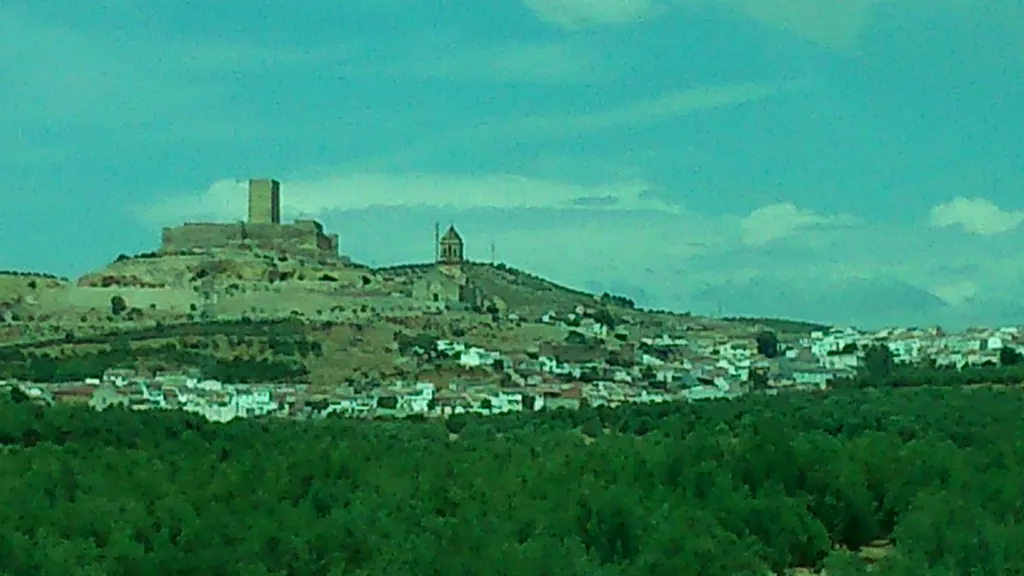
Town on the banks of the Genil river near the Malpasillo reservoir, historically linked to banditry.
Hide article Read full article
A Quiet Stop by the Genil
Badolatosa is a bit like that relative you only see at distant weddings or funerals. You are not quite sure where they live, but when you finally talk to them you discover they have a few unexpected stories. Tourism in Badolatosa works in much the same way.
Many people pass nearby on their way to Estepa or Puente Genil without even considering a stop. It is not a place that demands attention from the roadside. Yet once you slow down, park up and walk around, small details begin to surface.
The village sits beside the River Genil, facing the water as if watching the afternoon drift by from a chair set out on the doorstep. The river is not a backdrop here. It shapes almost everything.
The Village That Drank from the River
One of the first places visitors tend to notice is the Museo del Río Genil. The name might sound like a school trip waiting to happen, but inside it quickly becomes clear that the Genil has long been the central force in local life.
For centuries the river has acted as a route, a boundary and a source of food. The museum explains this gradually, room by room, from the time when Romans passed through the area to the agricultural way of life that still sets the rhythm of the village today. By the time you leave, the impression is simple: Badolatosa stands where it does because the river once chose this path.
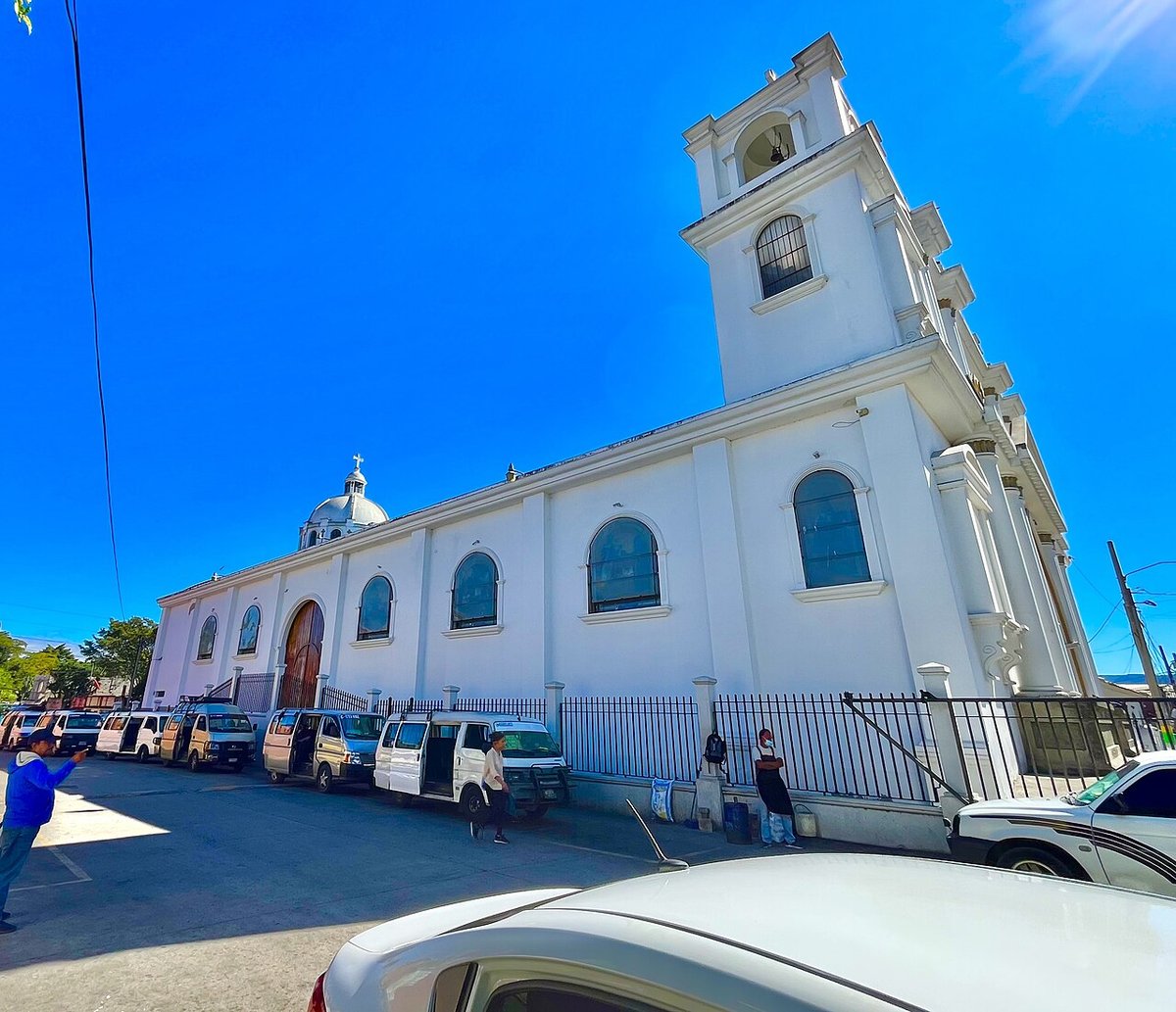
A short walk away is the Iglesia de Nuestra Señora del Socorro. Built in the 18th century, it has the kind of Baroque presence that appears across Andalucía when you least expect it. What stands out is the local stone used in its construction. Depending on the light, its colour shifts noticeably. In the middle of the afternoon the change is particularly clear, as the façade takes on different tones.
The church and the museum together offer a useful starting point. Both reflect how closely the village’s story is tied to the landscape around it.
Corcoya and the Bandit’s Prayer
About two kilometres away lies Corcoya, a small hamlet that is easy to miss if you are in a hurry. Here stands the ermita de la Virgen de la Fuensanta, a simple white chapel closely linked to local history and tradition.
According to local lore, José María “El Tempranillo”, the most famous bandit in this part of Andalucía during the 19th century, would stop here to pray before heading out on his exploits. It sounds almost like a film script, yet tales of bandits surface every few kilometres in this region. They are woven into the identity of the countryside.
There is also a story that El Tempranillo received a royal pardon somewhere in this area. Several versions circulate, and none claims to be definitive. What matters is that the narrative remains very much alive among local residents. In Corcoya, history and legend sit comfortably side by side.
The presence of the Virgen de la Fuensanta extends beyond the chapel itself. She remains an important figure in local festivities and religious celebrations, especially in the Corcoya area.
The Waterwheel That Refused to Retire
Close to Badolatosa, in Jauja, stands an Arab-origin noria, or waterwheel, that continued to operate for irrigation until surprisingly late in the 20th century. Not centuries ago, but within living memory.
Its purpose was straightforward: to draw water from the Genil and channel it towards nearby orchards and fields. While motors and modern machinery were transforming agriculture elsewhere, this waterwheel kept turning according to the same logic it had followed for generations.
Today it has been restored and can be viewed up close. It is not an imposing monument. There are no grand structures surrounding it. Even so, it provides a clear insight into how life has revolved around the river and the land. In a place where farming still defines much of daily life, that continuity matters.
When the Countryside Sets the Menu
Local cooking in Badolatosa reflects what the land provides and the kind of dishes that properly satisfy.
One of the most typical preparations is porra badolatoseña. It resembles salmorejo, the cold tomato and bread soup found elsewhere in Andalucía, but it is usually thicker. Bread, tomato, olive oil and little else. It is direct, filling food, the sort that sorts out a long morning in the fields.
There are also hearty stews made with chickpeas and rice, often accompanied by products from the traditional matanza, the annual pig slaughter that supplies cured meats and other staples. Another distinctive dish is naranjas “picás”, a salad in which orange takes the lead and is mixed with salted fish or cod. On paper it might sound unusual. Once tasted, it makes sense that the recipe has endured.
Sweet dishes follow an old repertoire: torrijas soaked in syrup, arroz con leche and pestiños. These tend to appear during festivals or family gatherings, moments when the community comes together around a shared table.
Food here is not about reinvention. It is about continuity and practicality, shaped by agriculture and the seasons.
Paths, Wetlands and Open Water
For those who prefer to explore on foot, the surroundings offer simple walking routes that follow the course of the Genil and nearby wetland areas.
One path leads towards the paraje de Malpasillo, a natural area known among bird enthusiasts. This is not a landscaped park filled with raised walkways or dramatic viewing platforms. It is more open countryside, calm water and a good deal of quiet. With binoculars and a little patience, there is usually movement to spot.
Another common route approaches the embalse de Cordobilla, also on the Genil. From certain points you can see broad stretches of water alongside cultivated land. The relationship between river and agriculture becomes visible at a glance.
These are not strenuous hikes. They are gentle ways to understand the landscape that has shaped the village for centuries.
When the Fair Comes to Town
Badolatosa has around three thousand inhabitants. In practical terms, that means most people know each other, or at least know who is who.
The village calendar revolves around the countryside and traditional celebrations. When the summer fair arrives, the atmosphere shifts and the streets fill with people who return home for those days. There are also romerías and festivities linked to the Virgen de la Fuensanta, particularly significant in Corcoya.
This is not a destination defined by monumental landmarks or an endless list of sights. Badolatosa works best when approached for what it is: an agricultural village in the Genil valley where life moves at a steady pace.
You can park without circling for ages, take a walk, spend time by the river and leave with the sense of having understood a small fragment of this corner of the Sierra Sur. That, in itself, is more than enough.