Full Article
about Casariche
Known for its stunning Roman mosaics and its past linked to the Roman city of Ventippo.
Hide article Read full article
A place that keeps things simple
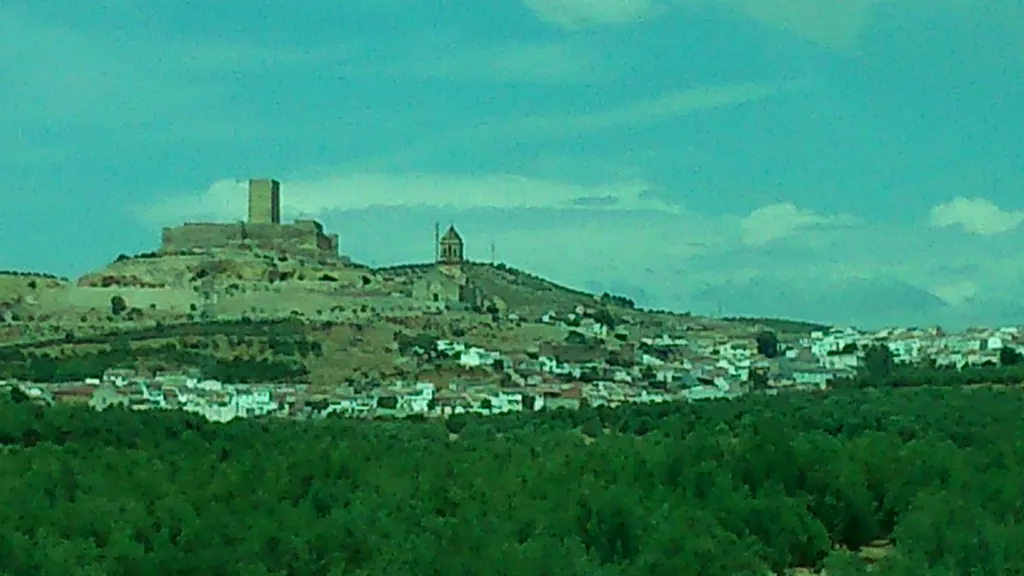
Casariche does not try to impress at first glance, and that is part of its appeal. It is the sort of place where everyday life still sets the pace, where small interactions matter and do not feel unusual.
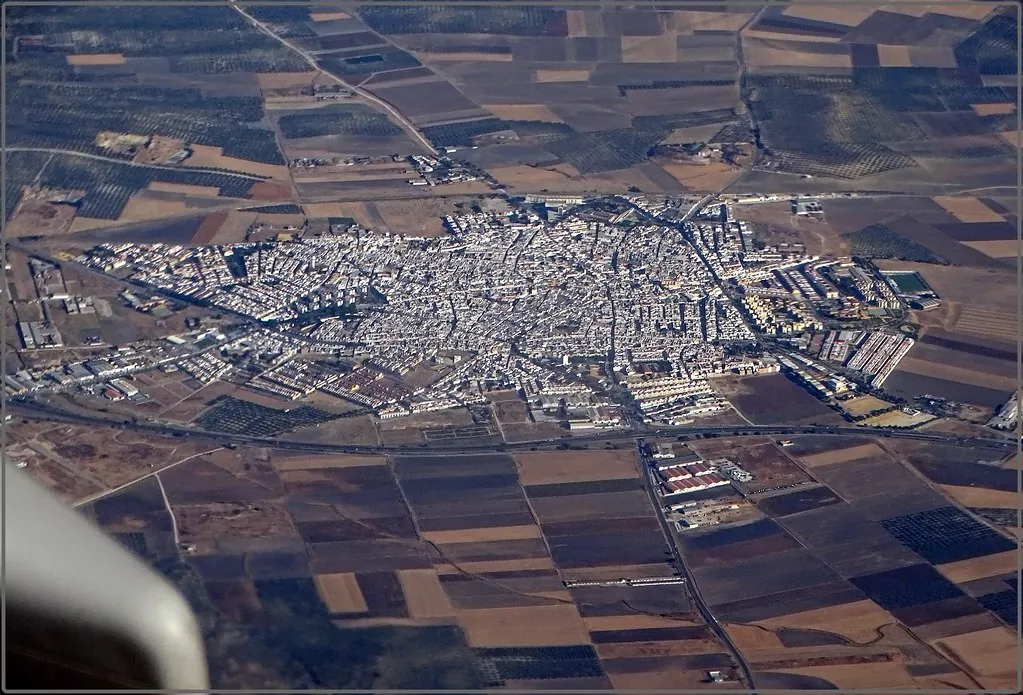
It sits inland in the province of Sevilla, without the pull of big-name landmarks or polished tourist routes. What stands out instead is how quickly the place feels lived in. Streets are active, neighbours notice things, and there is a sense that people are paying attention to one another.
That atmosphere shapes the visit more than any checklist of sights. Time here tends to slow naturally, whether walking through the centre or pausing in a square where conversations drift between groups.
Bacalao as a way of life
Food in Casariche is not treated as a display. It is part of daily rhythm, and few ingredients say more about the town than bacalao, salted cod.
One of the most common dishes is encebollado. It is simple in composition, shredded bacalao cooked with plenty of slowly softened onion and a touch of pepper. It appears in many homes, and conversations around it often turn into explanations of how each family prepares it. The differences are small but matter to those who make it.
Then there is naranjas picas con bacalao. On paper, the combination of citrus and salted fish can sound odd. In practice, it works. The flavour balances saltiness with acidity and freshness, something that reflects the surrounding landscape. Olive groves dominate the area, but small orchards and citrus crops have long been part of local agriculture.
Meals here tend to be generous and rooted in tradition. Pestiños and roscos fritos, both sweet fried pastries, appear frequently, especially around festive moments. Alongside them are more substantial dishes such as maimones, a thick soup made with bread, ham and egg. It is filling, direct and designed to satisfy rather than impress.
Arriving hungry is not a suggestion so much as a necessity. The food leans towards the hearty side, and it is easy to find yourself slowing down afterwards, looking for shade and taking the gentle slopes of the town at an easier pace.
Traces of Ventippo
Casariche stands on what was once Ventippo, an ancient settlement that passed through Celtiberian hands before becoming part of the Roman world. That earlier identity still surfaces in fragments scattered across the area.
Two places help piece together that past. One is the Roman villa of El Alcaparral, which dates from several centuries into the imperial period. The remains are not presented as a grand, continuous site, but they offer a glimpse into how the area functioned during Roman times.
The other key element is the mosaic known as the Judgement of Paris. The original is kept in Sevilla, but a reproduction can be seen locally in the Museo del Mosaico. The museum itself is small and does not take long to walk through. It works more as a way to provide context than as a major attraction, helping visitors understand why the discovery mattered and what it represents.
Nearby, the Roman quarries of Cerro Bellido add another layer to the story. These spaces once supplied stone for construction, feeding the needs of buildings and infrastructure in the area. Today they have been repurposed as a recreational zone with barbecue areas. The contrast is striking. A place once tied to extraction and labour now hosts relaxed gatherings, particularly at weekends.
Fire and smoke in February
At the beginning of February, Casariche changes tone during La Candelaria. It is one of those local festivals that reshapes the atmosphere for a single night.
Bonfires are lit across streets and squares, fuelled mainly by pruning remains, especially from olive trees. By late afternoon, the signs are already clear. Smoke lingers in the air, groups form around the fires, and the town takes on a different rhythm.
As the flames settle into embers, children jump over them, turning the evening into something both communal and playful. The smell of wood smoke clings to clothes long after the night ends, a detail that tends to stay with visitors as much as the visual scene itself.
There is no need for elaborate staging. The festival relies on participation, on neighbours gathering and sharing space, and on a tradition that feels embedded rather than performed.
Along the Yeguas and beyond
The river Yeguas runs through the lower part of the municipal area, though it is barely noticeable from the town centre. Its presence is more felt than seen unless you move outward.
There have been plans for some time to create a riverside path linking different stretches along the river. Parts of it can already be walked, while others remain incomplete. Even in its current state, it hints at a quieter side of the landscape, away from the streets and closer to open ground.
For those who prefer a clearer route, the Ruta del Tempranillo offers an alternative nearby. It follows the paths associated with one of the most well-known bandits in this part of Andalucia. The connection adds a layer of narrative to the walk, even if the experience itself is simply moving through the countryside.
There is something fitting about getting slightly lost along these tracks. The terrain is not dramatic, but it invites wandering, and the sense of history lingers in small ways rather than grand gestures.
A place to pause
Casariche does not build towards a single highlight. It works through accumulation: food that stays with you, fragments of history, small celebrations and unplanned moments.
The town itself has a few gentle slopes. Nothing too demanding, but enough to make the pace of movement feel unhurried, especially after a substantial meal. Walking becomes slower, conversations from nearby squares drift into earshot, and time stretches a little.
That is where Casariche settles in. Not as a place of spectacle, but as somewhere that holds attention quietly for a while. And sometimes, that is more than enough.