Full Article
about Castillo de Locubín
White village known for its cherry production and the source of the San Juan River.
Hide article Read full article
First Glimpse of the Sierra Sur
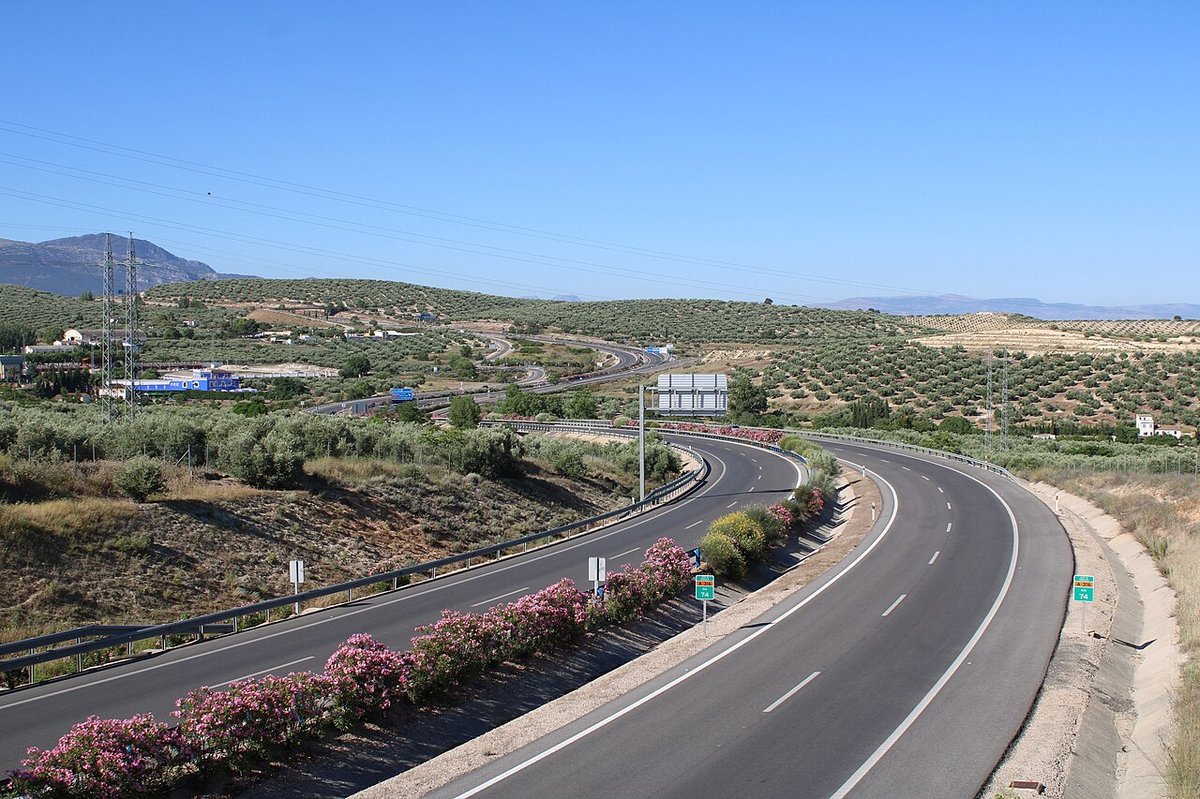
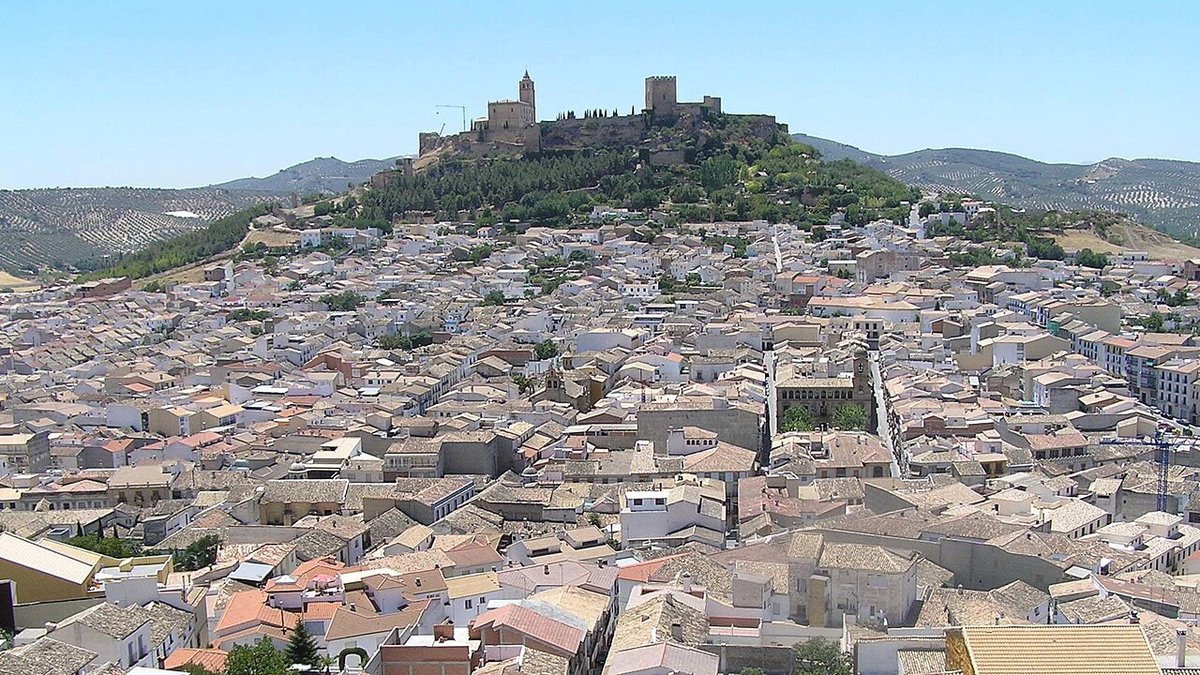
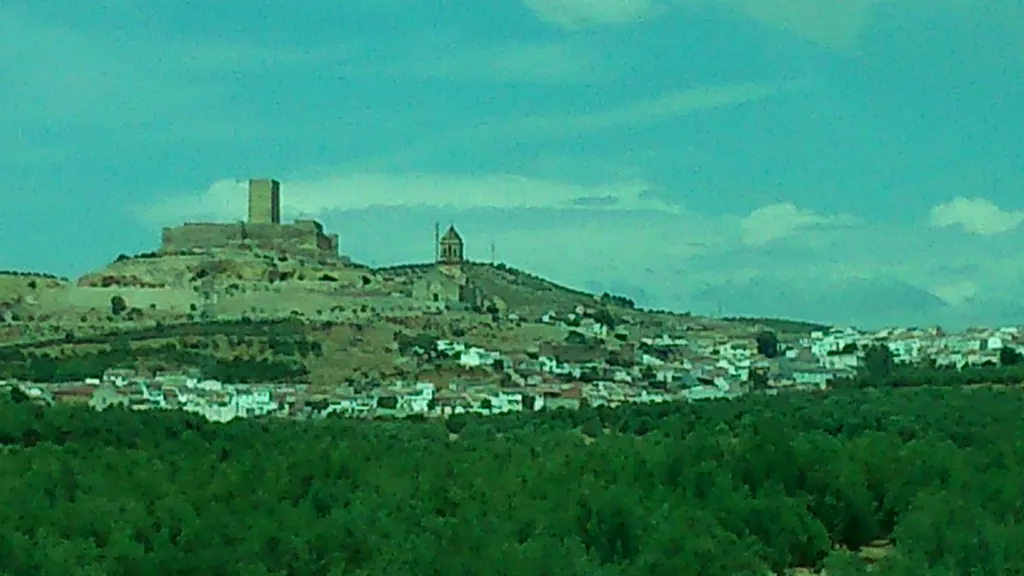
There is a point, just after leaving Alcalá la Real and taking the road that winds into the Sierra Sur, when the landscape begins to look like an enormous jigsaw someone left half-finished on a table: neat rows of olive trees, rounded hills and, rising from one of them, a cluster of white houses clinging to the slope. That is Castillo de Locubín.
The first impression is simple and clear. Olive groves dominate everything, and the town has adapted itself to what surrounds it.
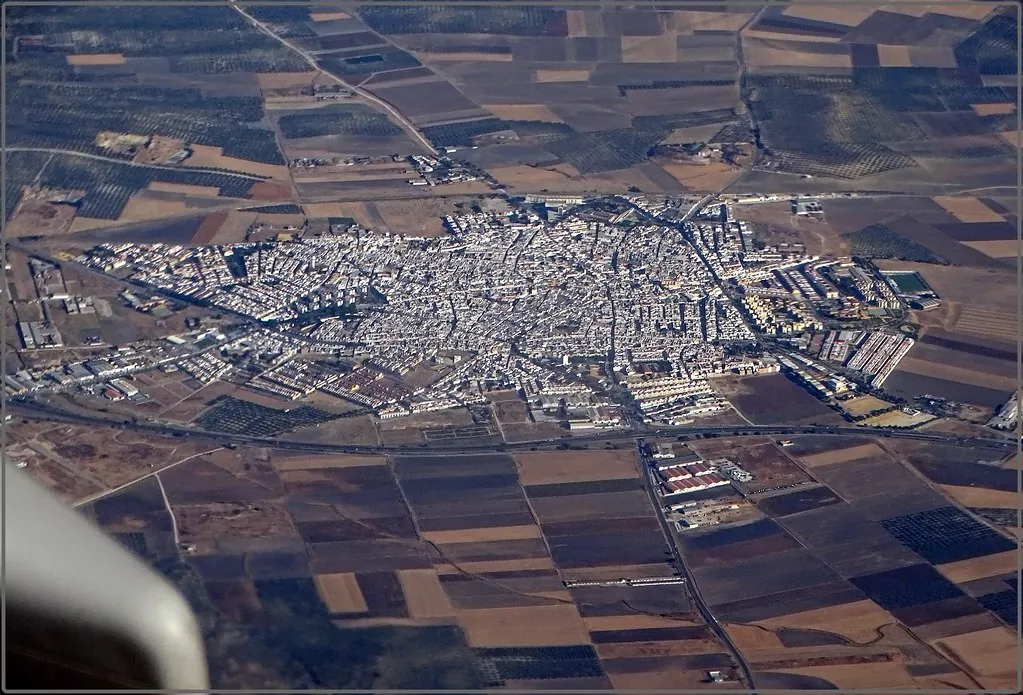
Castillo de Locubín has around 3,800 inhabitants, spread across a municipal area that feels much larger than it appears at first glance. You notice it straight away. There is no sense of rush, no constant background hum of traffic or crowds.
On a weekday morning the quiet stands out. Not an awkward silence, but the kind you find in a small town that is busy elsewhere. Many people are working in the fields or moving between the pedanías and cortijos scattered across the municipality. Life is happening, just not always on the main street.
The town centre sits on a slope, so almost any street eventually opens onto a long view over the sea of olive trees. In a city, this would be packaged as a panoramic viewpoint. Here it simply happens because of where the houses were built.
La Villeta and the Remains of a Fortress
With a name like Castillo de Locubín, it is easy to imagine a vast fortress crowning the hill. The reality is more understated.
In the area known as La Villeta, there are remains of the old fortification that once guarded this part of the sierra. Do not expect intact towers or complete stretches of wall. What survives are fragments and traces, enough to help you picture what once stood there. As in many towns across Andalucía, over the centuries stones from the castle were reused in houses, animal pens and boundary walls.
Even so, the climb is worthwhile. The appeal lies less in the surviving masonry and more in the position itself. From this height, it becomes obvious why the hill was chosen as a strategic lookout. The surrounding land unfolds in every direction, with valleys and olive groves stretching far beyond the town.
It is a modest site in physical terms, yet it gives context to the landscape. Standing there, the relationship between settlement and territory makes sense.
When Cherry Season Arrives
Mention Castillo de Locubín to people in the province of Jaén and one word comes up again and again: cherries. The town is known locally for this crop, and as late spring approaches, the subject enters most conversations.
During those days, the atmosphere shifts. The streets are busier than usual and stalls appear selling cherry-related products: fresh fruit, sweets and homemade liqueurs. The rhythm of the town feels livelier than at other times of year.
It is one of those moments when an agricultural community shows what it produces. Here, cherries are not a decorative extra or a marketing slogan. They are part of the local economy and identity.
Outside the cherry season, the pace returns to its usual calm. The olive groves remain the constant backdrop, but for a brief period the spotlight turns to another fruit that thrives in this corner of the Sierra Sur.
Walking to the Medieval Watchtowers
The hills around Castillo de Locubín are dotted with several medieval atalayas, watchtowers that once formed a surveillance network between valleys. They were part of a defensive system, allowing messages and warnings to pass across the landscape.
Today, some hiking routes link several of these towers.
On a map, the walks can look straightforward. In practice, it is wise to come prepared. The Sierra Sur has serious gradients, and what appears from the town to be a gentle rise can turn into a long, steady climb. The terrain can be deceptive.
The effort pays off. From certain points, other white towns in the region come into view, scattered across the hills and separated by kilometres of olive groves. The sense of scale becomes clearer the higher you go. Fields, ridges and distant settlements form a pattern that feels both ordered and vast.
These walks are less about ticking off landmarks and more about understanding how communities here have related to the land for centuries. The watchtowers, like La Villeta, are reminders that these hills were once closely observed and strategically important.
Food Rooted in the Land
Cooking in Castillo de Locubín is closely tied to agriculture and, above all, to olive oil. The dishes are hearty and practical, designed to sustain people through long days of physical work.
You will often find potaje de garbanzos con espinacas y bacalao, a chickpea stew with spinach and cod, appearing at family tables. Migas, usually served with grapes, are another staple, as are gachas dulces made with almond. These are recipes that aim to feed properly rather than impress.
It is not a complicated cuisine. The logic behind it is straightforward and has worked for generations: simple ingredients, good olive oil and portions that take the edge off winter cold or the fatigue after a long walk.
Even without sitting down in a private home, it is easy to see how strongly food here is linked to the rhythms of the countryside. Olive oil is not an accessory but a foundation.
A Worthwhile Stop in Jaén’s Sierra Sur?
Whether Castillo de Locubín is worth a stop depends largely on what you are looking for.
It is not a place designed for a packed three-day itinerary filled with constant activity. What suits it better is a slower approach: a walk through the old centre, a climb up towards La Villeta, a pause at one of the natural viewpoints and time spent taking in the olive-dominated landscape that defines this part of Jaén.
If your visit coincides with cherry season, the atmosphere will be noticeably more animated. The town shows a different side of itself, centred on a crop that plays a significant role in local life.
Castillo de Locubín fits naturally into a broader route through the Sierra Sur de Jaén. It works well as a place to pause for a few hours, stretch your legs on a hillside path and eat something substantial before continuing along the road.
Then, as you look out once more over the expanse of olive trees from higher ground, the logic of these hilltop towns becomes clear. They are where they are for a reason, shaped by the land that still sustains them.