Full Article
about Coripe
Mountain village known for the Vía Verde de la Sierra and the Chaparro de la Vega Natural Monument.
Ocultar artículo Leer artículo completo
The morning bus from Osuna carries more bread than people. Loaves wrapped in tea towels sit on the rear seats, bound for Coripe’s single bakery that ran out of dough overnight. It’s a forty-minute climb through wheat the colour of digestive biscuits, past stone farmhouses where dogs bark at anything slower than a tractor. By the time the road flattens at 325 metres, the driver kills the engine outside Bar Central and half the passengers still haven’t paid – the honour system works when everyone knows whose son you are.
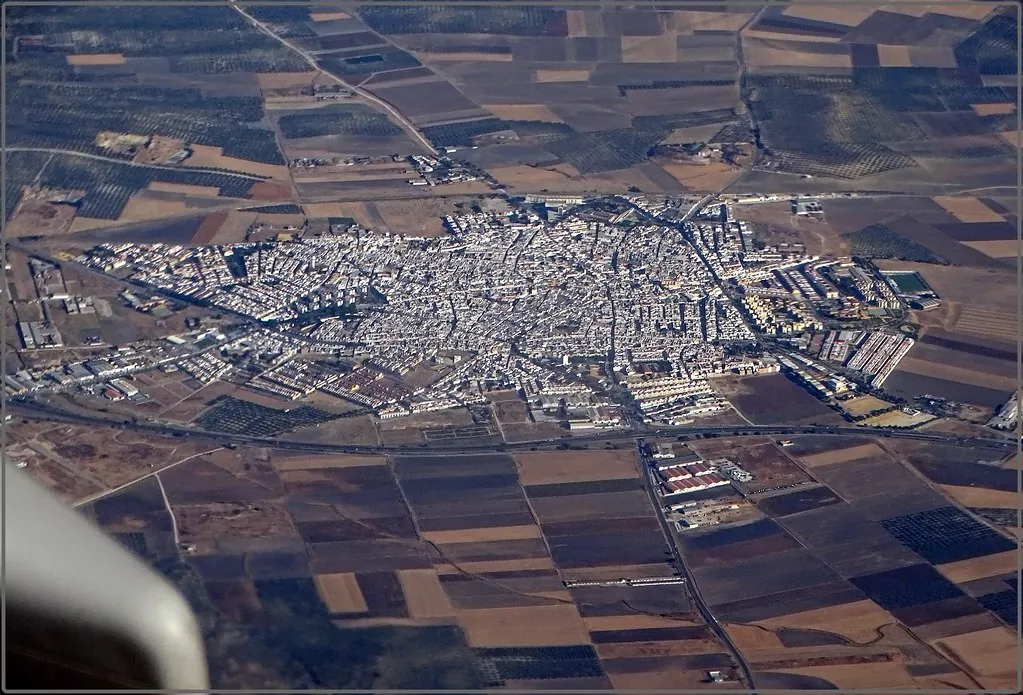
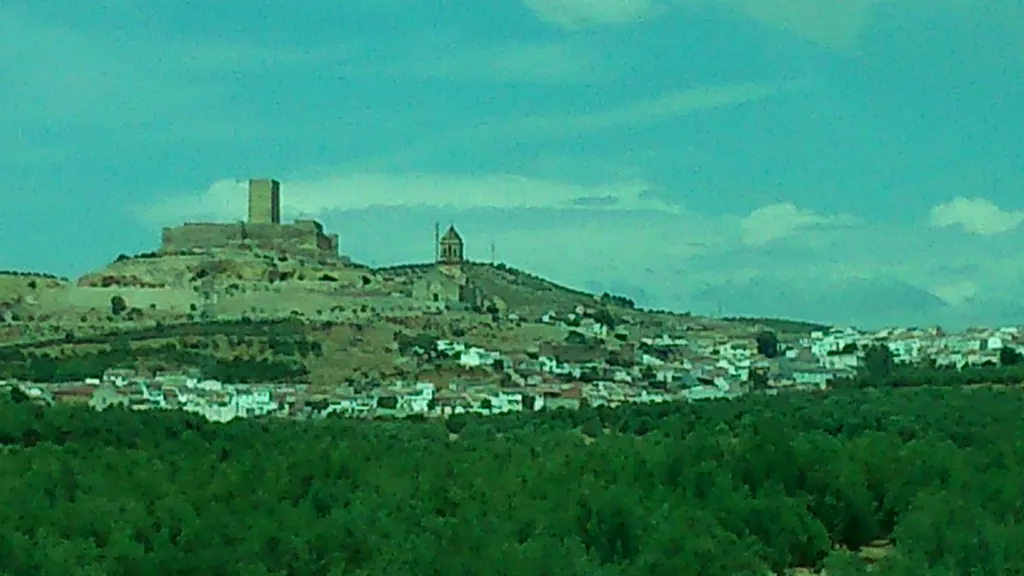
Coripe doesn’t announce itself. No gateway arch, no billboard, just a tight grid of white houses that end abruptly in olive groves. The population counter reads 1,215 on the council website but locals joke it’s closer to 900 once you subtract the youngsters who only appear at Christmas and Easter. What keeps the place alive is the same thing that shaped it: olives, wheat and the seasonal pulse of an agricultural calendar that predates cheap flights.
A church tower, a mirador and not much else
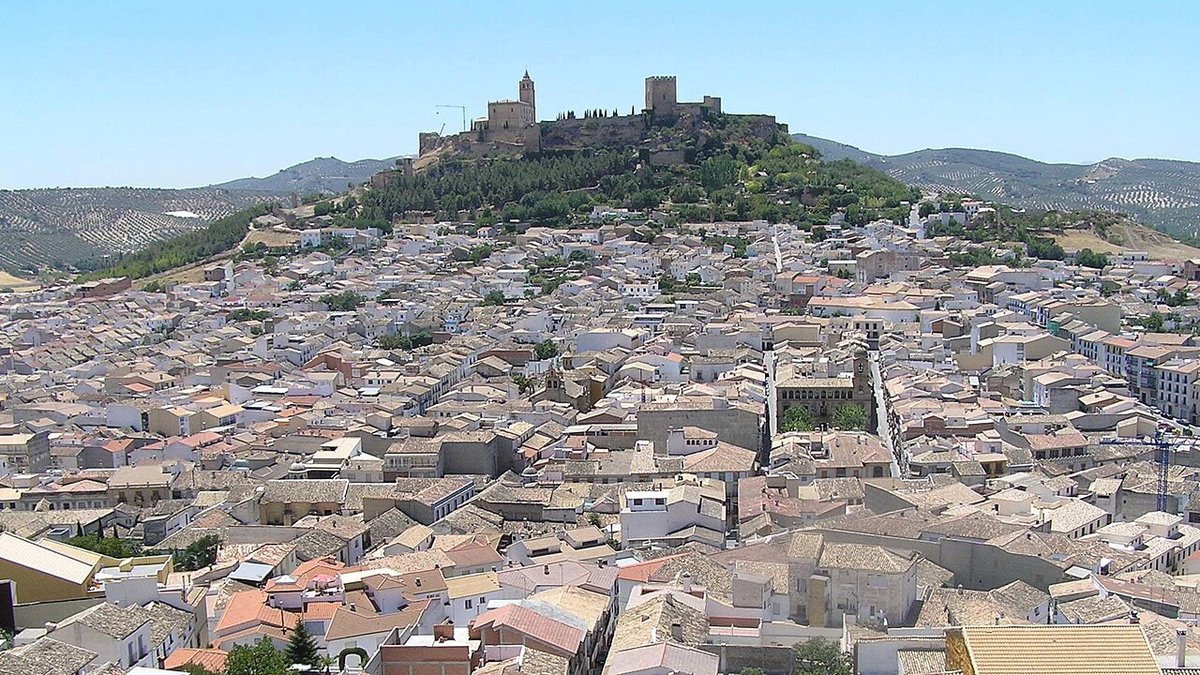
Start in Plaza de la Constitución where the 18th-century San Pedro church blocks out the sunrise. The baroque tower is the tallest thing for miles; swifts nest in the belfry and deposit guano on the sandstone like abstract art. Inside, the altarpiece was carved by carpenters from neighbouring Pruna who were paid partly in olive oil – you can still see the drips if the verger lifts the velvet rope. Mass is at 11:00 on Sundays, followed by churros from the white van that idles outside with a generator throbbing like a distant disco.
From the church, follow Calle Real uphill until the street turns to packed earth. Five minutes later you’re on the mirador, a slab of rock with a rusting handrail. The view is a textbook lesson in Mediterranean erosion: rolling hills stitched together by dry-stone walls, every fold planted with olives that shimmer silver when the wind blows. Look south-east and you’ll spot the railway viaduct that carried the Algeciras-Bobadilla line until 1984; the track bed is now the Vía Verde de la Sierra, a 38-kilometre green-way beloved by cyclists who like their gradients honest.
Eating what the field hands eat
Lunch options are limited to three kitchens, all family-run, all closed by 16:00 sharp. At Bar Carmen the menú del día is €9 and arrives on pottery plates heavy enough to stun a goat. Monday means gazpacho serrano – a thick tomato-bread soup topped with diced ham – followed by pork loin that has been beaten flat and fried in local olive oil so peppery it makes your throat catch. Vegetarians get a reprieve with esparragado de tagarninas, scrambled eggs laced with wild thistle that tastes like asparagus that’s been to the gym. Pudding is a slice of hornazo, sweet bread hiding a hard-boiled egg; kids peel away the dough and pocket the egg for later.
If you want to cook, the mini-market on Calle Pilar stocks tinned tuna, over-wrapped cheese and little else. The proper shop is the olive-oil co-op on the edge of town: stainless-steel tanks behind a roller door, bring your own five-litre flagon and pay €3.80 a litre for oil pressed from picual olives harvested last November. The peppery finish is not for delicate palates; drizzle it on toast and you’ll understand why Andalusians rarely bother with butter.
Pedalling through a sea of olives
Afternoons are for siesta or sweat. The Vía Verde de la Sierra starts at the old station, now reborn as Venta El Chaparro, a bar plastered with vintage railway posters and a terrace that stares straight at Peñón de Zaframagón, a 600-metre limestone crag home to one of Spain’s largest griffon-vulture colonies. Bike hire is €15 a day but there are only six hybrids; WhatsApp Bici Verde Sierra the evening before or risk walking. The track heads north-west towards Puerto Serrano, corkscrewing through tunnels lit by strips of LED that make everyone look like extras in a low-budget sci-fi film. Gradient rarely tops two per cent, so even fair-weather cyclists can manage the 18-kilometre out-and-back before the bar closes at 18:00.
For walkers, the Sendero de los Olivares Milenarios is a 7-kilometre loop that departs from the football pitch. The path dips into a valley where olive trunks resemble elephant legs, bark twisted into corkscrews by centuries of pruning. Information panels give ages – 800, 1,000, 1,200 years – numbers so large they feel abstract until you rest your palm on a trunk wide enough to hide three people. The return leg climbs through wheat stubble where calandra larks launch into song flights that last as long as a held breath.
When the village lets its hair down
Coripe’s fiestas are aimed at locals, not Instagram. San Pedro, the last weekend in June, means temporary fairground rides wedged into the olive groves, brass bands that play until the valves stick and a Saturday-night paella for 600 cooked in pans the size of satellite dishes. August brings the smaller Feria de Coripe, basically a family barbecue stretched over three days with horse parades and a foam party that leaves the plaza smelling of washing-up liquid for a week. Semana Santa is intimate: two pasos shoulder through streets barely three metres wide, the bearers’ faces lit by candles that drip wax onto the cobbles. If you want spectacle, head to Seville; if you want to hear saetas – unaccompanied flamenco prayers – sung from balconies, stand outside Bar Central at 02:00 on Good Friday.
The practical bits no one prints
Coripe is 95 kilometres south-east of Seville, 45 from Ronda. The quickest route is the A-382 to Osuna, then the A-8128 mountain road that corkscrews up through wheat fields. Petrol stations are scarce – fill up in Osuna or risk pushing. Public transport is one school bus on weekdays, destination Osuna only, timetable scribbled on the bakery shutter. Sunday is a lockdown: bakery closed, supermarket shuttered, bars dark. Your only hope is the vending machine at the station restaurant, itself open “si hay gente”.
Cash is king. The village ATM, bolted to the council wall, empties on Friday afternoon and isn’t refilled until Tuesday. Most bars refuse cards under €10; one insists on €20. Accommodation is limited to two casas rurales, four rooms each, €55 a night including breakfast toast drowned in the aforementioned peppery oil. Book ahead during fiestas or you’ll be driving to Osuna at midnight.
Summer is furnace-hot – 40 °C is routine – yet the altitude knocks the edge off at dusk. Winter nights drop to 3 °C; the olive harvest runs November to February and the village smells of wet leaves and diesel from the shaker machines. Spring is the sweet spot: green wheat, almond blossom and enough cloud to make hiking bearable.
Leave before sunrise on your final morning and you’ll see headlights weaving between trunks as farmers start the day’s pick-up. The bakery light flicks on at 06:30, dough mixed overnight. Buy a loaf still too hot to hold, tear off the heel and taste wheat that was standing yesterday. It’s breakfast without filter, tourism without garnish – and the reason a village barely big enough for a postcode can still feel like the centre of something.