Full Article
about El Rubio
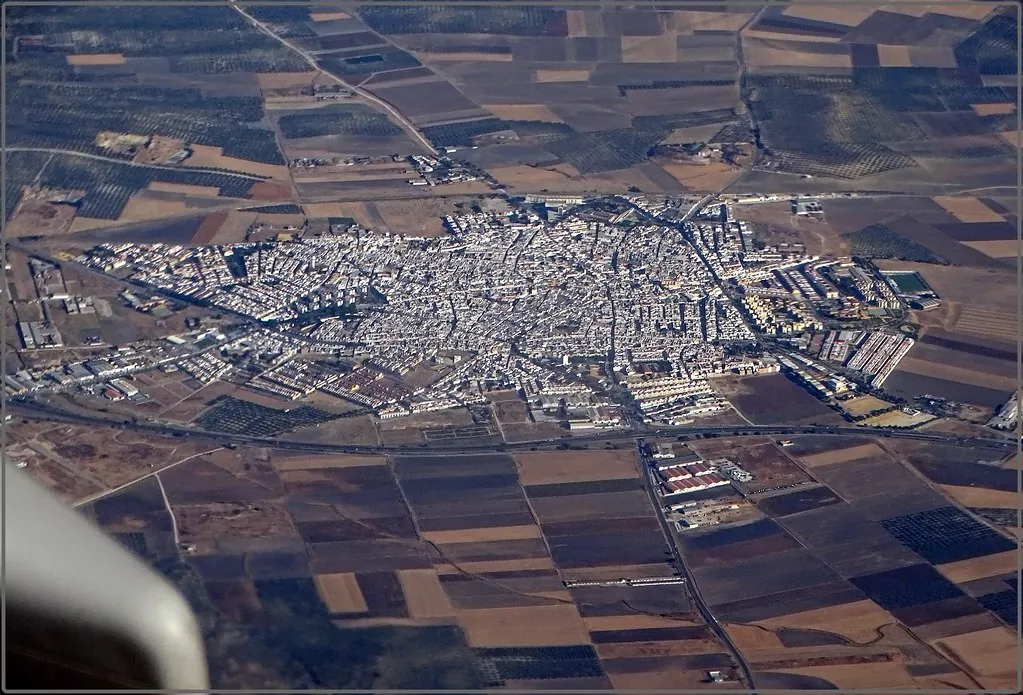
A town in the steppe farmland crossed by the Río Blanco, with a tradition of cereal farming.
Hide article Read full article
An Arrival Through Olive Country
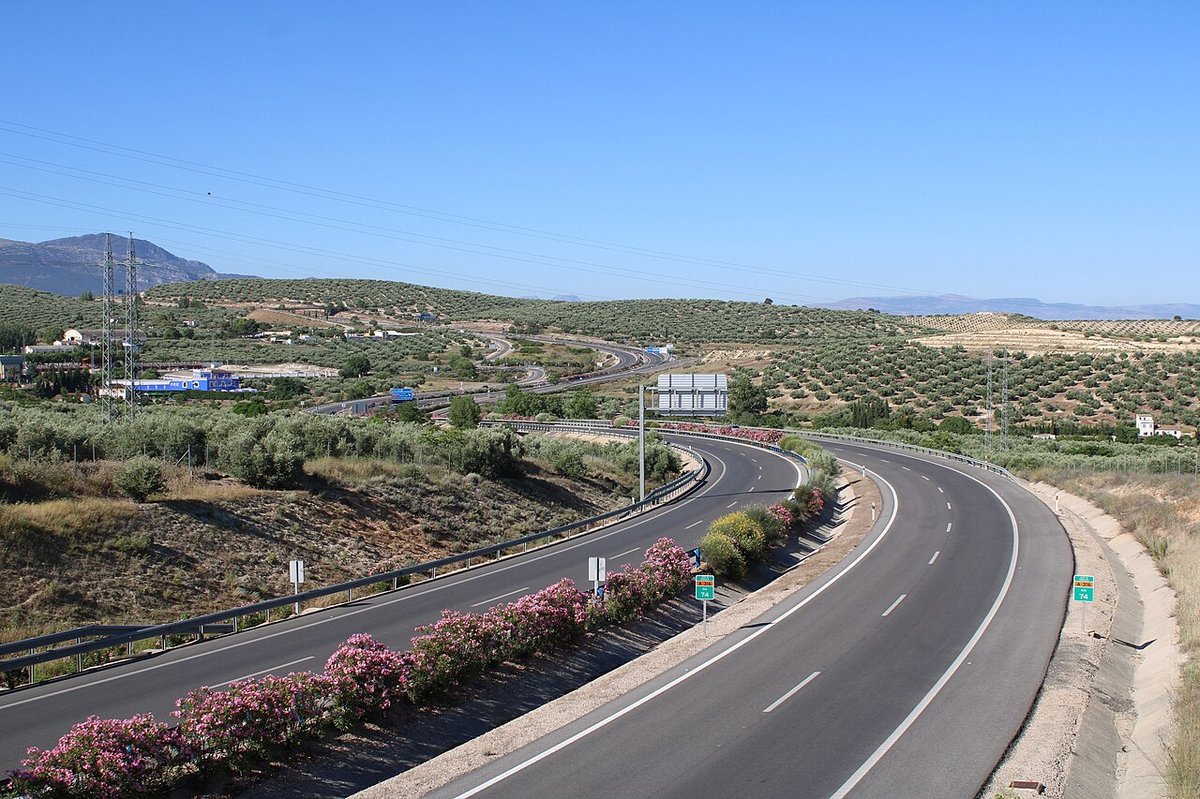
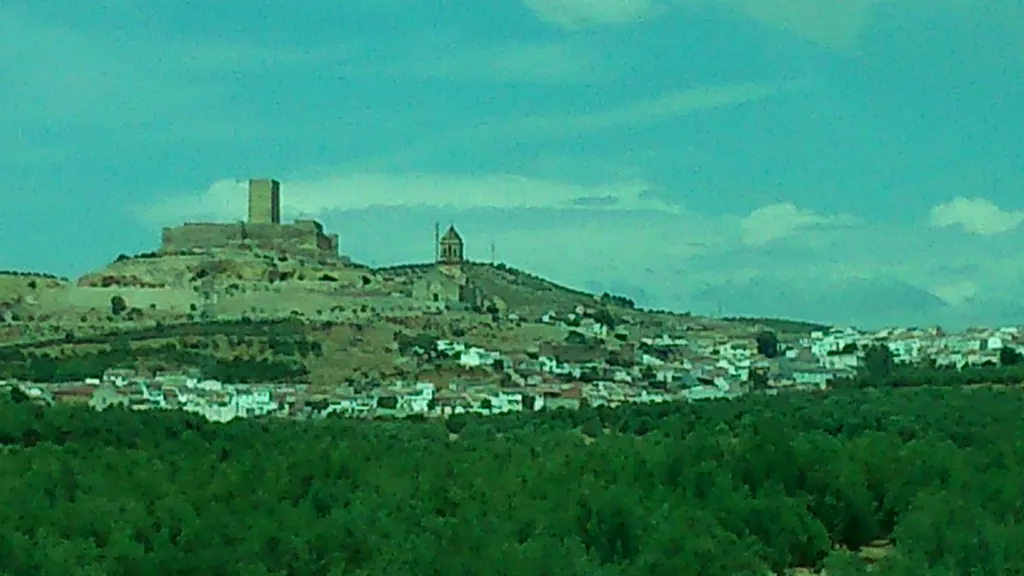
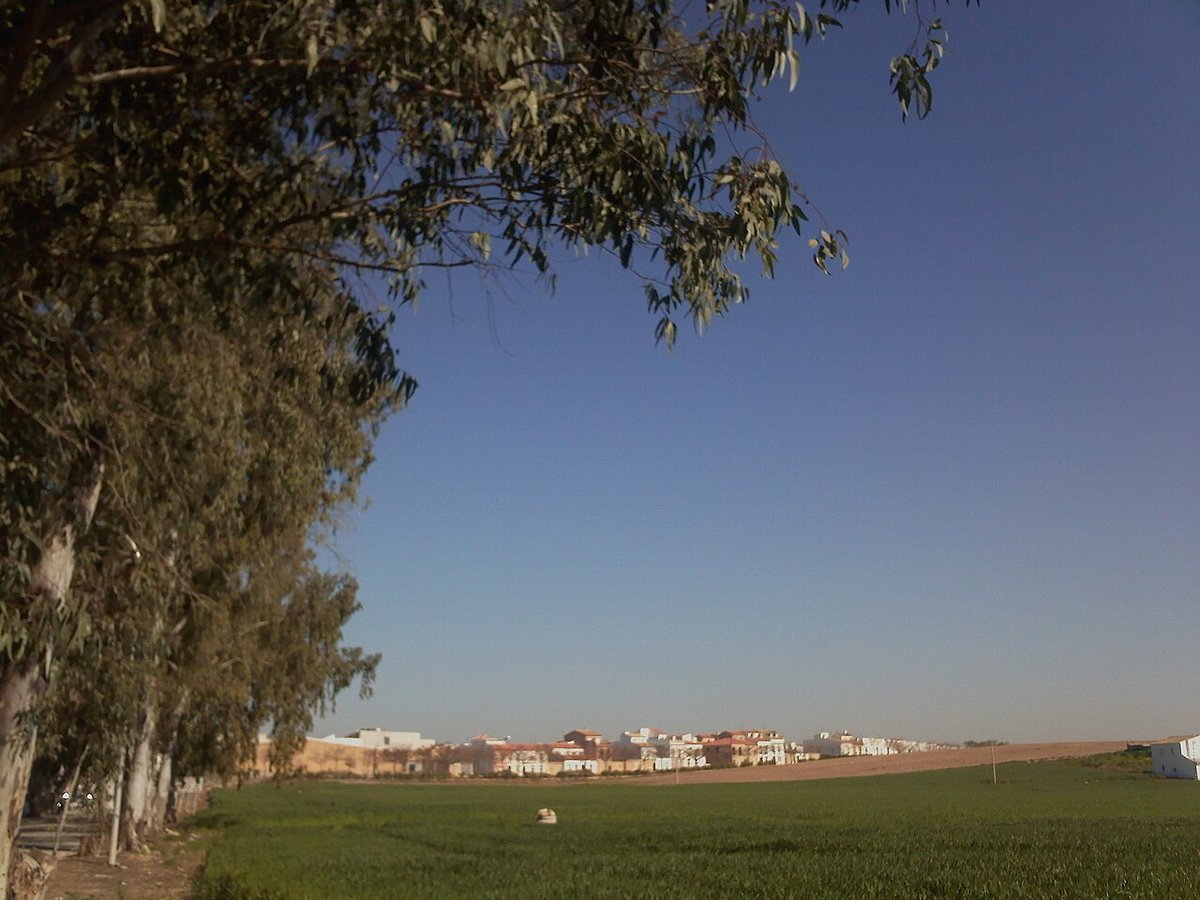
Several kilometres before reaching El Rubio, the olive trees take over the view. At first they appear scattered among wheat fields, then gradually form continuous stretches that blanket the rolling land in the grey‑green tones so typical of the Sevillian countryside. The approach by road makes the setting clear long before the village itself comes into focus.
El Rubio rises from this expanse of olive groves as a cluster of single‑storey white houses and broad, straight streets. Above them all stands the tower of the Iglesia de Nuestra Señora del Rosario, shaping the skyline and visible from some distance away. There are no dramatic entrances or abrupt changes in scenery. The landscape undulates gently, and the village seems to sit naturally within it.
This is not a place defined by grand monuments. Its identity is tied to the surrounding farmland and to the rhythms of agricultural life that have shaped both the land and the settlement for centuries.
Lordship, Land and Urban Form
The history of El Rubio is closely linked to the reorganisation of territory that followed the Castilian conquest in the mid‑13th century. These lands came under the control of the Orden de Calatrava, a military order that played a significant role in administering and defending frontier regions. That arrangement influenced patterns of ownership and governance for generations.
Later, El Rubio became part of the seigneurial domain associated with the house of Osuna. As in other parts of the Sevillian countryside, this structure of landholding shaped everyday life for agricultural labourers and small farmers. The social and economic framework of the area developed within that context, with large estates and rural work at its centre.
That past helps explain the village’s layout. El Rubio grew without defensive walls or major civic buildings. Instead, it developed as a practical agricultural settlement: low, functional houses, wide enough streets for carts and animals, and an overall sense of openness. The Iglesia de Nuestra Señora del Rosario, built in the 18th century on the site of earlier structures, remains the most prominent building. From its surroundings, there are open views across the gently rolling countryside that encircles the municipality.
The local economy has traditionally revolved around farming. Olive groves occupy much of the municipal area, and livestock has also played an important role, particularly pigs. From that livestock tradition comes a large part of the village’s food culture, closely linked to the matanza, the traditional pig slaughter that once structured the rural calendar and made use of every part of the animal.
When the Village Comes Together
For much of the year, El Rubio moves at an unhurried pace. There are, however, moments when that routine shifts and the streets fill with activity.
One of the most traditional events is the romería connected to the Virgen del Rosario. A romería is a religious pilgrimage, usually festive in character, and in this case it heads towards the Santuario de la Fuensanta, located a few kilometres from the village centre. People typically make the journey on foot or in carts, spend the day at the sanctuary, and return to El Rubio before nightfall. It is both a devotional act and a social gathering, rooted in long‑standing custom.
In summer, the local feria takes place. For a few days the population swells as residents and people from nearby towns join the celebrations. Many families who live elsewhere choose this moment to return. The feria alters the usual rhythm of the municipality more noticeably than at any other time of year.
In recent years, El Rubio has also hosted Gallape Rock, a festival dedicated to rock music that has gained some recognition in the area. For a village of just over three thousand inhabitants, an event of this kind changes the atmosphere considerably, even if only for a short period. It adds a contemporary layer to a calendar otherwise shaped by agricultural and religious traditions.
Between Olive Groves and Dehesa
The municipal area of El Rubio is not large, yet it offers a clear summary of the landscape typical of this part of the Sierra Sur of Seville province. Olive groves dominate, stretching across gentle hills in ordered lines. In certain areas, holm oaks appear, forming small patches of dehesa. The dehesa is a traditional Iberian landscape of scattered trees and pasture, historically used for grazing livestock.
The road from Osuna crosses this agricultural mosaic without dramatic shifts in elevation. There are no mountain passes or steep climbs. Instead, the countryside rises and falls softly, with low hills from which it is possible to see kilometres of cultivated land. It is a terrain shaped over centuries more by farming than by striking natural features. The hand of agriculture has gradually moulded the ground, defining both its appearance and its use.
This setting helps explain the consistency of the built environment. The village does not turn its back on the fields. Rather, it opens onto them, with streets that lead out towards tracks and rural paths. From the higher points within the urban area, the surrounding sea of olive trees is clearly visible.
Finding Your Way in El Rubio
El Rubio is reached by road from the A‑92, followed by regional routes that cross the countryside. The final approach is calm and free from heavy traffic. The village itself is compact enough to explore on foot without difficulty.
The parish church and the nearby square serve as natural reference points when orienting yourself. From there, the layout of straight streets and low houses becomes easy to follow. Walking through the upper streets provides a good perspective over the olive groves that define the municipality.
Those interested in vernacular architecture may want to look closely at some of the older farmhouses within the village. Many retain large gateways designed for carts, interior courtyards with a cistern, and corrals at the back. This arrangement is typical of agricultural settlements in this part of Seville province and reflects practical needs rather than stylistic ambition.
In the bars around the centre, menus often feature dishes closely tied to local tradition. Different cuts of pork cooked over charcoal, preparations associated with the matanza, and simple country stews reflect a food culture grounded in livestock and seasonal work.
Spring and autumn are usually the most pleasant times to walk along the surrounding paths. In summer, the heat can be intense, as in much of the Andalusian countryside, though it coincides with the days of the feria when the village adopts a completely different tempo.
El Rubio does not compete in monumentality with nearby towns such as Osuna or Écija. Its appeal lies elsewhere: in understanding how an agricultural village in the Sevillian countryside functions. Clear streets, an unhurried pace of life, and an expanse of olive groves that shapes both landscape and character define the experience of this corner of Andalucía.