Full Article
about El Saucejo
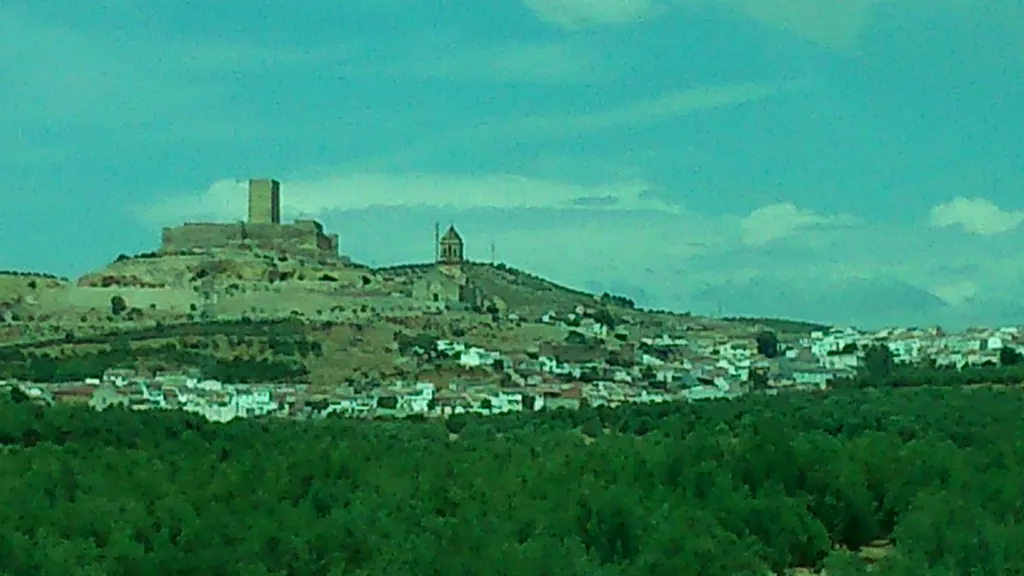
Municipality in the Sierra Sur with several villages and a landscape of olive groves and low scrubland.
Ocultar artículo Leer artículo completo
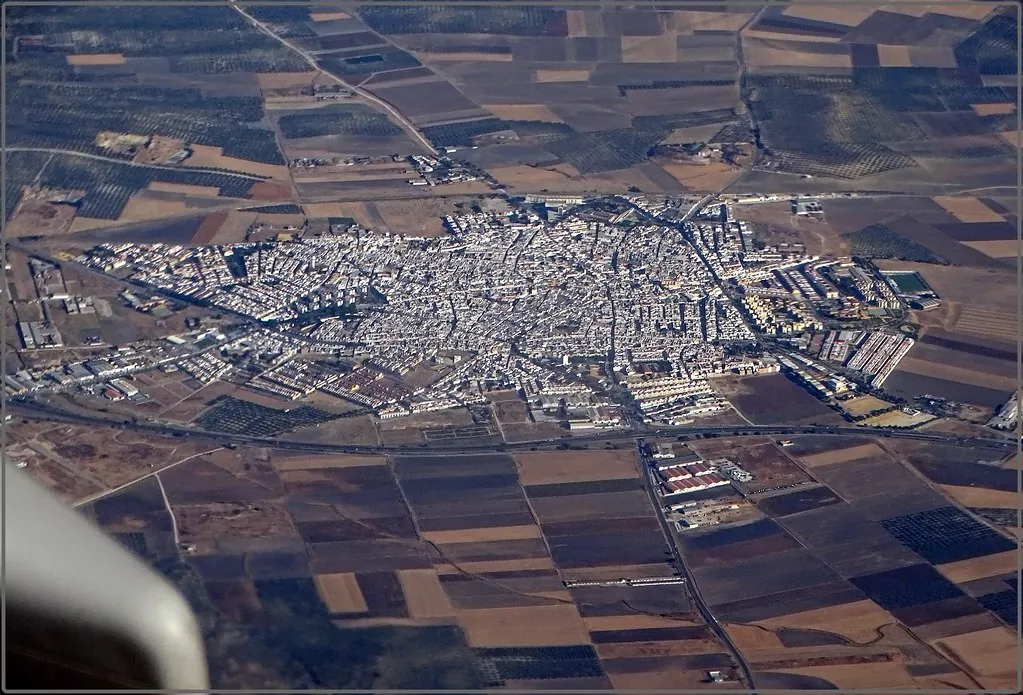
The church clock strikes midday and every bar terrace fills with field hands still dusted with grey soil. In El Saucejo nobody rushes lunch; the wheat and olives have waited centuries, they can wait another hour. This is Sierra Sur life at 527 m, halfway between Seville’s heat and the Costa’s crowds, and the first thing a visitor notices is the arithmetic: 4,246 neighbours, 12,000 ha of olive groves, zero tour coaches.
A town that works, then rests
Whitewash here is a working uniform, not a photo prop. Houses are scrubbed each spring because families take pride, not because a guidebook demands it. Balconies hold washing lines more often than geraniums, and the loudest noise at 15:00 is the squeak of the municipal pool gate as teenagers trail towels behind them. The pool—open June to September, €3 entry—comes with an attached bar that accepts only cash. Order a caña and you will sit beside builders, not bloggers.
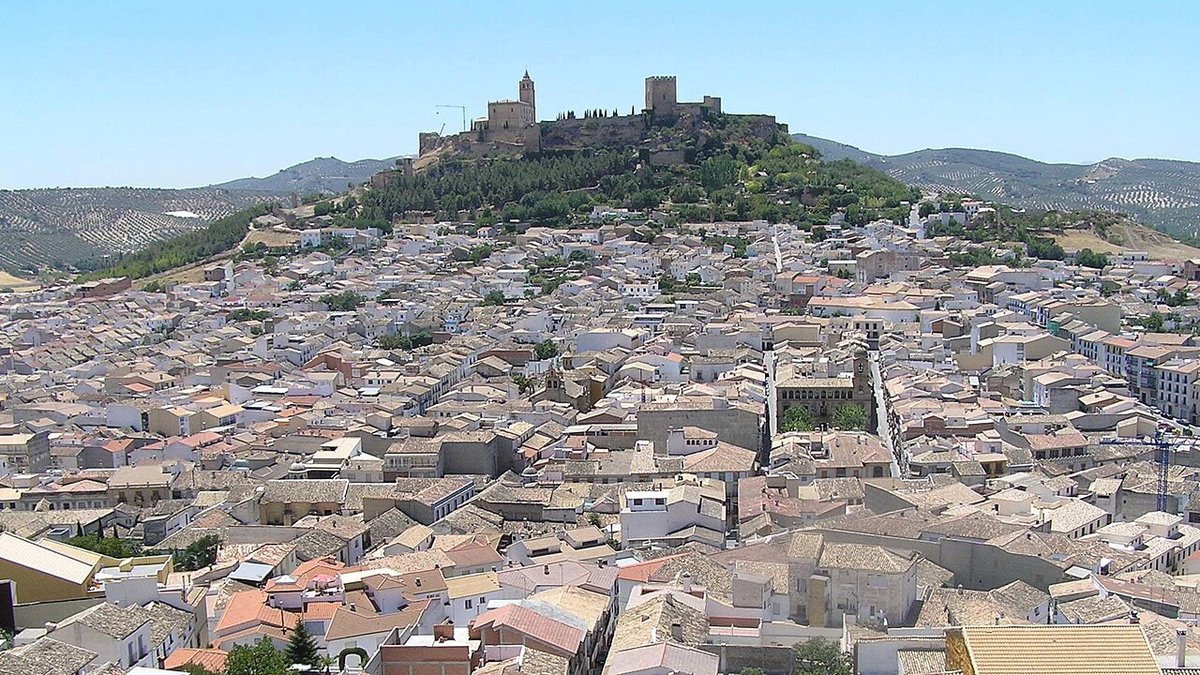
The centre is a textbook Spanish grid of eight streets, tilted just enough to make calf muscles notice. At the top sits the parish church, rebuilt piecemeal after the 1755 Lisbon earthquake; stone blocks still carry masons’ marks. Step inside and the temperature drops ten degrees; the interior smells of candle wax and the previous night’s incense. No charge, but a discreet box hopes for a euro.
Walk downhill five minutes and you reach the last houses; beyond them the land folds into a herringbone pattern of olive terraces. The trees are old—many pre-date the Second World War—and their trunks twist like barley sugar. From February to April the undergrowth glows yellow with wild oxalis; by July everything crackles. This is not gentle countryside, it is a workplace, and the municipality keeps 170 km of agricultural tracks open so farmers can reach their plots. Those same tracks double as walking routes early on Sunday mornings when the tractors sleep.
What you’ll actually eat
Forget tasting menus. The daytime offer is mesón or bar, and the difference is whether the tablecloth is paper or fabric. Mesón El Puente, on the A-451 as you enter town, grills beef from the neighbouring province of Córdoba over holm-oak charcoal. A 400 g chuleton sets you back €22; chips and salad are extra, tap water arrives unbidden. Locals eat after 21:00, but staff will happily serve at 19:30 if you look hungry.
In the centre, Bar Restaurante El Lío prints no English menu; plates simply appear—salmorejo thick enough to hold a spoon upright, porra (the creamier, less spicy cousin) topped with diced ham, tagarninas (thistle stew) that tastes like artichoke with attitude. House wine is a young Rioja poured from a plastic jug; expect change from a twenty for two courses.
The only foreign concession is a single vegetarian pizza at the pool bar. Vegan? Ask for “ensalada sin atún, sin huevo” and be prepared to explain twice.
Navarredonda and the edges
Three kilometres east the tarmac narrows and mobile reception flickers out. This is Navarredonda, a scatter of 120 houses legally part of El Saucejo but emotionally independent. Chickens patrol the lane; a retired farmer sells eggs from a fridge on his porch, honesty box fashioned from an olive-oil tin. The hamlet celebrates its own fiesta each September: one evening mass, one night disco under a canvas awning, one afternoon paella for whoever turns up. Visitors are welcomed, though you may be asked to stir the rice.
Carry on another kilometre and you reach the Cerro de la Cruz, a limestone outcrop with a twenty-minute scramble to the top. The reward is a 360-degree view: south to the Ronda mountains, north across the Guadalquivir plain. On clear winter days the滑翔伞 (paraglider) club from Osuna uses the thermals; watch for coloured wings banking above the olive canopy.
When to come, how to get here, why you might leave early
Spring is the comfortable window—daytime 22 °C, nights cool enough for a jacket, countryside loud with bee-eaters and tractors that finally have moisture to work with. Autumn runs a close second; the olive harvest starts in November and the air smells of crushed leaves and diesel. Summer is fierce: 40 °C is routine, shade is scarce, and the only breeze drags dust across the square. Many locals relocate to coastal cousins for August; half the bars close.
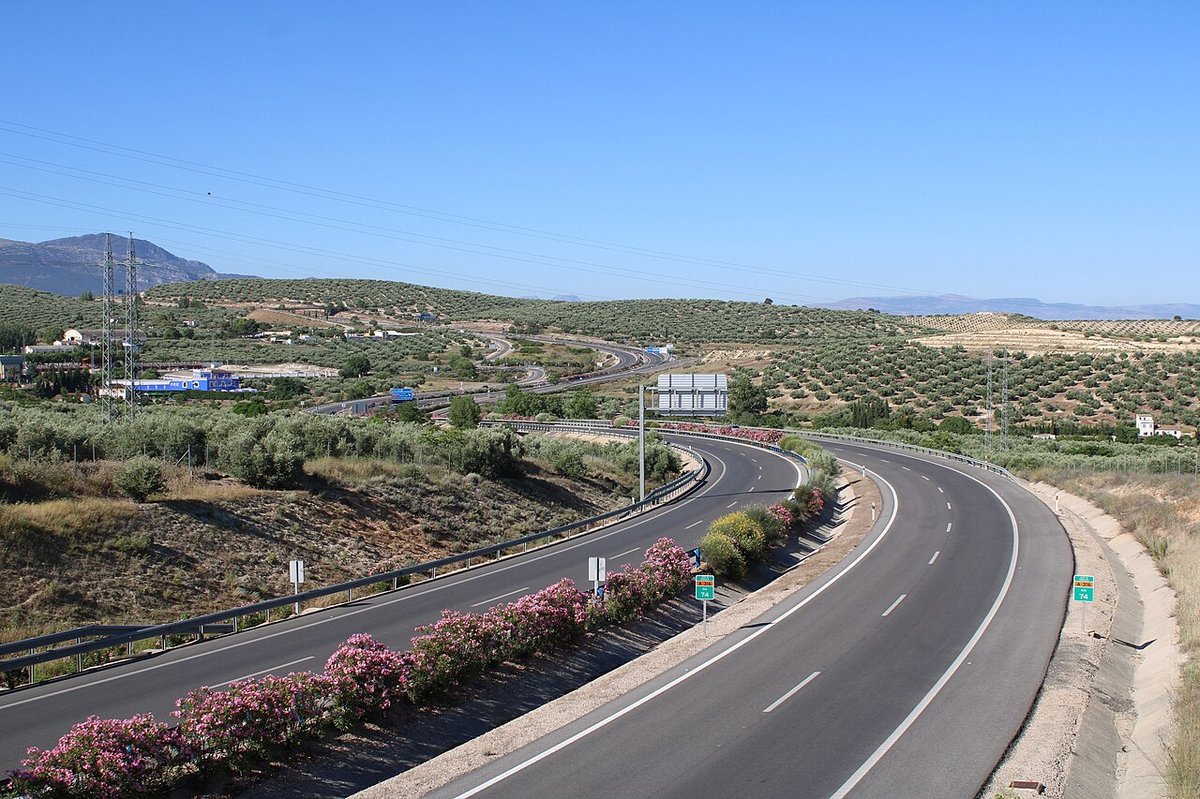
Public transport means two buses a day from Osuna, itself a 45-minute train ride from Seville. The last bus leaves Osuna at 18:00; miss it and a taxi is €35. Driving is simpler: Málaga airport to El Saucejo is 130 km on the A-92, toll-free and usually traffic-free after Antequera. Hire cars with full-to-full fuel policy are cheaper at the airport than in town; allow €40 for a three-day economy booking.
Accommodation is the weak link. There is no hotel, only three village houses registered for holiday lets (search “casas rurales El Saucejo”). Two sleep six, one sleeps four; prices hover round €80 a night with a three-night minimum. Book directly—owners speak enough English to take a PayPal deposit but do not expect Airbnb slickness. Failing that, Osuna has four decent hotels seventeen kilometres away; the drive back after dinner is empty but pitch black—full-beam essential.
Rain can spoil the plan. When it arrives—October and March mainly—clay paths turn to grease and even 4×4 locals stay parked. The municipal pool shuts, the bars fill with card players, and the view from the church steps is of low cloud instead of sierra. If your heart is set on hiking, check the forecast and bring boots with ankle support.
Leaving without a souvenir
There is no gift shop. Buy a half-litre of local extra-virgin from the cooperativa on Calle San Isidro—€5 if you bring your own bottle, €6 if you need theirs. The label lists acidity 0.2 % and a mobile number; ring it and the mill manager will WhatsApp you harvest photos. That is the only thing here designed to travel; everything else—lunch timing, hillside silence, the way old men touch their caps in greeting—has to be carried in memory.