Full Article
about Estepa
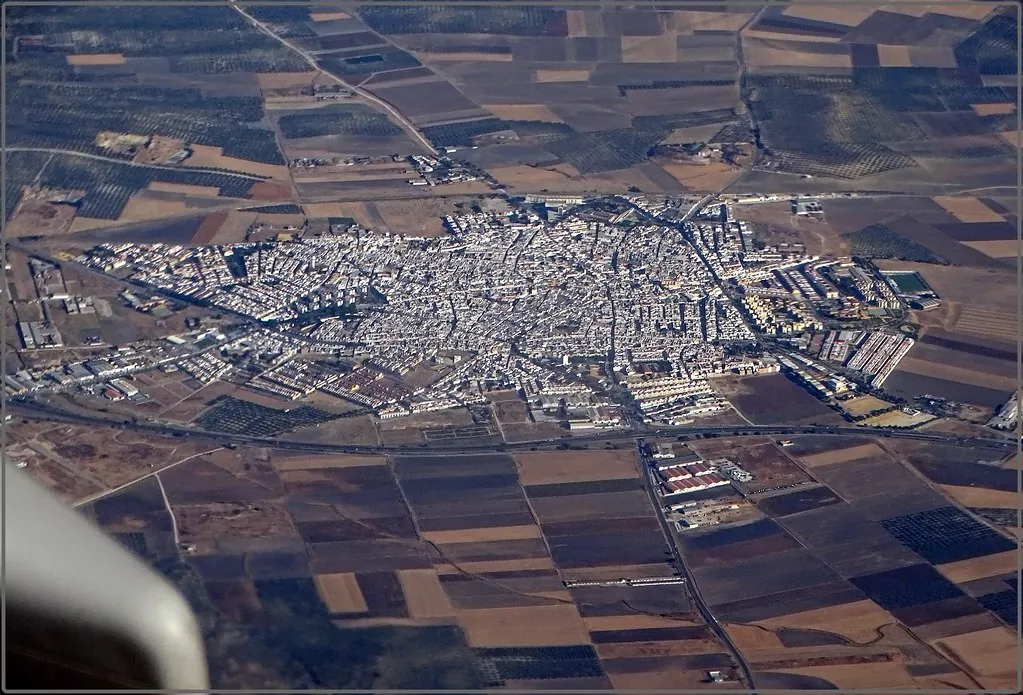
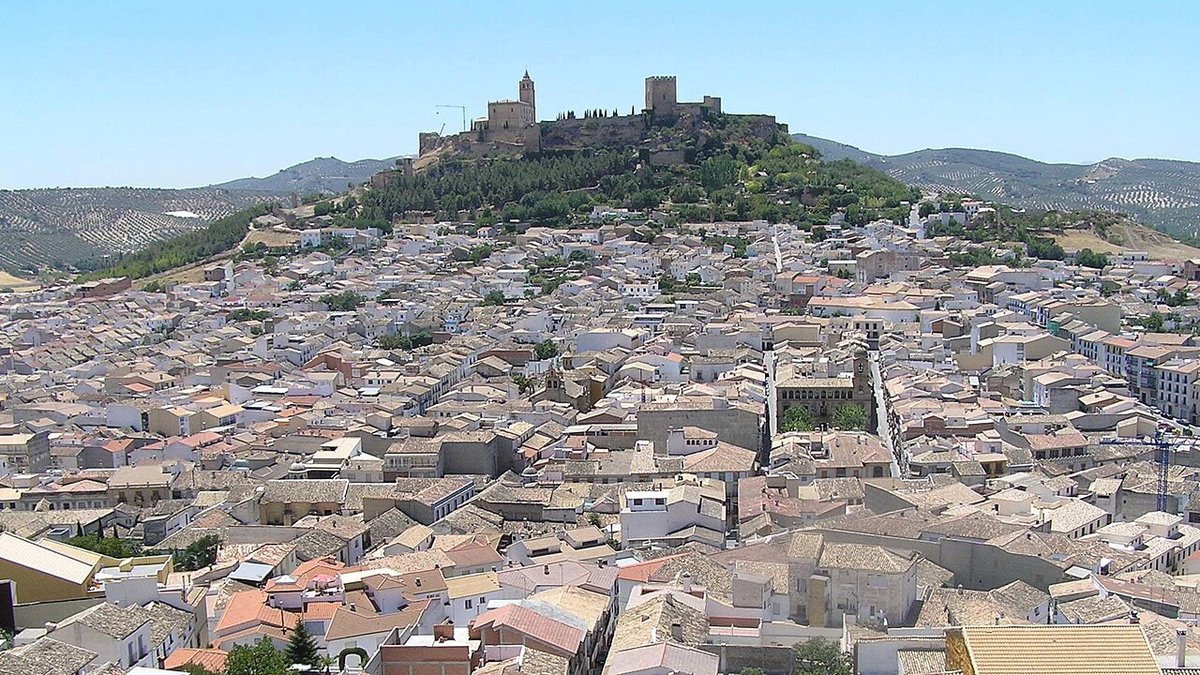
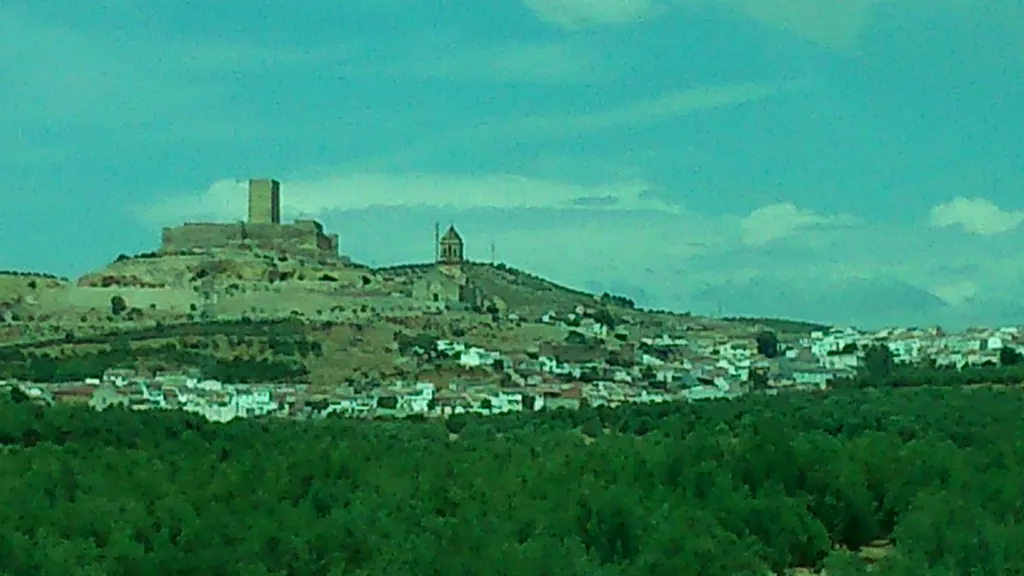
Town of mantecado and polvorón crowned by a hill with a castle and lookout over the countryside.
Hide article Read full article
The bells of the Torre del Homenaje strike eight just as the scent of warm lard and freshly baked almonds drifts down the slope of San Sebastián. It is December, yet in Estepa the cold carries no trace of damp. The air smells of icing sugar and cinnamon. Women from the nearby bakery cross the square with their aprons still on, picking up the day’s bread, while the turmeros, as local makers of polvorones are known, seal the last gold cardboard boxes of the day.
It is hard to picture that on this same hill, some 600 metres above sea level, defensive towers once stood where Almohad sentries watched the frontier.
The Season of the Ovens
Christmas production in Estepa is not folklore. It sustains much of the town’s economy. From October until Epiphany in early January, ovens run in shifts. On Calle Tiendas the smell of melted lard hangs in the air at almost any hour.
A visit to the wooden turnstile at the Convento de Santa Clara makes it clear that mantecados here are more than festive sweets. Through that dark wooden hatch, the nuns pass out boxes of biscuits without being seen. The ritual has lasted for centuries. In Estepa, the mantecado forms part of the town’s craft and identity.
A story often told locally traces the origins of the mantecado to the 16th century, when a Clarissan sister is said to have mixed pork lard, sugar and flour to create the first version of the biscuit as it is known today. The tale circulates widely, although how much belongs to history and how much to legend is difficult to say.
Buying polvorones in Estepa presents no challenge. Finding those made in small domestic kitchens takes a little more effort. Some private houses still open their garages for a couple of hours a day during the campaign. There is usually no sign outside. The giveaway is the smell of toasted almond that reaches the pavement.
A Hill Between Horizons
The climb to the Cerro de San Cristóbal makes particular sense when the town falls quiet. During the early afternoon many shutters come down and the steep streets empty. Wind moves through the lanes. A stray cat crosses from one wall to another.
From the top, olive groves roll towards the horizon. On especially clear days, some claim it is possible to make out the coast of Málaga. It does not always happen. What can always be seen is the way light alters the fields, shifting them from olive green to a leaden grey as clouds pass overhead.
The Torre de la Victoria, a solid cylinder that locals simply call la torre, was built in the 18th century on top of earlier structures that had already guarded this hill. For centuries it functioned as a control point over the surrounding territory. Today people come here towards evening and sit for a while, watching the sun drop behind the sea of olive trees.
The descent back into town follows the same slope, past whitewashed walls that hold the day’s warmth in summer and release it quickly in winter.
The Taste of Winter
The olla estepeña rarely appears in guidebooks. In many homes, however, it remains a winter Sunday staple. The dish is a chickpea stew with pork, eaten early before it cools. It is filling and direct, the sort of meal that suits short days.
In local bars, a request for salmorejo often brings a version thicker than the one served in Seville, almost spreadable. It contains more garlic and less tomato. Bread accompanies it well, with a dense crumb and thick crust. Pieces are torn by hand while waiting for the plate to arrive.
Winter tends to flatter Estepa. Summer heat settles between lime-washed walls and the streets empty at midday. January brings a clear light that sharpens the colours of the façades: ochres, vermilions, muted yellows. Many households still have mantecados left from the Christmas season, stored in tins or boxes that seem to last longer than expected.
Nine Days of Holy Week
Holy Week in Estepa begins on Palm Sunday with La Borriquita and continues until the following Sunday. Nine brotherhoods take part, with nine processions spread across those days.
The old quarter forms a tight network of slopes where cars pass with difficulty. Nazarenos in pointed hoods brush close to whitewashed walls as they move through the narrow streets. Silence breaks with the sound of drums and the faint crackle of hot wax falling onto the ground. The scent of wax and jasmine clings to clothes for hours afterwards.
In April, visitors may coincide with the romería of San Marcos, traditionally held around the 25th of the month. Early in the day, carts head out towards the countryside. Embroidered blankets are laid over the grass and bottles of white wine pass from hand to hand. There is little formal structure. The custom is to meet as usual beneath the pine trees and share food together.
Walking Out of Town
The Ruta del Manantial de Roya begins almost where the town ends. The trail runs for around three kilometres between old olive trees and the remains of former water mills. The spring emerges directly from the rock, forming small pools where white-throated dippers can sometimes be seen darting quickly among the stones.
In autumn, when the olive trees are heavy with fruit, the ground smells of crushed grass and damp earth. There are no fountains along the path.
Estepa also lies on the route known as the Camino de Santiago. Even here, in a town more closely associated with Christmas biscuits and olive groves, the long pilgrimage route leaves its trace.
Estepa does not rely on grand statements. Its rhythm follows ovens in winter, shutters in the afternoon and processions in spring. From the hilltop towers to the convent turnstile, daily life unfolds with a continuity that links defensive walls, sweet-making workshops and shared meals under pine trees.