Full Article
about Frailes
Mountain town known for its medicinal waters and spa; setting of great scenic beauty
Hide article Read full article
At midday, when the sun falls straight onto the whitewashed façades, Frailes smells of fresh limewash and olive trees. A door opens onto the square, a shutter comes down with a dry thud, and the church bells mark the hour with an unhurried rhythm that feels older than the day itself. The streets rise and dip without much logic along the hillside. From some windows comes the scent of food cooking slowly.
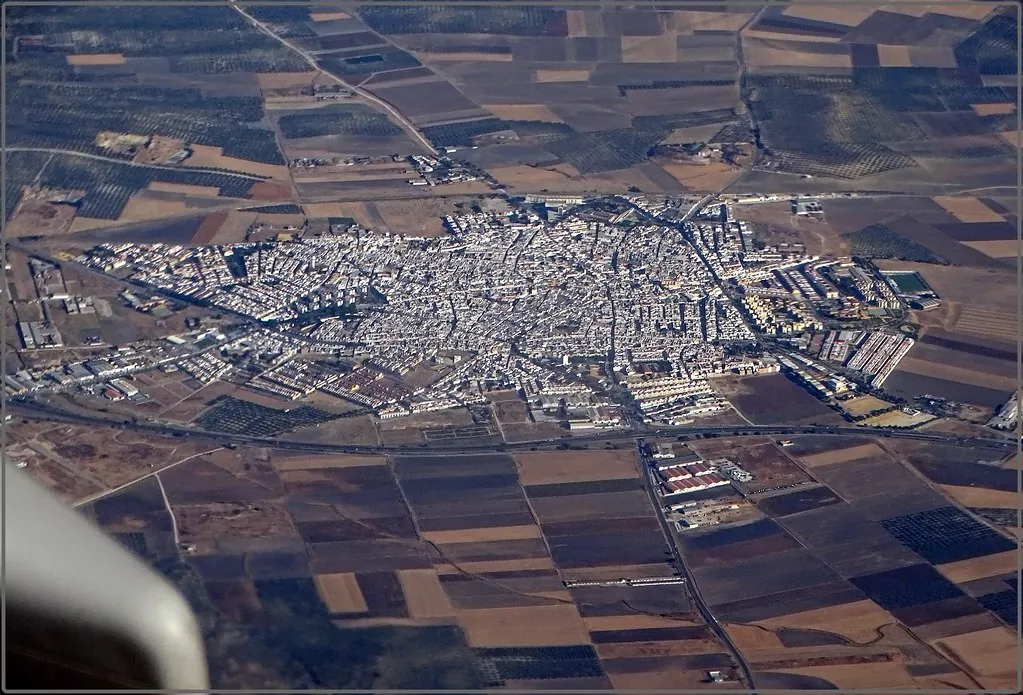
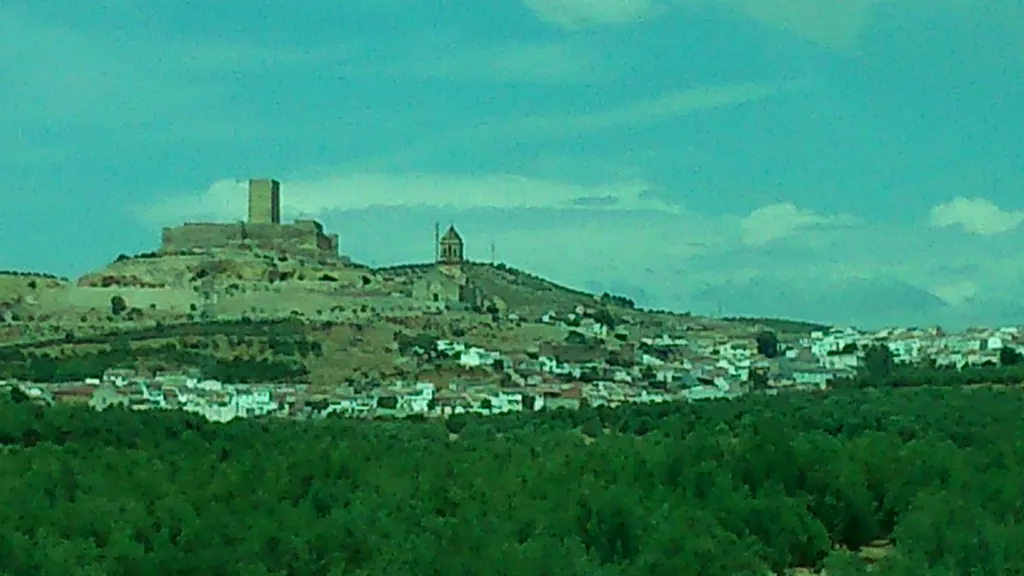
Frailes sits in the Sierra Sur of Jaén and keeps the pace of an agricultural village where the day still revolves around the fields. There are no grand monuments or vast ceremonial squares. Instead there is weekday quiet, tractors moving steadily through town, and a horizon filled with olive groves.
A Village on the Slope
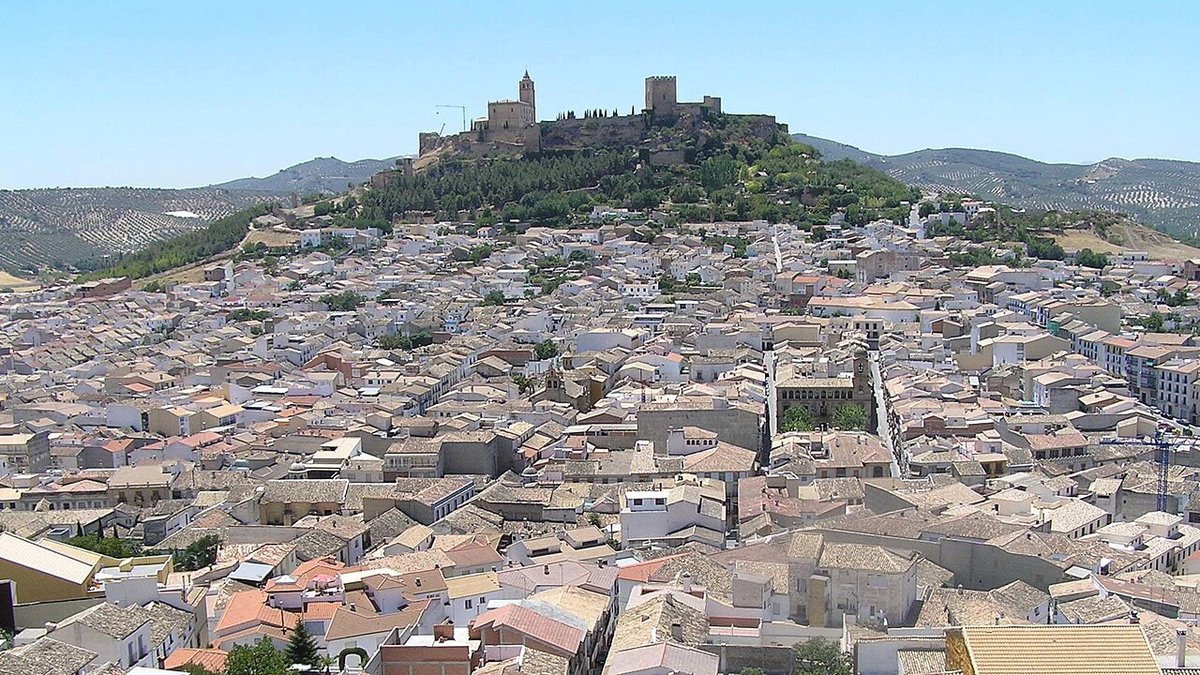
The town centre climbs a small rise known as Cerro de la Villa. Walking here means tackling short but steady inclines. Comfortable shoes make a difference, especially in the hotter months, and it is worth taking things slowly when the heat builds.
At the top stands the church of Nuestra Señora de los Remedios. The building is sober in style, with clear lines and a tower visible from several points in the village. Inside, dark wood dominates and light filters in through high windows, creating a subdued atmosphere. At certain times of day, the silence is complete.
From nearby streets, the view opens out over the olive groves that surround the municipality. The pattern of trees stretches across gentle hills, forming an almost regular design on the pale earth.
Through the Old Streets
The layout of the historic centre is irregular. Narrow streets, some curving slightly, are lined with almost continuous white façades. Here and there, tiled plinths break up the white, and wrought-iron balconies project modestly over the street.
Calle Real acts as the main axis. Along it, older houses stand beside more recently renovated homes. Some properties still have interior courtyards where orange trees or grapevines grow, casting welcome shade in summer.
Early morning is the best moment to sense the village atmosphere. There is movement, but the heat has not yet settled in. Daily life unfolds at an unforced pace, shaped by routines that have more to do with the land than with the clock.
Olive Groves and Rural Paths
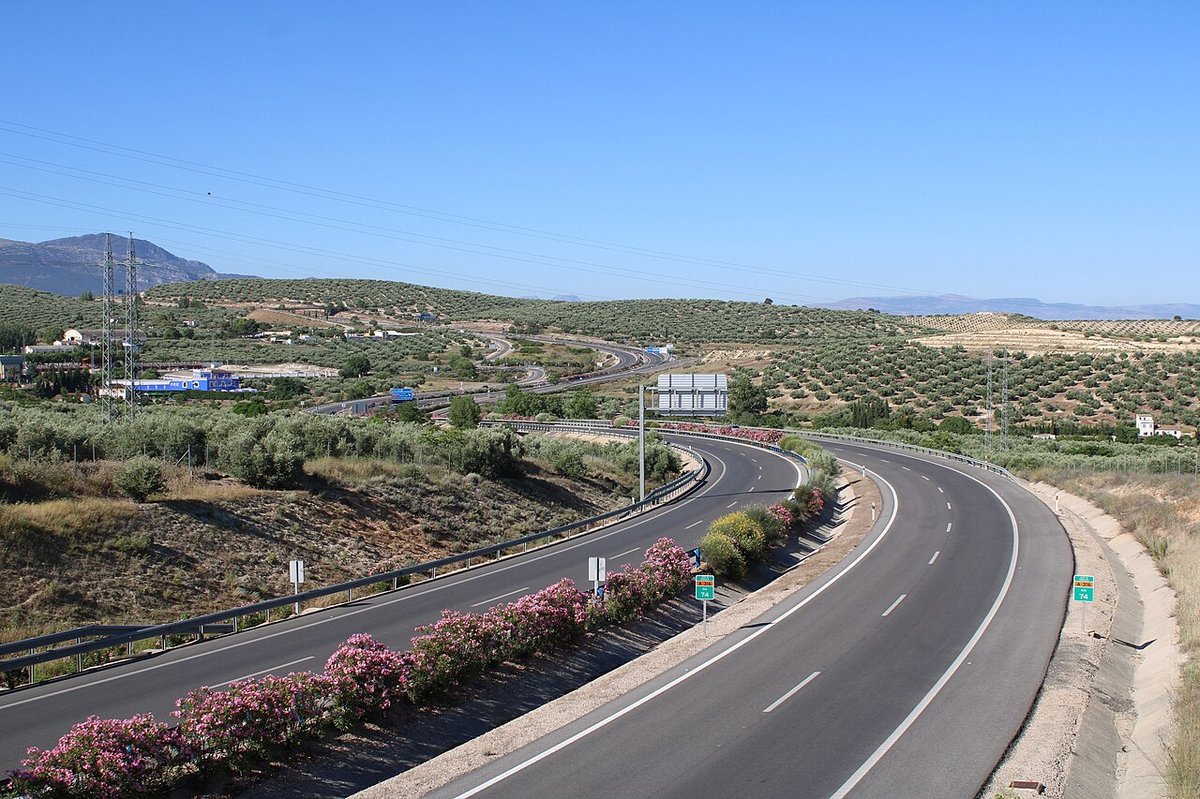
Step beyond the built-up area and the landscape changes almost immediately. Olive groves begin and scarcely let up. The rows follow the soft contours of the hills, drawing lines across the terrain.
Among the fields stand scattered cortijos, traditional rural farmhouses, and remnants of older structures linked to olive oil production. Some retain thick walls and roofs of curved clay tiles, practical solutions to heat and time.
Rural tracks thread through the groves and patches of scrubland. They allow for hours of walking among olive trees and low vegetation. The routes are not usually demanding, though in summer the sun can be intense. If heading out on foot, it makes sense to start early or wait until the light begins to soften in the late afternoon.
With a bit of luck, birds of prey can be seen circling above the hills. In more rugged areas, mountain goats sometimes appear, moving across the slopes with ease.
Home Cooking and Olive Oil
Cooking in Frailes is closely tied to olive oil and to what is grown locally. In many homes, migas are still prepared when the weather turns colder. This dish is made from breadcrumbs fried with garlic and pieces of cured sausage, a simple, filling meal rooted in rural tradition.
A thicker version of gazpacho serrano is also common. Unlike the more familiar chilled tomato soup from other parts of Spain, this one contains less water and has a more concentrated flavour. Extra virgin olive oil gives character to many dishes and is central to the local diet.
In autumn, when the olive harvest begins, the rhythm of the village shifts. Trailers move through the streets, conversations revolve around the crop, and the scent of the countryside changes. Activity increases in the fields, while the streets can feel quieter during the working day.
Festive Days and Seasonal Changes
The festive calendar in Frailes includes celebrations linked to the village’s patron saint and to religious tradition. During these days, the streets fill with music, temporary stalls and processions that pass through the centre.
Semana Santa, or Holy Week, is also observed here. Religious floats are carried by local residents rather than by large external brotherhoods. It is not a mass event, yet it has a distinctly close-knit feel, shaped by neighbours and families taking part.
In the months of agricultural harvest, especially in autumn and winter, Frailes shows another side. There is more movement in the countryside and less in the streets. Work in the olive groves sets the tone, and daily life adjusts accordingly.
When to Visit Frailes
Summer in the Sierra Sur can be harsh from midday onwards. Anyone visiting Frailes at that time of year will find it wiser to go out early and leave longer walks for the end of the afternoon.
Spring and early autumn are generally gentler seasons for exploring both the village and the surrounding paths. The light is softer and the countryside takes on different colours, from fresh greens to the muted tones that precede the harvest.
Frailes does not try to impress. It is a small village surrounded by olive trees, where the wind can still be heard in the nearby sierras and where daily life continues to be shaped by agricultural work. What matters here unfolds slowly, and most of it happens outdoors, under a wide Andalusian sky.