Full Article
about Gilena
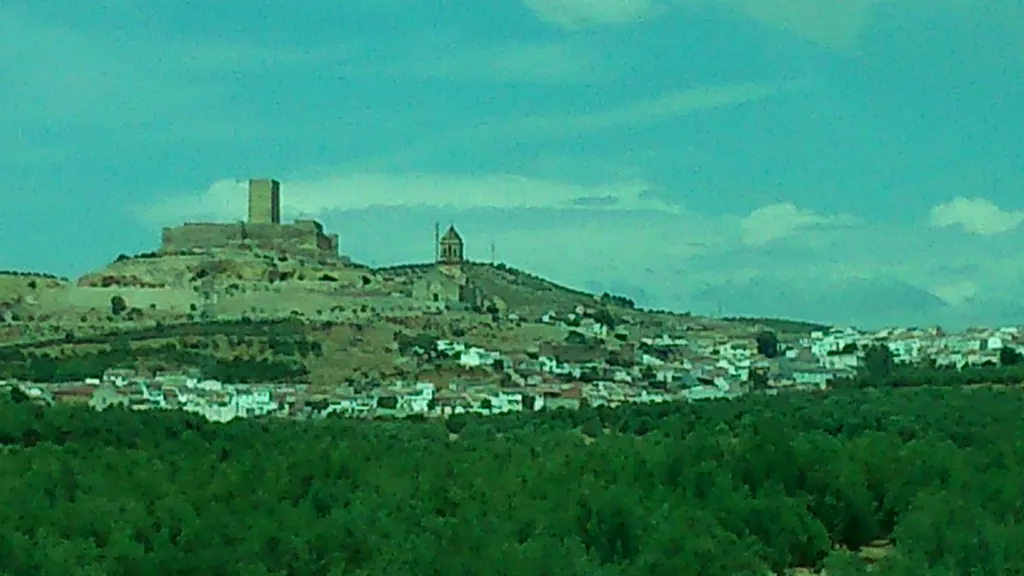
Sierra Sur town with major Chalcolithic remains and a landscape of springs.
Hide article Read full article
A turn off the main road
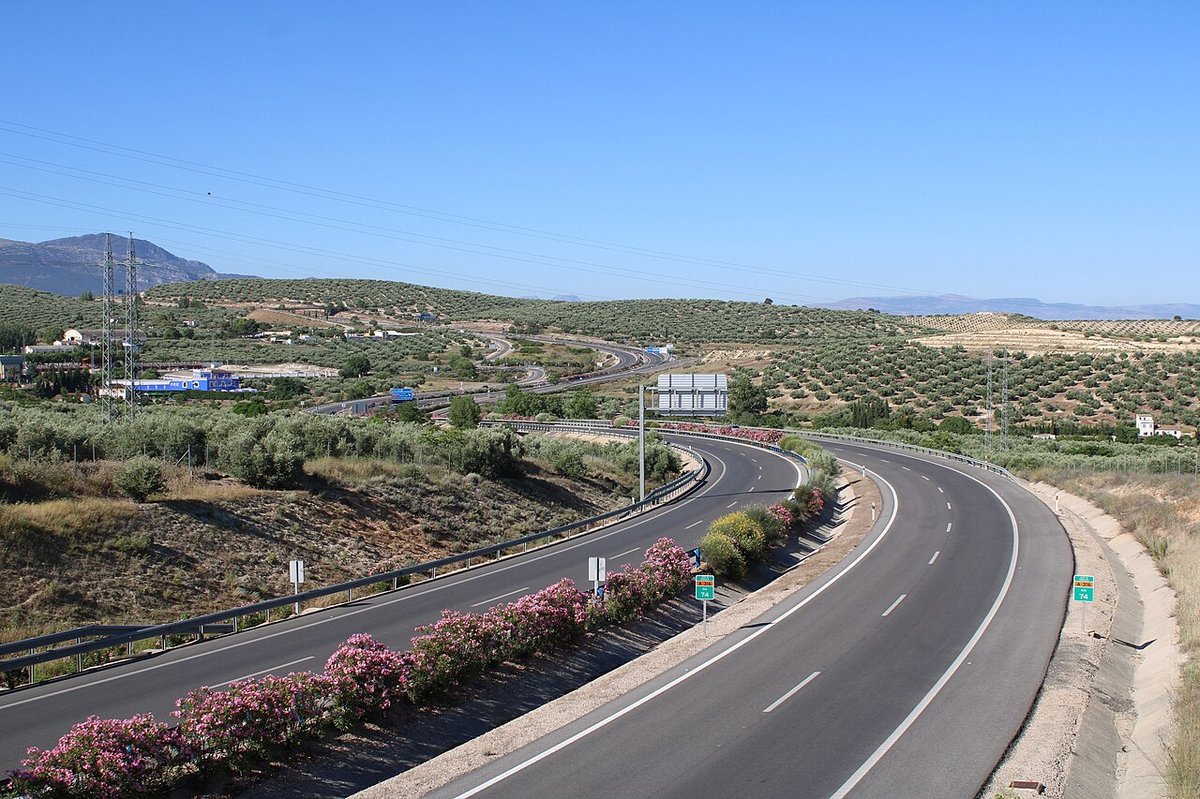
There is a moment just after leaving the A‑92 and turning onto a local road when the GPS seems to lose confidence. “Turn left,” it says, but the only thing on the left is an olive grove. “Take the second exit,” but that exit is a dirt track that looks as if it leads straight into the 19th century. That tends to be the first contact with tourism in Gilena: a place that is not lost, yet rarely reached by accident.
The approach sets the tone. This is not a destination that announces itself loudly or competes for attention. It sits quietly in the Sevillian countryside, close enough to major routes yet just far enough removed to feel separate from them.
A village shaped by water
Gilena has something in common with those people who do not stand out at first but reveal an interesting backstory over time. Its origins go back to the 16th century, when it began as a cortijo dependent on Estepa. At that point it was home to only a few dozen residents, who likely felt they lived at the centre of everything.
In a way, they were not entirely wrong. The spring known as the Ojo de Gilena powered several mills, which in those days meant a significant part of the local economy depended directly on that water source. The village grew from that practical foundation rather than from grand plans or strategic importance.
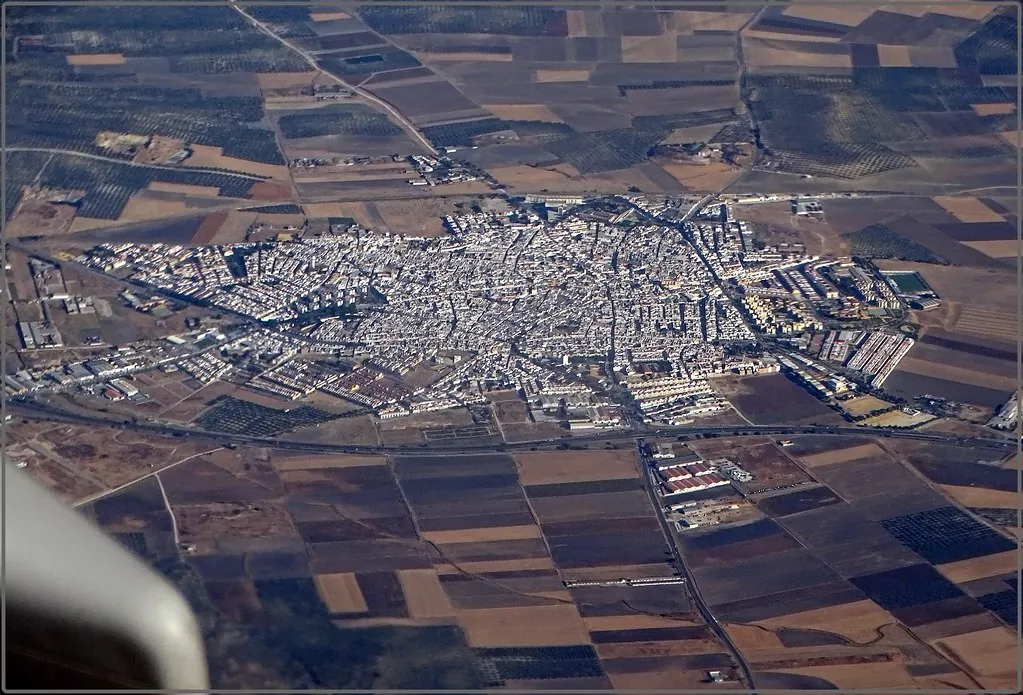
Today, Gilena has around 3,600 inhabitants. It is not especially large, but neither is it the sort of place where every newcomer draws attention. Life moves at a steady, ordinary pace, and that normality shapes the experience of being there.
Food says a lot about any place, and here it leans firmly towards the familiar and homemade. Gazpacho, for instance, has little to do with the lighter versions often found along the coast. In Gilena it tends to be thick, with pieces in it, served in a bowl that looks small until a few spoonfuls in. Habas con jamón is another local staple: broad beans, usually from nearby fields when in season, combined with ham that is cut in the kitchen rather than taken from a packet.
When everything shifts
A visit to Gilena can feel very different depending on timing. On an ordinary day, the atmosphere is calm. A walk along Calle Real, the main street, gives a quick sense of the place. People go about their routines, conversations drift out from doorways, and time does not seem to hurry.
That impression can change completely during the romería of the Virgen de la Salud, a traditional pilgrimage and one of the most anticipated moments of the year. The village appears to empty, but only because much of the population heads towards the hermitage about three kilometres away.
The movement towards the countryside brings a different kind of energy. Carts, horses and entire families travel together. Food appears from all directions, music carries across the open space, and the day stretches out in a shared celebration. It has something in common with neighbourhood festivals where everyone ends up in the same place, except here it unfolds in the fields rather than in a single street.
Anyone who happens to arrive during that romería quickly understands its importance. It reveals a rhythm that is not obvious on quieter days.
Walking the surroundings
The routes around Gilena do not aim to impress in the way more famous walking destinations might. These are paths used by locals for a stroll, a bike ride, or simply to get out for a while. Their appeal lies in how they connect the village to its surroundings rather than in dramatic landmarks.
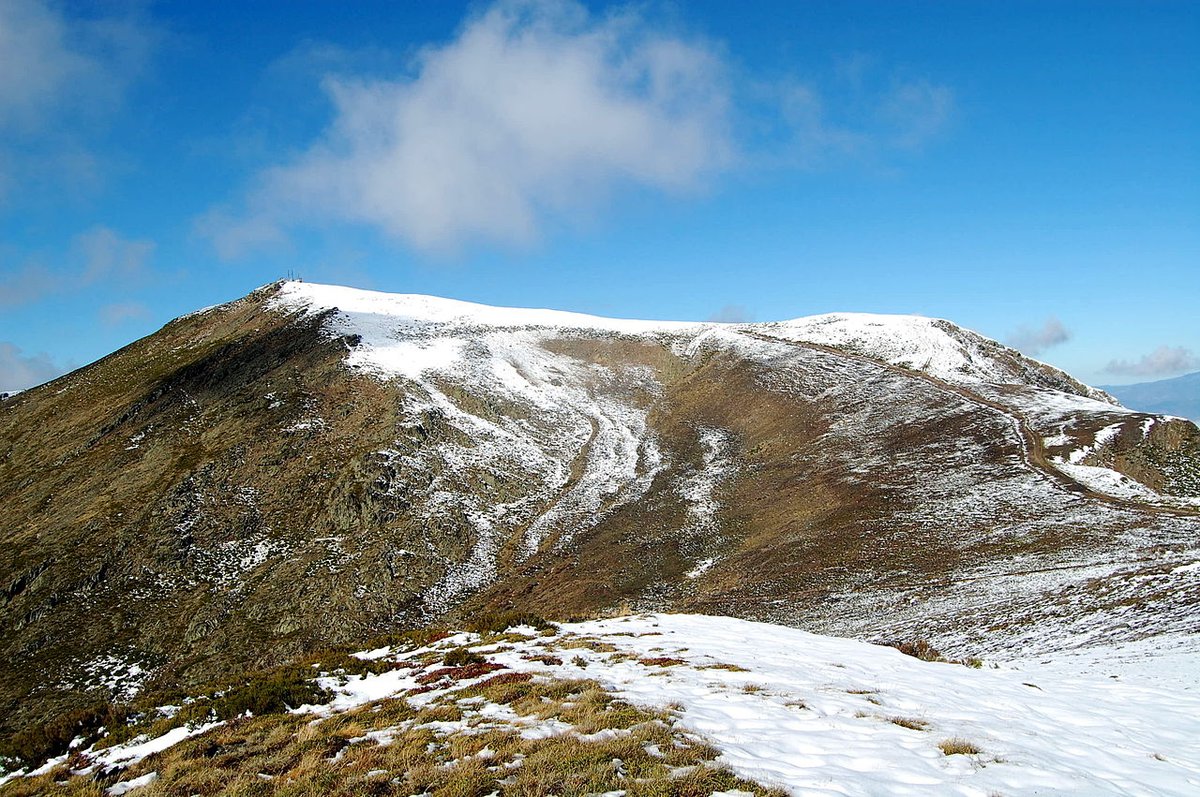
The area known as the Sierra del Becerro offers a few higher points where the landscape opens up. From there, the view stretches across the valley and the wide expanse of olive groves that cover much of the province. It is not a striking viewpoint in a dramatic sense, but it helps place everything in context. The scale of the countryside becomes clearer, and so does Gilena’s position within it.
Another route leads to what are referred to as the Roman baths. The walk is around five kilometres and ends at remains that, at first glance, look like little more than scattered stones. The perspective shifts once someone from the village explains that these are the traces of baths from nearly two thousand years ago. With that in mind, the site takes on a different meaning, even if the physical remains are modest.
A name in the square
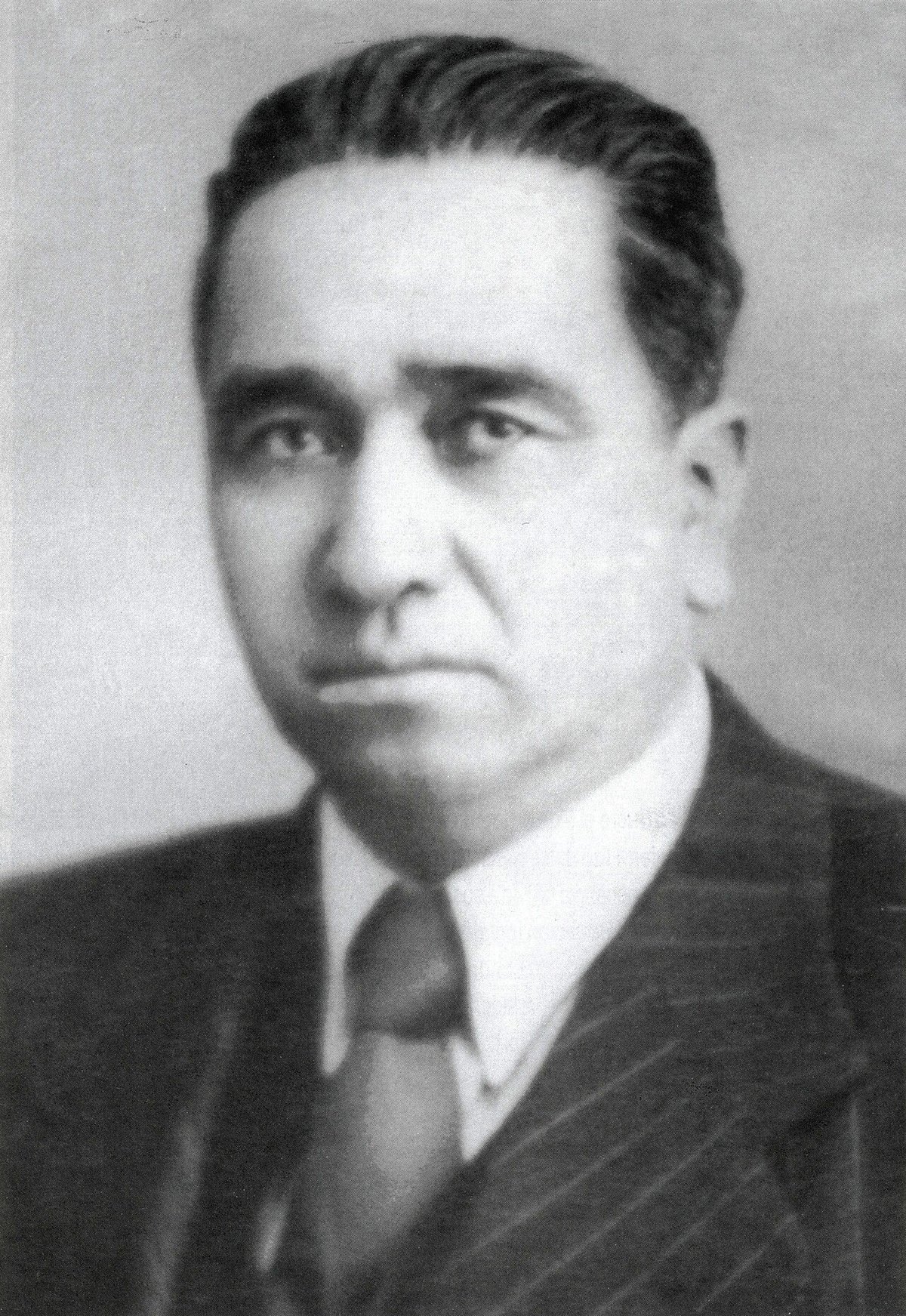
In the main square stands a bust of Francisco Maireles Vela, a name that may not be widely recognised outside certain circles. He was one of the best-known religious painters in Seville during the 20th century.
His life followed a path that took him away from Gilena for many years, with much of his work centred in Seville. Later on, he returned to the village in his final years. That kind of return says something about the place, even if it is hard to define precisely. Larger cities may offer more opportunities, yet Gilena seems to hold a quieter kind of pull for those who have roots there.
A pause rather than a destination
Gilena does not present itself as an essential stop on a tour of Andalucía. It works better as a pause, especially for those already travelling along the A‑92 who feel curious enough to take a short detour.
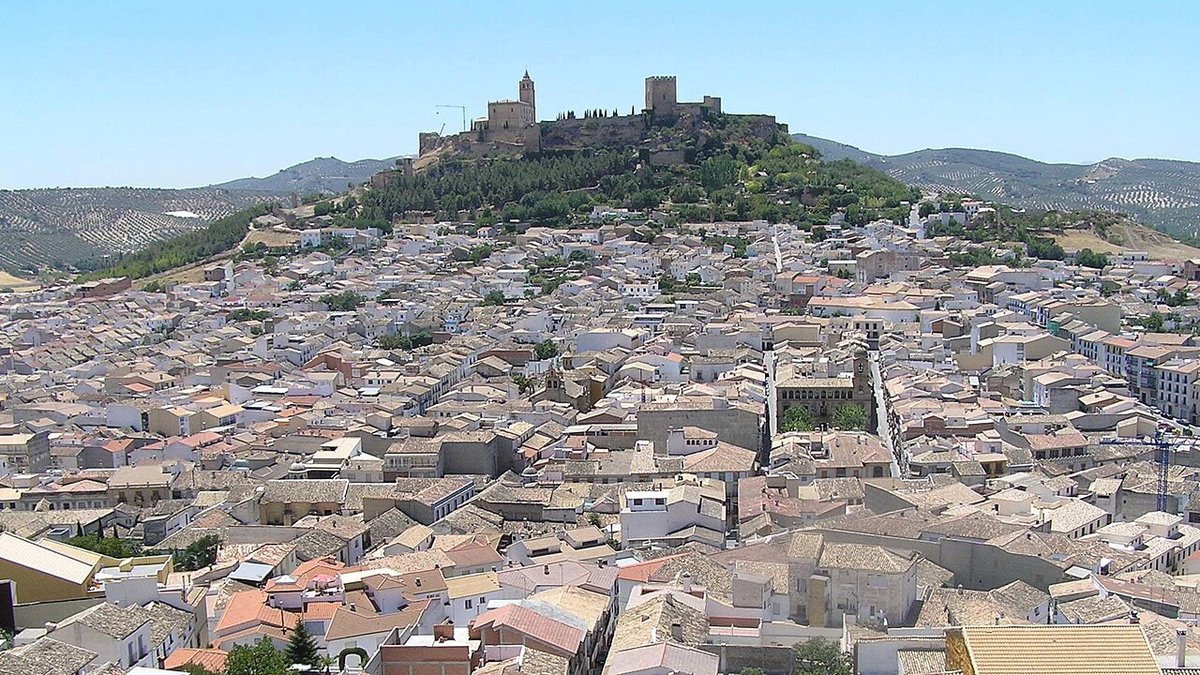
A walk along Calle Real gives a quick introduction to the village. The Iglesia de la Inmaculada tends to stand out among the central buildings. Everyday life unfolds without much effort to attract attention, and that understated quality defines the visit.
Stopping somewhere in the village for a meal usually means simple, homemade dishes without elaborate presentation. The experience stays close to the local rhythm rather than adapting itself for visitors.
Spring is often a good time to pass through. The olive groves are green, and the heat has not yet reached its peak. If the visit happens to coincide with a festival or romería, the atmosphere shifts noticeably, offering a different view of the same place.
Gilena brings to mind something shared quietly, like a record recommended by someone who knows it well. It is not widely known or especially showy. Yet given a bit of time and attention, it reveals a character of its own, and that can be enough.