Los Corrales - Flickr
Catedrales e Iglesias · Flickr 4
Andalucía · Passion & Soul

Los Corrales

The first thing you notice is the smell of olives. Not the glossy ones bobbing in a London deli, but the real thing: bitter fruit crushed under tra...

4,021 inhabitants · INE 2025
385m Altitude

Why Visit

Church of Santiago Apóstol Rural hiking

Best Time to Visit

spring

August Fair (August) agosto

Things to See & Do
in Los Corrales

Heritage

  • Church of Santiago Apóstol
  • Fountain of the Plaza

Activities

  • Rural hiking
  • Visit to oil cooperatives

Festivals
& & Traditions

Fecha agosto

Feria de Agosto (agosto), Virgen del Buensuceso (mayo)

Las fiestas locales son el momento perfecto para vivir la autenticidad de Los Corrales.

Full Article
about Los Corrales

Municipality bordering Málaga, known for its natural setting and farming traditions in the Sierra Sur.

Ocultar artículo Leer artículo completo

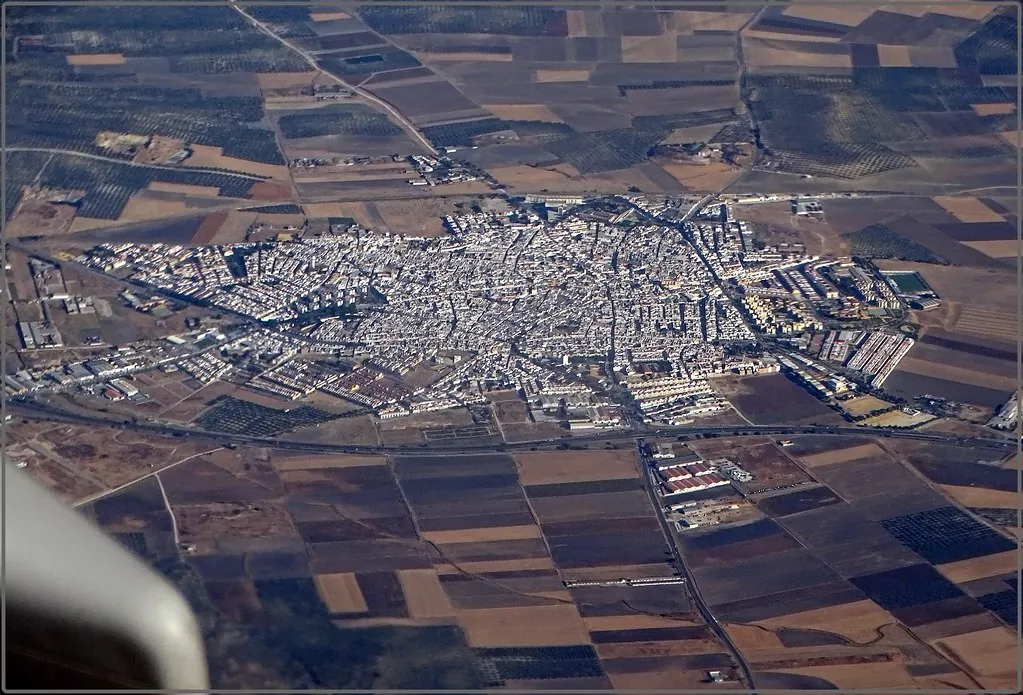
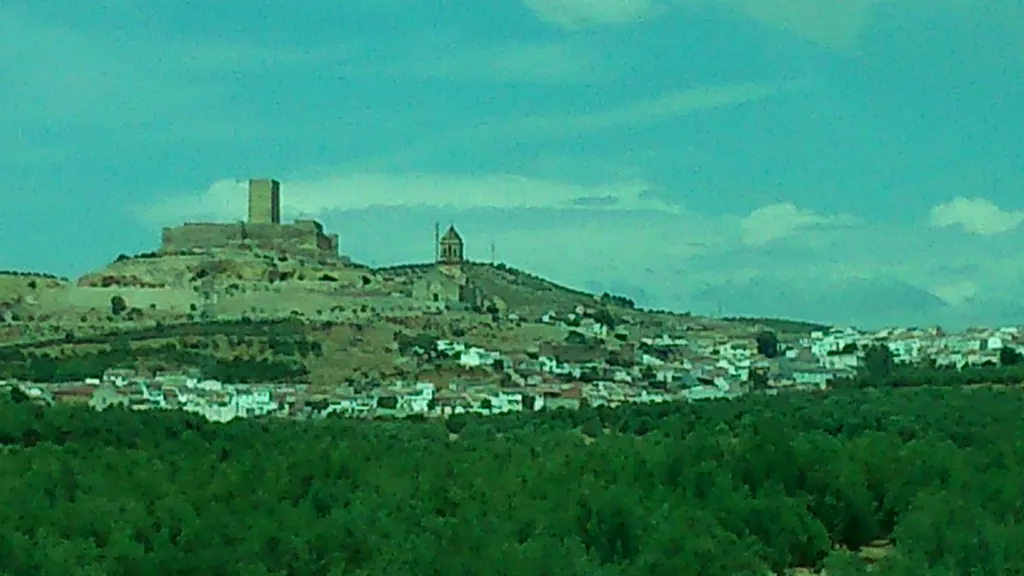
The first thing you notice is the smell of olives. Not the glossy ones bobbing in a London deli, but the real thing: bitter fruit crushed under tractor tyres, wood-smoke from the co-operativa where Friday’s harvest is already spinning into oil. Los Corrales doesn’t save the theatre for tourists; the village simply gets on with being a working piece of rural Andalucía, 385 m above sea level and 90 km east of Seville’s cathedral bells.

That altitude matters. Summer evenings arrive sooner here than on the coast, and winter mornings can dip to 4 °C—pack a fleece even in April. The surrounding Sierra Sur rolls in low, sun-bleached waves of wheat and olive, not the drama of the Alpujarras but enough rise and fall to give every lane a horizon. Cyclists use the place as a midway caffeine stop between Osuna and Estepa; walkers come for the same reason Spaniards do, to cover ground without crowds.

A centre that still measures time by church bells

The Plaza de España isn’t grand—tile benches, a single palm fighting for space with the town Christmas lights—but it functions as open-air office, playground and pensioners’ debating chamber. Housewives queue at the carnicería while the butcher keeps an eye on the televised midday draw; teenagers drift in after the 2 p.m. bell, when the colegio releases them into sunlight sharp enough to make you squint.

Facing the square, the Iglesia de Nuestra Señora de los Remedios won’t win European Heritage grants, yet its lopsided tower and Mudejar ceiling are the village CV. The door stands open most mornings; step inside and the temperature drops ten degrees. Baroque saints gaze down on plastic chairs and a noticeboard advertising next week’s blood-donor session—exactly the mix of sacred and everyday that travel writers sentimentalise until they meet it in real life.

Eating what the fields dictate

There are no tasting menus. Casa Curro, the only full restaurant on the square, lists four main dishes: solomillo ibérico, chicken in pepitoria, migas with grapes, and a vegetable stew that changes according to what Antonio’s sister grows. The wine arrives in a plain glass bottle, purple and room-temperature; the price is €9 for a half-litre that would cost double in Santa Cruz. If you’re nervous about Spanish intensity, order a montadito de pringá—shredded pork and chorizo compressed into a roll the size of a Scotch egg—and ease your way in.

Breakfast is even safer: mollete, the soft inland cousin of a bap, toasted, rubbed with tomato pulp and a thread of olive oil. Locals dunk it into coffee so milky it resembles a flat white; the bill is €1.80 and nobody minds if you sit for an hour to use the Wi-Fi that flickers in and out.

Tuesday adds volume. Market stalls roll up by the sports pavilion at 09:30 and fold away at 14:00. You can buy cheap espadrilles, a kettle, or a kilo of pimientos whose variety doesn’t exist in UK supermarkets. Bring cash—two ATMs serve 5,000 people and one of them traditionally gives up on Fridays.

Tracks, tyres and the smell of wet clay

Los Corrales has no tourist office, hence no branded maps. Instead, ask inside the town hall foyer: the caretaker keeps a photocopied sheet showing three circular walks of 5–12 km. All set out across olive groves, passing stone cortijos where storks nest on ruined chimneys. Spring turns the verges neon with wild asparagus; after October rain the clay sticks to boots like English boulder clay, so taxis back become necessary if you’ve underestimated the weather.

Mountain bikers favour the old railway bed south towards La Roda de Andalucía—flat, asphalt-free, and shaded at dawn. If you need proper hills, drive 25 minutes to the Sierra de la Encantada; the village sits on a plateau, not a cliff, so elevation must be sought elsewhere.

When to come, and when to stay away

April and late-October are the sweet spots: 22 °C by day, cool enough to sleep under a duvet, and the olive wood-smoke drifts sideways instead of choking the streets. August feria is authentic if you enjoy all-night flamenco and daytime heat that hits 38 °C; otherwise you’ll simply roast. Sunday closures are absolute—apart from the 24-hour vending machine outside the pharmacy, your only sustenance is the bar next to the church, and even they shut the kitchen at 15:00.

Rain transforms the place into a wet slate sponge. Country lanes turn to chocolate mousse; hire cars slide, shoes gain three kilos of mud. If the forecast is orange, reschedule or stick to asphalt.

Beds, bolts and Plan B

Accommodation inside the municipality totals about twelve rooms. Hostal Los Corrales (four doubles, €45 with bathroom) faces the olive co-op—expect lorry noise at 7 a.m. Casa Rural La Rehoya has two apartments with tiny pools; book two months ahead for Easter or May crossings. A smarter move is to base yourself in Osuna, twenty minutes west, where former ducal palaces now offer boutique doubles and the train from Seville stops. Drive in for the morning market, walk the lanes, retreat to Osuna’s rooftop bars by dusk.

Driving is non-negotiable. Buses from Seville’s Estación de Plaza de Armas leave at 07:15 and 18:00; miss the return and a taxi costs €90. Car hire at Seville airport runs about £28 a day in low season—still cheaper than two rural taxis.

The part nobody Instagrams

Authenticity can feel like a long afternoon. Between siesta and 20:00 the streets empty; shutters clack down and even the dogs retreat into shade. British visitors sometimes mistake the lull for hostility—it’s simply the rhythm of a place that starts work at dawn. English is sparse; download an offline dictionary, learn “¿Hay menú del día?” and you’ll be greeted with curiosity rather than impatience.

Come without a plan and Los Corrales may look like a single church and a petrol station. Stay long enough to walk the groves at sunrise, when the mist pools like milk and a tractor’s headlight is the only competition for Venus, and you’ll understand why Spaniards drive out from Seville just to breathe this particular air. It isn’t spectacular, but it is honest—and that, on the well-worn tourist lattice of Andalucía, is becoming a rarity worth the detour.

Key Facts

Region
Andalucía
District
Sierra Sur
INE Code
41037
Coast
No
Mountain
No
Season
spring

Livability & Services

Key data for living or remote work

2024
ConnectivityFiber + 5G
TransportTrain 11 km away
HealthcareHealth center
EducationHigh school & elementary
Housing~5€/m² rent · Affordable
Sources: INE, CNMC, Ministry of Health, AEMET

Planning Your Visit?

Discover more villages in the Sierra Sur.

View full region →

More villages in Sierra Sur

Traveler Reviews